

Holidaymakers and business travellers from the UK, the US, South Africa, and most EU and Commonwealth countries won’t need visas for Botswana on a short trip. They can stay for up to 90 days in any 12-month period. Travellers from other countries can apply in advance through the government’s eVisa portal.
The main visa types are tourism, visitor’s, study, business, investment, and employment visas. Only travellers from visa-required countries need one of these to enter.
Expats who plan a long-term move have more paperwork to deal with. Anyone who stays longer than 90 days needs a residence permit, and anyone who earns an income in Botswana needs a work permit as well. Visa-exempt nationals need these permits too. The government prioritises jobs for citizens, so employers face close scrutiny when they hire from abroad.
Tourist and visitor’s visas for Botswana
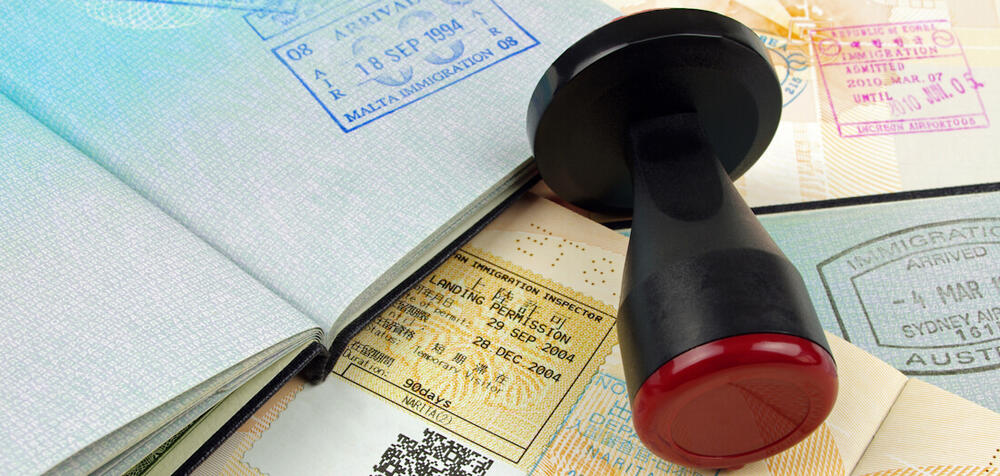
Travellers from visa-exempt countries can skip tourist and visitor visas for Botswana altogether. Immigration officers stamp their passports on arrival, and that stamp is enough for a stay of up to 90 days. The full list of countries whose citizens need visas is available on the eVisa portal. Visitors who need more time should apply for an extension at an immigration office before the 90 days are up.
All visitors need a passport that’s valid for at least six months from their date of entry and has at least three blank pages. Children under 18 need a certified copy of their unabridged birth certificate in addition to a passport. This is the longer version that has both parents’ details. A parent who travels alone with a child needs an affidavit in which the other parent consents to the trip as well.
You’ll need to apply in advance through the eVisa portal if you’re from a visa-required country. The first step is to choose between a tourism visa and a visitor’s visa.
Tourism visas are for holidays and other short, non-work trips. Visitor visas are for personal reasons, such as visits to friends or family, social or community events, medical treatments, or short recreational courses. Applicants for either visa need a flight itinerary and proof of accommodation, and visitor visa applicants also need a sworn statement from their host in Botswana. The immigration office processes most applications within seven to 14 days.
Single-entry tourism visas are valid for up to a month, although immigration officers can extend them if there’s good reason. Frequent visitors can apply for a multiple-entry tourism visa instead.
Visitor’s visas are generally valid for three months, but dependants of Botswana residents can get one for up to two years. Holders of tourism and visitor visas can’t work in Botswana.
Useful links
Business and investment visas for Botswana
Business travellers from visa-exempt countries can attend meetings and conferences in Botswana without a visa, so only entrepreneurs, investors, traders, and company directors from visa-required countries need business and investment visas for Botswana. Holders of either visa can’t take up paid work. Anyone who moves to Botswana to run a business needs a work permit and a residence permit instead.
Business visas
Business visas are for short trips to scout commercial opportunities in Botswana. Visitors on this visa can meet associates, attend conferences, negotiate contracts, and settle estates.
Applicants need an invitation letter or business profile from their host in Botswana, a business plan, a schedule of meetings, and recent personal and business bank statements. A single-entry business visa is valid for up to three months, and multiple-entry options are available for up to a year.
Investment visas
Regular business visitors, such as directors of Botswana-based companies and foreigners with investment projects in the country, can apply for investment visas. Investors need to prove their stake in the business with documents like a share certificate and the company’s trade licence. Multiple-entry investment visas are valid for up to five years.
The Botswana Investment and Trade Centre (BITC) helps qualifying investors with visas, work and residence permits, trade licences, and company registration through its One Stop Service Centre.
Useful links
Study visas for Botswana
Students from visa-required countries need study visas for Botswana, while those from visa-exempt countries can enter without one. All international students need a residence permit for the length of their course.
The University of Botswana and Limkokwing University of Creative Technology both accept international students. Foreign researchers need a separate research permit before they arrive.
Study visa applicants need a letter of acceptance from their institution, proof of sponsorship, a flight itinerary, and a study or research permit. Study visas are valid for three months, and the immigration office can extend them with justification.
Useful links
Work permits for Botswana
Work permits for Botswana are mandatory for every foreign national who earns an income in the country. Citizens of visa-exempt countries need one too.
Employers must advertise the job locally and show that no suitably qualified citizen is available before they can hire from abroad. The government no longer grants work permits to foreign heavy-duty drivers or most foreign teachers, because enough qualified citizens are available for these roles. The employer normally handles the application and submits it at the nearest labour office, and a Regional Immigration Selection Board then makes the decision.
The employer and employee need to supply an offer letter, an employment contract, a CV, and certified copies of the employee’s qualifications. Anyone with certificates in another language must have them translated into English and confirmed by the Botswana Qualifications Authority (BQA). Doctors, nurses, accountants, engineers, and teachers also need clearance from the relevant regulator or ministry.
The official turnaround time is 14 working days, but it's common for there to be delays. Employers should apply well ahead of the planned start date, and permit holders should apply for renewal six months before the expiry date.
Spouses and other dependants can’t work on a residence permit alone. Each one needs a separate work permit.
Emergency work permits
Employers who need a foreign specialist urgently can apply for an emergency work permit for up to three months. These permits are for situations such as an equipment breakdown or a plant shutdown. There’s also a separate permit for assignments of up to seven days. The labour office aims to process emergency permits within 14 days, and some employers apply for one alongside the full work permit so the new hire can start sooner.
Employment visas
Employment visas are entry visas for travellers from visa-required countries who’ll work, volunteer, do research, or take up an internship in Botswana. Citizens of visa-exempt countries don’t need one, but they still need a work permit. Applicants typically need an employment contract or offer letter and either their work permit or a Department of Labour waiver. The visa is valid for six months, and immigration officers can extend it with justification.
Useful links
Residence permits for Botswana
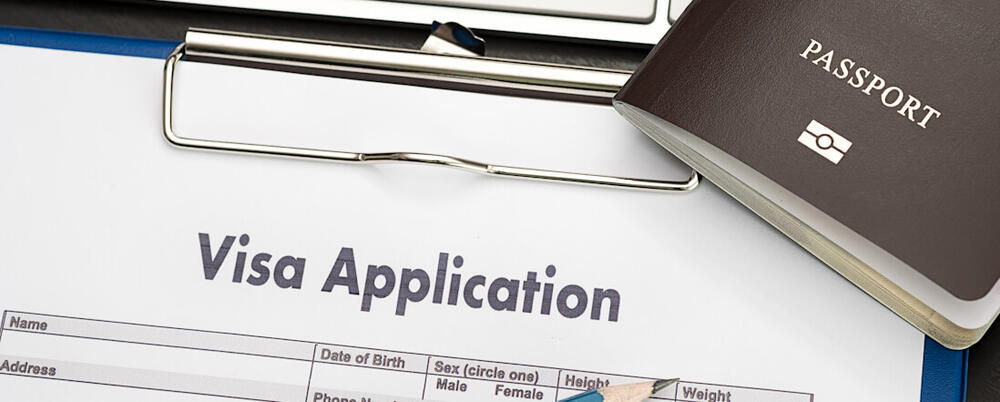
Foreign nationals who want to stay longer than 90 days need a residence permit for Botswana, whether they plan to work, invest, study, or live on their own savings. Each dependant needs a separate permit, and adult dependants must apply in their own name with a letter of support from their sponsor. A dependant’s permit is normally valid for as long as the main applicant’s work permit.
Most applicants need certified copies of their passport and birth certificate, a recent passport photo, a covering letter, and proof that they can support themselves in Botswana. Married couples also need a certified copy of their marriage certificate. Expats should get these documents apostilled in their home country before they leave, because only the issuing country’s authorities can do this.
After at least five years of lawful, continuous residence, expats can apply for permanent residence. The Department of Immigration and Citizenship also considers each applicant’s character and contribution to the country. Investors may qualify sooner, as the minister can grant them permanent residence before the five-year mark.
Applicants should allow plenty of time for the process. The department usually processes residence permits within 30 working days, but it takes about six months for permanent residence applications.
Residency applications in Botswana can be slow and confusing, and many expats hire an immigration consultant to help. Anyone who hires one should check that the consultant is registered, since the authorities have uncovered syndicates that sell fake work and residence permits.
Useful links
- Republic of Botswana: Immigration and Civil Registration
- Republic of Botswana: Permanent Residence Application
The authorities can change visa requirements at short notice, so expats should contact their nearest Botswana embassy or high commission for the latest information.