
- Download our Moving to Mexico Guide (PDF)
Diversity and inclusion in Mexico go back a long way. Indigenous nations were here long before Spanish colonisation began in the sixteenth century, and migration in the centuries since has added communities of European, Middle Eastern, Asian, and African descent. Mexico officially recognises 68 indigenous peoples and 364 linguistic variants, and many of those languages are still spoken every day.
Newcomers are often struck by how class-oriented the country is. Class counts for a great deal, and it bears on economic opportunity and expected behaviour more than many expats anticipate. This guide walks you through the aspects of diversity and inclusion you are most likely to meet in Mexico.
Accessibility in Mexico
The standards of accessibility in Mexico vary quite a bit, particularly between urban and rural areas. Major cities such as Mexico City and Guadalajara have worked to improve accessibility for people with disabilities. In rural areas, progress has been slower, and many regions still have significant accessibility challenges.
The Mexican government’s National Council for Development and Inclusion of Persons with Disabilities (CONADIS) is responsible for promoting accessibility and advocating for inclusive policies and practices across the country’s public services. The country’s main legal framework is the General Law for the Inclusion of Persons with Disabilities, in force since 2011 and aligned with the UN Convention on the Rights of Persons with Disabilities, which Mexico ratified in 2007.
Public transport in Mexico has seen real investment, especially in Mexico City. The metro has added tactile paving for visually impaired passengers and wheelchair-accessible entrances at many stations, although not every station has a lift, and the lifts that are there can be unreliable. The Metrobús rapid transit network tends to be more consistently accessible. It has level boarding and dedicated spaces for wheelchair users.
For door-to-door journeys, ride-hailing apps such as Uber and Didi are widely used and often the easiest option, since the purpose-built accessible taxis in the larger cities can take time to arrange. Standards drop sharply outside the big cities, so research your specific destination before you commit to it.
Useful links
LGBTQ+ in Mexico
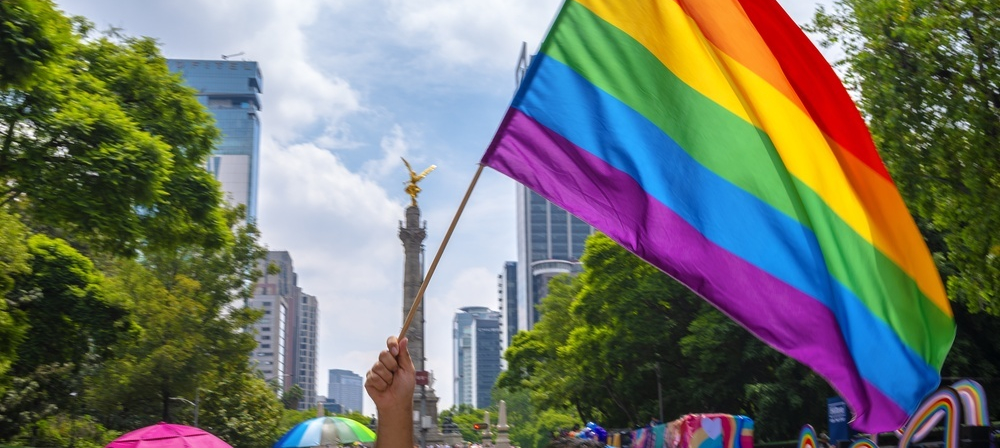
Living as an LGBTQ+ person in Mexico has changed dramatically in a short time. Since 2009, Mexico City has led the way in legalising same-sex marriage in the country, and since then, the rest of the states have followed suit. As of 31 December 2022, all 32 Mexican states recognise same-sex marriage. Nationally, anti-discrimination laws protect individuals against prejudice based on sexual orientation and gender identity.
Same-sex sexual activity has not been a crime since 1871. The Supreme Court established in 2016 that same-sex couples cannot be barred from adopting, although some states have been slow to update their procedures. Conversion therapy is a federal crime in Mexico.
Transgender people can change their legal gender through a straightforward administrative process in most states, and 22 of the 32 now grant it on the basis of self-declaration. Mexican passports have offered male, female, and X markers since 2023.
Societal attitudes do not always align with the legal advancements. There is persistent homophobia and transphobia in some sectors, especially in more conservative and rural areas. There are significant barriers for transgender people, in particular. Gender-affirming healthcare is mostly accessed privately, as there is limited public provision.
The big cities have a lively LGBTQ+ scene of their own. Mexico City and Guadalajara hold major Pride events each year, and the capital’s march is among the biggest in the world. Its Zona Rosa is the country’s best-known gay district. Puerto Vallarta, and its Zona Romántica in particular, has become Mexico’s de facto gay capital, and it draws a large community of residents and visitors all year round.
Useful links
Gender equality in Mexico
Progress on gender equality in Mexico has been real but uneven. Legislation has aimed at equal rights between the sexes. Women insured by the Mexican Social Security Institute receive 12 weeks of maternity leave at full pay. Fathers, by contrast, get just five working days.
In 2021, the Supreme Court ruled that it is unconstitutional to criminalise abortion. The decision did not legalise it everywhere overnight; more states have decriminalised it since, one by one, and federal health institutions such as the Social Security Institute must now provide the procedure. In practice, ease of access still depends on which state you are in.
There are still wide gaps in pay and economic participation. Among full-time workers, the OECD puts the wage gap at around 17 percent. The true gap is wider still, because so many women work in the informal economy, where pay is lower and protections thinner. Even with maternity rights in place, far fewer women than men hold formal jobs: women’s participation is around 46 percent, against roughly 76 percent for men.
Mexican law requires employers to put protocols in place to prevent and address gender-based discrimination, workplace violence, bullying, and sexual harassment. The federal standard on psychosocial risks at work, NOM-035, reinforces these duties and sets out measures to support victims and curb workplace violence.
Traditional gender roles are still deeply held, especially in rural areas, and gender-based violence is still a serious problem. Femicide, in particular, has become a rallying point for many women, and sustained nationwide protest has pushed several states to set up specialist prosecutors.
Useful links
Women in leadership in Mexico
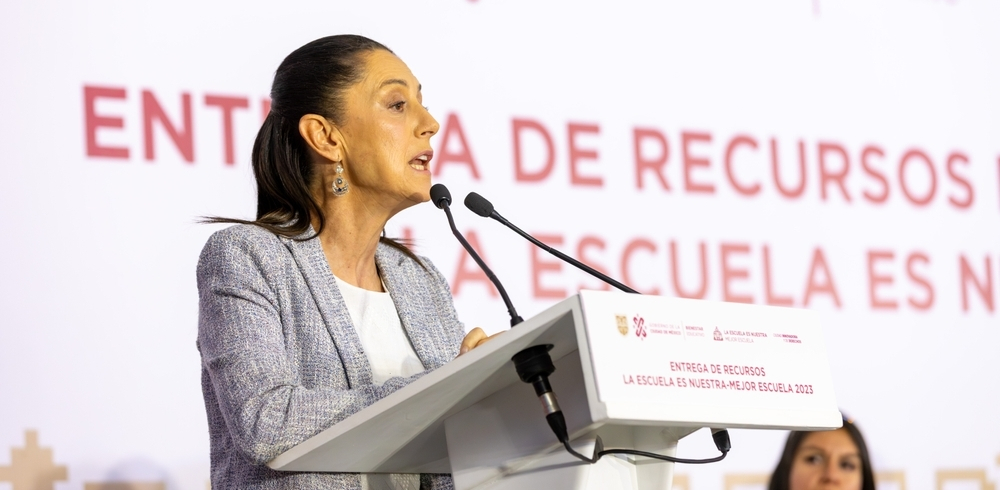
Women in leadership in Mexico reached a milestone in October 2024, when Claudia Sheinbaum became the country’s first female president. The number of women in senior business and political roles continues to climb, but parity across every sector is still some way off.
The makeup of Mexican politics has changed nearly overnight. A 2019 constitutional reform, known as ‘parity in everything’, requires equal numbers of women and men across elected and appointed posts. Women now hold a slight majority in the Chamber of Deputies and close to half the Senate, which puts Mexico among the highest-ranked countries in the world for women in parliament. Business leadership is further behind, and there are a number of organisations and certification schemes that push for more women in executive and board roles.
Useful links
Mental health in Mexico
Attitudes to mental health in Mexico are slowly changing, although the old stigma has not gone away. Public mental health services are under-resourced and unevenly spread. Mental healthcare provision is heavily concentrated in Mexico City, and most states have roughly one public-sector psychiatrist per 100,000 residents or fewer, which is far below the level recommended by the WHO.
Expats are especially at risk but generally have more tools at their disposal. Distance from home and old friendships can bring real isolation, and a career in an unfamiliar country carries pressures of its own. Substance use can become a problem too, especially where drinking is a normal part of doing business.
Most expats turn to private care, which is far better resourced than the public system and avoids long waits. English-speaking therapists and psychiatrists are easiest to find in the larger expat hubs, among them Mexico City, Guadalajara, Mérida, and San Miguel de Allende.
Unconscious bias education in Mexico
Unconscious bias is increasingly recognised as a barrier to diversity and inclusion in Mexico. Some organisations are implementing unconscious bias training as part of their efforts to promote a more inclusive and diverse workplace. The Mexican government’s National Council to Prevent Discrimination (CONAPRED) provides resources on understanding and combating unconscious bias.
The Mexican standard for labour equality and non-discrimination certifies employers that adopt inclusive hiring and anti-bias practices, and a growing number of large firms now hold it.
Useful links
Indigenous and racial representation in Mexico
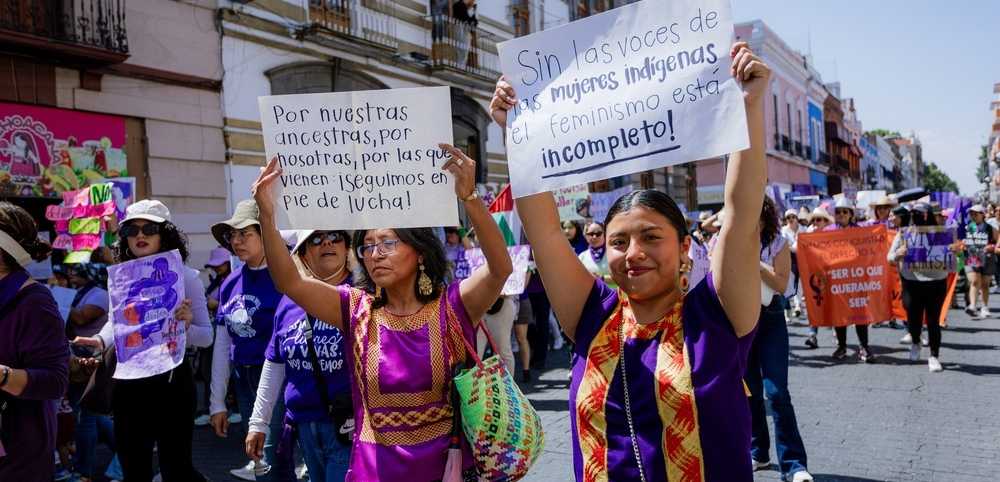
Indigenous and racial representation in Mexico begins with the mestizo majority, Mexicans of mixed indigenous and European ancestry. Indigenous peoples form the largest of the country’s distinct groups. Afro-Mexicans make up another, and there are smaller communities descended from European settlers and from later waves of migration, notably Lebanese and Chinese.
Indigenous cultures are integral to Mexican national identity. Indigenous languages and art are widely celebrated, particularly during national holidays such as Día de los Muertos (Day of the Dead) and Guelaguetza, the Oaxacan festival of indigenous culture.
There are significant barriers for Indigenous groups and racial minorities in Mexico, including discrimination and unequal access to education and healthcare. The National Institute of Indigenous Peoples (INPI) is the lead federal body for indigenous and Afro-Mexican peoples. It works to defend the rights and territories of those communities and to support their cultural and economic life. The National Council to Prevent Discrimination (CONAPRED) handles discrimination complaints more broadly.
Afro-Mexican history is finally gaining formal recognition. The constitution acknowledged Afro-Mexican peoples in 2019, and the 2020 census was the first to count them. Around 2.6 million people, 2 percent of the population, identified as Afro-Mexican. The largest communities are found along the Costa Chica coast of Guerrero and Oaxaca.
Useful links
Diversification of the workforce in Mexico
A diverse workforce matters for Mexico’s growth and social equity. Mexico has plenty of diversity, but it lacks equal reward for it. Pay and advancement still depend heavily on who you are. Women and indigenous people are underrepresented in higher-paying and senior roles, and people with disabilities face significant barriers to employment. In response, more employers have adopted inclusive hiring and professional-development schemes for underrepresented groups.
International workers make up only a small slice of the labour force; Mexico’s foreign-born population is around 1 percent of the total. In multinational firms, technology, tourism, and the northern manufacturing belt, foreign professionals are common and generally well received.
Safety in Mexico
Safety in Mexico is best understood region by region. Expats in the main hubs generally report feeling safe day-to-day, whether in Mexico City neighbourhoods like Roma and Condesa, in Querétaro, or in Mérida, which is regularly rated the country’s safest city. It pays to know which areas to avoid and to keep up with both local news and your home country’s travel advisories before and after your move.
A handful of states account for most of the violence, and much of it is tied to organised crime and the drug trade. Guanajuato has led the country in homicides for several years. Parts of the north and states such as Guerrero and Michoacán are also hard hit.
The government has created several bodies in response. The National Public Security System (SNSP) coordinates security across levels of government. The National Guard, which it launched in 2019 to tackle violent crime, has since grown to well over 100,000 members and is now under military command. National homicide figures fell sharply through 2025 to their lowest rate in roughly a decade.
But lasting safety will take more than policing. The police and courts are widely seen as corrupt, and organised crime has deep economic and political power in Mexico. The country’s severe social inequality makes both harder to tackle.
Calendar initiatives in Mexico
- 8 March: International Women’s Day
- 1 May: Labour Day/May Day
- 15 May: Teacher’s Day
- 17 May: International Day Against Homophobia, Transphobia and Biphobia
- 12 October: Día de la Nación Pluricultural (Day of the Pluricultural Nation). Officially renamed from Día de la Raza in 2020, it now centres on Mexico’s cultural diversity and the contributions of its indigenous and Afro-Mexican communities. The older name is still widely used.
- 20 November: International Transgender Day of Remembrance
- 25 November: International Day for the Elimination of Violence Against Women
- 1 December: World AIDS Day
- 10 December: Human Rights Day