
- Download our Moving to Mexico Guide (PDF)
Education and schools in Mexico have had their share of struggles. The dropout rate in public schools in Mexico is high, and rural schools are underfunded and have a shortage of buildings, teachers, and textbooks. Urban public schools are better, but the quality of education is still relatively low. Private schools offer high-quality bilingual education that is usually well-suited to expat children, but can be expensive.
There are stark differences between the more developed northern and central states and the southern regions. Wealthy families typically send their children to private schools, where there is no shortage of qualified, passionate teachers and textbooks, whereas poorer families send their children to public schools.
If your children arrive with report cards or diplomas from abroad, the SEP must revalidate those studies before a Mexican school can place them in the right year. The paperwork is lighter than you might expect: an apostille is not required, and a plain Spanish translation of the documents will do.
Public schools in Mexico
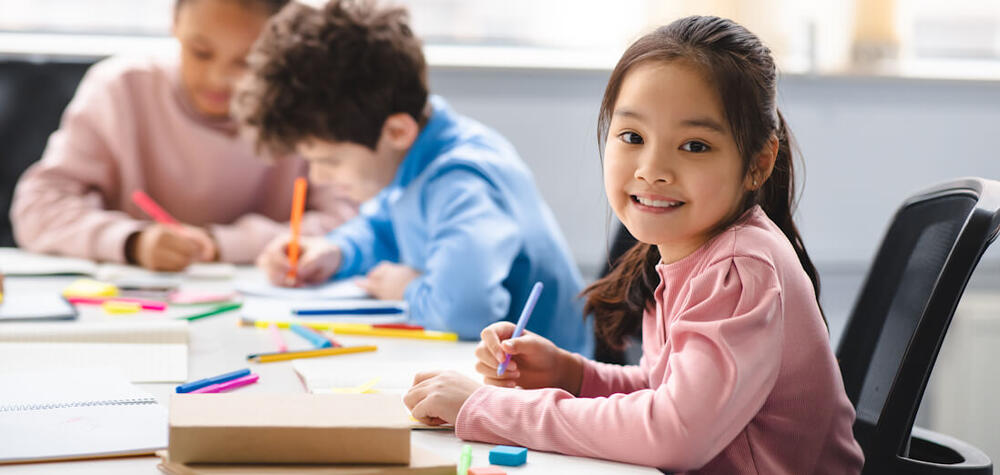
Although public schools in Mexico charge no tuition and textbooks are freely available in primary schools, they are unlikely to be an expat’s first choice for their children due to poor and differing standards.
Since 2023, the public system has followed the Nueva Escuela Mexicana, a reform that bundles the old subjects into broad ‘formative fields’ and favours community projects over rote textbook work. The government issued new free textbooks to match, and teachers now have more freedom to adapt lessons to their own community. The rollout has been patchy, so one school’s experience may not match the next.
The Mexican education system is regulated by the Secretariat of Public Education (SEP) and is administered by individual states. Public schools in Mexico are secular, as religious instruction is banned in public education, and school days in Mexico are shorter than in many other countries. The school year generally runs from late August or early September through to mid-July.
The system is divided into three levels:
- Primary school (primaria): Grades 1 to 6, ages 6 to 12
- Junior high school (secundaria): Grades 7 to 9, ages 12 to 15
- High school (preparatoria): Grades 10 to 12, ages 15 to 18
Mexico grades on a scale of 0 to 10, and a child needs a final mark of at least six to move up. Children who finish between 6 and 7 can take a regularización exam to lift the mark. Those who score below 6 take an extraordinario exam instead, and a child who fails it repeats the subject.
Students have several options for high school. Technical and vocational colleges train students for a specific trade and award a bachillerato aimed at the workforce. Those who attend preparatoria instead gain a general education in subjects they may specialise in, such as physical or social sciences, in preparation for tertiary education.
Useful links
Private schools in Mexico
Private schools in Mexico tend to have a broader curriculum and better teachers than public schools. When you weigh up a private school, check that the SEP has accredited it (ask for its RVOE number, the official stamp of recognition).
SEP-accredited bilingual schools offer a middle path between the free public system and the priciest international options. They tend to suit families who plan to stay a while and want their children to be able to communicate comfortably in both Spanish and English.
International schools in Mexico
International schools in Mexico are often the easiest landing spot for expat children. An international education means a child can sit recognised exams and go on to university at home or anywhere else in the world.
Most international schools in Mexico are located in large cities, such as Mexico City, Guadalajara, and Monterrey. American, British, Canadian, French, German, Japanese, and International Baccalaureate (IB) curricula are all on offer. Tuition costs range greatly, from somewhat affordable to pricey. Parents should also factor in where the school is and how they will get around between home, school, and work daily.
The most popular schools have more applicants than places, especially for the key starting years: preschool, the first year of primary, and the first year of secondary. Get your application in early. Many employers fold a school allowance into relocation packages, so check what yours covers before you start looking.
International Schools in Mexico
Special educational needs in Mexico
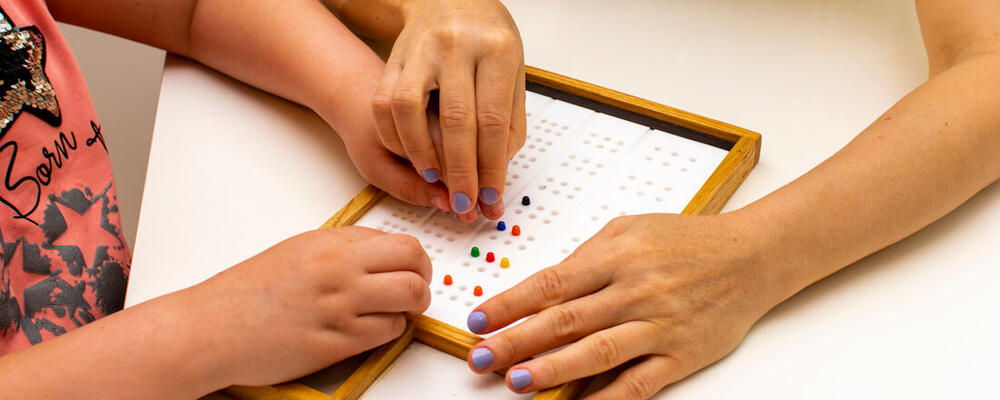
Inclusive education for special educational needs in Mexico is still a work in progress, in both public and private schools. A specialist team, the Unidades de Servicios de Apoyo a la Educación Regular (USAER), supports children with disabilities inside mainstream classrooms. These professionals include speech therapists, psychologists, special-education teachers, and others.
Students with severe disabilities are not usually catered for in these settings and usually attend Centros de Atención Múltiple (CAM) for specific attention and care.
Unfortunately, there are barriers to inclusive education, such as limited training for teachers and confusion of roles between the main class teacher and professionals from the USAER. Many school environments are not physically adapted to individuals with certain needs, and infrastructure and resource development are still needed.
Under Mexican law, a private school cannot turn a child away because of a disability. Private and international schools are also likely to offer better resources and support for expat children with additional needs.
Nurseries in Mexico
Nurseries in Mexico (guarderías) look after infants and toddlers while parents work, and they give little ones an early start among other children. Using one is your choice. Preschool is a different matter: the three years of preescolar, for ages three to five, are compulsory, and a child must finish them before starting primary school.
Daycares are easy to find in large cities. Some provide Montessori-based holistic approaches, while others are affiliated with international schools.
Tutors in Mexico
Tutors are easy to come by in Mexico, for children of any age and almost any subject. You can ask around locally or use online platforms such as Apprentus, Preply, or Mexico City’s UniversityTutor, where you can match a tutor to the subject and language you need and settle on a price that suits you.
Children in all types of schooling can benefit from extra tuition. Adults can find tutors for their university courses or pick up some extra Spanish classes to better orient themselves in their new homes.