
- Download our Moving to Mexico Guide (PDF)
Expats moving to Mexico are often attracted by thoughts of warm weather and a relaxed atmosphere, particularly retirees hoping to stretch out their pensions and unfold their sun loungers. Mexico has drawn such a large influx of foreign pensioners that retirement communities have sprung up along the coastline. Some have woven themselves into Mexican towns and everyday life; others look like small pockets of America.
Mexico often makes the news for its safety problems, yet most expats never encounter them and go on to enjoy the country’s cuisine, ancient ruins, beaches, and lively festivals.
Living in Mexico as an expat
Living in Mexico as an expat is not only the preserve of retirees. The country’s big industrial and manufacturing cities pull in younger working expats from the US, Canada, and further afield.
Citizens of the US, Canada, the UK, the Schengen countries, and several other nations can enter visa free for up to 180 days, so short visits and scouting trips involve little paperwork. A local job is more involved: your Mexican employer must sponsor a work permit through the National Migration Institute (INM) before a Mexican company can pay you.
The nearshoring boom has done wonders for the Mexican job market. International firms have moved manufacturing and back office operations closer to the US, and cities such as Monterrey, Guadalajara, Querétaro, and Mexico City now hire foreign talent in engineering, advanced manufacturing, IT, finance, and shared services.
Remote workers have their own route. Mexico has no dedicated digital nomad visa, so those who work online for foreign clients either enter as visitors for up to 180 days or apply for a temporary resident visa based on their income. Temporary residency is renewed for up to four years and is the usual choice for a longer base.
Teaching English is increasingly popular with expats. Resorts and the wider tourism trade along the coast hire foreign staff regularly, too.
Getting around is easy, and the long-distance coaches are a pleasant surprise: more comfortable than newcomers expect, and they reach almost every corner of the country. Domestic flights cover the longer hops, and the bigger cities add reliable metro and bus services. Taxis and ride-hailing apps are easy to find. Housing is varied enough that expats from most walks of life can find something to suit their budget.
Working in Mexico
Visas for Mexico
Safety in Mexico
Cost of living in Mexico
The cost of living in Mexico is what tips the balance for many expats, and day to day, your money goes further here than it would back home. Food is affordable, and getting around is cheap, so a comfortable life does not demand a large income. If you earn in a foreign currency, you will do especially well.
Property is more affordable than in most comparable countries. Even in Mexico City, the priciest metro, rents and prices come in well under those of major cities in North America and the UK.
That affordability has a flip side. In the neighbourhoods foreigners favour most, such as Roma and Condesa in Mexico City or Colonia Americana in Guadalajara, rents have risen steeply, and some residents have pushed back against the gentrification that comes with it. A longer lease rather than another short-stay rental is the single most useful thing you can do. Beyond that, a little Spanish and your custom at local businesses will set you apart from the arrivals who never bother.
Transport and Driving in Mexico
Cost of Living in Mexico
Renting Expat Accommodation in Mexico
Families and children in Mexico
Families and children in Mexico are well provided for, and the country is a fine place to bring up children. Public schools tend to be underfunded and often fall short of what expat parents expect. The private sector is another matter. Private and international schools are plentiful, many of them bilingual, and they cluster in the biggest cities. Mexico City offers the widest choice, and Guadalajara and Monterrey are close behind.
Private healthcare is inexpensive and of a high standard, which is one reason Mexico has become a medical tourism destination. Residents can also voluntarily enrol in the public IMSS system for a modest annual fee, although most expats keep private cover for shorter waits and access to English-speaking specialists.
Families have plenty to do. Mexico’s canyons, waterfalls, coastlines, rainforests, and national parks are all within reach for a weekend away.
Mexico also has a long history and a calendar full of festivals. These give you a natural way to meet your neighbours. Día de los Muertos (Day of the Dead) at the start of November draws the biggest crowds, and Independence Day on 16 September and Semana Santa (Holy Week) are marked across the country.
Education in Mexico
International Schools in Mexico
Healthcare in Mexico
Local Culture in Mexico
Climate in Mexico
Altitude matters more than latitude for the climate in Mexico. The coasts and southern lowlands are hot and humid; the central highlands, including Mexico City at around 7,350 feet (2,240m), are mild and dry for much of the year. The rainy season lasts from May or June to October and sometimes stretches into November. Rain usually comes as short afternoon downpours rather than all day.
Warm weather and affordable coastal property are the obvious draws, and a favourable exchange rate stretches a foreign income further still. For most expats, it adds up to a comfortable life.
Fast facts
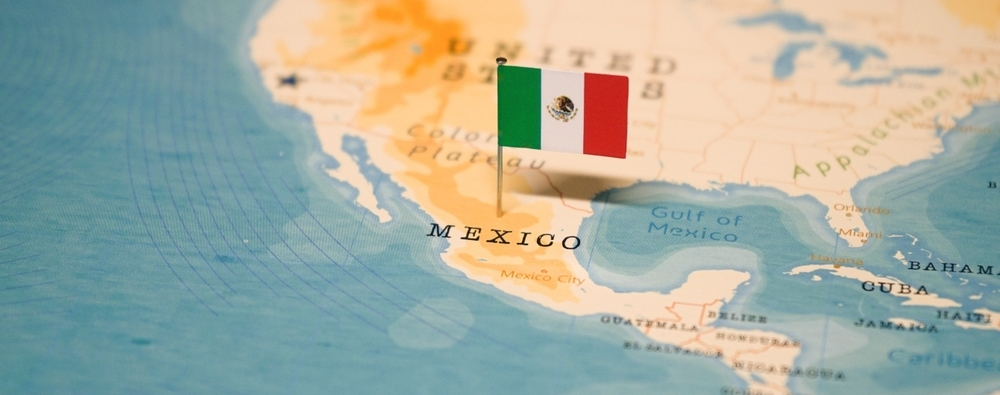
Official name: United Mexican States (Estados Unidos Mexicanos)
Population: Around 133 million
Capital city: Mexico City (also the largest city)
Other cities: Guadalajara, Monterrey, Puebla, Tijuana
Neighbouring countries: Mexico borders the US to the north, and Guatemala and Belize to the southeast.
Geography: Mexico is a large country at the southern end of North America. The terrain is extremely varied, from coastal lowlands to a high central plateau. Three mountain ranges frame that plateau: the Sierra Madre Oriental in the east, the Sierra Madre Occidental in the west, and the Sierra Madre del Sur along the southwestern coast. Islands dot both the Pacific and the Caribbean, and the Yucatán Peninsula juts into the Gulf of Mexico.
Political system: Federal presidential constitutional republic
Major religions: Roman Catholicism is the dominant faith, although a Protestant and Evangelical minority is growing. Other religions are tolerated and freely practised.
Main language: Spanish (official). Over 60 indigenous languages are also spoken.
Money: The Mexican Peso (MXN) is divided into 100 centavos. Opening a bank account is straightforward once you hold temporary or permanent residency; banks generally ask for your residency card, passport, proof of address, and an RFC tax ID. ATMs are widespread.
Tipping: Tipping is customary, around 10 to 15 percent in restaurants. Many service staff rely on tips, so they are expected rather than optional.
Time: Mexico has four time zones, from GMT-8 in Baja California to GMT-5 in Quintana Roo. Most of the country, including Mexico City, is on GMT-6. Daylight saving time was abolished for most of Mexico in 2022. Baja California and some northern border municipalities still change their clocks to match the US; Sonora stays on GMT-7 all year.
Electricity: 127V, 60Hz. Plugs are two- or three-pin with flat blades (Type A and Type B).
Internet domain: .mx
International dialling code: +52
Emergency contacts: 911 for all emergencies. For roadside help from the Ángeles Verdes (Green Angels), call 078.
Transport and driving: Cars drive on the right-hand side of the road. Public transport is extensive and inexpensive: long-distance coaches reach most of the country, and the largest cities have their own metro and bus networks.