

- Download our Moving to Mexico Guide (PDF)
Transport and driving in Mexico can be quite an experience, since some of the country’s transport options are not for the faint of heart. Mexico has a relatively well-maintained road network, which consists mainly of toll roads, and a relatively efficient public transport system within and between its major cities.
Plenty of expats drive here, particularly outside the big cities, although many in Mexico City prefer public transport and ride-hailing apps to sidestep the traffic and parking headache. Whatever the mode of transport, we recommend that you learn at least some basic Spanish and get familiar with local customs. It makes a world of difference when you are getting around Mexico.
Public transport in Mexico
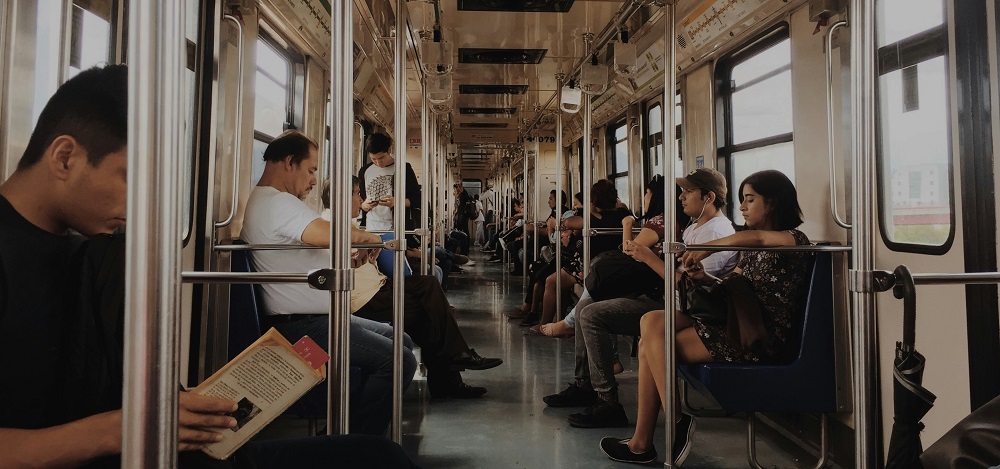
Public transport in Mexico is cheap and reaches almost everywhere, although it runs most smoothly for those with some Spanish, especially at peak hours when announcements and signage come thick and fast.
Metro
Mexico City, Monterrey, and Guadalajara are the only three Mexican cities with metro or light rail systems. The capital’s metro network is joined by el tren ligero, a light rail line that reaches the southern suburbs. The Monterrey Metro, better known as Metrorrey, is much smaller than its capital counterpart. It runs three lines, although further lines are under construction.
Keep a close eye on your valuables on the metro, which is a favourite haunt of pickpockets. Wear bags in front of you and stay alert when carriages get packed. Women travelling alone can use the designated women-and-children carriages, usually marked mujeres or damas and watched over by police, which sidestep the worst of the rush-hour crush.
Mexico City has also taken to the skies. Its Cablebús aerial cable cars glide over hillside neighbourhoods that buses and trains cannot easily reach, and they now carry well over 100,000 commuters a day. A ride costs relatively little, and the views across the valley are remarkable.
Buses
There’s an extensive bus network that offers an efficient and affordable way of getting around Mexico. There are two classes available on long-distance bus routes: first and second class. First-class buses have comfortable reclining seats as well as toilets and movies on board. Many long-distance routes run non-stop and will get travellers to their destinations quickly. It’s recommended that passengers buy tickets for first-class buses in advance to ensure they get a seat.
Mexico’s bus drivers once had a poor safety reputation, but the government has fitted warning lights and buzzers that alert drivers when they exceed the speed limit. Buses now undergo more frequent maintenance, and drivers are subject to random alcohol and drug tests. On intercity routes, many seasoned travellers stick to first-class or executive services and prefer to journey by daylight, both for comfort and peace of mind.
There are local buses and microbuses (micros) in most cities and towns, such as Mexico City’s metrobús and its green-and -white micros. These are cheap, and tickets can be bought on board, but they can be uncomfortable as passenger limits are hardly regulated.
Trains
Mexico’s regional passenger train system is close to non-existent, and despite various development plans floated over the years, progress has been slow. You can still see a slice of the country by rail, though. The Chihuahua Pacific Railway, better known as El Chepe, carries travellers through the dramatic Copper Canyon and runs two services: the tourist-oriented Chepe Express and the more local Chepe Regional. Over in Jalisco, a tequila-tasting train winds through the blue agave fields between Guadalajara and the town of Tequila.
Useful links
Taxis in Mexico
Taxis in Mexico are a relatively cheap way to get around the cities. They either run on meters or charge by zone. Agree on a price with the driver before you set off, even when the meter is working, so you are not overcharged.
For safety reasons, new arrivals to big cities and those who don’t speak Spanish are better off phoning a taxi company. You can also book through an app like Uber or DiDi, or pick one up at a taxi rank (sitio) instead of flagging one down in the street.
Colectivos
Latin America is home to the colectivo. Its form changes from country to country, but it is essentially a shared taxi: sometimes a car, sometimes a minivan, occasionally even a pick-up truck. Riders wait until the vehicle fills up before it sets off.
Mototaxis
Although the safety of these three-wheeled vehicles is questionable, mototaxis and tuk-tuks found around large cities are a cheap and exciting way to get around.
Useful links
Driving in Mexico
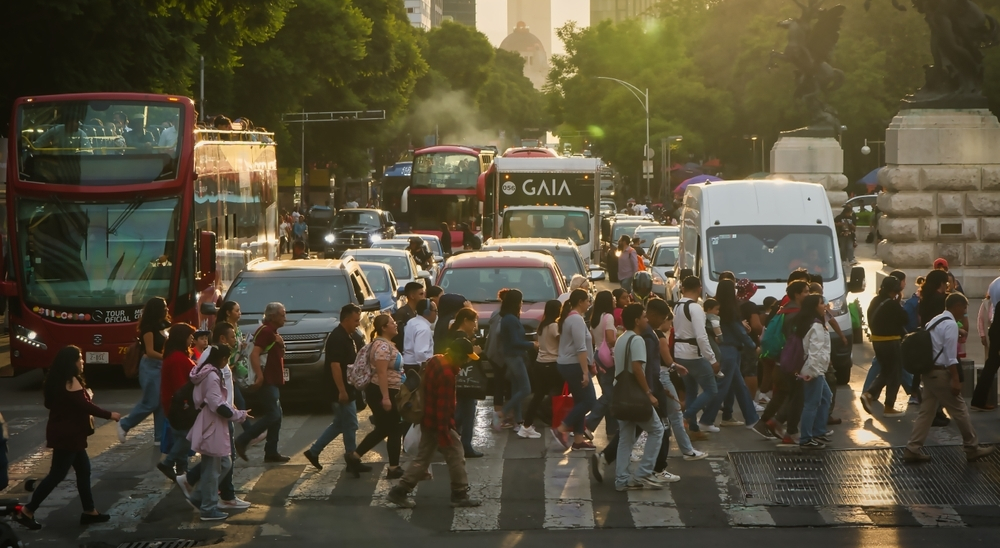
Driving in Mexico rewards a cautious approach; keep slightly under the speed limit and follow the rules of the road even when the cars around you plainly don’t. Stick to toll roads if you have never driven in Mexico before or don’t speak Spanish. Keep Mexican pesos in the car, since US dollars won’t be accepted at the booths.
Keep an eye out for particularly high speed bumps and unexpected potholes, which could damage your car if you don’t slow down. Speed bumps turn up on major toll roads as well as minor roads. Livestock on the road is also a problem in Mexico, so drive cautiously and stay watchful. This is one of the main reasons that driving at night is not advised and can be extremely hazardous.
Be mindful of police roadblocks. Police don’t usually bother foreigners too much, but it pays to be wary of these checkpoints all the same. You can expect them along most major and some minor roads. The officers will most likely search the car and ask you to produce your driver’s licence and insurance details.
Car insurance
Car insurance is required by law in Mexico, and the policy must come from an insurer licensed in the country. Cover is affordable, and you can buy it online or in US border towns. For a longer stay, a six-month plan often works out cheaper than stacking up daily cover. Insurance is not optional in any real sense: a foreigner involved in an accident without it can be detained and barred from leaving the country until the damage is settled.
Roadside assistance
Roadside assistance in Mexico comes courtesy of the Ángeles Verdes (Green Angels), who patrol the highways in green trucks and can handle anything from a flat tyre to a leaking radiator. The labour is free; you pay only for parts and petrol, and a tip is always warmly received. They patrol during daytime hours rather than around the clock, which is one more reason to avoid driving after dark on quiet roads. You can reach them by dialling 078, or through the Ángeles Verdes app.
Driving restrictions in cities
Mexico City and other urban areas cap the number of cars that may circulate at certain times. The capital’s Hoy No Circula (‘today it doesn’t circulate’) scheme keeps a share of vehicles off the road on a rotating basis, set by the last digit of the number plate and the car’s emissions sticker, generally from early morning until late evening on weekdays and on some Saturdays. Foreign-plated cars and those without a Mexican emissions sticker fare the worst, as they get an extra weekday-morning ban on top. Check exactly where your vehicle stands before you rent or buy, since the penalty for getting it wrong is a fine and a towed car.
Driver’s licences
Visitors can drive in Mexico on their home country’s driver’s licence, usually for up to 180 days, but an International Driving Permit is worth carrying alongside it, since it renders your details in Spanish. You arrange the permit in your home country before you travel, as motoring associations there issue them; you cannot obtain one once you have arrived. Carry both the permit and your original licence whenever you drive.
New arrivals who choose to purchase a vehicle in Mexico must secure a local driver’s licence within a year of registering their vehicle. This involves submitting originals and copies of your immigration card or proof of legal residence in Mexico, a valid passport, and proof of address to the Transport Secretary’s Office (Secretaría de Movilidad).
You will need a health certificate and to take a written test in either English or Spanish. Once you pass the written test, you take the practical driving test, which is conducted in Spanish. Mexican driver’s licences are valid for between two and five years.
Useful links
Air travel in Mexico
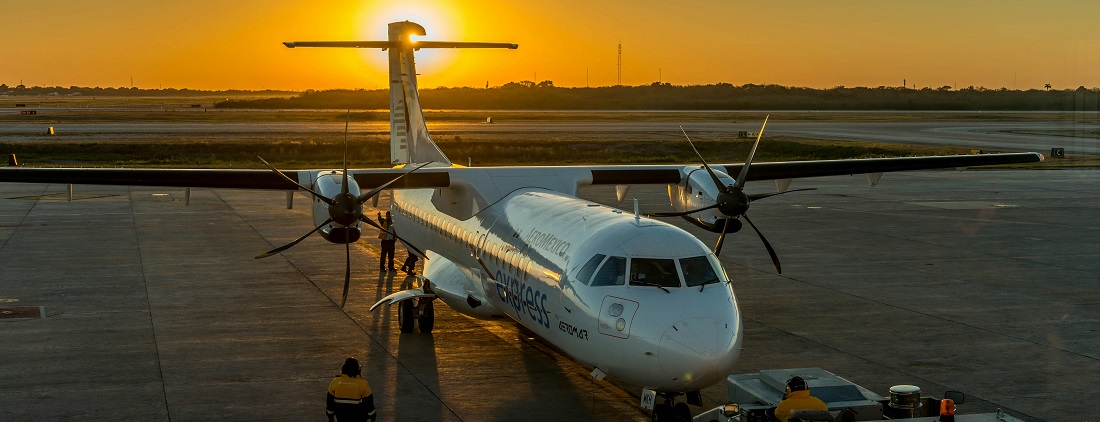
Air travel in Mexico is often the quickest way to cross such a large country, and there are more than 50 domestic airports to fly to or from. There are a handful of low-cost carriers that keep fares competitive: Aeroméxico flies the flag as the national airline, while Volaris and Viva chase the budget end of the market.