Print
  • Hold down Ctrl key and select the sections you want to print. If using a Mac, hold down the Cmd key.
  • Use Ctrl + A or on Mac, Cmd + A to select all sections (if you are using the Chrome browser).
  • Click "Apply" and the site will customise your print guide in the preview below.
  • Click the "Print" button and a print pop up should appear to print to your printer of choice.

Local culture in Mexico

Getting to grips with local culture in Mexico takes most newcomers a while. The customs here have a depth to them that can feel baffling at first, and settling in is harder still if you don’t speak Spanish.

Pick up the small social cues and make peace with a few realities, and the culture shock soon softens. Mexico’s low cost of living helps too, and it takes the edge off the nerves that come with any move abroad.


Time in Mexico

Time in Mexico moves at a gentler pace. That unhurried rhythm is part of the appeal for holidaymakers and retirees, but it is less of a gift when you are trying to relocate. The simplest errands take far longer than they would back home, and you will rarely manage to work to a rigid schedule.

Dinner and bedtimes come later here, and social gatherings tend to start later than the invitation suggests. Official and business appointments are the exception, and there you are still expected on time.

Working in Mexico


Language barrier in Mexico

Spanish is the national language, and the language barrier in Mexico is the adjustment that many newcomers notice first. Plenty of people in the cities and tourist hubs speak English, but many do not.

You can get by with a handful of Spanish phrases, but having a real command of the language makes everything from job hunting and sorting out accommodation to everyday errands far smoother.

Spanish is not the whole picture, either. Mexico recognises 68 Indigenous languages alongside it, and these break down into some 364 regional variants. Nahuatl, once the language of the Aztecs, still has well over a million speakers; Maya and Zapotec are common across the south and the countryside. You likely won’t need them, but they are a reminder that the country is more linguistically layered than the Spanish on the street suggests.

Accommodation in Mexico


Meeting and greeting in Mexico

Meeting and greeting in Mexico comes with a custom that newcomers clock straight away: a single kiss on the cheek is a normal, casual hello. It takes practice to work out when to offer, and even if you know cheek kissing from elsewhere, the Mexican version follows its own rules.

Women greet both men and women this way; men usually greet other men with a handshake or a hug. In a few places, Jalisco among them, you may get a kiss on each cheek rather than one.

In business and work settings, a handshake is the safe default, and you would not normally kiss someone you have just met in a formal setting. Once a mutual friend has introduced you socially though, a cheek kiss on first meeting is fairly ordinary.


Dining in Mexico
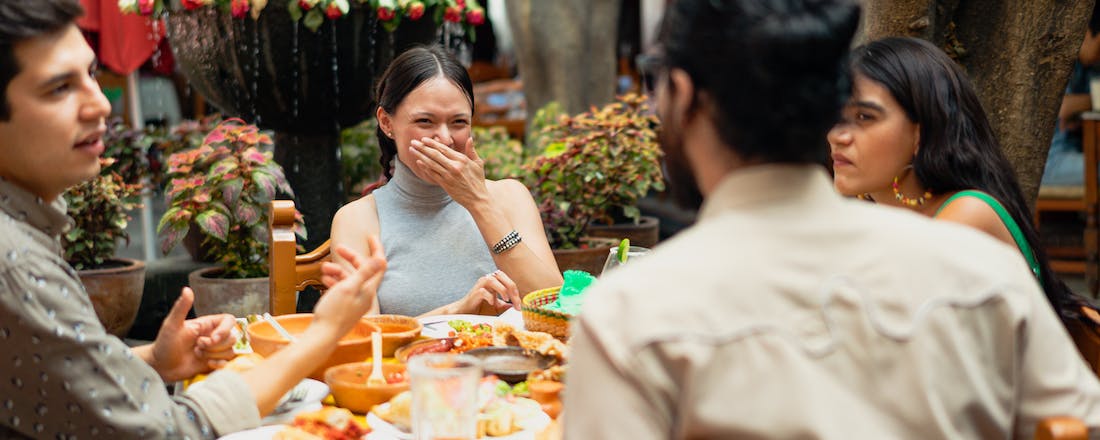
Group of friends dining out in Mexico by Los Muertos Crew

A small courtesy makes dining in Mexico feel welcoming from the off: strangers wishing one another provecho (enjoy your meal). You will hear it both as people pass your table on the way in and as they head out, and it sums up the easy politeness of daily life here. If you are not sure how to answer, a simple gracias (thank you) always works, and igualmente (likewise) is just as natural.


Cultural differences in Mexico

A handful of everyday cultural differences in Mexico tend to catch newcomers out, and tipping (la propina) is top of the list. Service staff often earn very little, and a good tip means a lot. Around 10 to 15 percent is normal in restaurants, and you will also tip the attendant who pumps your petrol, the person who bags your groceries, the pensioner who waves you into a parking space, and plenty of others besides, few of whom draw a salary. Keep small change on you; you will reach for it far more often than you would back home.

Mexico is also a loud country, and that surprises a lot of people. Church bells, street music, fireworks set off at odd hours, the neighbour’s sound system: all of it is part of daily life, especially around the countless local fiestas. It rarely takes long to get used to the soundtrack.

Cost of Living in Mexico


Religion in Mexico

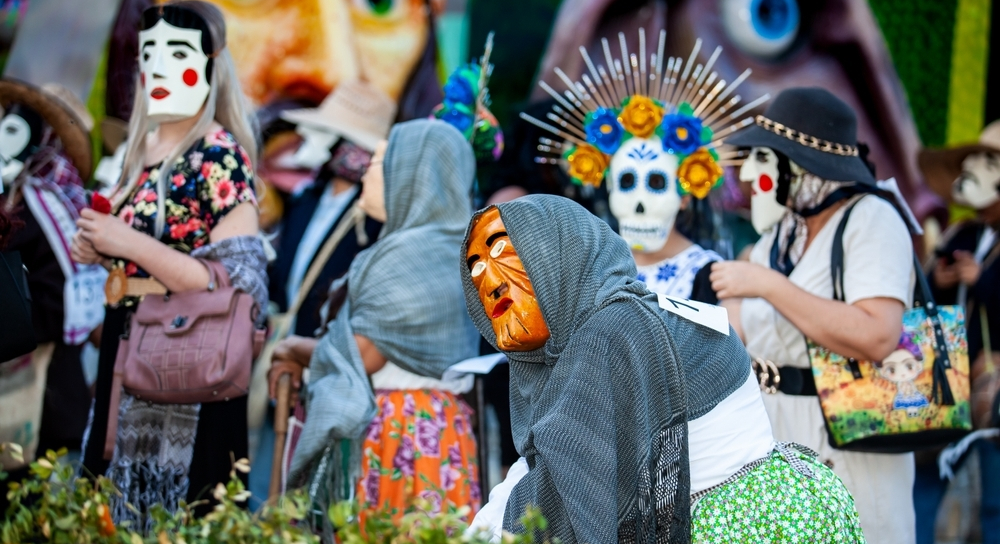
Xantolo Celebration in San Martin Chalchicuautla

Where religion in Mexico is concerned, most people take a tolerant view. Locals tend to be relaxed about other faiths and ways of living, and the bigger cities have places of worship for a wide spread of religions. You can practise your own faith openly and without fear of reprisal.

For all that, the culture is predominantly Roman Catholic. You see it in the calendar of Catholic holidays and fiestas, and in the religious imagery and altars you will find even on government property. Catholicism’s grip has loosened over the decades as Protestant and evangelical churches have grown, and you will meet both more widely than you might expect, even in smaller cities. In many Indigenous communities, Catholic practice is also woven together with older traditions, so faith here is rarely one single thing.

Religious festivities are a regular feature of the calendar, and outsiders are welcome. Throw yourself in, and you will get a feel for the culture quickly and make local friends along the way. Be ready for the flip side, too: these celebrations can snarl up the traffic and derail your plans for the day.


Communication in Mexico

Communication in Mexico has one defining feature: people are unfailingly polite, and they would rather not disappoint you. Someone may assure you that something is possible when it is not, or that it will happen when it never does. Few people will admit to not knowing an answer to a question, and they might reply with their best guess instead.

It is less of an issue with people who have lived in the United States or who deal with foreigners often, but even then, treat a quick ‘yes’ with caution and get a second opinion on anything that matters.

Doing Business in Mexico


Bureaucracy in Mexico

Bureaucracy in Mexico is something of a rite of passage. Open a bank account, buy property, sort out a visa, or settle any other legal matter, and the stack of documents and signatures can feel never-ending and faintly absurd.

Hang on to every piece of paperwork, because you will almost certainly need it again. Many documents are considered legal only when they bear an official stamp or signature.

Some of this has moved online; the tax authority, for one, now runs much of its business digitally. The stamps and in-person queues, though, are far from gone.

Banking, Money and Taxes in Mexico 
Visas for Mexico


LGBTQ+ in Mexico

LGBTQ+ people in Mexico are on solid legal ground. Same-sex marriage has been legal in every state since 2022. Anti-discrimination protections go back further still, and a federal ban on conversion therapy followed in 2024.

The law is progressive, but social attitudes have not always caught up. If you are transgender and heading for a rural or more conservative area, keep the possible safety concerns in mind. The big cities are far more relaxed: Puerto Vallarta has been one of the country’s most openly gay friendly resort towns for years, and Mexico City and Guadalajara are every bit as welcoming.

LGBTQ+, Diversity and Inclusion in Mexico


Family in Mexico

Family in Mexico is everything, and family duties routinely come before work. Households can look bewilderingly extended to an outsider, and although that is changing over time, large families still often live under one roof.

At times, the sheer size and closeness of Mexican families may leave you feeling like an outsider. People love being together, and they call close friends hermanos (brothers) and hermanas (sisters) out of affection, which can make it hard to work out who is related to whom.

Traditionally, young couples moved in with their in-laws and started having children early, and they would not move into their own place until later. This is gradually changing among present-day households, and extended families increasingly live in separate homes.


Women in Mexico

Women in Mexico are gaining ground in a society that has long been patriarchal. Gender equality has come a long way, but gender-based discrimination still surfaces in social and working life. Lawmakers have responded: employers must now train their staff to help prevent and address violence against women at work.

More women are moving into senior management and political leadership, too. Under gender parity laws, women now hold close to half the seats in Congress, and the cabinet shows a similar balance. In 2024, Claudia Sheinbaum became the country’s first female president.
Gender Equality and Women in Leadership in Mexico

Articles about Mexico

Cost of Living in Mexico

The cost of living in Mexico is affordable compared to its North American neighbours. The capital, Mexico City, is much pricier than the rest of the country, and its cost of living is on the rise.

Many foreign retirees still find that their pensions stretch much further in Mexico than they would back home. Money is only part of the draw; the relaxed, high-quality lifestyle counts for plenty too, and Mexico has grown increasingly popular with people relocating abroad.

Where you settle decides much of your budget. Country towns let you live on very little, while city life costs a fair bit more.


Cost of accommodation in Mexico

Accommodation in Mexico will likely be your largest monthly outlay. Property prices and rents differ sharply between regions. You will generally get good value for money renting or buying, especially in rural areas. Cities, resort towns, beachfront spots, and the sought-after urban neighbourhoods tend to cost more.

Both furnished and unfurnished places are available. Houses and apartments often come with fully fitted kitchens, which can keep your start-up costs down. Most long-term rentals exclude utilities from the monthly rent, but these bills are still affordable and rarely dent the budget.

One shift is hard to miss in the capital. Central neighbourhoods such as Roma, Condesa, Juárez, and Polanco have drawn waves of remote workers since 2020, and rents there have climbed sharply. The squeeze has sparked local protests over housing, and the city government has moved to rein in steep annual increases. If you are house-hunting in these pockets, expect to pay a premium in a market with stiff competition.

Accommodation in Mexico


Cost of transport in Mexico

Transport in Mexico is cheap and wide-reaching. There are bus links between most towns, so you can criss-cross the country without owning a car.

Plenty of towns are walkable or easy to cover by bike, which costs little or nothing and does your health a favour. You will have more freedom with your own car, though. If you go that route, budget for the vehicle itself, since new cars are expensive, and then for fuel, insurance, upkeep, and the annual emissions check.

Ride-hailing has taken over in the bigger cities. Apps like Uber and DiDi are cheap and simple to use, and they let newcomers skip the haggling that comes with flagging a street cab. Plenty of residents use them instead of running a car at all.

Transport in Mexico


Cost of groceries in Mexico

Groceries in Mexico tend to surprise newcomers in the best way. Your weekly shop will usually come in well below what you would pay in Western Europe or North America. Shopping at local markets and small grocers, rather than at supermarkets oriented towards international residents, will allow your budget to stretch further.

Fresh produce is everywhere, and much of it comes straight from the country’s farmland, so you can eat well for very little. Staples such as rice, beans, and corn products are particularly inexpensive. Imported goods carry a higher price tag, but local equivalents are easy to find and kinder on the wallet.


Cost of entertainment and eating out in Mexico

Entertainment and eating out in Mexico will be affordable, no matter your budget. Costs run well below what you would pay back home, and you will find options at every price point. Cultural outings won’t cost you much. Museums and historic sites are inexpensive to visit, and several major national museums are free on Sundays.

Eating out is a national pastime, and the range is huge. You might eat at a street stall one night and a high-end restaurant the next. Street food is where the real bargains and the real flavour sit; for a few coins, you can eat well at a busy taco stand. Mid-range restaurants are reasonably priced, and even in tourist districts, you can dig out places that punch above their price.


Cost of education in Mexico

Education in Mexico starts with a free public system; you cover only school supplies and textbooks. Many foreign families still lean towards private and international schools for the stronger teaching and better facilities. Plenty of private schools teach a familiar curriculum in your home language, which softens the move for your children. You will find American, British, IB, French, and other national curricula on offer, mostly in the larger cities.

International schools also throw together children from around the world, which is part of the draw. Bilingual schools are relatively affordable, whereas the premium international academies cost much more. Most foreign parents still reckon it money well spent.

International Schools in Mexico 
Education in Mexico


Cost of healthcare in Mexico

Healthcare in Mexico has two tiers, public and private, and the gap between them is wide. Public facilities can be genuinely good in the big cities, although they can be stretched and slow in rural areas. Most foreign residents lean towards private hospitals, which cost more but tend to move faster.

On an international medical scheme, check that your policy covers the exact hospital you plan to use; networks are narrower than you might expect. Costs mount fast once you add up appointments, medication, tests, and follow-up care, so it pays to compare insurers carefully before you commit.

One option many newcomers miss: once you hold a temporary or permanent residency card, you can buy into the public IMSS system voluntarily for a modest annual fee. It will not cover pre-existing conditions, and some treatments have waiting periods, so read the terms closely. There is also IMSS Bienestar, the free public service that replaced the earlier INSABI scheme, although waits can be long.

Healthcare in Mexico


Cost of living in Mexico chart

Prices are listed in Mexican pesos (MXN) and may vary depending on the product and service provider. The list below shows average prices for Mexico City in June 2026.

Accommodation (monthly rent)
One-bedroom apartment in the city centreMXN 20,100
One-bedroom apartment outside the city centreMXN 13,000
Three-bedroom apartment in the city centreMXN 46,000
Three-bedroom apartment outside the city centreMXN 23,500
Shopping
Eggs (dozen)MXN 55
Milk (1 litre)MXN 35
Rice (1kg)MXN 35
Loaf of white breadMXN 45
Chicken breasts (1kg)MXN 170
Cheese (500g)MXN 100
Eating out
Three-course meal for two at a mid-range restaurantMXN 900
Big Mac MealMXN 185
Coca-Cola (330ml)MXN 28
CappuccinoMXN 80
Local draft beer (500ml)MXN 60
Utilities
Mobile phone monthly plan with calls and dataMXN 480
Internet (uncapped ADSL or cable, average per month)MXN 555
Basic utilities (average per month for a standard household)MXN 1,285
Transport
Taxi rate (per kilometre)MXN 8.50
Bus/train fare in the city centreMXN 6
Gasoline/petrol (per litre)MXN 25

Work Permits for Mexico

Work permits for Mexico are more the employer’s job than the employee’s, which comes as a relief to most applicants. To earn a living there, you need a work visa or a permanent residence visa that allows paid activity, and your company handles most of the process.

Remote workers and freelancers fall outside this system, because there’s no Mexican employer to sponsor them. Most enter on a visitor permit for short stays, or take the temporary residence route on economic solvency if they want to settle in for longer.


Work visas in Mexico

Stamped passport with visa approval by Nataliya Vaitkevich

To be granted a work visa in Mexico, an expat must have a job offer in place. This is because Mexican companies need permission to employ foreign workers. Expats may first enter Mexico on a tourist visa to familiarise themselves with the job market, network, and find employment. Alternatively, expats can find a job in Mexico from their home country.

 Before they can sponsor anyone, the company itself must be on the National Migration Institute’s register of employers, the Constancia de Empleador. A firm that has never hired a foreigner may need to sort that out first, which adds time.

Once they have received and accepted an offer of employment, the employer in Mexico will apply to the National Migration Institute to get permission to hire a non-Mexican employee. The process is not in the hands of the expat, so they must wait until the application has been confirmed.

Once the application is authorised, the expat must apply for a work visa, which is similar to a temporary residence permit but with permission to engage in professional activities and receive remuneration. Expats must have a passport that will be valid for six or more months.

They will also need to submit a slew of documents, including a signed letter of authorisation from the Mexican Immigration Office with the Unique Processing Number (NUT) and an offer letter. Additionally, expats must submit the Letter of Notification of Authorisation of Visa, which is received by the Mexican employer.

A work visa is a temporary resident visa, so it is meant for stays of more than 180 days. Your first card is valid for one year; after that, you renew for one, two, or three years at a time, up to four years in all.

Once you’re on the payroll, two more registrations come next: your employer signs you up for social security (IMSS), and you register with the tax authority (SAT) for a tax number. Expats entering Mexico must visit the nearest immigration office within 30 days with their visa and necessary documents to receive a residence card.

Finding a Job and Working in Mexico
Visas and Residency in Mexico

Useful links

Visa regulations are subject to change at short notice, and expats should contact their respective embassy or consulate for the latest details.

Visas for Mexico

Visas for Mexico are, on the whole, a gentle affair. You should always check current visa rules before you cross any border, and that can be a stressful business, but Mexico’s immigration policy is fairly relaxed, and a long list of nationalities enjoy free entry.

Those nationalities that do require a visa to visit Mexico should apply at their nearest Mexican consulate before arriving in the country.

There are various categories of visas that expats may apply for. The most common types of visas are:

  • tourism, business or transit visas
  • work visas
  • temporary resident visas
  • permanent resident visas

Visa-free entry for Mexico

Permanent residents, visa holders and citizens of numerous countries do not need to apply for tourist, business or transit visas, and stays shorter than 180 days. These countries include many South American countries, Canada, the USA, the UK, Schengen Area countries, and Japan.

If your nationality does need a visa, check first whether the Sistema de Autorización Electrónica (SAE) will suffice instead. Some passport holders flying in for tourism, business, or transit can apply online for this free electronic authorisation rather than queue at a consulate. It covers air arrivals on participating airlines only, not land or sea crossings, and it is good for a single entry. Apply through the National Migration Institute before you book a non-refundable ticket, and keep the printed approval with your passport, as the airline and immigration officers will both ask for it.

You’ll need a passport that is valid for the length of your visit. Although there’s no Mexican law about its validity, some airlines require your passport to be valid for six months, so check before you book.

Immigration authorities may request certain documents confirming plans and finances for the stay, including a travel itinerary, a business letter or a letter from an educational institution in Spanish.

Officers set the length of each stay on a case-by-case basis, and people who duck out and back to reset the clock are increasingly questioned at the desk. If you want the longer end of the 180-day range, carry a return ticket and proof of where you’ll stay, and tell the officer how long you plan to stay before they write the number down.

Your entry must also be registered. At most airports, the old paper Multiple Migratory Form (FMM) has been replaced by a stamp in your passport that shows how many days you may stay, up to 180. You just download the digital FMMd as your record once the officer admits you. The paper form is still used at some land crossings.

Useful links


Tourism, business or transit visas for Mexico

visa application

The tourism visa is suitable if the reasons for travel to Mexico include tourism, sports, artistic or religious activities, transit, or business reasons. This visa is for visitors who are not authorised to engage in lucrative activities. Expats working in Mexico must get a work permit.

If new arrivals are entering as tourists or business visitors for a short stay of up to 180 days, this is the best choice of visa.

Applicants may need to show financial records to prove economic solvency, as well as documentation to prove the purpose of their travel. The documents necessary depend on the reason for the visit. They could include a letter of invitation from an organisation to participate in unremunerated activities, or an acceptance letter from an educational institution for courses that are less than 180 days.

For those entering Mexico for tourism purposes, you’ll need return tickets, an itinerary and confirmation of a hotel reservation. You may also be asked to attend a short interview at the nearest Mexican embassy or consulate. The officer will want to know why you’re coming and for how long, and whether you can pay your own way while you’re here.

If you were given a paper FMM, hand it back when you leave and pick up a fresh one on your next entry. Where your stay was recorded as a passport stamp instead, that stamp does the same job, and your airline will check it before you board.

Dependants

Family members or children dependent on the main applicant must apply for a visa alongside them and need only prove their relationship rather than supply financial records for economic solvency.

Visas for minors under the age of 18 must be signed by both parents or legal guardians, or at least one legal guardian, provided documents proving their full parental authority or the absent guardian’s authorisation.

Work Permits for Mexico

Useful links


Temporary resident visas for Mexico

The Temporary Resident Visa is the most common visa for expats employed in Mexico and their dependants who intend to live in the country for more than six months but less than four years.

Applicants for a temporary resident visa must normally provide proof of employment and comply with the stipulations of the visa and work permit.

Most of these routes ask you to prove ‘economic solvency’, which simply means evidence that you can support yourself, through income or savings. Consulates set these thresholds as multiples of Mexico’s official accounting unit, the UMA. The figures change a little each year and from one consulate to the next, so confirm the current one with the office where you’ll apply.

Expats are required to apply for a Temporary Resident Visa at a Mexican consulate before arriving in the country. Once arriving in Mexico, the visa holder must visit their nearest immigration office within 30 days to have their visa replaced with a Temporary Resident Permit card.

The first card is issued for one year. After that, you renew for one, two, or three years at a time, up to four years in total on temporary residence, after which permanent residence is the next step.

Student temporary resident visas

Students staying in Mexico for less than 180 days can apply for a tourism, business or transit visa. If attending an educational course that runs for longer than 180 days, a student temporary resident visa is needed.

Students studying courses or conducting research through Mexican higher education institutions must provide their acceptance letter and financial records or proof of acceptance of a Mexican scholarship to demonstrate that they can support themselves during their stay.

Within 30 days of arrival, students must apply to the National Migration Institute for their residence card.


Permanent resident visas for Mexico

visa stamps

The Permanent Resident Visa doesn’t need extensions and is for expats who plan to live in Mexico permanently. One perk: under Mexico’s foreign investment law, a permanent resident’s investments count as Mexican investment.

This visa is most common for retirees in Mexico or those with close family ties in the country. You can sometimes skip temporary residence and go straight for permanent residence, but since 2025, that direct route is mainly open to those who qualify as retired or pensioned, or who apply through family ties. Most other applicants first build up four years of temporary residence.

Like with temporary residence, visa holders must visit the nearest immigration office within 30 days to receive their residence card.

Family unity

Dependants and family members may apply for permanent residence at the embassy, accompanied by the permanent resident or Mexican citizen. A foreign spouse of a Mexican citizen usually holds temporary residence for two years, then applies for permanent residence at the National Migration Institute.

Where the sponsor is a foreign permanent resident rather than a citizen, the wait tends to be longer. Foreign parents of a child born in Mexico have a shorter path of their own: they can apply for permanent residence through family unity without the temporary stage.

Useful links

Visa regulations are subject to change at short notice, and expats should contact their respective embassy or consulate for the latest details.

Pros and Cons of Moving to Mexico

Moving to Mexico means settling into a country with a fascinating history and artistic and culinary traditions. UNESCO lists its food as Intangible Cultural Heritage, and the country holds 36 UNESCO World Heritage Sites, more than any other country in the Americas. The north is a dry desert, the south is a dense rainforest, and thousands of miles of coastline lie in between.

The media and Hollywood tend to focus on two extreme perceptions of Mexico: its violent drug crime or its sun-soaked, luxurious lifestyle. Moving to Mexico involves much more than these two extremes. Residents may face culture shock, difficulty finding employment, or difficulties doing business, but will soon find that the country rewards them in turn. Spanish and indigenous heritage shows up everywhere, above all in the food. It shapes the festivals that crowd the calendar, and it sets the unhurried pace of ordinary days.

Here is a list of the pros and cons of moving to Mexico.


Lifestyle and culture in Mexico

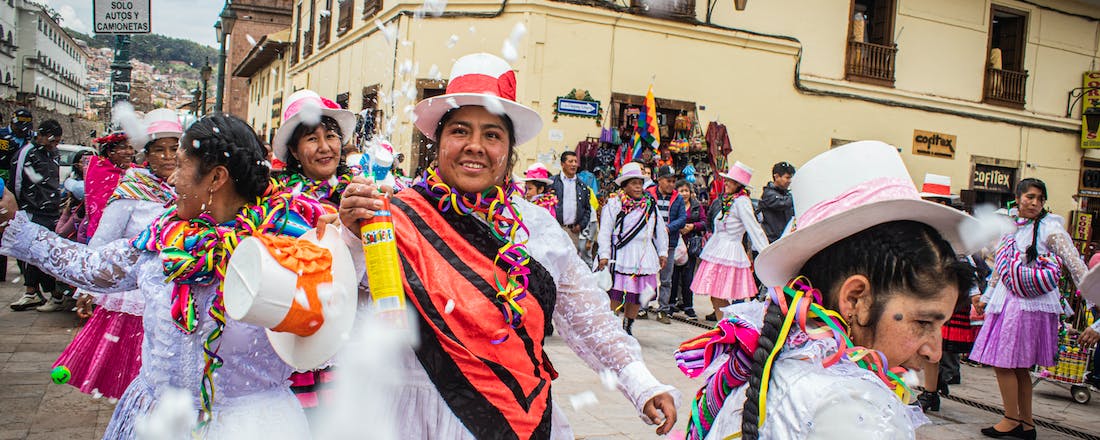
Mexican parade festival by Jhon Angel Casco Conde

+ PRO: Warm and welcoming people

There’s no need to worry about making local friends in Mexico: the people are generally as warm as the climate, and foreigners are usually treated well. Most Mexicans are happy to help, including in bureaucratic settings, if expats are polite in turn.

+ PRO: Rich in cultural celebrations and cuisine

Traditional Mexican culture is very much alive today. It shows in the striking architecture of countless cathedrals and in celebrations like the colourful Día de los Muertos, which fills the streets with bright costumes and the iconic calaveras (skulls). Street food is a daily pleasure as well as a festival one, and the cocktails are made with proper tequila.

- CON: Language barriers complicate many aspects of life

The most commonly spoken language in Mexico is Spanish, but much to the surprise of many new arrivals, the government recognises 68 more indigenous languages. Expats who don’t speak Spanish may have difficulties in dealing with the authorities, doing business, or securing accommodation in Mexico.

Even Spanish speakers may need to pick up local slang and expressions. That said, expats can see learning Spanish as an opportunity to gain new knowledge and better integrate into their new home.

- CON: Patience is fundamental

Time is but a social construct, and the concept of time is likely to differ from that in an expat’s home country. Few things stick to a set time, and the pace of life in Mexico is slow, which can be frustrating for both foreigners and locals. It’s important to stay calm and not lose one’s patience.

+ PRO: Fascinating history

One of the main reasons tourists come to Mexico, beyond the weather and the scenery, is its history. Visitors and expats can explore Aztec and Mayan ruins and learn remarkable and sometimes shocking stories of indigenous groups and the Spanish colonisation.

Weather in Mexico 
Local Culture in Mexico


Visas in Mexico

+ PRO: Lax visa policies

Mexico opens its borders visa free to passport holders from Canada, the US, many South American countries, the UK, the Schengen Area, and Japan. The permit allows up to 180 days, but that is the maximum; the officer at the port of entry decides the actual number, which can be 30 or 90 days. For longer stays and other foreign nationals, though, visa and work permit applications are necessary.

Remote workers should note that Mexico does not have a standalone digital nomad visa. Most use the Temporary Resident Visa instead, which is granted on the basis of proof of income or savings and is renewed each year.

- CON: Bureaucracy and paperwork can get overwhelming

Much to the dismay of expats and Mexican citizens, administrative processes may take time, and paperwork can be confusing. New arrivals often need to check that their qualifications are recognised and certified in Mexico, depending on their field of work, while tasks like opening a bank account often require documents to be translated into Spanish.

Visas for Mexico 
Work Permits for Mexico 
Banking in Mexico


Transport and driving in Mexico

+ PRO: Efficient and diverse transport networks

When travelling around Mexico and within its cities and towns, there are many options. Some cities are walkable, but expats may prefer to have a car in others. Mexico City has one of the largest metro networks in the Americas, and Guadalajara and Monterrey have light rail lines too. Ride-hailing apps such as Uber and DiDi are easy to use and widely available, and first-class coach companies like ADO offer comfortable, affordable travel between cities.

- CON: Driving restrictions in urban areas

There are limitations and regulations for vehicles in major urban areas like Mexico City to reduce traffic and pollution, so getting around by car may not always be the most convenient. Expats should check the rules for their specific area to see whether they apply to their vehicle.

Transport and Driving in Mexico


See and do in Mexico

+ PRO: Diverse natural environments

What isn’t there to see and do in Mexico? It is a big country that crosses several time zones, and the scenery changes just as much from place to place. The adventurous can go hiking and explore the flora and fauna in rainforests, while others can relax in natural hot springs or along the warm coastline.

- CON: Vigilance is needed when out and about

Whatever expats get up to, whether it’s tourist and leisure activities, taking a drive out of town, enjoying a celebration, or going about their day, they should keep an eye on safety. Most residents find the day-to-day reality far calmer than the country’s reputation suggests, although it pays to track local advisories. There are natural hazards as well: earthquakes are a genuine risk, and the coasts have a hurricane season between June and November.

Safety in Mexico


Cost of living in Mexico

+ PRO: Foreign incomes can stretch further in Mexico

Expats from high-income countries such as the US and Canada often find that the cost of living in Mexico can afford them a relatively luxurious lifestyle.

- CON: Not everything is cheap

Don’t move to Mexico believing that everything is automatically cheaper. Popular expat and tourist areas have grown pricier, partly because remote workers have poured into hubs like Mexico City’s Roma and Condesa, and upmarket beachside condos cost far more than most budgets will allow. Credit cards also charge high interest, and big purchases must be planned accordingly.

Cost of Living in Mexico


Healthcare in Mexico

+ PRO: Affordable private care and a public system expanding toward universal coverage

Residents and tourists in Mexico can affordably access medical care, a drawcard that lures many Americans. Insurance packages are also available at great prices. Employed expats are enrolled automatically in IMSS, the country’s main public health institute, and non-working residents can opt in voluntarily. Mexico is now consolidating IMSS, ISSSTE, and IMSS Bienestar into a single Universal Health Service. The new health credential is intended to cover eligible foreign residents as well as citizens.

- CON: Quality of public healthcare is not standard

While there are excellent hospitals and clinics, a visit to a public hospital does not guarantee high standards, as quality varies considerably between states. High standards are also difficult to find in rural areas, and expats should secure health insurance that covers repatriation expenses. Embassies in Mexico are likely to provide information on the best hospitals to go to. Private care is a different story: the country’s private hospitals are first rate, especially in the larger cities.

Healthcare in Mexico


Accommodation in Mexico

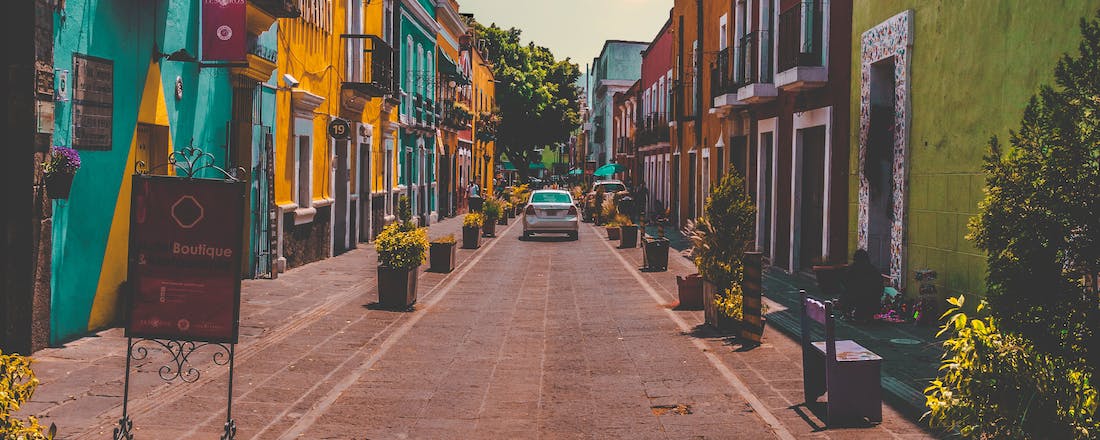
Colourful painted homes in Mexico by Raul Juarez

+ PRO: Accommodation options to suit any budget

Those looking for luxurious living can often find villas, haciendas, and stylish condos. Expats on a budget can find a comfortable house or apartment without much trouble. Online portals, social media, networking, and a drive around prospective neighbourhoods can all turn up viable options.

- CON: Securing a lease may seem complicated

Landlords don’t always ask for proof of employment or reference letters, but many do want a fiador, a guarantor who owns property locally. Few new arrivals can provide one. There are standard ways around it though: most foreigners satisfy the requirement with a póliza jurídica, a paid legal guarantee policy, or by paying several months’ rent upfront. Tenants should make sure they understand the lease and hold a copy in Spanish.

Accommodation in Mexico


Shipping and removals to Mexico

+ PRO: Expats can import household goods duty free

While furnished accommodation options, as well as furniture and appliances, are readily available, expats who want a taste of home can import personal items duty free. Mexican Customs allows this procedure once, and the shipment can arrive in a time window from three months before the owner’s first entry up to six months after it.

- CON: Complicated shipping regulations tied to visas

Bringing household possessions into Mexico comes with rules. Temporary residents must export their items again when they leave, which adds paperwork and stress. Most people who attempt it end up hiring a customs broker or a relocation company.

Shipping and Removals to Mexico 
Relocation Companies in Mexico


Education and schools in Mexico

+ PRO: Excellent private, bilingual, and international schools

Expats moving with children will find a wide range of schooling options to suit their language and preferred education system. There are international and private schools that offer the American, British, Japanese, and International Baccalaureate programmes, sometimes alongside the Mexican curriculum, and there are French and German schools in the larger cities. The breadth lets children carry on in a familiar system.

+ PRO: Inclusive education

Mexico is working towards inclusive education to ensure that students with disabilities get the help they require in regular classroom settings. Parents concerned about special-needs education in Mexico can contact their school directly to enquire about the kind of support available.

- CON: Public schools are not up to scratch

Although public education in Mexico, from primary up to some tertiary institutions, is free, many schools fall short of the standards expats may expect, given underpaid teachers, insufficient resources, and high dropout rates.

International Schools in Mexico 
Education and Schools in Mexico


Working and doing business in Mexico

+ PRO: Nearshoring has created a strong demand for skilled workers

Working and doing business in Mexico has rarely looked more inviting, and the reason is nearshoring. As manufacturers want to shorten their supply chains and move production closer to the United States, demand for skilled professionals in Mexico has climbed, from production engineers to bilingual managers.

The industrial north, Monterrey above all, has attracted foreign firms for years, and the Bajío region around Querétaro and Guanajuato is now a manufacturing heartland in its own right. Mexico City is popular with remote workers and startup founders, and newcomers can find their footing through chambers of commerce and industry events.

- CON: Business moves at the speed of relationships

Business deals in Mexico tend to follow trust rather than create it. A round of meetings and a shared meal or two will usually come before any contract is signed, and that unhurried pace can be frustrating for newcomers who expect to move quickly.

Working in Mexico


Safety for expats in Mexico

- CON: Avoid certain areas

Danger in Mexico is local, and it varies enormously from one state to the next. A handful of states are under the highest government travel warnings. As in any large city, petty crime is more common in certain districts and after dark. Expats can enhance their safety by staying informed about local news and advisories, avoiding risky areas, and practising common-sense precautions.

+ PRO: Expat areas are generally safe

Millions of expats safely enjoy Mexico’s culture and natural beauty, and most find it a welcoming, rewarding place to live. Popular destinations like Mexico City, Cancún, and Mérida are generally safe, and their communities are varied and welcoming to outsiders. Many expats choose gated communities for the extra security and the sense of belonging they offer.

Weather in Mexico

The weather in Mexico is as varied as the terrain itself: tropical coastlines, barren deserts, frosty peaks, and lush valleys. Altitude is the reason. In much of the country, the altitude you live at has a greater impact on the climate than the time of year. Mexico’s climate is often called tropical, and most of the country is sunny for much of the year. That label is too simple though, because the arid north and the high central plateau have climates that are vastly different from the steamy coasts.

Mexico’s Pacific (west) coast has a moderate, fairly dry climate. Winters average a comfortable 66°F (19°C) and summers around 77°F (25°C), although these are broad figures across a long, varied shoreline. The further north you go, the hotter the summers get.

Unlike the mild Pacific coast, the Sonoran Desert is noticeably wetter. Most of its rain falls from July to September. Winters are around 53°F (12°C), and summer temperatures are often above 104°F (40°C); near the lower Colorado River, they can be over 120°F (49°C).

The Chihuahuan Desert to the east is higher up, so its summers are a little milder than the Sonoran’s. Winters are around 50°F (10°C). Summer days are still hot, often above 95°F (35°C). Nights are far cooler, though, thanks to the high elevation. The rains come in July and August, when thunderstorms break the long dry spell.

Around Mexico City and other high ground, the difference between day and night temperatures in the Tierras Frías (cold lands) is dramatic. Winters are often as low as 45°F (7°C), and summers are around a mild 77°F (25°C). The capital itself is about 7,350 ft (2,240m) up, so if you are moving from sea level, give yourself a week or two to adjust to the thinner air. These cold lands are not unique to Mexico City; you will also find them on high ground in states such as Puebla, Oaxaca, the Toluca valley, and the Sierra Madre.

The middle elevation band that is called the Tierras Templadas (temperate lands) is home to many of Mexico’s colonial cities, among them Guadalajara, Querétaro, Oaxaca City, and San Miguel de Allende. Temperatures range from about 60°F (16°C) in winter to 75°F (24°C) in summer. The mild, dry air is a big part of why so many foreign residents put down roots here.

The Tierras Calientes (hot lands) are mainly along the coastal plains. They are hot all year and humid through the rainy season, from May or June to October or November. Temperatures average between 90°F (32°C) and 95°F (35°C) year round. For many newcomers, the humidity is harder to get used to than the heat itself; on the stickiest days, the air feels far hotter than the thermometer reads.

Rain in Mexico falls mostly between June and November; the rest of the year is relatively dry. The flip side is a long, settled dry season from about November to April. Many residents rate it the country’s most comfortable stretch, and it is exactly when winter visitors flock to the coast. Hurricane season is part of the same wet stretch. On both coasts, it lasts from June to November. Pacific storms are at their worst in late August, and those in the Atlantic and Caribbean around mid-September.


Diversity and Inclusion in Mexico

Diversity and inclusion in Mexico go back a long way. Indigenous nations were here long before Spanish colonisation began in the sixteenth century, and migration in the centuries since has added communities of European, Middle Eastern, Asian, and African descent. Mexico officially recognises 68 indigenous peoples and 364 linguistic variants, and many of those languages are still spoken every day.

Newcomers are often struck by how class-oriented the country is. Class counts for a great deal, and it bears on economic opportunity and expected behaviour more than many expats anticipate. This guide walks you through the aspects of diversity and inclusion you are most likely to meet in Mexico.


Accessibility in Mexico

The standards of accessibility in Mexico vary quite a bit, particularly between urban and rural areas. Major cities such as Mexico City and Guadalajara have worked to improve accessibility for people with disabilities. In rural areas, progress has been slower, and many regions still have significant accessibility challenges.

The Mexican government’s National Council for Development and Inclusion of Persons with Disabilities (CONADIS) is responsible for promoting accessibility and advocating for inclusive policies and practices across the country’s public services. The country’s main legal framework is the General Law for the Inclusion of Persons with Disabilities, in force since 2011 and aligned with the UN Convention on the Rights of Persons with Disabilities, which Mexico ratified in 2007.

Public transport in Mexico has seen real investment, especially in Mexico City. The metro has added tactile paving for visually impaired passengers and wheelchair-accessible entrances at many stations, although not every station has a lift, and the lifts that are there can be unreliable. The Metrobús rapid transit network tends to be more consistently accessible. It has level boarding and dedicated spaces for wheelchair users.

For door-to-door journeys, ride-hailing apps such as Uber and Didi are widely used and often the easiest option, since the purpose-built accessible taxis in the larger cities can take time to arrange. Standards drop sharply outside the big cities, so research your specific destination before you commit to it.

Public Transport in Mexico

Useful resources


LGBTQ+ in Mexico

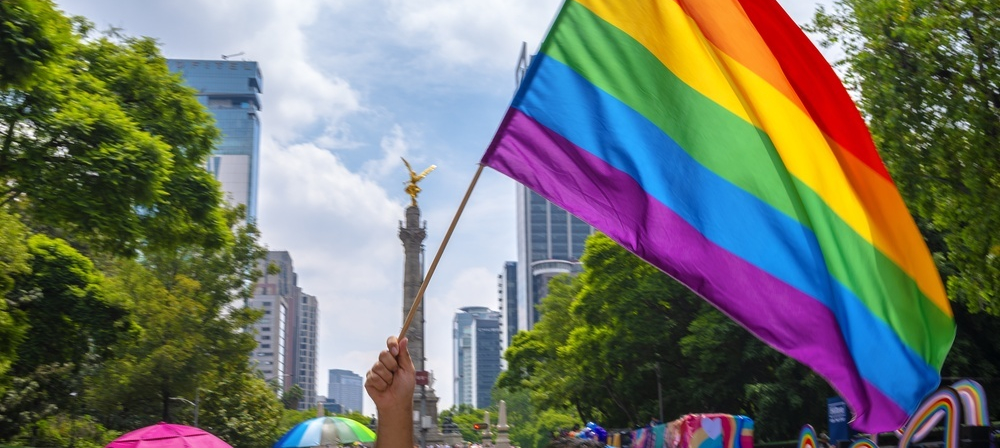
Pride Flag in Mexico City by Jorch R Orrantia on Shutterstock

Living as an LGBTQ+ person in Mexico has changed dramatically in a short time. Since 2009, Mexico City has led the way in legalising same-sex marriage in the country, and since then, the rest of the states have followed suit. As of 31 December 2022, all 32 Mexican states recognise same-sex marriage. Nationally, anti-discrimination laws protect individuals against prejudice based on sexual orientation and gender identity.

Same-sex sexual activity has not been a crime since 1871. The Supreme Court established in 2016 that same-sex couples cannot be barred from adopting, although some states have been slow to update their procedures. Conversion therapy is a federal crime in Mexico.

Transgender people can change their legal gender through a straightforward administrative process in most states, and 22 of the 32 now grant it on the basis of self-declaration. Mexican passports have offered male, female, and X markers since 2023.

Societal attitudes do not always align with the legal advancements. There is persistent homophobia and transphobia in some sectors, especially in more conservative and rural areas. There are significant barriers for transgender people, in particular. Gender-affirming healthcare is mostly accessed privately, as there is limited public provision.

The big cities have a lively LGBTQ+ scene of their own. Mexico City and Guadalajara hold major Pride events each year, and the capital’s march is among the biggest in the world. Its Zona Rosa is the country’s best-known gay district. Puerto Vallarta, and its Zona Romántica in particular, has become Mexico’s de facto gay capital, and it draws a large community of residents and visitors all year round.

Useful resources


Gender equality in Mexico

Progress on gender equality in Mexico has been real but uneven. Legislation has aimed at equal rights between the sexes. Women insured by the Mexican Social Security Institute receive 12 weeks of maternity leave at full pay. Fathers, by contrast, get just five working days.

In 2021, the Supreme Court ruled that it is unconstitutional to criminalise abortion. The decision did not legalise it everywhere overnight; more states have decriminalised it since, one by one, and federal health institutions such as the Social Security Institute must now provide the procedure. In practice, ease of access still depends on which state you are in.

There are still wide gaps in pay and economic participation. Among full-time workers, the OECD puts the wage gap at around 17 percent. The true gap is wider still, because so many women work in the informal economy, where pay is lower and protections thinner. Even with maternity rights in place, far fewer women than men hold formal jobs: women’s participation is around 46 percent, against roughly 76 percent for men.

Mexican law requires employers to put protocols in place to prevent and address gender-based discrimination, workplace violence, bullying, and sexual harassment. The federal standard on psychosocial risks at work, NOM-035, reinforces these duties and sets out measures to support victims and curb workplace violence.

Traditional gender roles are still deeply held, especially in rural areas, and gender-based violence is still a serious problem. Femicide, in particular, has become a rallying point for many women, and sustained nationwide protest has pushed several states to set up specialist prosecutors.

Useful resources


Women in leadership in Mexico

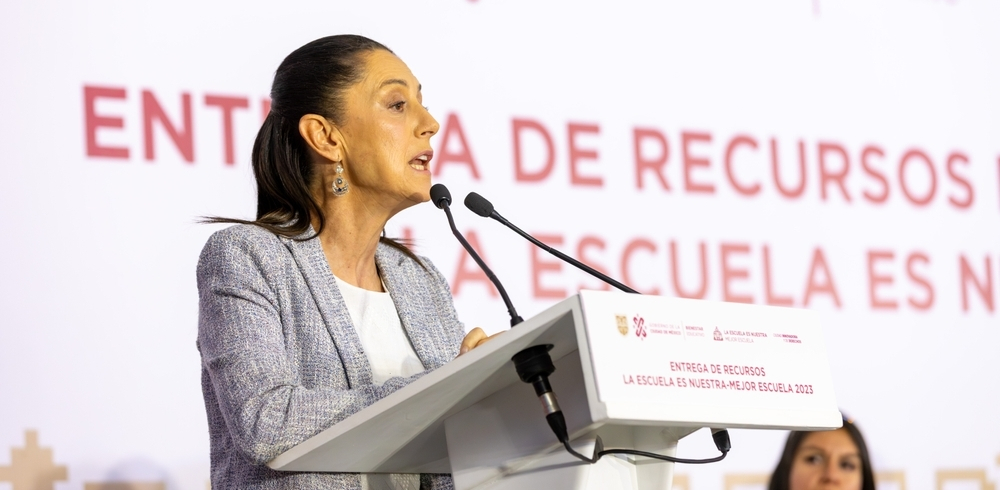
Claudia Sheinbaum Speaking by Israel Gutierrez on Shutterstock

Women in leadership in Mexico reached a milestone in October 2024, when Claudia Sheinbaum became the country’s first female president. The number of women in senior business and political roles continues to climb, but parity across every sector is still some way off.
The makeup of Mexican politics has changed nearly overnight. A 2019 constitutional reform, known as ‘parity in everything’, requires equal numbers of women and men across elected and appointed posts. Women now hold a slight majority in the Chamber of Deputies and close to half the Senate, which puts Mexico among the highest-ranked countries in the world for women in parliament. Business leadership is further behind, and there are a number of organisations and certification schemes that push for more women in executive and board roles.

Useful resources


Mental health in Mexico

Attitudes to mental health in Mexico are slowly changing, although the old stigma has not gone away. Public mental health services are under-resourced and unevenly spread. Mental healthcare provision is heavily concentrated in Mexico City, and most states have roughly one public-sector psychiatrist per 100,000 residents or fewer, which is far below the level the World Health Organization recommends.

Expats are especially at risk but generally have more tools at their disposal. Distance from home and old friendships can bring real isolation, and a career in an unfamiliar country carries pressures of its own. Substance use can become a problem too, especially where drinking is a normal part of doing business.

Most expats turn to private care, which is far better resourced than the public system and avoids long waits in the public sector. English-speaking therapists and psychiatrists are easiest to find in the larger expat hubs, among them Mexico City, Guadalajara, Mérida, and San Miguel de Allende.

Useful resources


Unconscious bias education in Mexico

Unconscious bias is increasingly recognised as a barrier to diversity and inclusion in Mexico. Some organisations are implementing unconscious bias training as part of their efforts to promote a more inclusive and diverse workplace. The Mexican government’s National Council to Prevent Discrimination (CONAPRED) provides resources on understanding and combating unconscious bias.

The Mexican standard for labour equality and non-discrimination, NMX-R-025-SCFI, certifies employers that adopt inclusive hiring and anti-bias practices, and a growing number of large firms now hold it.

Useful resources


Indigenous and racial representation in Mexico

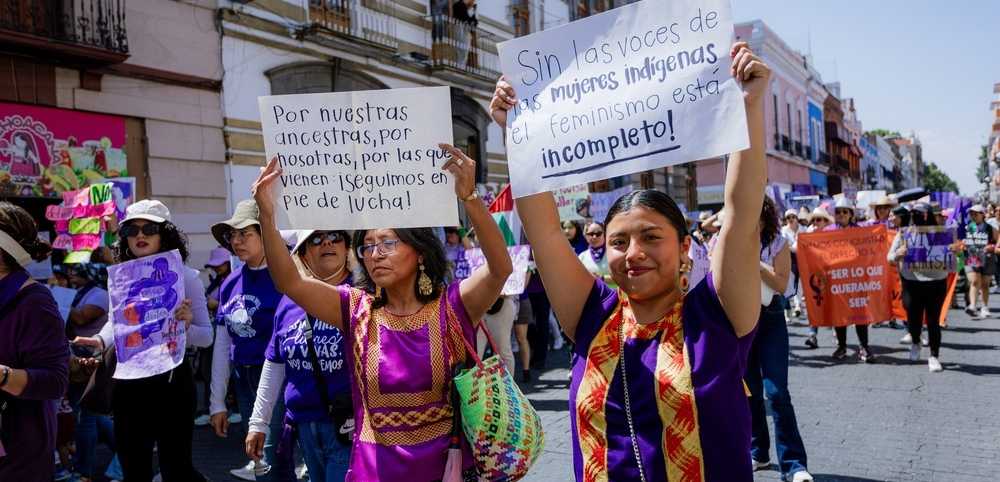
Indigenous Women Protesting in Mexico by Alejandro Munoz R on Shutterstock

Indigenous and racial representation in Mexico begins with the mestizo majority, Mexicans of mixed indigenous and European ancestry. Indigenous peoples form the largest of the country’s distinct groups. Afro-Mexicans make up another, and there are smaller communities descended from European settlers and from later waves of migration, notably Lebanese and Chinese.

Indigenous cultures are integral to Mexican national identity. Indigenous languages and art are widely celebrated, particularly during national holidays such as Día de los Muertos (Day of the Dead) and Guelaguetza, the Oaxacan festival of indigenous culture.

There are significant barriers for Indigenous groups and racial minorities in Mexico, including discrimination and unequal access to education and healthcare. The National Institute of Indigenous Peoples (INPI) is the lead federal body for indigenous and Afro-Mexican peoples. It works to defend the rights and territories of those communities and to support their cultural and economic life. The National Council to Prevent Discrimination (CONAPRED) handles discrimination complaints more broadly.

Afro-Mexican history is finally gaining formal recognition. The constitution acknowledged Afro-Mexican peoples in 2019, and the 2020 census was the first to count them. Around 2.6 million people, 2 percent of the population, identified as Afro-Mexican. The largest communities are found along the Costa Chica coast of Guerrero and Oaxaca.

Useful resources


Diversification of the workforce in Mexico

A diverse workforce matters for Mexico’s growth and social equity. Mexico has plenty of diversity, but it lacks equal reward for it. Pay and advancement still depend heavily on who you are. Women and indigenous people are underrepresented in higher-paying and senior roles, and people with disabilities face significant barriers to employment. In response, more employers have adopted inclusive hiring and professional-development schemes for underrepresented groups.

International workers make up only a small slice of the labour force; Mexico’s foreign-born population is around 1 percent of the total. In multinational firms, technology, tourism, and the northern manufacturing belt, foreign professionals are common and generally well received.


Safety in Mexico

Safety in Mexico is best understood region by region. Expats in the main hubs generally report feeling safe day-to-day, whether in Mexico City neighbourhoods like Roma and Condesa, in Querétaro, or in Mérida, which is regularly rated the country’s safest city. It pays to know which areas to avoid and to keep up with both local news and your home country’s travel advisories before and after your move.

A handful of states account for most of the violence, and much of it is tied to organised crime and the drug trade. Guanajuato has led the country in homicides for several years. Parts of the north and states such as Guerrero and Michoacán are also hard hit.

The government has created several bodies in response. The National Public Security System (SNSP) coordinates security across levels of government. The National Guard, which it launched in 2019 to tackle violent crime, has since grown to well over 100,000 members and is now under military command. National homicide figures fell sharply through 2025 to their lowest rate in roughly a decade.

But lasting safety will take more than policing. The police and courts are widely seen as corrupt, and organised crime has deep economic and political power in Mexico. The country’s severe social inequality makes both harder to tackle.


Calendar initiatives in Mexico

  • 8 March: International Women’s Day
  • 1 May: Labour Day/May Day
  • 15 May: Teacher’s Day
  • 17 May: International Day Against Homophobia, Transphobia and Biphobia
  • 12 October: Día de la Nación Pluricultural (Day of the Pluricultural Nation). Officially renamed from Día de la Raza in 2020, it now centres on Mexico’s cultural diversity and the contributions of its indigenous and Afro-Mexican communities. The older name is still widely used.
  • 20 November: International Transgender Day of Remembrance
  • 25 November: International Day for the Elimination of Violence Against Women
  • 1 December: World AIDS Day
  • 10 December: Human Rights Day

Accommodation in Mexico

Accommodation in Mexico comes in enough shapes and price brackets to suit almost anyone, and most new arrivals settle into a home that fits both their needs and their budget.

The search can still throw up surprises, so it pays to get a feel for the local property market before you start hunting in earnest.


Types of accommodation in Mexico

Apartments in Mexico by Raul Juarez from Pexels

Few places match the sheer spread you’ll find here; the types of accommodation in Mexico run from rustic ranch houses to glass-fronted condos, and prices swing just as widely. Urban housing costs considerably more than its rural equivalent, although the higher price doesn’t always buy better quality, so weigh up each place on its merits before you commit.

Do your homework, and you’ll find older colonial-style places, the kind you might share with a housemate or two, alongside roomy multifamily homes at bargain rates. Venture beyond the city limits, where rents drop off sharply, and you might even take a room in a ranch house, or hacienda, for the length of your stay.

Plenty of newcomers settle into an urban apartment block, and some splurge on a brand new condominium with every modern convenience. Arrivals from higher-income countries like the US and the UK often find their money stretches further here than at home, although that gap has narrowed in the neighbourhoods foreign residents favour most. Beachfront condos with pools are the priciest option, and they tend to be chosen by wealthy retirees; they won’t suit every budget or way of life.

Don’t assume everything in Mexico comes cheap. Rents in the usual expat areas have been climbing for years, and the main culprits are remote workers and digital nomads, who have poured into cities like Mexico City, Guadalajara, Oaxaca, and Puerto Vallarta. Locals in the most popular neighbourhoods have felt the squeeze, and the topic comes up constantly on expat forums. Lower down the market, though, you’ll still find plenty of budget options. Many young and single arrivals rent a room in a shared house or flat, an easy way to meet people and feel less adrift in a new country. Co-living spaces for nomads and short stayers have also taken hold; they cluster most thickly in Mexico City and along the Caribbean coast around Playa del Carmen.

Furnished vs unfurnished

You’ll find both furnished and unfurnished places on the market. Short stayers tend to prefer somewhere fully kitted out, while everyone else benefits from furniture that’s both cheap and easy to find, whether at big international retailers or Mexican chains. One word of caution on the word ‘unfurnished’: in Mexico, it can mean anything from a flat that just lacks sofas and beds to a genuine empty shell with no appliances or light fittings. In the worst cases, even the kitchen units are gone, and you’re left with bare plumbing where they should be. Always ask exactly what’s included before you sign, or you may inherit a costly to-do list. In the busier expat areas, landlords also market furnished flats to short-stay foreigners and charge a premium for them.

If you’re staying long term, whether for work or retirement, you might want the comforts of home around you. That can mean shipping your furniture over from your home country.

Short lets

Short lets in Mexico have boomed as tourists and digital nomads arrive and stay put for months on end. For expats, a short stay is a low-risk way to test drive a neighbourhood before you sign a long lease. They often cost less than a hotel for similar comforts, and utilities are usually folded into the price.

In 2024, Mexico City set up a compulsory host registry and set a cap that only allows a property to be let on platforms like Airbnb for roughly half the year. In practice, this can mean fewer short let options and firmer prices in the most central parts of the capital.

Useful links


Finding accommodation in Mexico

Searching for accommodation by Ivan Samkov from Pexels

Finding accommodation in Mexico usually starts online. Type ‘bienes raíces en’ followed by your chosen area, and you’ll surface pages of local listings.

You’ll also get far by asking around. Many rentals are passed along by word of mouth before they ever reach a listing site, and you can settle an informal lease with little fuss.

Don’t overlook social media. Expat Facebook groups and Marketplace are where a great many rentals in Mexico actually change hands, and longtime residents often rate them above the traditional listing sites. Once you’re on the ground and plugged into a local community, neighbourhood WhatsApp groups are another well-worn route.

You can also bring in an estate agent, who comes with local know-how and contacts. In Mexico, the landlord usually covers the agent’s commission, so you often pay nothing; this isn’t a hard rule, though, and some agents who cater to foreigners do charge a finder’s fee, so settle the question before you view anything.

If you’re fortunate, a relocation company may be handling your move on your employer’s behalf. They’ll take down your preferences and line up a shortlist of suitable properties for you to view, which spares you much of the legwork.

When you’re house hunting, especially in Mexico City, try to land somewhere within easy reach of work. The capital’s traffic is among the worst in the world, and a bad commute can tack a couple of hours onto an ordinary working day.

Some landlords will try it on with newcomers who don’t speak Spanish. Do your own digging on local asking prices first, and give every property a proper once-over: turn on the taps, flick the light switches, flush the toilets, and check the walls and ceilings for damp.

Useful links


Renting accommodation in Mexico

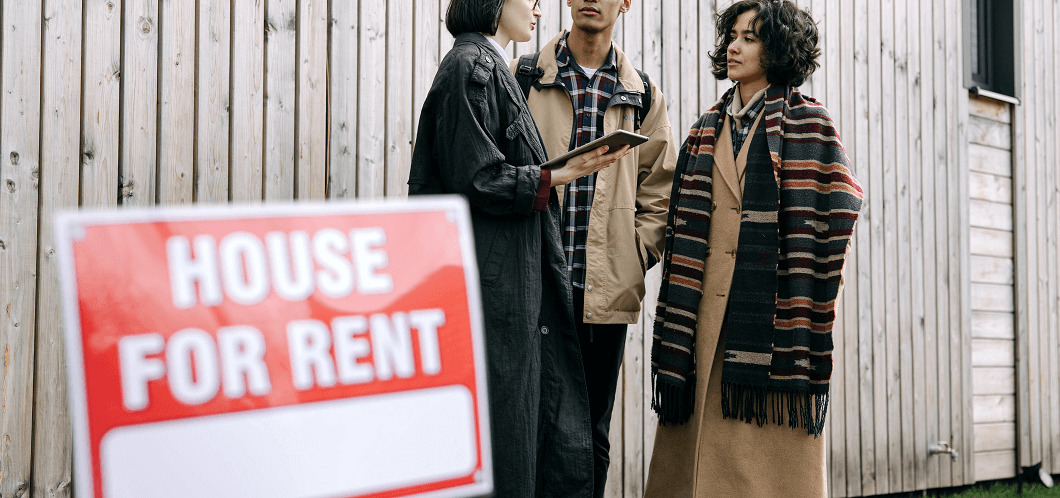
Nationwide, most Mexicans own rather than rent, yet for newcomers and in the big cities alike, renting accommodation in Mexico is simply the default. The rental market is deep and varied as a result. If you don’t speak Spanish, some agents will be harder to deal with, which can make the whole business slower and pricier.

Making an application

To land a rental, you’ll need to show who you are, that you’re in the country legally, and that you can pay; that last point is the one a landlord cares about most. Larger agencies dig into your finances more and may want recent tax records or a credit check; a reference from a previous landlord can also help move things along.

Leases

You’ll come across both fixed-term and open-ended leases. Most likely, you’ll sign for a year, although other arrangements are possible, and month-to-month deals are common, particularly in the more touristy spots. On an open-ended lease, confirm the notice period for ending the contract up front, so neither side is caught short when it’s time to move on.

One tenant protection worth knowing about: in Mexico City, annual rent increases on existing contracts can’t exceed the previous year’s inflation rate.Elsewhere, you should read any escalation clause closely; in high-demand expat areas, some landlords write in steep yearly increases.

Deposits

Expect to pay your first month’s rent up front, plus another month as a deposit. In the busiest expat markets, landlords sometimes push for two or even three months, especially if you can’t field a Mexican guarantor.

Guarantors

Proof of employment and reference letters aren’t always required, but a guarantor very often is. This co-signatory, the aval in Spanish, is usually expected to be a Mexican citizen who owns property locally and who agrees to cover any damage or unpaid charges you leave behind.

If you can’t produce an aval, you still have options. You can sometimes bring a landlord round with a bigger deposit. More and more foreigners instead take out a póliza jurídica or a fianza de arrendamiento, paid products that stand in for a personal guarantor. A póliza jurídica is primarily a legal and tenant-screening service. A fianza goes further: a licensed surety company issues it and pays your rent if you default. For a foreigner without a Mexican guarantor, one of these is often what gets the lease signed.

Termination of the lease

As a rule, tenant and landlord each give the other at least two months’ notice before ending the agreement, although it can be as little as 15 days on some open-ended contracts. Whatever the case, make sure the notice terms are there in black and white.

Insist on a written inventory of the property; it’s your protection against an unfair eviction or a shaved deposit at the end. Check the contract in both English and Spanish, too, or have a Spanish-speaking friend or translator confirm that the two versions match. Bear in mind that if they ever diverge, it’s the Spanish text that will hold up in court.

Useful links


Utilities in Mexico

Utilities in Mexico, namely water, electricity, phone, and internet, almost always fall to the tenant. Pay them on time: some landlords are wary of foreign tenants to begin with, and you don’t want to give them fresh cause for doubt. Bills arrive monthly or every two months. You can pay online or, as many people do, in cash at a convenience store like Oxxo.

Moving checklist

Electricity

The state-owned Federal Electricity Commission (Comisión Federal de Electricidad, or CFE) supplies electricity to homes across Mexico.

To get connected, contact a CFE customer centre at least two days before you move in. The document that really matters is the signed rental contract, which proves you’re the occupant; bring your name and new address too, and budget for a connection deposit. You may also be asked for a recent bill in the landlord’s or previous tenant’s name.

Gas

Gas is a different story. Most households cook and heat water with bottled LP gas rather than a mains supply, so call the local gas company, and they’ll refill your cylinder or tank. A handful of big cities do have piped natural gas, but bottled gas is still the default almost everywhere else. In many neighbourhoods, you won’t even need to phone. Gas trucks work their way through the streets with a clanging bell or a recorded jingle, and you flag one down for a refill.

Water

Much of Mexico’s water is pumped up from underground aquifers and piped to homes by regional utilities. Tap water isn’t considered safe to drink anywhere in the country, so most people keep the kitchen going with garrafones, the big refillable jugs you have delivered to your door or swap at the corner shop. In Mexico City, the supplier is Sistema de Aguas de la Ciudad de México (Sacmex).

To get connected there, give Sacmex proof of identity and address, ideally a week or so before you move in, so the water is running when you arrive. Mexico City’s water problems are severe and long-standing: the city has overdrawn its aquifers for generations, so much so that the ground is visibly sinking, and shortages and cut-offs are a recurring fact of life. It pays to ask about storage, then. Landlords now treat a rooftop tank (tinaco) or underground cistern (cisterna) as a genuine selling point.

Bins and recycling

Rubbish collection is a municipal job, but private firms and informal waste pickers (pepenadores) are just as central to how Mexico deals with its waste. These workers sort the recyclables by hand and sell them on to private companies.

Formal recycling is still at an early stage, so in practice, it’s those informal collectors who do most of the sorting. Mexico City also has drop-off points and recycling plants where residents can hand over separated waste, and its Punto Limpio scheme is one worth seeking out.

Useful links

Doing Business in Mexico

Doing business in Mexico is rarely very difficult, as long as you keep the local culture in mind. Foreign professionals are welcome here, but Mexican customs are not window dressing, and a misstep can cost you more than a moment’s awkwardness.

Local customs take time to learn anywhere. Get the basics right, though, and you have most of what you need to do business in Mexico.


Fast facts

business deal

Business language

Many Mexican businesspeople speak fluent English, but Spanish is the language of business, and every legal or official document must be in Spanish. Use the formal usted rather than in professional settings. Outside the big cities, or in technical meetings, do not assume everyone is comfortable in English; check in advance whether you will need an interpreter.

Hours of business

Office hours are usually 9am to 6pm, Monday to Friday. A long midday break is common, traditionally an early afternoon siesta of an hour or two in smaller towns and family firms. In the big city corporate offices, a standard lunch break is more normal.

Business dress

Dress in the Mexican business world is smart and formal, and style counts for a lot. For men, that means dark colours and a good tie with matching accessories. Women dress just as sharply: tailored suits are common, and heels and make-up are usual in corporate offices. In the big commercial centres, Mexico City and Monterrey most of all, expect strict formality; smaller towns and the hot coastal regions are more relaxed.

Greeting

Greetings in Mexico are warm. A firm handshake with eye contact and a smile is the standard opener in business, and you greet the most senior person first. With women, follow their lead. You can always offer a handshake, and save the cheek kiss common in social settings for people you already know. Professionals are often addressed by their qualification, such as Licenciado for a graduate, Ingeniero for an engineer, or Doctor. Anyone without a professional title is Señor (Mr) or Señora (Mrs), followed by their family name.

Gifts

Gifts are not expected at business meetings, although a small, sincere token is always welcome. If a colleague invites you home, bring something for the host. Wine and good sweets are safe choices; flowers work too, as long as you choose the bloom with care. Avoid marigolds and other yellow blooms, which Mexicans link with the Day of the Dead, and purple flowers, the colour kept for funerals.

Gender equality

On paper, women are equals in the Mexican business world, and they are increasingly reaching senior positions. Many firms are still paternalistic though, and women in Mexico are paid less on average than men. Machismo is a workplace reality that many international businesswomen run up against, more so in traditional firms than in multinationals.

Working in Mexico


Business culture in Mexico

Business culture in Mexico is built on personal trust above all else. Deals here are made between people who know and trust each other, not between names on a contract.

Global business

Relationships

Business in Mexico is best done face to face, between people who already know and trust one another. Wherever you can, arrange your first introduction to a prospective partner through someone who can vouch for you. Mexicans call these well-placed connections palancas, or ‘levers’, and they open doors that a cold approach never will.

This relationship-first habit means business can move slowly. People want to know you before they negotiate with you, so build in time for that. Chambers of commerce and professional associations are a practical way for newcomers to widen their circle.

Hierarchy

Management in Mexico is hierarchical, but the etiquette around it is warm and personal. Juniors may be asked for a view, but the most senior person generally makes the final call, and it may come across as an overstep to offer strong opinions uninvited.

Time

Time in Mexico is a more elastic concept than international professionals may expect. Punctuality is most important in formal business settings and far less in social ones. Do make the effort to arrive on time yourself, since it shows respect, but do not be surprised if your hosts run late. Make sure there are buffers between appointments rather than stacking them back-to-back, and treat deadlines as intentions rather than guarantees.

Meetings

Set meetings up in advance, and confirm them a few days ahead. Meetings usually open with a fair share of small talk. There may be an agenda, but conversations often wander and run over. The pace is set by the most senior people present. A first meeting is often about sizing you up rather than signing anything, so bring patience.

Communication

Mexico is a high context culture: people convey as much through how they speak and what they leave unsaid as through the words themselves. Learn to read between the lines. You will rarely hear a flat ‘no’, because a blunt refusal feels rude; a soft ‘let me think about it’ or ‘we’ll see’ can usually be taken as a polite no. Read the warmth of a reply as closely as its content. If the response is genuinely warm, you can usually take it as real interest; if it is polite but lukewarm, the answer is probably no, however nicely it is put.

Strong feeling is welcome in meetings. Animated, even loud, exchanges can unsettle international arrivals at first, but in the Mexican workplace, they are a sign of engagement and passion rather than conflict.

Once a relationship is established, much of the everyday business happens on WhatsApp. Mexicans reach for it far more readily than email for quick professional messages.

Business cards

Expect to hand out a lot of business cards in Mexico. Have one side of the card translated into Spanish, and present the card Spanish side up. List your professional qualifications on it; people here take such credentials seriously. Follow your host’s lead on timing: people may swap cards at the introduction or save them for the end of the meeting.

Attitude toward foreigners

Mexico is a friendly place to do business, and most foreigners settle into corporate life without much trouble. Keep in mind, though, that without any Spanish, you will struggle to connect with the wider public.

In some parts of the country, Americans in particular can get a cool, even suspicious, reception. Political tensions between the US and Mexico surface from time to time, and you will do well to understand their background before you arrive.

Local Culture in Mexico


Dos and don’ts of doing business in Mexico

  • Do be willing to invest in personal relationships with colleagues
  • Do learn to relax and to take things as they come
  • Do learn Spanish; the culture opens up to those who make the effort
  • Do accept the long lunch; the meal is where relationships are built, so clear your afternoon
  • Don’t rush people or throw your weight around; let things unfold at their own pace
  • Don’t be blasphemous, especially during business meetings
  • Don’t feel frustrated if good ideas are not used immediately. Mexican businesspeople are open-minded but may be slow to change their ways.
  • Don’t wade into politics, above all the tangle of US-Mexico relations; leave it to your hosts to raise if they wish

Education and Schools in Mexico

Education and schools in Mexico have had their share of struggles. The dropout rate in public schools in Mexico is high, and rural schools are underfunded and have a shortage of buildings, teachers, and textbooks. Urban public schools are better, but the quality of education is still relatively low. Private schools offer high-quality bilingual education that is usually well-suited to expat children, but can be expensive.

There are stark differences between the more developed northern and central states and the southern regions. Wealthy families typically send their children to private schools, where there is no shortage of qualified, passionate teachers and textbooks, whereas poorer families send their children to public schools.

If your children arrive with report cards or diplomas from abroad, the SEP must revalidate those studies before a Mexican school can place them in the right year. The paperwork is lighter than you might expect: an apostille is not required, and a plain Spanish translation of the documents will do.


Public schools in Mexico

Although public schools in Mexico charge no tuition and textbooks are freely available in primary schools, they are unlikely to be an expat’s first choice for their children due to poor and differing standards.

Since 2023, the public system has followed the Nueva Escuela Mexicana, a reform that bundles the old subjects into broad ‘formative fields’ and favours community projects over rote textbook work. The government issued new free textbooks to match, and teachers now have more freedom to adapt lessons to their own community. The rollout has been patchy, so one school’s experience may not match the next.

The Mexican education system is regulated by the Secretariat of Public Education (SEP) and is administered by individual states. Public schools in Mexico are secular, as religious instruction is banned in public education, and school days in Mexico are shorter than in many other countries. The school year generally runs from late August or early September through to mid-July.

The system is divided into three levels:

  • Primary school (primaria): Grades 1 to 6, ages 6 to 12
  • Junior high school (secundaria): Grades 7 to 9, ages 12 to 15
  • High school (preparatoria): Grades 10 to 12, ages 15 to 18

Mexico grades on a scale of 0 to 10, and a child needs a final mark of at least six to move up. Children who finish between 6 and 7 can take a regularización exam to lift the mark. Those who score below 6 take an extraordinario exam instead, and a child who fails it repeats the subject.

Students have several options for high school. Technical and vocational colleges train students for a specific trade and award a bachillerato aimed at the workforce. Those who attend preparatoria instead gain a general education in subjects they may specialise in, such as physical or social sciences, in preparation for tertiary education.

Useful links


Private schools in Mexico

Private schools in Mexico tend to have a broader curriculum and better teachers than public schools. When you weigh up a private school, check that the SEP has accredited it (ask for its RVOE number, the official stamp of recognition).

SEP-accredited bilingual schools offer a middle path between the free public system and the priciest international options. They tend to suit families who plan to stay a while and want their children to be able to communicate comfortably in both Spanish and English.


International schools in Mexico

International schools in Mexico are often the easiest landing spot for expat children. An international education means a child can sit recognised exams and go on to university at home or anywhere else in the world.

Most international schools in Mexico are located in large cities, such as Mexico City, Guadalajara, and Monterrey. American, British, Canadian, French, German, Japanese, and International Baccalaureate (IB) curricula are all on offer. Tuition costs range greatly from affordable to pricey. Parents should also factor in where the school is and how they will get around between home, school, and work daily.

The most popular schools have more applicants than places, especially for the key starting years: preschool, the first year of primary, and the first year of secondary. Get your application in early. Many employers fold a school allowance into relocation packages, so check what yours covers before you start looking.

International Schools in Mexico


Special educational needs in Mexico

student learning braille

Inclusive education for special educational needs in Mexico is still a work in progress, in both public and private schools. A specialist team, the Unidades de Servicios de Apoyo a la Educación Regular (USAER), supports children with disabilities inside mainstream classrooms. These professionals include speech therapists, psychologists, special-education teachers, and others.

Students with severe disabilities are not usually catered for in these settings and usually attend Centros de Atención Múltiple (CAM) for specific attention and care.

Unfortunately, there are barriers to inclusive education, such as limited training for teachers and confusion of roles between the main class teacher and professionals from the USAER. Many school environments are not physically adapted to individuals with certain needs, and infrastructure and resource development are still needed.

Under Mexican law, a private school cannot turn a child away because of a disability. Private and international schools are also likely to offer better resources and support for expat children with additional needs.


Nurseries in Mexico

Nurseries in Mexico (guarderías) look after infants and toddlers while parents work, and they give little ones an early start among other children. Using one is your choice. Preschool is a different matter: the three years of preescolar, for ages three to five, are compulsory, and a child must finish them before starting primary school.

Daycares are easy to find in large cities. Some provide Montessori-based holistic approaches, while others are affiliated with international schools.


Tutors in Mexico

Tutors are easy to come by in Mexico, for children of any age and almost any subject. You can ask around locally or use online platforms such as Apprentus, Preply, or Mexico City’s UniversityTutor, where you can match a tutor to the subject and language you need and settle on a price that suits you.

Children in all types of schooling can benefit from extra tuition. Adults can find tutors for their university courses or pick up some extra Spanish classes to better orient themselves in their new homes.

Useful links

International Schools in Mexico

Mexico’s major cities are home to a strong choice of international schools, and they enrol pupils from all over the world. Between them, they cover a wide range of curricula: American, British, Mexican, Japanese, and more. Public schools teach in Spanish, and their standards differ widely from one state to the next, so most expat parents choose one of the country’s many international schools instead.

These schools set high academic standards, and they offer plenty for pupils to do outside the classroom. Competitive swimming, football, Model United Nations, and robotics clubs all feature at the better-known schools, and pupils pick up the digital skills that modern study and work demand.

Check that any school you are considering holds official recognition from Mexico’s Secretariat of Public Education, the SEP. That recognition is called the RVOE, and it is what makes a school’s certificates valid across the country. Most international schools teach bilingually, so your child can keep their home language and become fluent in Spanish too.

Many newcomers are surprised to learn that, at most international schools, the majority of pupils are Mexican, and the playground language is Spanish. Children under the age of eight or nine, in particular, tend to land in something close to Spanish immersion. That is a gift for language learning, although it helps to know that in advance.

Pick a school within easy reach of home or work. Mexico City traffic is famously heavy, and if you choose badly, you could lose two hours a day to the car. Many of the larger schools provide their own bus services. The cost is sometimes built into the fees and sometimes added on top, but either way, it can spare you the daily drive.

Most of the schools below are in or around Mexico City, which has the widest choice. Guadalajara and Monterrey also have well-established international schools, so you are not short of options if your posting takes you outside the capital.

Below is a list of some of the best international schools in Mexico.


International schools in Mexico

children in a classroom

Winpenny School

Winpenny School is a small school in Cuajimalpa, in the western part of Mexico City, near the Santa Fe and Interlomas districts, where many expat families live. Native English-speaking teachers lead most lessons, and bilingual Mexican staff teach alongside them. Read more

Gender: Co-educational 
Curriculum: British (Cambridge IGCSE) and International Baccalaureate 
Ages: 3 to 18 
Website: www.winpenny.edu.mx

The American School Foundation

Founded in 1888, the American School Foundation (ASF) is the oldest American school outside the United States. Its 2,500-plus pupils represent more than 60 nationalities, one of the widest ranges of any school in the country.

Gender: Co-educational 
Curriculum: American (including Advanced Placement), Mexican, and International Baccalaureate (Diploma Programme) 
Ages: 3 to 18 
Website: www.asf.edu.mx

The Edron Academy

The Edron Academy is the oldest British international school in Mexico City; it first opened its doors in 1963. It is a bicultural school, and it treats pupils’ personal growth as seriously as their academic results.

Gender: Co-educational 
Curriculum: British (English National Curriculum and Cambridge IGCSE), Mexican (SEP), and International Baccalaureate (Diploma Programme) 
Ages: 2 to 18 
Website: www.edron.edu.mx

Greengates School

Greengates School is part of Nord Anglia Education, one of the world’s largest international school groups, which it joined in 2022. It is based in Naucalpan, north of Mexico City, and it is among the most international schools in the country by the share of pupils from overseas.

Gender: Co-educational 
Curriculum: British (English National Curriculum and Cambridge IGCSE), International Curriculum (IEYC and IPC), and International Baccalaureate (Diploma Programme) 
Ages: 3 to 18 
Website: www.greengates.edu.mx

Instituto Bilingüe Victoria

Instituto Bilingüe Victoria, or Victoria School in English, is the only school on this list outside Mexico City. Teachers who wanted to leave the capital behind founded it in 1993 in the Querétaro town of Tequisquiapan, and it now has a dedicated special educational needs department.

Gender: Co-educational 
Curriculum: Mexican and British (Cambridge IGCSE and A-Levels) 
Ages: 3 to 18 
Website: www.victoriaschool.edu.mx

Liceo Mexicano Japonés

Liceo Mexicano Japonés, the Japanese school of Mexico City, was founded in 1977 as a symbol of friendship between Mexico and Japan. It has a Japanese section and a Mexican one, and it keeps Japanese traditions alive through events such as the Undokai sports day and the Bunkasai culture festival.

Gender: Co-educational 
Curriculum: Japanese and Mexican 
Ages: 3 to 18 
Website: www.liceomexicanojapones.edu.mx

Olinca International School

Olinca International School was the first school in Mexico to offer the International Baccalaureate, back in 1980, and it now offers all three IB programmes. It joined the Cognita group of schools in 2022, and its lessons are taught in English, Spanish, and French. Read more

Gender: Co-educational 
Curriculum: International Baccalaureate (all three programmes), Cambridge International, and Mexican (SEP and UNAM) 
Ages: 18 months to 18 
Website: www.olinca.edu.mx

Transport and Driving in Mexico

Transport and driving in Mexico can be an exhilarating experience, since some of the country’s transport options are, shall we say, not for the faint of heart. Mexico has a relatively well-maintained road network, which consists mainly of toll roads, and a relatively efficient public transport system within and between its major cities.

Plenty of expats drive here, particularly outside the big cities, although many in Mexico City prefer public transport and ride-hailing apps to sidestep the traffic and parking headache. Whatever the mode of transport, we recommend that you learn at least some basic Spanish and get familiar with local customs. It makes a world of difference when you are getting around Mexico.


Public transport in Mexico

Public transport in Mexico is cheap and reaches almost everywhere, although it runs most smoothly for those with some Spanish, especially at peak hours when announcements and signage come thick and fast.

Metro in Guadalupe by Mariel Rodriguez

Metro

Mexico City, Monterrey, and Guadalajara are the only three Mexican cities with metro or light rail systems. The capital’s metro network is joined by el tren ligero, a light rail line that reaches the southern suburbs. The Monterrey Metro, better known as Metrorrey, is much smaller than its capital counterpart. It runs three lines, although further lines are under construction.

Keep a close eye on your valuables on the metro, which is a favourite haunt of pickpockets. Wear bags in front of you and stay alert when carriages get packed. Women travelling alone can use the designated women-and-children carriages, usually marked mujeres or damas and watched over by police, which sidestep the worst of the rush-hour crush.

Mexico City has also taken to the skies. Its Cablebús aerial cable cars glide over hillside neighbourhoods that buses and trains cannot easily reach, and they now carry well over 100,000 commuters a day. A ride costs relatively little, and the views across the valley are remarkable.

Buses

There’s an extensive bus network that offers an efficient and affordable way of getting around Mexico. There are two classes available on long-distance bus routes: first and second class. First-class buses have comfortable reclining seats as well as toilets and movies on board. Many long-distance routes run non-stop and will get travellers to their destinations quickly. It’s recommended that passengers buy tickets for first-class buses in advance to ensure they get a seat.

Mexico’s bus drivers once had a poor safety reputation, but the government has fitted warning lights and buzzers that alert drivers when they exceed the speed limit. Buses now undergo more frequent maintenance, and drivers are subject to random alcohol and drug tests. On intercity routes, many seasoned travellers stick to first-class or executive services and prefer to journey by daylight, both for comfort and peace of mind.

There are local buses and microbuses (micros) in most cities and towns, such as Mexico City’s metrobús and its green-and -white micros. These are cheap, and tickets can be bought on board, but they can be uncomfortable as passenger limits are hardly regulated.

Trains

Mexico’s regional passenger train system is close to non-existent, and despite various development plans floated over the years, progress has been slow. You can still see a slice of the country by rail, though. The Chihuahua Pacific Railway, better known as El Chepe, carries travellers through the dramatic Copper Canyon, and it runs as two services: the tourist-oriented Chepe Express and the more local Chepe Regional. Over in Jalisco, a tequila-tasting train winds through the blue agave fields between Guadalajara and the town of Tequila.

Useful links


Taxis in Mexico

Taxis in Mexico are a relatively cheap way to get around the cities. They either run on meters or charge by zone. Agree on a price with the driver before you set off, even when the meter is working, so you are not overcharged.

For safety reasons, new arrivals to big cities and those who don’t speak Spanish are better off phoning a taxi company. You can also book through an app like Uber or DiDi, or pick one up at a taxi rank (sitio) instead of flagging one down in the street.

Colectivos

Latin America is home to the colectivo. Its form changes from country to country, but it is essentially a shared taxi: sometimes a car, sometimes a minivan, occasionally even a pick-up truck. Riders wait until the vehicle fills up before it sets off.

Mototaxis

Although the safety of these three-wheeled vehicles is questionable, mototaxis and tuk-tuks found around large cities are a cheap and exciting way to get around.

Safety in Mexico

Useful links


Driving in Mexico

Pedestrians on a Mexican Crosswalk by Gill Figueroa on Shutterstock

Driving in Mexico rewards a cautious approach; keep slightly under the speed limit and follow the rules of the road even when the cars around you plainly don’t. Stick to toll roads if you have never driven in Mexico before or don’t speak Spanish. Keep Mexican pesos in the car, since US dollars won’t be accepted at the booths.

Keep an eye out for particularly high speed bumps and unexpected potholes, which could damage your car if you don’t slow down. Speed bumps turn up on major toll roads as well as minor roads. Livestock on the road is also a problem in Mexico, so drive cautiously and stay watchful. This is one of the main reasons that driving at night is not advised and can be extremely hazardous.

Be mindful of police roadblocks. Police don’t usually bother foreigners too much, but it pays to be wary of these checkpoints all the same. You can expect them along most major and some minor roads. The officers will most likely search the car and ask you to produce your driver’s licence and insurance details.

Car insurance

Car insurance is required by law in Mexico, and the policy must come from an insurer licensed in the country. Cover is affordable, and you can buy it online or in US border towns. For a longer stay, a six-month plan often works out cheaper than stacking up daily cover. Insurance is not optional in any real sense: a foreigner involved in an accident without it can be detained and barred from leaving the country until the damage is settled.

Roadside assistance

Roadside assistance in Mexico comes courtesy of the Ángeles Verdes (Green Angels), who patrol the highways in green trucks and can handle anything from a flat tyre to a leaking radiator. The labour is free; you pay only for parts and petrol, and a tip is always warmly received. They patrol during daytime hours rather than around the clock, which is one more reason to avoid driving after dark on quiet roads. You can reach them by dialling 078, or through the Ángeles Verdes app

Driving restrictions in cities

Mexico City and other urban areas cap the number of cars that may circulate at certain times. The capital’s Hoy No Circula (‘today it doesn’t circulate’) scheme keeps a share of vehicles off the road on a rotating basis, set by the last digit of the number plate and the car’s emissions sticker, generally from early morning until late evening on weekdays and on some Saturdays. Foreign-plated cars and those without a Mexican emissions sticker fare the worst, as they get an extra weekday-morning ban on top. Check exactly where your vehicle stands before you rent or buy, since the penalty for getting it wrong is a fine and a towed car.

Driver’s licences

Visitors can drive in Mexico on their home country’s driver’s licence, usually for up to 180 days, but an International Driving Permit is worth carrying alongside it, since it renders your details in Spanish. You arrange the permit in your home country before you travel, as motoring associations there issue them; you cannot obtain one once you have arrived. Carry both the permit and your original licence whenever you drive.

New arrivals who choose to purchase a vehicle in Mexico must secure a local driver’s licence within a year of registering their vehicle. This involves submitting originals and copies of your immigration card or proof of legal residence in Mexico, a valid passport, and proof of address to the Transport Secretary’s Office (Secretaría de Movilidad).

You will need a health certificate and to take a written test in either English or Spanish. Once you pass the written test, you take the practical driving test, which is conducted in Spanish. Mexican driver’s licences are valid for between two and five years.

Useful links


Air travel in Mexico

White passenger plane in Mérida, Mexico by Eddie Bugajewski

Air travel in Mexico is often the quickest way to cross such a large country, and there are more than 50 domestic airports to fly between. There are a handful of low-cost carriers that keep fares competitive: Aeroméxico flies the flag as the national airline, while Volaris and VivaAerobus chase the budget end of the market.

Useful links

Moving to Mexico

Expats moving to Mexico are often attracted by thoughts of warm weather and a relaxed atmosphere, particularly retired expats hoping to stretch out their pensions and unfold their sun loungers. Mexico has drawn such a large influx of foreign pensioners that retirement communities have sprung up along the coastline. Some have woven themselves into Mexican towns and everyday life; others look like small pockets of America.

Mexico often makes the news for its safety problems, yet most expats never encounter them and go on to enjoy the country’s cuisine, ancient ruins, beaches, and lively festivals.

Safety in Mexico

Living in Mexico as an expat

Living in Mexico as an expat is not only the preserve of retirees. The country’s big industrial and manufacturing cities pull in younger working expats from the US, Canada, and further afield.

Citizens of the US, Canada, the UK, the Schengen countries, and several other nations can enter visa free for up to 180 days, so short visits and scouting trips involve little paperwork. A local job is more involved: your Mexican employer must sponsor a work permit through the National Migration Institute (INM) before a Mexican company can pay you.

The nearshoring boom has done wonders for the Mexican job market. International firms have moved manufacturing and back office operations closer to the US, and cities such as Monterrey, Guadalajara, Querétaro, and Mexico City now hire foreign talent in engineering, advanced manufacturing, IT, finance, and shared services.

Remote workers have their own route. Mexico has no dedicated digital nomad visa, so those who work online for foreign clients either enter as visitors for up to 180 days or apply for a temporary resident visa based on their income. Temporary residency is renewed for up to four years and is the usual choice for a longer base.

Teaching English is increasingly popular with expats. Resorts and the wider tourism trade along the coast hire foreign staff regularly, too.

Getting around is easy, and the long-distance coaches are a pleasant surprise: more comfortable than newcomers expect, and they reach almost every corner of the country. Domestic flights cover the longer hops, and the bigger cities add reliable metro and bus services. Taxis and ride-hailing apps are easy to find. Housing is varied enough that expats from most walks of life can find something to suit their budget.

Working in Mexico 
Visas for Mexico

Cost of living in Mexico

The cost of living in Mexico is what tips the balance for many expats, and day to day, your money goes further here than it would back home. Food is affordable, and getting around is cheap, so a comfortable life does not demand a large income. If you earn in a foreign currency, you will do especially well.

Property is more affordable than in most comparable countries. Even in Mexico City, the priciest metro, rents and prices come in well under those of major cities in North America and the UK.

That affordability has a flip side. In the neighbourhoods foreigners favour most, such as Roma and Condesa in Mexico City or Colonia Americana in Guadalajara, rents have risen steeply, and some residents have pushed back against the gentrification that comes with it. A longer lease rather than another short-stay rental is the single most useful thing you can do. Beyond that, a little Spanish and your custom at local businesses will set you apart from the arrivals who never bother.

Transport in Mexico 
Cost of Living in Mexico 
Accommodation in Mexico

Families and children in Mexico

Families and children in Mexico are well provided for, and the country is a fine place to bring up children. Public schools tend to be underfunded and often fall short of what expat parents expect. The private sector is another matter. Private and international schools are plentiful, many of them bilingual, and they cluster in the biggest cities. Mexico City offers the widest choice, and Guadalajara and Monterrey are close behind.

Private healthcare is inexpensive and of a high standard, which is one reason Mexico has become a medical tourism destination. Residents can also voluntarily enrol in the public IMSS system for a modest annual fee, although most expats keep private cover for shorter waits and access to English-speaking specialists.

Families have plenty to do. Mexico’s canyons, waterfalls, coastlines, rainforests, and national parks are all within reach for a weekend away.

Mexico also has a long history and a calendar full of festivals. These give you a natural way to meet your neighbours. Día de los Muertos (Day of the Dead) at the start of November draws the biggest crowds, and Independence Day on 16 September and Semana Santa (Holy Week) are marked across the country.

International Schools in Mexico 
Healthcare in Mexico 
Local Culture in Mexico

Climate in Mexico

Altitude matters more than latitude for the climate in Mexico. The coasts and southern lowlands are hot and humid; the central highlands, including Mexico City at around 7,350 feet (2,240m), are mild and dry for much of the year. The rainy season lasts from May or June to October and sometimes stretches into November. Rain usually comes as short afternoon downpours rather than all day.

Weather in Mexico

Warm weather and affordable coastal property are the obvious draws, and a favourable exchange rate stretches a foreign income further still. For most expats, it adds up to a comfortable life.


Fast facts

Map of Mexico with flag

Official name: United Mexican States (Estados Unidos Mexicanos)

Population: Around 133 million

Capital city: Mexico City (also the largest city)

Other cities: Guadalajara, Monterrey, Puebla, Tijuana

Neighbouring countries: Mexico borders the US to the north, and Guatemala and Belize to the southeast.

Geography: Mexico is a large country at the southern end of North America. The terrain is extremely varied, from coastal lowlands to a high central plateau. Three mountain ranges frame that plateau: the Sierra Madre Oriental in the east, the Sierra Madre Occidental in the west, and the Sierra Madre del Sur along the southwestern coast. Islands dot both the Pacific and the Caribbean, and the Yucatán Peninsula juts into the Gulf of Mexico.

Political system: Federal presidential constitutional republic

Major religions: Roman Catholicism is the dominant faith, although a Protestant and Evangelical minority is growing. Other religions are tolerated and freely practised.

Main language: Spanish (official). Over 60 indigenous languages are also spoken.

Money: The Mexican Peso (MXN) is divided into 100 centavos. Opening a bank account is straightforward once you hold temporary or permanent residency; banks generally ask for your residency card, passport, proof of address, and an RFC tax ID. ATMs are widespread.

Tipping: Tipping is customary, around 10 to 15 percent in restaurants. Many service staff rely on tips, so they are expected rather than optional.

Time: Mexico has four time zones, from GMT-8 in Baja California to GMT-5 in Quintana Roo. Most of the country, including Mexico City, is on GMT-6. Daylight saving time was abolished for most of Mexico in 2022. Baja California and some northern border municipalities still change their clocks to match the US; Sonora stays on GMT-7 all year.

Electricity: 127V, 60Hz. Plugs are two- or three-pin with flat blades (Type A and Type B).

Internet domain: .mx

International dialling code: +52

Emergency contacts: 911 for all emergencies. For roadside help from the Ángeles Verdes (Green Angels), call 078.

Transport and driving: Cars drive on the right-hand side of the road. Public transport is extensive and inexpensive: long-distance coaches reach most of the country, and the largest cities have their own metro and bus networks.

Banking, Money and Taxes in Mexico

Banking, money, and taxes in Mexico are fairly straightforward to manage, and there are modern financial institutions throughout the country. Be ready for paperwork, though; Mexican bureaucracy has a healthy appetite for forms.

Having a grasp of Spanish will help smooth the path, but you can run your day-to-day finances perfectly well without it as a newcomer, especially in the cities and expat hubs where English crops up more often.


Money in Mexico

Mexican banknotes

The Mexican peso (MXN) is divided into 100 centavos.

  • Notes: MXN 20, 50, 100, 200, 500, and 1,000
  • Coins: MXN 1, 2, 5, 10, and 20, plus 10, 20, and 50 centavos

The 20-peso note is gradually being retired in favour of a 12-sided 20-peso coin, but it’s still legal tender. Centavo coins surface less and less; shops routinely round to the nearest 50 centavos or peso.

Some tourist areas and border towns take US dollars, but you will need pesos for nearly everything else. You can change money at the airport, larger hotels, banks, and bureaux de change, or simply draw pesos from an ATM, which tends to give a kinder rate than an airport counter.


Banking in Mexico

You’ll have a good spread of options for banking in Mexico, from homegrown names to international ones. HSBC and Scotiabank operate branches across the country and attract many foreign customers, although they do not necessarily beat local banks in terms of service. The big domestic players are BBVA, Santander, Banamex, and Banorte. App-based banks have taken off, too: Nu and Hey Banco lead the pack, and expats and locals alike rate them for low fees and tidy mobile apps.

ATM stock image

Opening a bank account

To open a local account in Mexico, you will usually have to show up at a branch in person. If you are only staying short term, a local bank account may not be necessary, and if you already bank with one of the main international firms, banking in Mexico will be even easier. You can avoid the bureaucracy and queues at local Mexican branches. That said, contact your bank before you arrive in Mexico to make the necessary arrangements and let them know your travel plans.

For a standard account, banks expect you to be a legal resident, on either a temporary or permanent visa. A few expat-friendly banks, such as Kapital (formerly Intercam), will open limited accounts for tourist permit holders, but they are the exception. Banks typically want your passport, resident card, proof of a Mexican address, your CURP (your population ID, already printed on your resident card), your RFC (a tax number from the SAT), a local mobile number, and an opening deposit.

You can open a basic, checking, or deposit account in Mexico. A basic account, or cuenta de nómina, suits anyone earning a wage, and you can open one easily at any Mexican bank. Retail banks also offer transactional accounts, which normally come with a monthly deposit requirement.

Most accounts are held in pesos. Some banks, mainly near the border, offer US dollar accounts, but these are not the standard choice, and you can still reach your home accounts through Mexican ATMs. If you expect to shift money across borders often, check the fees and rates first; a specialist transfer service such as Wise usually undercuts a bank’s own exchange rate.

Mexican bank queues are the stuff of legend, so online and app banking will save you hours. Most banks have a decent app, and local transfers through SPEI, the interbank payment system, are instant and usually free.

ATMs

ATMs are everywhere in Mexico, so you will rarely have to hunt for cash, although a machine outside your own bank can add a withdrawal fee on top of whatever your home bank charges. Watch for ATM fraud, stick to machines inside bank branches or shopping centres rather than standalone units on the street, cover the keypad as you enter your PIN, and you will sidestep most of the trouble.

Credit cards

The larger and more established the business, the more readily it accepts major international credit cards. Corner shops (tiendas) lean the other way and usually want cash.

Interest rates on Mexican cards are steep, but a card still earns its keep for big-ticket buys. To get one, you will need an existing Mexican bank account and, usually, proof of a solid credit history. If you cannot show that yet, some banks will let you put down a deposit to secure the card instead. Card terms differ from bank to bank, so compare a couple before you apply.

Safety in Mexico

Useful links


Taxes in Mexico

Budgeting and managing taxes stock image

Tax in Mexico depends largely on whether you qualify as a resident or a non-resident. You count as a resident if your main home is in Mexico. Many newcomers to Mexico are focused on the 183-day mark, but on its own, that number does not formally decide your status under Mexican law.
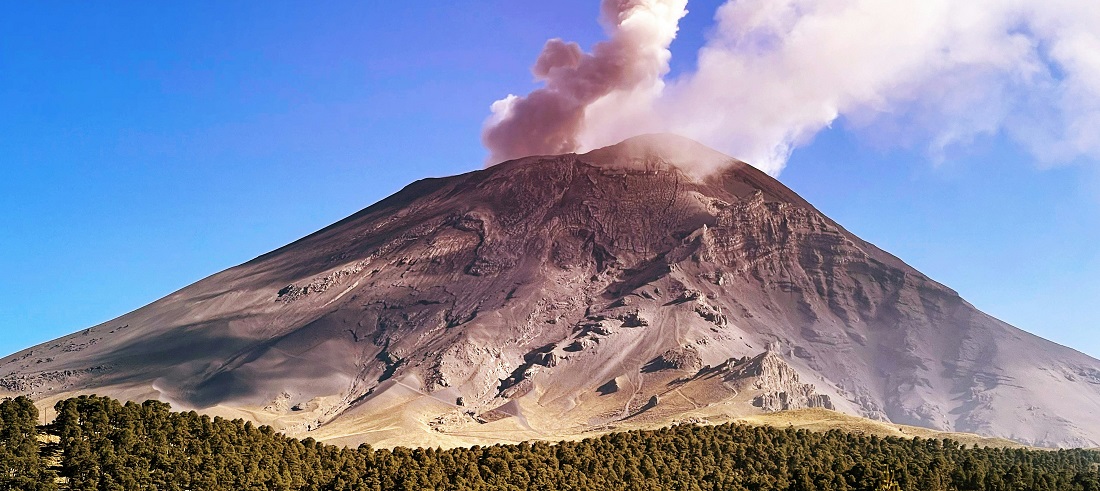
If you also keep a home in another country, the tax authority will look at your ‘centre of vital interests’ and treat you as a resident when more than half your income is earned in Mexico. Once you have set up home here and brought your family over, you will almost always be treated as a resident in practice.

Even as a Mexican tax resident, you will still need to file in your home country. The reassuring part is that Mexico has double taxation treaties with most of the major economies expats come from, so the same income is rarely taxed twice.

Residents pay tax on their worldwide income; non-residents pay only on what they earn inside Mexico. For residents, income tax is charged on a progressive scale that reaches roughly 35 percent at the top; non-residents pay between 15 and 30 percent.

If you work in Mexico on the books, you get basic public healthcare through Mexican Social Security (IMSS). A slice comes out of your salary each month, and your employer and the federal government chip in the rest. If you are not employed here, you can still voluntarily enrol in IMSS for an annual fee, and this is a route many retirees on resident visas take.

On a straight salary, Mexican tax is simple enough. Pensions, rental property, and self-employment are where it gets more involved, so getting a tax adviser who handles expat cases is money well spent.

Working in Mexico 
Healthcare in Mexico

Useful links

Tax regulations are subject to change at short notice, and you are advised to seek the assistance and advice of a professional tax consultant.

Working in Mexico

Foreigners retire to Mexico’s warm coastlines, but those working in Mexico are mostly a younger crowd who settle in the big cities.

Young, ambitious professionals and entrepreneurs head to Mexico City for the lucrative industries it has built up. Mexican industry is closely tied to the economies of the US and Canada. Under the USMCA trade pact between the three countries, large international firms routinely open branch operations in Mexico.

You’ll be joining a colourful, fast-paced business world where people put real stock in personal relationships.


Job market in Mexico

Office scene image

Many US companies have moved or expanded into Mexico to take advantage of lower manufacturing and labour costs. The trend has a name: nearshoring. These operations often recruit managers and senior professionals from abroad, especially well-paid plant managers and IT managers. Bilingual, bicultural leaders who can run a cross-border plant are genuinely hard to find and highly valued. The opportunity is real, although companies in some regions still struggle with labour shortages and patchy infrastructure.

You’ll find openings across finance, technology, healthcare, telecommunications, tourism, and hospitality. English teachers also make up a large share of the expat workforce. Most private schools and learning centres ask for at least a 120-hour TEFL certificate.

Many foreigners are interested in volunteering or finding an internship in Mexico. Volunteering in social, community, or environmental projects is a common way of experiencing life in this North American country. Unpaid volunteering doesn’t trigger work permit requirements for short stays, which keeps the paperwork light within the 180-day visitor allowance. These roles rarely pay, though; you’d take one for the experience rather than as a livelihood.

Alternatively, entrepreneurs may set up their own business or find freelance opportunities. There are prospects in IT and consulting services that can be taken advantage of. Being self-employed and running a business can be risky, and we recommend that entrepreneurs conduct their own research and seek guidance from a lawyer or professional with specific expertise in their field.

A growing share of foreign workers here don’t work for a Mexican employer at all. Remote workers and freelancers who earn from companies abroad have turned Mexico City, along with coastal spots like Playa del Carmen and Oaxaca, into some of the busiest digital nomad hubs in the Americas. Because the income comes from outside the country, you generally won’t need a local work permit; most people use a tourist entry for short stays or a temporary resident visa for longer ones.

International Schools in Mexico


Finding a job in Mexico

Finding work in Mexico’s formal sector can be challenging. Expats looking for employment in Mexico often accept lower salaries than in other countries, although this may be offset by the lower cost of living.

It’s helpful to secure employment before the move, as your employer can arrange visas and work permits. Employers must show that the role couldn’t readily be filled by a Mexican worker. The process may seem complicated, but the hiring company handles much of the paperwork.

Plenty of expats who’ve made the move are blunt about it: you can’t just show up and walk into a job. Local bureaucracy is another common gripe; residency paperwork is notoriously slow, and even opening a bank account or getting utilities connected can take a whole morning.

When you’re job hunting in Mexico, employers care most about two things: recognised qualifications and decent Spanish. Contact the relevant embassy or consulate to confirm that your credentials will be officially recognised.

Mexico City has the deepest job market by far, particularly for corporate and professional roles. Guadalajara is the country’s tech centre, and Monterrey its industrial and business heavyweight. Beyond those three, much of the remaining hiring is in manufacturing and nearshoring hubs like Juárez, León, Querétaro, and Tijuana. Online job boards are the obvious first stop. Recruitment agencies and relocation companies may be able to provide additional support.

Visas for Mexico
Work Permits in Mexico
Relocation Companies in Mexico

Useful links


Work culture in Mexico

working together

There’s real energy in Mexico’s business environment, but the work culture in Mexico has nuances you’ll want to learn early.

Business in Mexico is built around personal relationships, and people rely on their networks to get things done. They tend to prefer meeting face-to-face to settling matters by email, and they like to build a little trust before signing anything. You’ll lean on Spanish here too: most executives in the big cities speak English, but it gets patchy once you leave the main hubs or drop below senior level, so it’s worth having some of your own wherever you land.

Business hours are long: 8am or 9am to 6pm, Monday to Friday. The famous siesta is mostly a myth in corporate Mexico these days. What you’ll find instead is the comida, a long midday meal that often kicks off around 2pm; when it doubles as a business lunch, it can stretch well past the hour.

Business Culture in Mexico

Healthcare in Mexico

Healthcare in Mexico is of a high standard and affordable. The quality and lower cost of healthcare and health insurance here have drawn many US citizens, especially those without insurance, across the border for cheaper treatment.

Public care is affordable and widely available, but private hospitals tend to be more consistent and better equipped for specialised procedures.

If you’re moving to Mexico, think about private health insurance: public hospitals get crowded, and waits can be long, while private hospitals offer more personal attention and quicker treatment.


Public healthcare in Mexico

The Secretariat of Health funds public healthcare in Mexico. If you take a formal job with a Mexican employer, you and your employer both contribute to IMSS (Instituto Mexicano del Seguro Social), and the state tops it up. State workers fall under ISSSTE, while IMSS Bienestar covers people outside formal employment. Retired residents can voluntarily enrol in IMSS, although the paperwork is demanding and the process is entirely in Spanish.

IMSS is inexpensive, but its big catch is pre-existing conditions: some are excluded outright, and others are only covered after a waiting period.

Working in Mexico

Useful links


Private healthcare in Mexico

Private healthcare in Mexico is where most expats end up, since care in the public system can be uneven. Yes, you pay for it. What you get back is speed above all. Appointments and specialist referrals that drag on for weeks in the public system often happen within days here, and the wards are more comfortable too.

The best private hospitals are concentrated in Mexico City, Monterrey, and Guadalajara, so a serious procedure may mean a trip to one of them; smaller towns have far fewer good options.

Many doctors in these hospitals speak English, especially in expat-heavy areas, although nurses often speak only Spanish. Newcomers are often surprised that a doctor will hand over a WhatsApp number and reply to messages directly.


Health insurance in Mexico

Line up your health insurance in Mexico before you need it. If you’d rather not pay fully out of pocket, voluntary IMSS enrolment is a popular budget route for legal residents.

For private cover, be mindful that some private hospitals won’t bill your international insurer directly. Instead, you pay upfront and claim the money back later. Keep every factura (receipt) and your full medical records on file.


Pharmacies and medication in Mexico

Healthcare by Bermix Studio from Unsplash

You’ll have no trouble finding pharmacies in Mexico; look for the green cross and the word farmacia. Some are open around the clock.

What matters is knowing what needs a prescription and what doesn’t. You can buy most medicines over the counter, and plenty that demand a doctor’s signature back home need nothing more than a request at the counter here; refilling blood pressure tablets or picking up an asthma inhaler is usually that simple.

Antibiotics are the exception, and you’ll need a prescription from a Mexican licensed doctor; a foreign one won’t do at the counter. You’ll also need one for controlled medicines such as strong painkillers and sedatives. Pharmacies still carry the older Segunda Clase and Primera Clase licences, and only the Primera Clase ones may dispense regulated drugs.

When you need that prescription quickly, the big chains help: Farmacias del Ahorro and Farmacias Similares, among others, have attached consultorios where a GP will see you for a minor complaint at low cost and write what you need.


Health hazards in Mexico

Some of the health hazards in Mexico are mosquito-borne, including the Zika and chikungunya viruses. Malaria is uncommon and limited to a few rural areas. Dengue risk is highest in the warm, low-lying coastal areas during the rainy season, roughly June to October. Protect yourself against mosquito bites, since the same mosquitoes carry chikungunya and Zika. Ask your GP or a healthcare professional about precautions before you arrive. 

The altitude is easy to underestimate. At about 7,350 feet (2,240m) above sea level, Mexico City is high enough that your first days there can be uncomfortable; expect headaches and poor sleep, and don’t be surprised if a flight of stairs leaves you breathless. The city’s air pollution can be hard on anyone with a respiratory condition, particularly young children and older adults.

Most households don’t drink tap water. Instead, keep a garrafón, the big 20-litre (5-gallon) refillable jug. You can buy one at almost any corner shop or have it delivered. Be wary of raw salads and fruit rinsed in tap water, and of ice outside reputable places, since these are common routes to a stomach upset.


Vaccinations in Mexico

Book your vaccinations about six weeks before you travel to Mexico, so a doctor has time to bring you up to date.

No special vaccinations are required to enter Mexico for most travellers, although you’ll need proof of yellow fever vaccination if you’re arriving from a country where it’s a risk. Keep your routine vaccinations current, including MMR (measles, mumps, and rubella), polio, and tetanus.

On top of the routine schedule, vaccines against hepatitis A and B, typhoid, and rabies are commonly recommended for travel to Mexico. Hepatitis A is the one doctors most often press, since the virus is endemic here.

Useful links


Emergency medical services in Mexico

The number to know for emergency medical services in Mexico is 911. It’s free from any phone and answered locally, and the operator picks up your location automatically. Operators may not speak English, so it helps to know your address in Spanish.

For roadside trouble or tourist help, call 078 for the Green Angels, who have English-speaking operators.

Ambulances can be slow to reach rural areas, and the public service is inconsistent; for anything that isn’t life-threatening, many residents simply take a taxi or a private ambulance to the nearest hospital. As a foreign resident or visitor, expect to pay upfront for an ambulance unless your cover includes it.

Most insurers give clients a list of approved hospital numbers, so save yours before you need it. In Mexico City, the official city app includes an emergency panic button feature.

Shipping and Removals in Mexico

Shipping and removals in Mexico may seem complicated, but as a temporary or permanent resident, you have a real advantage: you can import your belongings duty-free within the first six months of your arrival. You can claim this only once. You will need an itemised list in Spanish along with a set of signed copies, and your local consulate must certify the list.

Before you commit, work out whether shipping is worth the cost and paperwork, and whether you want professional help with it. The rules are not the same for a container of furniture as for a car or a family pet, so weigh each separately.

It usually comes down to cost. Appliances and furniture are easy to buy in Mexico, and often cheaper than back home, so it rarely pays off to freight your whole household. People who have made the move tend to sell the bulky, replaceable things and bring only what is hard to source locally, such as electronics or a mattress in a familiar US or UK size. Do not bother shipping flat-pack furniture, which rarely arrives intact. You can also rent a furnished place and sidestep the question entirely.


Hiring shipping and removals companies

Mexican customs is unforgiving of mistakes, so plenty of newcomers end up hiring a shipping and removals company. A broker is rarely optional here. In Mexico, almost every import has to go through a licensed customs broker, the agente aduanal, so most people who ship more than a couple of suitcases will use one.

Relocation companies go further still: alongside shipping, they handle home finding, leases, visa paperwork, and the practicalities of settling in. That fuller service costs more, but for a complicated move, many people find it worth every peso.

Insure your goods against damage in transit. Some firms fold cover into their quote; others sell it separately, so check exactly what is included and what you are covered for before you sign.

Relocation Companies in Mexico
Renting Accommodation in Mexico


Shipping household goods to Mexico

If you plan carefully around all the rules and hidden costs, shipping household goods to Mexico is manageable; however, the route you take will depend on your residency status. A temporary resident’s obligations differ from a permanent resident’s, and the difference matters most when you eventually leave.

Moving day boxes

Menaje de Casa

You start at your nearest Mexican embassy or consulate, where you apply for a Certificate for Household Goods List, the Menaje de Casa. Your visa must be issued first, as you provide your passport and visa details when you apply. You must also submit a detailed inventory in Spanish and record the serial numbers of any electronics.

If you hold a temporary residence, such as the student temporary resident visa, you must take any imported goods out of the country when your residency ends. Permanent residents keep their belongings in Mexico for good and never have to re-export them.

You can import eligible goods duty-free within six months of arriving, but it still costs something. Expect to pay the consulate’s fee for the Menaje de Casa, plus the charges of any customs broker or removals firm you use.

Customs regulations on household goods

Firearms cannot be imported, and food and beverages are not considered household goods.

Mexican customs set clear limits on what counts as household goods. Furniture, linen, clothing, and books are all fair game, provided they are used rather than new. As a rule, your belongings should have been in your possession for at least six months before the move, and customs scrutinises appliances most closely. You shouldn’t bring more appliances than your household would realistically need, and never two of the same major appliance, such as a washing machine or an oven.

Check the voltage before you ship anything electrical. Mexico uses 127V/60Hz, which is close enough to the US standard that American devices usually work. For British- and European-standard 230V appliances, you may need a transformer, and some are not worth shipping.

Visas for Mexico

Useful links


Shipping pets to Mexico

Shipping pets to Mexico is refreshingly simple for cats and dogs. Mexico has no pet passport scheme like the European Union’s; instead, an inspector examines your animal on arrival. There is no quarantine for a healthy pet, and no dog breed is banned at the federal level.

The one firm requirement is a current rabies vaccination, although puppies and kittens under three months are exempt. Vets will usually advise the standard distemper and parvovirus course for dogs as well. A microchip is not compulsory, but an ISO compliant 15-digit chip is worth fitting, and you will need one if you ever take a dog back into the United States. Each person may bring up to two pets, so a couple can travel with four; beyond that, expect extra paperwork and fees.

When you arrive, by air or at a land border, you present your pet to SENASICA, Mexico’s agro food health and safety service, at its inspection office at the port of entry. The officer checks that your pet is healthy and free of parasites or untreated wounds. Mexico dropped its mandatory health certificate for cats and dogs in 2019, so you no longer need one to cross. It is still wise to carry a recent vet’s letter and your vaccination records; an airline or a landlord may ask for them, and you will want them for the journey home.

If you are flying with your pet, each airline sets its own rules for the carrier, and they differ from one to the next, so check the fine print before you book. Use a clean crate, and leave it bare: no bedding, toys, food, or anything else loose inside. An absorbent pad is allowed, but anything else may be removed and binned on inspection. Airlines, not the Mexican government, set the breed limits: several carriers refuse to fly snub-nosed dogs and cats in the hold, and some bar breeds they classify as dangerous.

Expect stricter rules for anything other than a cat or dog, from parrots to reptiles. Check with SENASICA’s animal health directorate, or your nearest Mexican consulate, well before you travel. You will need an import permit for some species, and a few cannot be brought in at all. Live birds are subject to extra disease controls.

Useful links


Shipping vehicles to Mexico

Shipping cars by Markus Spiske

Before you ship a vehicle to Mexico, weigh two things: your immigration status, and where in the country you plan to drive. Large parts of the country are Free Zones, where you can drive a foreign-plate car without any permit at all: the whole Baja California peninsula, the state of Quintana Roo, the Sonora Free Zone, and a strip roughly 16 miles (25km) deep along the US border. Stay inside those areas, and you can skip most of the paperwork.

To take a foreign-plated car beyond the Free Zones, you need a Temporary Import Permit, or TIP. You qualify for one if you hold an FMM tourist permit or a temporary resident visa, such as the student version. Only Banjercito, the Mexican government bank, issues it; you can apply online seven to sixty days before you travel, or collect it at the border on the way in. A tourist’s TIP is valid for up to 180 days. A resident’s is valid for as long as the residency itself, provided you renew on time.

The rule is tighter for permanent residents. Outside the Free Zones, you cannot legally drive a foreign-plate vehicle once you hold permanent residence, and the TIP route is closed to you. To keep a car, you must import it permanently; a customs broker handles that, but you will pay import duties and taxes on the vehicle, plus the broker’s fee. Inside the Free Zones, none of this applies, and you can drive a foreign-plate car there as long as you keep its home registration current.

The alternatives are to take the car out of Mexico for good or to sell it to someone whose status lets them hold the permit.

Whether you import a car or buy one in Mexico, check the driving rules that apply in your state and city before you take to the road.

Transport and Driving in Mexico

Useful links

Safety in Mexico

Safety in Mexico is a common concern for expats and travellers alike. The country has historically suffered from high crime rates, and statistics have become something of a deterrent for those considering the move. Expats should note that reports of crime and kidnappings in Mexico are highest in urban areas, particularly in Mexico City, and often between drug gangs.

Drug-related crime is the biggest concern in Mexico, although the big-name beach resorts are far safer, whether on the Caribbean side like Cancún or the Pacific side like Los Cabos and Puerto Vallarta. That safety is not absolute. When a cartel power struggle flares up, the fallout can reach even popular destinations. Roads get blocked and flights cancelled at short notice, so keep an eye on local news and official advice.

The US State Department and the UK Foreign, Commonwealth & Development Office both publish travel advice state by state, which is the quickest way to gauge the risk where you are headed. Expats in urban areas may want to employ private home security companies, whereas those in retirement communities and resort areas are considerably safer. Some places are remote and trouble free; others are anything but. Research your routes and your destination before you set off.


Crime in Mexico

Crime in Mexico mostly consists of the everyday petty street kind. It’s concentrated in the cities but not unheard of in resort towns. To avoid street crime, it pays to blend in: wear casual clothes and avoid flashy watches or jewellery. Your phone is the biggest worry, as snatch-and-run theft is common in crowds and busy nightlife districts, so don’t wave it around. Keep your documents safe too: passports are a frequent target, so leave your original passport somewhere safe and carry a copy of it.

Drug-related crime

As much as the crime in Mexico can be a problem, the fear cultivated by the violence of drug cartels is not usually an expat concern. While murders and gunfights between rival gangs and law enforcement make sensational international news, they do not generally affect people who are not connected to the drug industry. One simple way to steer clear of all this: don’t buy drugs. Every purchase plugs you straight into the cartel supply chain and marks you as a target.

Although the government is often careful not to perturb foreigners, expats in Mexico are also often concerned about police and military checkpoints along highways. Despite this, foreigners should not become complacent and should stay aware of and up to date about current dangers regarding drug-related crime in Mexico.

Travel to Ciudad Juárez and Tijuana is not advised, as these areas are infamous for a high incidence of drug-related violence. Chihuahua, Nuevo León, and Tamaulipas, all northern states close to the US border, are known for the same drug-related violence, and you should travel there only with extreme caution. Clashes between cartel members and police can turn violent quickly and without warning.


Public transport safety in Mexico

Public transport safety in Mexico comes down to a few habits. Stay alert, and travel by bus in daylight where you can; theft and hijackings are more common after dark. On the Mexico City metro, keep your valuables close and your wits about you, especially at rush hour, when pickpockets work the crowds.

On intercity trips, check that your bus stays on toll roads (cuotas) rather than the free roads (libre), where crime is markedly higher. First class coaches are the safer bet. Armed robberies and the hijacking of whole buses have been reported in Tamaulipas and Nuevo León. Bus stations and airports have been targeted too. 

Ride-hailing apps are now the norm for getting around town in Mexico. Uber and DiDi are the default choice for many residents because the apps keep a record of your driver and your route, which a flagged-down street cab never will. If you prefer a taxi, stick to licensed cabs booked by phone or taken from an official rank, never one hailed in the street.

Public Transport in Mexico


Road safety in Mexico

Driving in Mexico by Maxwell Ridgeway

Road safety in Mexico starts with one big risk: hijacking. Keep your guard up at the wheel, and avoid driving after dark. The run north from Monterrey to the border crossings at Nuevo Laredo and Reynosa is among the most dangerous, as is the Pacific Highway.

Stick to toll roads and stay alert at traffic lights, where carjackers like to strike. They single out large camper vans and SUVs in particular. If you break down on a major highway, the Ángeles Verdes (Green Angels), a free government roadside patrol, can be reached on 078.


Scams in Mexico

Perhaps most alarming to foreigners are kidnappings, or kidnapping scams, which try to solicit ransom money from families. Expats in Mexico need to be careful of robbery, particularly when withdrawing money from ATMs or changing currency at a Bureau de Change. It’s best to avoid ATMs when they are being refilled, as armed robberies during this process are common.

Express kidnappings are a risk in Mexico. Criminals will kidnap their victims for a short amount of time, take them to an ATM and demand money. Victims are then usually released. Expats should be aware of this when withdrawing money.

A newer twist is the virtual kidnapping, where no one is actually taken. Scammers will phone you and use panic and pressure to convince you that a loved one is in their hands, then push for a fast ransom before you can check that the person is safe. The trick is to keep you on the line and isolated. If you get such a call, try to slow everything down while you reach out to the supposed victim by other means.

A common scam in Mexico involves criminals who pose as police officers and demand a fine. Expats should always ask police officers for identification if in doubt.

Banking, Money and Taxes in Mexico


Social and political unrest in Mexico

Social and political unrest in Mexico tends to take the shape of protests and marches, most often in Mexico City but by no means only there. Demonstrations can block major roads for hours, including the routes to the airport, and they sometimes turn violent with little warning. Give them a wide berth.

One rule catches out a lot of newcomers: foreign nationals are barred by law from taking part in political activity in Mexico, and doing so can cost you your visa or get you deported.


Natural disasters in Mexico

Volcano in Mexico by Milton Villemar

Natural disasters in Mexico fall into three main forms: hurricanes, earthquakes, and volcanic eruptions.

The hurricane season lasts from May to November, and the fiercest storms tend to arrive between late summer and early autumn. The Pacific and Caribbean coasts are the most exposed.

Mexico has several active volcanoes. The most active is Popocatépetl, which looms over the central highlands within sight of Mexico City and Puebla. It erupts often enough that the public is kept roughly 7.5 miles (12km) back from the crater. Volcán de Colima, further west, is quieter but still monitored daily.

Oaxaca records more earthquakes than any other Mexican state, although the shaking is felt far beyond its borders. Mexico City was built on a former lakebed that amplifies distant tremors, which is why a quake hundreds of miles away can still rattle the capital. There is also a public earthquake early warning system, SASMEX, which can give people in covered areas up to a minute of notice through loudspeakers, radio, TV, and phone alerts. Learn what to do when the alarm sounds, and practise it before you need it.


Emergency number in Mexico

The emergency number in Mexico is a single nationwide line: 911. It works from any phone, and in larger cities, you can often get help in English. In the capital, the 911 CDMX app is worth downloading.