
- Download our Moving to Mexico Guide (PDF)
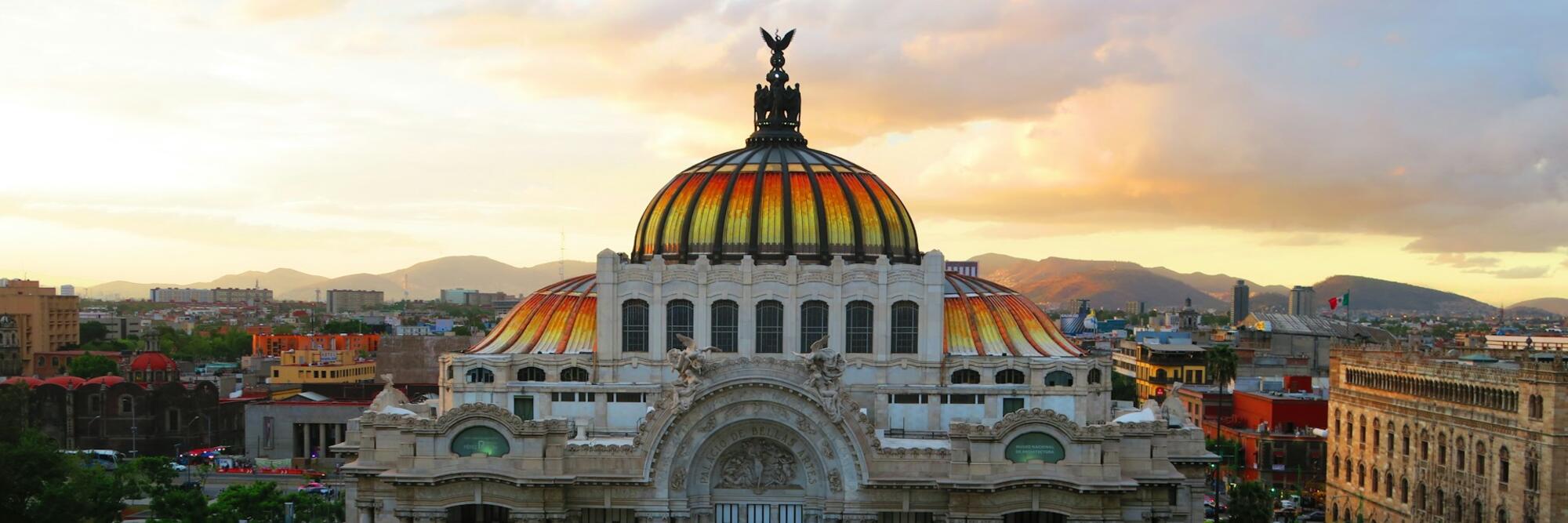
There are plenty of pros and cons of moving to Mexico – you'll be settling into a country with a fascinating history and artistic and culinary traditions. UNESCO lists its food as Intangible Cultural Heritage, and the country holds 36 UNESCO World Heritage Sites, more than any other country in the Americas. The north is a dry desert, the south is a dense rainforest, and thousands of miles of coastline lie in between.
The media and Hollywood tend to focus on two extreme perceptions of Mexico: its violent drug crime or its sun-soaked, luxurious lifestyle. Moving to Mexico involves much more than these two extremes. New arrivals may face culture shock, difficulty finding employment, or difficulties doing business, but will soon find that the country rewards them in turn. Spanish and indigenous heritage shows up everywhere, above all in the food. It shapes the festivals that crowd the calendar, and it sets the unhurried pace of ordinary days.
Here is a list of the pros and cons of moving to Mexico.
Lifestyle and culture in Mexico
+ PRO: Warm and welcoming people
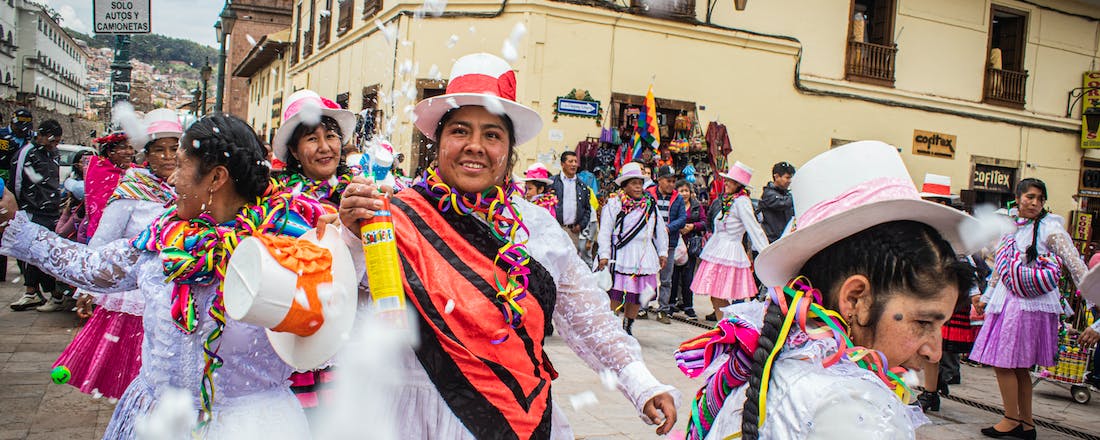
There’s no need to worry about making local friends in Mexico: the people are generally as warm as the climate, and foreigners are usually treated well. Most Mexicans are happy to help, including in bureaucratic settings, if expats are polite in turn.
+ PRO: Rich in cultural celebrations and cuisine
Traditional Mexican culture is very much alive today. It shows in the striking architecture of countless cathedrals and in celebrations like the colourful Día de los Muertos, which fills the streets with bright costumes and the iconic calaveras (skulls). Street food is a daily pleasure as well as a festival one, and the cocktails are made with proper tequila.
- CON: Language barriers complicate many aspects of life
The most commonly spoken language in Mexico is Spanish, but much to the surprise of many new arrivals, the government recognises 68 more indigenous languages. Expats who don’t speak Spanish may have difficulties in dealing with the authorities, doing business, or securing accommodation in Mexico.
Even Spanish speakers may need to pick up local slang and expressions. That said, expats can see learning Spanish as an opportunity to gain new knowledge and better integrate into their new home.
- CON: Patience is fundamental
Time is but a social construct, and the concept of time is likely to differ from that in an expat’s home country. Few things stick to a set time, and the pace of life in Mexico is slow, which can be frustrating for both foreigners and locals. It’s important to stay calm and not lose patience.
+ PRO: Fascinating history
One of the main reasons tourists come to Mexico, beyond the weather and the scenery, is its history. Visitors and expats can explore Aztec and Mayan ruins and learn remarkable and sometimes shocking stories of indigenous groups and the Spanish colonisation.
Weather in Mexico
Local Culture in Mexico
Visas in Mexico
+ PRO: Lax visa policies
Mexico opens its borders visa free to passport holders from Canada, the US, many South American countries, the UK, the Schengen Area, and Japan. The permit allows up to 180 days, but that is the maximum; the officer at the port of entry decides the actual number, which can be 30 or 90 days. For longer stays and other foreign nationals, though, visa and work permit applications are necessary.
Remote workers should note that Mexico does not have a standalone digital nomad visa. Most use the Temporary Resident Visa instead, which is granted on the basis of proof of income or savings and is renewed each year.
- CON: Bureaucracy and paperwork can get overwhelming
Much to the dismay of expats and Mexican citizens, administrative processes may take time, and paperwork can be confusing. New arrivals often need to check that their qualifications are recognised and certified in Mexico, depending on their field of work, while tasks like opening a bank account often require documents to be translated into Spanish.
Visas for Mexico
Work Permits for Mexico
Banking in Mexico
Transport and driving in Mexico
+ PRO: Efficient and diverse transport networks
When travelling around Mexico and within its cities and towns, there are many options. Some cities are walkable, but expats may prefer to have a car in others. Mexico City has one of the largest metro networks in the Americas, and Guadalajara and Monterrey have light rail lines, too. Ride-hailing apps such as Uber and DiDi are easy to use and widely available, and first-class coach companies like ADO offer comfortable, affordable travel between cities.
- CON: Driving restrictions in urban areas
There are limitations and regulations for vehicles in major urban areas like Mexico City to reduce traffic and pollution, so getting around by car may not always be the most convenient. Expats should check the rules for their specific area to see whether they apply to their vehicle.
Transport and Driving in Mexico
See and do in Mexico

+ PRO: Diverse natural environments
What isn’t there to see and do in Mexico? It is a big country that crosses several time zones, and the scenery changes just as much from place to place. The adventurous can go hiking and explore the flora and fauna in rainforests, while others can relax in natural hot springs or along the warm coastline.
- CON: Vigilance is needed when out and about
Whatever expats get up to, whether it’s tourist and leisure activities, taking a drive out of town, enjoying a celebration, or going about their day, they should keep an eye on safety. Most residents find the day-to-day reality far calmer than the country’s reputation suggests, although it pays to track local advisories. There are natural hazards as well: earthquakes are a genuine risk, and the coasts have a hurricane season between June and November.
Cost of living in Mexico
+ PRO: Foreign incomes can stretch further in Mexico
Expats from high-income countries such as the US and Canada often find that the cost of living in Mexico can afford them a relatively luxurious lifestyle.
- CON: Not everything is cheap
Don’t move to Mexico believing that everything is automatically cheaper. Popular expat and tourist areas have grown pricier, partly because remote workers have poured into hubs like Mexico City’s Roma and Condesa, and upmarket beachside condos cost far more than most budgets will allow. Credit cards also charge high interest, and big purchases must be planned accordingly.
Healthcare in Mexico
+ PRO: Affordable private care and a public system expanding toward universal coverage
Residents and tourists in Mexico can affordably access medical care, a major draw for many Americans. Insurance packages are also available at great prices. Employed expats are enrolled automatically in IMSS, the country’s main public health institute, and non-working residents can opt in voluntarily. Mexico is now consolidating IMSS, ISSSTE, and IMSS Bienestar into a single Universal Health Service. The new health credential is intended to cover eligible foreign residents as well as citizens.
- CON: Quality of public healthcare is not standard
While there are excellent hospitals and clinics, a visit to a public hospital does not guarantee high standards, as quality varies considerably between states. High standards are also difficult to find in rural areas, and expats should secure health insurance that covers repatriation expenses. Embassies in Mexico are likely to provide information on the best hospitals to go to. Private care is a different story: the country’s private hospitals are first rate, especially in the larger cities.
Accommodation in Mexico
+ PRO: Accommodation options to suit any budget
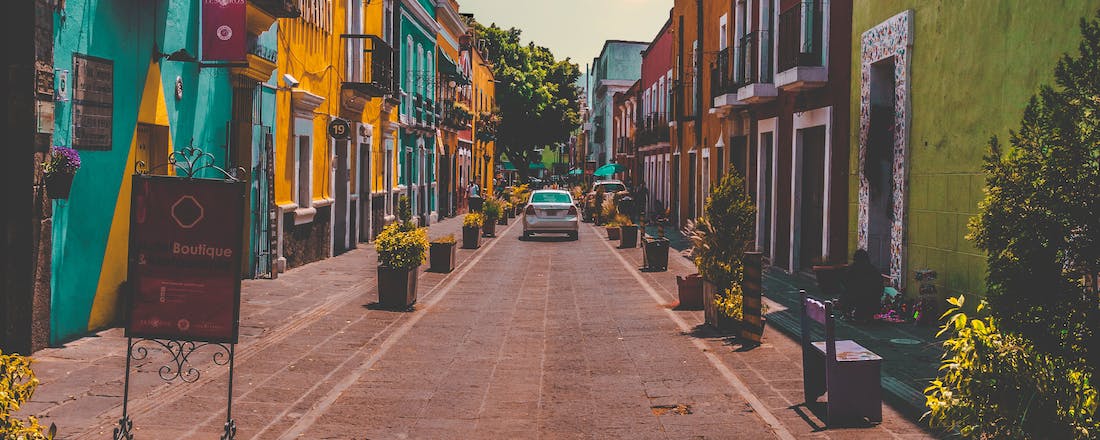
Those looking for luxurious living can often find villas, haciendas, and stylish condos. Expats on a budget can find a comfortable house or apartment without much trouble. Online portals, social media, networking, and a drive around prospective neighbourhoods can all turn up viable options.
- CON: Securing a lease may seem complicated
Landlords don’t always ask for proof of employment or reference letters, but many do want a fiador, a guarantor who owns property locally. Few new arrivals can provide one. There are standard ways around it, though: most foreigners satisfy the requirement with a póliza jurídica, a paid legal guarantee policy, or by paying several months’ rent upfront. Tenants should make sure they understand the lease and hold a copy in Spanish.
Renting Expat Accommodation in Mexico
Shipping and removals to Mexico
+ PRO: Expats can import household goods duty free
While furnished accommodation options, as well as furniture and appliances, are readily available, expats who want a taste of home can import personal items duty free. Mexican Customs allows this procedure once, and the shipment can arrive in a time window from three months before the owner’s first entry up to six months after it.
- CON: Complicated shipping regulations tied to visas
Bringing household possessions into Mexico comes with rules. Temporary residents must export their items again when they leave, which adds paperwork and stress. Most people who attempt it end up hiring a customs broker or a relocation company.
Shipping and Removals to Mexico
Relocation Companies in Mexico
Education and schools in Mexico
+ PRO: Excellent private, bilingual, and international schools
Expats moving with children will find a wide range of schooling options to suit their language and preferred education system. There are international and private schools that offer the American, British, Japanese, and International Baccalaureate programmes, sometimes alongside the Mexican curriculum, and there are French and German schools in the larger cities. The breadth lets children carry on in a familiar system.
+ PRO: Inclusive education
Mexico is working towards inclusive education to ensure that students with disabilities get the help they require in regular classroom settings. Parents concerned about special-needs education in Mexico can contact their school directly to enquire about the kind of support available.
- CON: Public schools are not up to scratch
Although public education in Mexico, from primary up to some tertiary institutions, is free, many schools fall short of the standards expats may expect, given underpaid teachers, insufficient resources, and high dropout rates.
International Schools in Mexico
Education and Schools in Mexico
Working and doing business in Mexico
+ PRO: Nearshoring has created a strong demand for skilled workers
Working and doing business in Mexico has rarely looked more inviting, and the reason is nearshoring. As manufacturers want to shorten their supply chains and move production closer to the United States, demand for skilled professionals in Mexico has climbed, from production engineers to bilingual managers.
The industrial north, Monterrey above all, has attracted foreign firms for years, and the Bajío region around Querétaro and Guanajuato is now a manufacturing heartland in its own right. Mexico City is popular with remote workers and startup founders, and newcomers can find their footing through chambers of commerce and industry events.
- CON: Business moves at the speed of relationships
Business deals in Mexico tend to follow trust rather than create it. A round of meetings and a shared meal or two will usually come before any contract is signed, and that unhurried pace can be frustrating for newcomers who expect to move quickly.
Working in Mexico
Doing Business in Mexico
Safety for expats in Mexico
- CON: Avoid certain areas
Danger in Mexico is local, and it varies enormously from one state to the next. A handful of states are under the highest government travel warnings. As in any large city, petty crime is more common in certain districts and after dark. Expats can enhance their safety by staying informed about local news and advisories, avoiding risky areas, and practising common-sense precautions.
+ PRO: Expat areas are generally safe
Millions of expats safely enjoy Mexico’s culture and natural beauty, and most find it a welcoming, rewarding place to live. Popular destinations like Mexico City, Cancún, and Mérida are generally safe, and their communities are varied and welcoming to outsiders. Many expats choose gated communities for the extra security and the sense of belonging they offer.