
The local culture in Peru has deep roots and a mixed heritage. The country was the centre of the Inca Empire, and after the Spanish conquest, it became the seat of the Viceroyalty of Peru and the hub of Spanish power in South America. You can still see that history everywhere, in the languages you'll hear and the food on your plate.
Most newcomers settle in without much trouble. Peruvians tend to be warm and welcoming to foreigners, if a little reserved at first. Mestizos, Peruvians of mixed Indigenous and European descent, make up the majority of the population. Smaller communities include Indigenous Peruvians, most of whom speak Quechua or Aymara. There are also Peruvians of European and African descent, and a sizeable Asian population that is mainly of Chinese and Japanese origin.
Language barrier in Peru
The language barrier in Peru is the first thing that most newcomers will have to overcome. Spanish is the country's official language, and you'll need it for everything from daily life to official paperwork. Spanish isn't optional if you want to settle in properly in Peru. Some Peruvians in Lima's corporate world and in Cusco speak English, but the average person you meet won't, so even a basic grasp of the Spanish language will make daily life far smoother.
Quechua, Aymara, and other Indigenous languages are co-official in the regions where they're most widely spoken, and you'll hear Quechua in particular across the Andes.
Cultural differences in Peru
You'll notice a few cultural differences in Peru, especially in the way Peruvians communicate. They tend to value smooth social relations, sometimes called simpatía, over blunt directness. A flat 'no' can come across as rude in Peru, so you'll often hear a softer tal vez (maybe) or vamos a ver (we'll see) when the answer is actually no. It can help a lot if you learn to read between the lines.
Family ties are strong, and workplaces and institutions tend to be hierarchical, so Peruvians show real respect for age and seniority. An invitation to a family lunch or a birthday is a genuine sign of acceptance, and turning one down without a good reason can cause offence.
Time in Peru
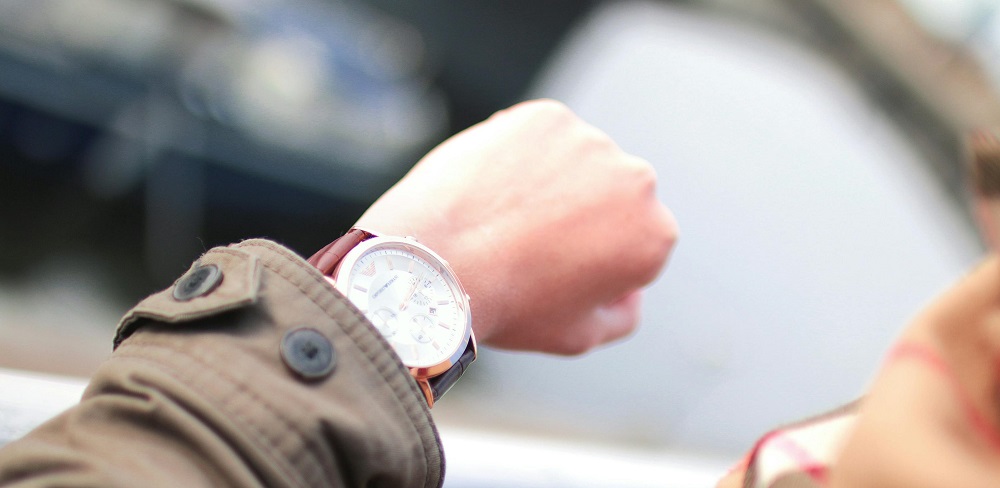
Time in Peru is more fluid than many newcomers are used to, although a lot depends on where you settle. Peruvians are famously relaxed about punctuality, and the habit even has a name, la hora peruana. Turning up 30 minutes to an hour after the agreed time is normal for a party or a casual meet-up. Work is stricter, and you'll be expected to arrive on time even when your Peruvian colleague doesn't, so it's worth checking whether an invitation means the clock time or 'Peruvian time'.
Families gather for the main meal of the day, usually a long midday lunch (almuerzo). In some parts of the country, workers still keep the traditional siesta. They go home at midday to eat with their families and rest through the hottest hours. You won't see it much in big cities like Lima, although it's still common in smaller towns. Dinner is usually eaten late, and friends and families often head out to a local restaurant or bar in the evening.
Food and drinks in Peru
Food and drink are one of the real pleasures of life in Peru, and the country's cooking has a serious international reputation. The base is Indigenous and Spanish, and Chinese, Japanese, African, and Italian immigrants have all added to it. The Chinese influence even has its own name, chifa, while Japanese-Peruvian cooking is known as nikkei.
Potatoes, corn, legumes, quinoa, and chilli peppers (ají) are Peruvian staples, and the country has thousands of native potato varieties. Peru has a long Pacific coastline, so fish and shellfish are everywhere on the menu.
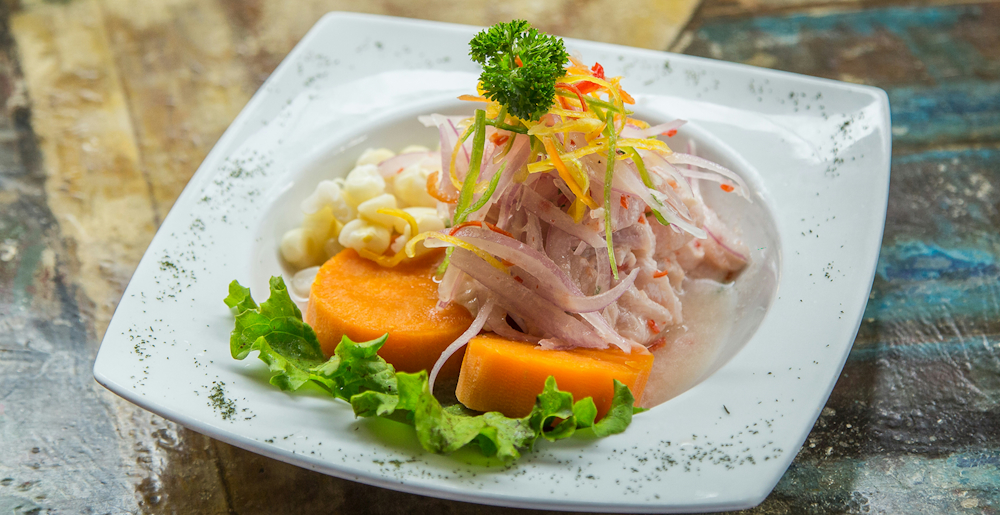
The most famous dish is ceviche, which is raw fish cured in lime juice with onion and ají. It's usually served with sweet potato and corn on the side, and there's even a national ceviche day. In the Andean highlands, Guinea pig (cuy) is a traditional dish too. It's roasted or fried and served whole for special occasions.
Chicha morada is a sweet, non-alcoholic drink you'll see everywhere. It's made from purple corn boiled with pineapple, cinnamon, cloves, and sugar, then served cold. Pisco, a grape brandy, is the national spirit, and it's the base of the pisco sour, a cocktail made with pisco, lime juice, egg white, sugar, and a dash of bitters.
Meeting and greeting in Peru
Meeting and greeting in Peru is usually warm and fairly informal. A handshake is fine for a first introduction, especially in business. In social settings, women greet other women and men with a single kiss on the right cheek, even on a first meeting, while men tend to shake hands or, among friends, add a pat on the back. When you arrive at a gathering, it's polite to greet everyone individually.
Some Indigenous Peruvians in parts of the Andes keep a greater distance from strangers and avoid eye contact with them, which can seem cold but is actually a sign of respect. Take a friendly, unhurried approach, and you'll get on well.
Bureaucracy in Peru
The bureaucracy in Peru is something most newcomers struggle with at some point. Official processes can be slow and paper-heavy, and you might need several visits to finish something simple. What one office asks for, another might not, and the rules can change without warning, so it pays to keep spare copies of all your documents and check what's needed before you queue.
Staying calm is the real skill. Getting angry at the counter rarely speeds anything up, and it often does the opposite. Many expats hand the trickiest paperwork, such as visas and residence permits, to a local lawyer or gestor who knows the system and can handle it for them.
LGBTQ+ in Peru
The picture for LGBTQ+ people in Peru is mixed. Same-sex relationships have been legal since 1924, which was one of the earliest such reforms in Latin America, but not much has changed in the law since. Peru still has no same-sex marriage or civil union, and there's no national law against discrimination based on sexual orientation.
Peruvian society is conservative and strongly Catholic, and LGBTQ+ residents can experience prejudice, especially outside the big cities. Peru is more conservative than neighbours like Argentina or Brazil, so it's wise to be discreet with public displays of affection in rural areas and smaller towns.
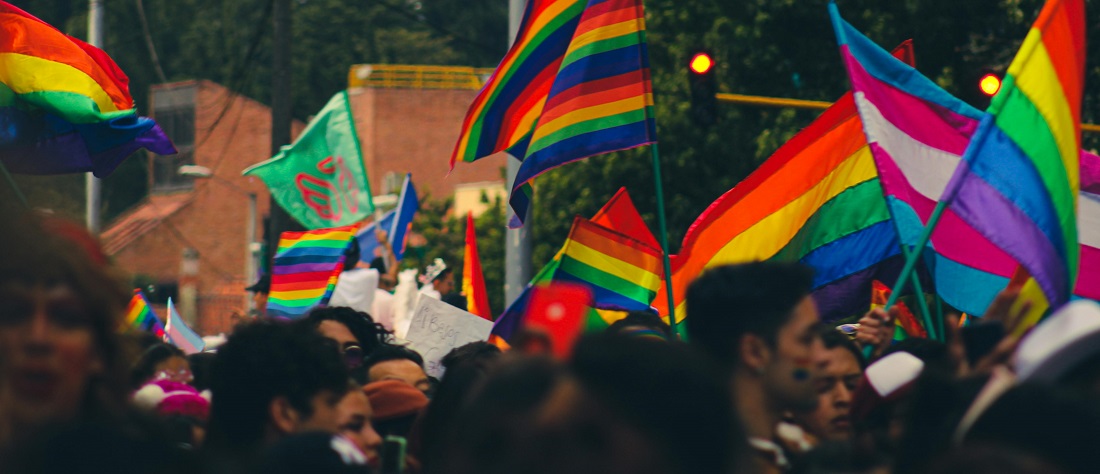
Lima is the most open part of the country. Most of the LGBTQ+ scene is in the Miraflores and Barranco districts, where you'll find gay bars and cafés. Lima's Pride march has grown over the years, but not without some opposition. Cusco is fairly relaxed, thanks to its tourist crowd.
Women in Peru
Women in Peru still come up against traditional gender roles, and they are still under-represented in senior and leadership positions. Machismo is still part of the culture, although younger, city-based generations are moving away from it. Gender-based violence and femicide are serious problems in Peru, and both the press and campaigners give them plenty of attention.
Women who move to Peru should take the usual big-city precautions and, where possible, avoid walking alone late at night. Street harassment and catcalling do happen; they're more of a nuisance than a real threat, and less of an issue in the main tourist areas. Anyone who needs help can call Línea 100, the national helpline for violence against women, which is free and open around the clock.