
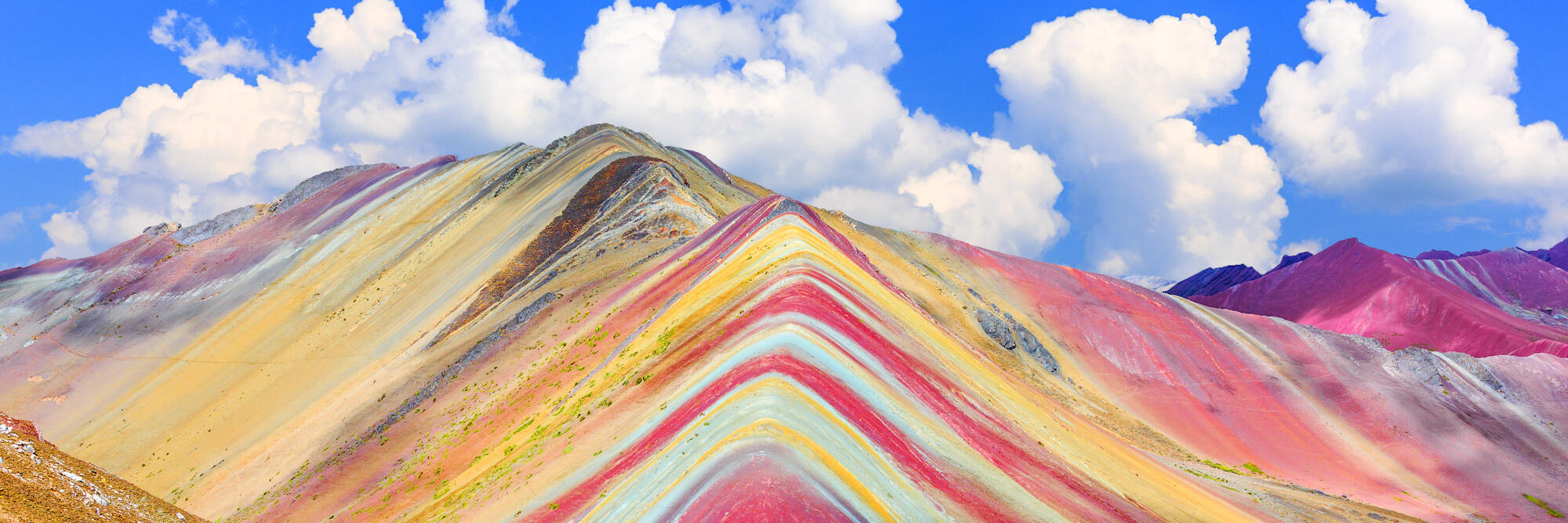
Safety in Peru is a common concern for people planning a move, although the risks are easy to manage once you understand them. Petty theft is the most likely problem you will run into, but extortion and street robbery have become far more common in the cities as organised crime has spread. Political protests and the states of emergency that often follow can disrupt travel at short notice. Violent attacks on foreigners are still uncommon, so everyday caution is usually enough.
Crime in Peru
Crime in Peru is worst in the larger cities, and you are most likely to encounter it in Lima, Arequipa, Cusco, and the northern hub of Trujillo. Pickpocketing and bag-snatching are common on public transport and anywhere crowds gather, from markets to the main tourist sites. Muggings can happen too, and there are thieves on motorbikes who snatch phones from pedestrians and from cars idling at traffic lights.
Armed robbery is more of a risk in the big cities. Express kidnappings, where victims are held for a few hours and forced to empty their bank cards at a cash machine, are a real, if less common, danger. Extortion has become one of Peru's fastest-growing crimes, although the gangs mostly target local businesses rather than newcomers.
Unlicensed taxi drivers are a particular hazard, and some rob or briefly kidnap passengers who flag them down in the street. Book a taxi through your hotel or by phone rather than hailing one on the street, or use a ride-hailing app such as Uber, which is available in the main cities alongside local alternatives like Cabify and DiDi.
Residential safety in Peru
Residential safety in Peru is a big factor in where newcomers choose to live. In the better-off districts of Lima and the other large cities, residents rely on gated buildings, doormen, alarms, and private security patrols, and flats there usually have barred windows and solid entrance gates. Pick a building with controlled access and keep valuables out of sight. It also helps to learn which parts of your neighbourhood are best avoided after dark, and many employers and landlords will happily point you towards the safer areas.
Political unrest in Peru
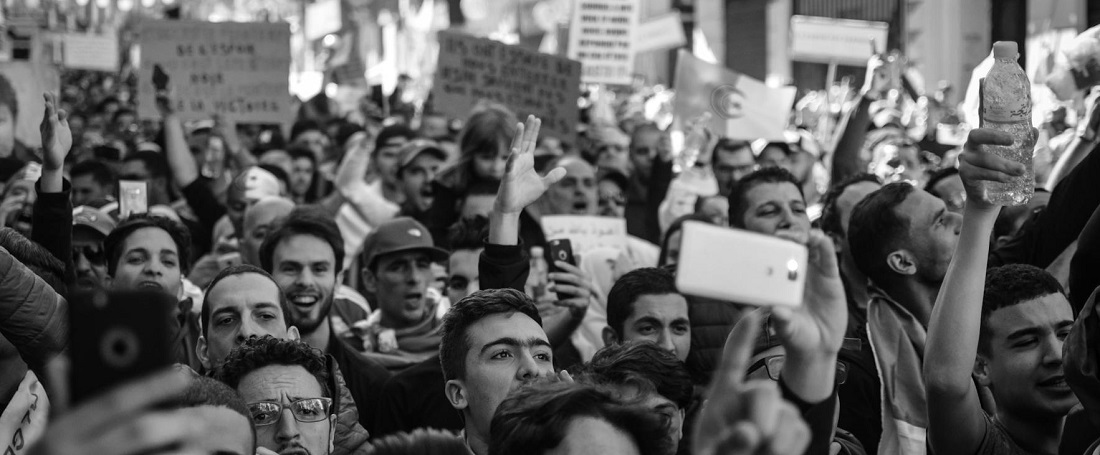
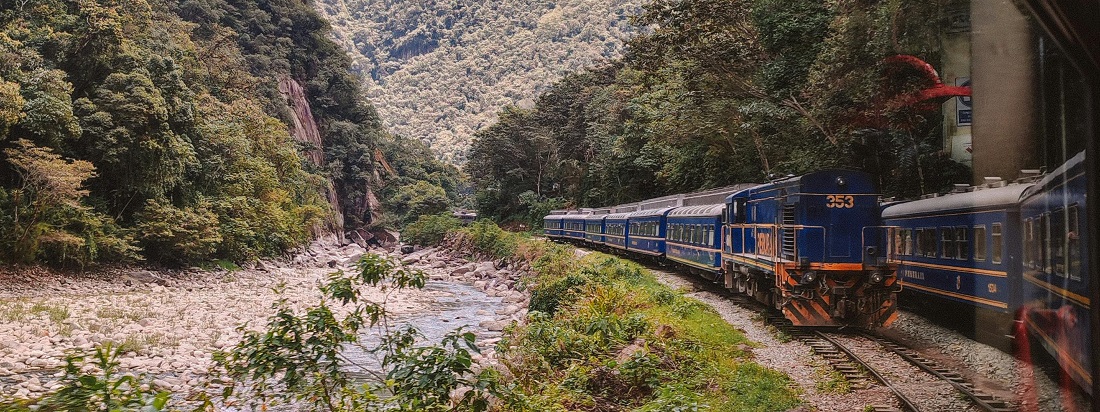
Political unrest in Peru is common, and it most often takes the form of street protests that can bring whole cities to a halt. Demonstrations have closed airports, blocked major highways, halted the train to Machu Picchu, and sealed land borders, so they affect far more than the daily commute.
Protests can carry on for days or even weeks, so keep an eye on the local news and check whether your route is affected before you set out.
Most demonstrations are peaceful, but some turn violent, and police and protesters have clashed before with deadly results. Steer clear of them altogether. Foreigners who take part risk being detained or deported.
The government declares states of emergency fairly often, during political unrest and increasingly during periods of higher crime in Lima and other cities. Under these measures, the police are supported by armed forces, and the authorities can restrict freedom of movement and assembly, and sometimes even impose curfews. Follow any official instructions and carry your identification while one is in force.
Terrorism in Peru
Terrorism in Peru is now a shadow of what it once was. The only active threat is the remnant of the Shining Path, a Maoist insurgency that fought a brutal war against the state through the 1980s and 1990s. Tens of thousands of people died in that conflict before the security forces captured the group's founder, Abimael Guzmán, in 1992. Guzmán died in prison in 2021, and what is left today is a far smaller faction that funds itself by guarding cocaine shipments in a remote stretch of jungle.
This faction holes up in the VRAEM, the Spanish shorthand for the Valley of the Apurímac, Ene, and Mantaro rivers. This remote, coca-growing area includes parts of Ayacucho, Cusco, Huancavelica, and Junín. Its fighters occasionally ambush army and police patrols there, but large-scale attacks are long gone.
You are highly unlikely to be affected as a foreign resident, because the VRAEM is far from the main cities and the usual tourist routes. Cusco, the Sacred Valley, Machu Picchu, and Lake Titicaca are all well outside it. Keep out of the VRAEM itself, and you have nothing to worry about.
Road safety in Peru
Road safety in Peru is worse than many newcomers expect, and traffic accidents are one of the biggest dangers you will face here. The death rate on Peru's roads is far higher than in Europe or North America. Drivers routinely speed, run red lights, tailgate, and pay little heed to pedestrians, so take care when you cross the street and stay alert even on the pavement.
Long-distance bus crashes are common as well, above all at night and on the switchback roads through the Andes. Driver fatigue and speeding are behind many of them. Stick to well-established bus companies with good safety records, and avoid overnight journeys through the mountains where you can. On the steepest routes, a daytime departure is worth the extra hours.