Print
  • Hold down Ctrl key and select the sections you want to print. If using a Mac, hold down the Cmd key.
  • Use Ctrl + A or on Mac, Cmd + A to select all sections (if you are using the Chrome browser).
  • Click "Apply" and the site will customise your print guide in the preview below.
  • Click the "Print" button and a print pop up should appear to print to your printer of choice.

Moving to Peru

Travellers have long come to Peru, on the west coast of South America, for the Amazon rainforest, the beaches of its Pacific coast, the peaks of the Andes, and ancient sites such as Machu Picchu. More recently, expats have joined them, and the country and its capital, Lima, in particular, have become popular places to settle.

If you're moving to Peru, it helps to pick up some Spanish to get by outside international business circles. Growing numbers of young adults speak some English, but it's rarely heard outside large cities like Lima.

Living in Peru as an expat

Living in Peru means settling into a genuinely mixed society. The country has been shaped by its Spanish, Indigenous, African, Chinese, and Japanese communities over the centuries, and they have left clear marks in all parts of the culture, from the food to the languages you'll hear in daily life.

Lima, one of the largest cities in the Americas, has a population of around 11 million, roughly a third of Peru's total. Among them is a sizeable, multiethnic expat community that works in the multinational companies based there. Lima is also one of Latin America's major financial centres, and it accounts for close to half of Peru's GDP. If you work in mining, manufacturing, tourism, or agribusiness, you may find solid opportunities here. Language schools are also hiring more English teachers.

Despite its relatively strong economy and plenty of multinational businesses, Peru is still a developing country. Intercity rail is limited and mostly geared toward tourists, such as the scenic services to Machu Picchu. With your own car, you can get around more freely, but roads are often in poor condition, especially outside the cities. Because distances are so large, flying is frequently the most practical option for longer trips.

Public transport is patchy by the standards many newcomers are used to. In Lima, however, most commuters use buses, a bus rapid transit system, and a metro line, as well as taxis and ride-hailing apps.

The public healthcare in Peru is generally underfunded and understaffed. There is better care in the cities than in rural areas, but even here, most expats opt for private clinics. The public system has two main parts, EsSalud for those in formal employment, and the Seguro Integral de Salud (SIS) for lower-income Peruvians. Workers on on a local contract will usually be enrolled in EsSalud, but most expats will probably opt for private or international cover for shorter waits and better facilities.

Working in Peru
Transport and Driving in Peru
Healthcare in Peru

Cost of living in Peru

The cost of living in Peru is generally lower than in the US or Europe, especially for locally produced food and services like domestic help. New arrivals should still budget for taxis or a car, since public transport can be patchy outside the main cities. Private and international school fees are another cost to weigh up for anyone moving to Peru with children.

Decent accommodation in Peru is generally affordable. There are several areas and suburbs that are a good fit for working professionals and expats, but freestanding houses are fairly rare. Residential complexes on the outskirts of the larger cities often have the best options for new arrivals.

Cost of Living in Peru
Accommodation in Peru

Families and children in Peru

Public schooling in Peru is free but underfunded, and the quality is uneven, so most expat families choose private or international schools. Lessons are mainly in Spanish, and in rural areas, some schools also teach in Indigenous languages such as Quechua. There are plenty of private and international schools to choose from, and Peru has a wide range of universities, many of them well regarded.

There's plenty to do with children in Peru, from Inca ruins and museums to Amazon wildlife and Pacific beaches. Families can visit ancient sites, hike in the mountains, head into the rainforest, or spend time on the coast. Cities like Lima and Cusco are full of tours and markets, and Peru's food is some of the best in South America.

Education and Schools in Peru
International Schools in Peru

Climate in Peru

Wherever you settle, you'll need a little time to adjust to the climate in Peru. There are three very different climate zones. The coast is mostly desert, the Andes are cold enough to freeze at high altitudes, and the Amazon region is hot and humid, especially during the rainy season.

Weather in Peru

Most expats who move to Peru quickly fall for this corner of South America. That's not surprising. The people are friendly, the countryside is full of dramatic vistas, the food is excellent, and the cost of living is manageable. For many newcomers, Peru turns out to be an affordable and rewarding place to live.


Fast facts

Official name: Republic of Peru

Population: About 34 million

Capital city: Lima (also the largest city)

Other cities: Arequipa, Trujillo, Chiclayo, Cusco

Neighbouring countries: Peru shares borders with Ecuador and Colombia to the north, Brazil and Bolivia to the east, and Chile to the south.

Geography: Peru is mostly mountainous but geographically diverse, and the Pacific Ocean is to the west. The country has three natural zones. The Costa (coast) is a narrow plain of largely desert broken up by fertile valleys. The Sierra is the Andean highland region, and its highest peaks are above 20,000ft (6,000m). The Selva (jungle) is the Amazon lowland to the east, between the Andes and the borders with Brazil, Bolivia, Colombia, and Ecuador.

Political system: Presidential constitutional republic

Major religion: Roman Catholicism

Official languages: Spanish is the main language, but Quechua and Aymara are also official and are spoken mainly in the highlands.

Money: The Peruvian Sol (PEN) is divided into 100 céntimos.

Tipping: Some restaurants add a service charge of between 5 and 10 percent, but waiters can be offered an additional 10 percent for exceptional service. Taxi drivers are not tipped, but tour guides are.

Time: GMT-5

Electricity: 220V, 60Hz. Plugs with two flat pins (type A) and two round pins (type C) are both in use.

Internet domain: .pe

International dialling code: +51

Emergency contacts: 105 (police), 106 (ambulance), 116 (fire)

Transport and driving: Cars drive on the right-hand side of the road. Public transport is widely available, and buses and taxis are the most common options. Local driving can be erratic, so it pays to drive defensively.
Safety in Peru

Safety in Peru is a common concern for people planning a move, although the risks are easy to manage once you understand them. Petty theft is the most likely problem you will run into, but extortion and street robbery have become far more common in the cities as organised crime has spread. Political protests and the states of emergency that often follow can disrupt travel at short notice. Violent attacks on foreigners are still uncommon, so everyday caution is usually enough.


Crime in Peru

Crime in Peru is worst in the larger cities, and you are most likely to encounter it in Lima, Arequipa, Cusco, and the northern hub of Trujillo. Pickpocketing and bag-snatching are common on public transport and anywhere crowds gather, from markets to the main tourist sites. Muggings can happen too, and there are thieves on motorbikes who snatch phones from pedestrians and from cars idling at traffic lights.

Armed robbery is more of a risk in the big cities. Express kidnappings, where victims are held for a few hours and forced to empty their bank cards at a cash machine, are a real, if less common, danger. Extortion has become one of Peru's fastest-growing crimes, although the gangs mostly target local businesses rather than newcomers.

Unlicensed taxi drivers are a particular hazard, and some rob or briefly kidnap passengers who flag them down in the street. Book a taxi through your hotel or by phone rather than hailing one on the street, or use a ride-hailing app such as Uber, which is available in the main cities alongside local alternatives like Cabify and DiDi.

Transport and Driving in Peru


Residential safety in Peru

Residential safety in Peru is a big factor in where newcomers choose to live. In the better-off districts of Lima and the other large cities, residents rely on gated buildings, doormen, alarms, and private security patrols, and flats there usually have barred windows and solid entrance gates. Pick a building with controlled access and keep valuables out of sight. It also helps to learn which parts of your neighbourhood are best avoided after dark, and many employers and landlords will happily point you towards the safer areas.

Renting Accommodation in Peru


Political unrest in Peru

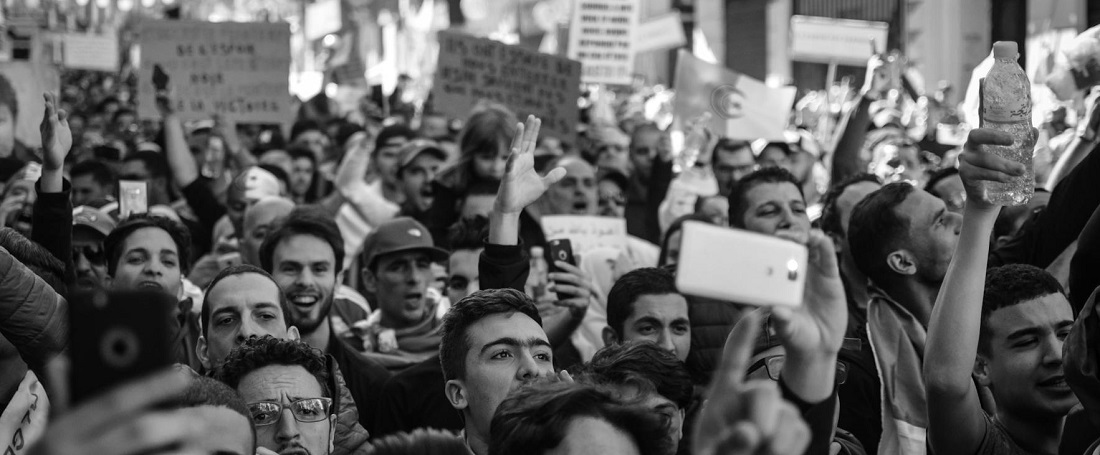
Protest by Amine M'siouri from Pexels

Political unrest in Peru is common, and it most often takes the form of street protests that can bring whole cities to a halt. Demonstrations have closed airports, blocked major highways, halted the train to Machu Picchu, and sealed land borders, so they affect far more than the daily commute.

Protests can carry on for days or even weeks, so keep an eye on the local news and check whether your route is affected before you set out.

Most demonstrations are peaceful, but some turn violent, and police and protesters have clashed before with deadly results. Steer clear of them altogether. Foreigners who take part risk being detained or deported.

The government declares states of emergency fairly often, during political unrest and increasingly during periods of higher crime in Lima and other cities. Under these measures, the police are supported by armed forces, and the authorities can restrict freedom of movement and assembly, and sometimes even impose curfews. Follow any official instructions and carry your identification while one is in force.


Terrorism in Peru

Terrorism in Peru is now a shadow of what it once was. The only active threat is the remnant of the Shining Path, a Maoist insurgency that fought a brutal war against the state through the 1980s and 1990s. Tens of thousands of people died in that conflict before the security forces captured the group's founder, Abimael Guzmán, in 1992. Guzmán died in prison in 2021, and what is left today is a far smaller faction that funds itself by guarding cocaine shipments in a remote stretch of jungle.

This faction holes up in the VRAEM, the Spanish shorthand for the Valley of the Apurímac, Ene, and Mantaro rivers. This remote, coca-growing area includes parts of Ayacucho, Cusco, Huancavelica, and Junín. Its fighters occasionally ambush army and police patrols there, but large-scale attacks are long gone.

You are highly unlikely to be affected as a foreign resident, because the VRAEM is far from the main cities and the usual tourist routes. Cusco, the Sacred Valley, Machu Picchu, and Lake Titicaca are all well outside it. Keep out of the VRAEM itself, and you have nothing to worry about.


Road safety in Peru

Public transport in Peru by Sandra Camacho

Road safety in Peru is worse than many newcomers expect, and traffic accidents are one of the biggest dangers you will face here. The death rate on Peru's roads is far higher than in Europe or North America. Drivers routinely speed, run red lights, tailgate, and pay little heed to pedestrians, so take care when you cross the street and stay alert even on the pavement.

Long-distance bus crashes are common as well, above all at night and on the switchback roads through the Andes. Driver fatigue and speeding are behind many of them. Stick to well-established bus companies with good safety records, and avoid overnight journeys through the mountains where you can. On the steepest routes, a daytime departure is worth the extra hours.

Weather in Peru

The weather in Peru comes down to which region you live in, as the country's terrain is so diverse. The main reason is altitude. On any given day, the high Andes can be below freezing at night while the coast is mild and the jungle hot and humid. Peru has three climate zones: the coastal region (La Costa), the Andean region (La Sierra), and the Amazon rainforest (La Selva).

The Pacific coast is a desert and gets very little rain, and the Humboldt Current that flows just offshore cools the air and keeps the coast dry for much of the year. Lima, the capital, is right on this coastal strip and gets almost no rain. What it does get is endless grey. From about May to November, a thick blanket of sea fog called the garúa settles over the city, and the locals call the dull, low sky the panza de burro, or donkey's belly. Lima's warm season is December to April, when temperatures average 66°F to 81°F (19°C to 27°C). Winter (June to October) temperatures in the city often drop to 59°F (15°C).

The Andes and the Amazon are a different story. Both get heavy rain, and it peaks between January and March. Their drier stretch is roughly June to September.

If you're moving to Lima or the coast, light clothing will be enough for summer, but pack a jacket for the greyer, cooler winter. Warm layers are essential in the highlands, where the nights turn cold regardless of the season. Waterproofs are worth having for the jungle, and for the wet season up in the mountains.


Working in Peru

Working in Peru means career progression on a gentle cost of living, in a country that's worth seeing on your days off, from the Andes to the Amazon. The economy is in solid shape and has steadily grown for years, and expats can find openings across several industries.

Lima, Peru's capital, is the country's business centre and home to the largest expat community. There's work beyond the capital too, especially in tourism around smaller towns and rural areas.

Every foreigner working in Peru needs the right work permit. Anyone arriving on a corporate relocation will usually have one sorted by their employer.


Job market in Peru

Looking for a job in Peru

In Peru's job market, mining is the biggest draw for foreign firms and the workers who come with them. Peru is one of the world's top copper producers and a major source of gold, silver, and other metals. There's also work to be found in agriculture, fishing, oil and gas, and manufacturing. A lot of foreigners find jobs in tourism or teaching English.

It isn’t always easy to land a job at a Peruvian company. Local candidates usually come first, and the law is strict about hiring foreigners. Peruvian companies can’t bring in foreigners for more than 20 percent of their headcount, and they can't spend more than 30 percent of the payroll on foreign salaries. Companies can apply for exemptions when they need a specialist or senior manager that local candidates can't provide, which is why most expats end up at foreign-owned firms or arrive on a corporate transfer.

Some expats pick up part-time work or teach English at language institutes and universities. Demand for English teachers is on the rise in Lima, where locals want the language for business or to give their children a leg up.

Useful links


Finding a job in Peru

You'll often get further finding a job in Peru through who you know than through cold applications. Personal networks and word of mouth still matter here, so let your contacts know you're looking and build relationships once you're on the ground.

If you're still abroad, the internet is the place to start. Computrabajo is the country's largest job board, and a solid LinkedIn profile is nearly essential for professional roles. You can turn up leads through expat groups on social media too. Pick out a few companies you'd like to work for and keep an eye on their careers pages.

Useful links


Work culture in Peru

Colleagues at work in Peru

Peruvians put personal relationships at the heart of work culture in Peru. They prefer to do business with people they know and trust, so expect some small talk and rapport-building before anyone gets down to brass tacks. Family matters too, and work rarely cuts into family time.

Peruvians keep a relaxed attitude toward time, and meetings often start late. You'll still be expected to show up on schedule, especially with senior colleagues. The workplace tends to be hierarchical, so senior managers make most of the calls, although they'll usually hear others out first. Respect is typically given based on age, status, education, and title.

Communication is indirect, and most Peruvians would rather sidestep conflict than meet it head-on. A soft 'maybe' or 'we'll see' often means no. Spanish is the official and business language, and English is limited outside international firms and professional circles in the big cities. A bit of Spanish will help you land a job and settle in.

Business Culture in Peru

Doing Business in Peru

Doing business in Peru is generally welcoming for foreigners: the government actively encourages foreign investment, and the economy is one of Latin America’s most open and commodity-driven. Recent growth has been steady rather than spectacular, and both inflation and public debt are low.

Mining is central to the economy. Peru is one of the world’s largest producers of copper and has major deposits of silver, gold, lead, and zinc. Agriculture, fishing, natural gas, oil, and manufacturing are the other main sectors. The capital, Lima, is the centre of commerce and is where most foreigners do business in Peru.

Peru is an attractive place to do business, thanks to its natural resources and open, investment-friendly economy. Political stability is the weak spot: the country has seen rapid turnover of presidents and cabinets in recent years, and companies have learned to plan around the churn.


Fast facts

Doing business in Peru

Business hours

Business hours in Peru are fairly standard: 9am to 6pm, Monday to Friday. Most people take an hour off for lunch.

Business language

Spanish is the main language of business in Peru. While English may be understood in large corporate enterprises in Lima, it is not widely spoken or understood within the public sector. If you don’t speak Spanish, you should arrange an interpreter for meetings with smaller firms or government offices.

Greetings

Greetings in Peru are formal in business settings. Between women, or between a man and a woman who already know each other, a single kiss on one cheek is quite common. People who don’t know each other as well (or men who are friends) usually keep to a handshake. Address people by their title (Señor or Señora, or a professional title such as Doctor or Ingeniero) and surname until you’re invited to use first names.

Dress

Business dress in Peru is formal and conservative. Men wear dark suits and ties. Women wear tailored dresses or smart blouses with skirts. Peruvians place weight on first impressions, so err on the side of looking polished.

Gifts

Gifts are not expected at business meetings, but it is common practice to give a gift if invited to someone’s home. Flowers, chocolates, or a good bottle of wine or spirits are all safe choices.

Gender equality

Gender equality in Peru still has a way to go. Gender roles are fairly traditional, and machismo is a feature of many workplaces. Women are well represented in the workforce but thin on the ground in senior leadership, and they still earn less than men for comparable work despite a law against wage discrimination. Foreign businesswomen are generally treated with respect in professional circles, especially in Lima, and you’ll be taken seriously if you stay confident and professional.


Business culture in Peru

Business culture in Peru is built on relationships and trust, much as it is across Latin America. Peruvians prefer to deal with people they already know, so it pays to network early and often. You’ll often get further on a strong personal connection than on a polished pitch.

Business culture in Peru

Management style

Management style in Peru is formal and top-down: companies are hierarchical, and the people at the top make the decisions. Senior managers may consult junior staff, but only lightly, and those in authority are respected for their experience and know-how. To avoid delays and mixed messages, make sure your meeting is with the senior decision-makers rather than intermediaries.

Communication style

The communication style in Peru is indirect and rather ambiguous, so it may be difficult to decipher what someone is truly saying. Peruvians care a great deal about saving face, and they typically try to avoid causing offence or confrontation. When conversing, a Peruvian may appear to agree with what is being said, even if they don’t really.

Peruvians are largely open, and it’s not unusual for them to stand close together and touch each other on the shoulder or hands while talking.

Business relationships

In Peru, you build a business relationship on the person first, not the deal. Peruvians like to get to know an associate before doing business together, so they often open a meeting with small talk about family or football.


Dos and don’ts of doing business in Peru

  • Do make small talk at the start of a meeting, but avoid topics such as politics and religion
  • Do be punctual, but don’t expect the same in return; people often turn up late, and the more senior the person, the longer you may wait
  • Do try to learn some Spanish, especially for dealings with the public sector, since English is not widely spoken outside city business circles
  • Do bring plenty of business cards and have one side printed in Spanish. Present yours with the Spanish side facing the recipient.
  • Don’t bring up the War of the Pacific or draw comparisons with Chile; many Peruvians still feel strongly about the 19th-century conflict

Healthcare in Peru

Healthcare in Peru is inconsistent, and rural areas in particular have only a handful of well-equipped facilities. The country has both public and private facilities, but most expats rely on the private system, as the public hospitals are widely seen as overstretched and short-staffed.


Public healthcare in Peru

Public healthcare in Peru is stretched thin, largely because the system is seriously underfunded. Government-funded hospitals have long waiting times, and patients with non-urgent concerns often wait months for an appointment.

Rural areas have far fewer options. The clinics there are small and under-resourced, and their staff rarely speaks English. Anyone with a serious emergency may need to be evacuated to a city with better-equipped hospitals.


Private healthcare in Peru

Private healthcare in Peru

Private healthcare in Peru is concentrated in Lima, where the best clinics meet international standards, and many doctors speak English. Other cities, such as Arequipa and Cusco, have private options too, although these are more limited. These clinics are better staffed and equipped than the public hospitals, and they are the first choice for most expats.

Private care is relatively affordable by Western standards, but doctors often expect payment up front, regardless of your insurance arrangement. Check how payment works before your appointment.


Health insurance in Peru

Health insurance in Peru comes in two public forms for the country's nationals: Seguro Integral de Salud (SIS) and EsSalud. The Ministry of Health runs SIS, which mainly covers low-income Peruvians and others without insurance. EsSalud covers formally employed workers and their families, who use its own network of hospitals and clinics.

For easy access to private care, you should take out private health insurance. If your move to Peru is part of a corporate relocation package, factor the cost of cover into your contract negotiations.

Useful links


Pharmacies and medication in Peru

Pharmacies and medication in Peru

Pharmacies in Peru go by two names, botica and farmacia, and you will find one on almost every block in the cities. Look for a green cross on a white background, the symbol used in much of the world. Many are open around the clock, and larger supermarket chains such as Plaza Vea and Metro also have in-store pharmacies. Plenty of medicines are sold over the counter, although for some you will still need a local prescription.

The big chains in cities such as Lima also run delivery services around the clock. You can order by phone or through their apps and have a courier bring it to your door.


Health hazards in Peru

Health hazards in Peru are largely a matter of geography. In the highlands, the main risk is altitude sickness, which locals call soroche. Many new arrivals feel it in places such as Cusco, Puno, Huaraz, and the Colca Canyon. Symptoms include headache, nausea, lethargy, and dizziness. Most visitors improve with rest and time to acclimatise, and locals swear by coca tea; see a doctor if symptoms persist or worsen.

Malaria is a risk in the jungle areas east of the Andes, mainly the Amazon lowlands below about 8,200 feet (2,500 m). If you are heading there, take antimalarial precautions and protect yourself against bites.

Dengue fever is a growing concern in Peru, and outbreaks have become larger and more frequent in recent years. The Aedes mosquito that carries it is active in the lowlands and along the northern coast, and there are cases in Lima in the worst seasons. High-altitude destinations such as Cusco, the Sacred Valley, Machu Picchu, and Lake Titicaca are largely free of dengue. There is no specific treatment, so avoiding bites is your best protection.

Stomach upsets from contaminated food or water are common, even in the cities. Stick to bottled or boiled water, and be cautious with street food and raw produce until your system adjusts.


Vaccinations in Peru

No vaccinations are required to enter Peru, unless you arrive from a country where yellow fever is a risk, when you may need to show proof. You should still have several jabs before you move. The US Centers for Disease Control and Prevention (CDC) recommends hepatitis A and typhoid for most travellers to Peru, as both are spread through contaminated food and water. If you plan a long stay or time in remote areas, ask your doctor about hepatitis B and rabies as well.

If you are heading into the Amazon, the yellow fever vaccine is strongly recommended for jungle regions below around 7,500 feet (2,300 m), such as Loreto, Madre de Dios, Ucayali, and San Martín. Have it at least 10 days before you travel, since that is how long it takes to work.

You should also keep your routine vaccinations up to date. Measles has resurfaced in parts of South America, so check that your MMR cover is up to date. Routine vaccinations to stay on top of include:

  • MMR (measles, mumps, and rubella)
  • Tetanus and diphtheria (Tdap)
  • Polio
  • Chickenpox
  • Seasonal influenza
  • Covid-19

Emergency medical services in Peru

Emergency medical services in Peru are patchy outside the main cities. In Lima and other large cities, you can call the public ambulance line, SAMU, free on 106; EsSalud members in Lima and Callao can also use 117. Response times can be slow, so many expats go straight to a private clinic, several of which run their own ambulances. For a general emergency, you can also dial 105 for the police, or 911 in Lima and Callao.

In remote areas and anywhere with limited facilities, anyone with a serious condition may need evacuation to Lima or abroad. Make sure your health insurance covers medical evacuation, and keep your insurer's emergency numbers to hand, as many provide a list of nearby hospitals.


Hospitals in Lima

Doctor in the hospital by RDNE from Pexels

The hospitals in Lima are the best-equipped in the country, and the private clinics below are popular with the expat community.

Clinica Anglo Americana

Website: www.clinicaangloamericana.pe 
Address: Calle Alfredo Salazar 350, San Isidro 15073

Clinica San Borja

Website: www.sanna.pe 
Address: Av. Guardia Civil 337, San Borja 15036

Clinica Ricardo Palma

Website: www.crp.com.pe 
Address: Av. Javier Prado Este 1066, San Isidro 15036

Banking, Money and Taxes in Peru

Money and banking in Peru are fairly straightforward to handle, and the tax rules are clear enough once you know whether you count as a resident.

Peru's banking system is modern and well regulated, overseen by the country's financial watchdog, the Superintendence of Banking, Insurance and Pension Funds (SBS). The government privatised the banking sector in the 1990s, and expats now choose from a wide range of local and international banks.


Money in Peru

Money in Peru is denominated in the Sol (PEN), which is divided into 100 céntimos. Its symbol is S/.

  • Notes: PEN 10, PEN 20, PEN 50, PEN 100 and PEN 200
  • Coins: PEN 1, PEN 2 and PEN 5, plus 10 céntimos, 20 céntimos and 50 céntimos

The 1 and 5 céntimo coins have been withdrawn, so shops round cash totals to the nearest 10 céntimos.

US dollars are widely accepted in Peru, but the exchange rate you get for them is usually poor. For small, day-to-day purchases, you're better off with soles, since many little shops only deal in the local currency.


Banking in Peru

ATMs and banking in Peru

Banking in Peru is fairly painless once you're set up, and you've got plenty of choice. The market is led by four big banks: BCP, BBVA, Interbank, and Scotiabank. BCP is the largest and has the widest ATM network, which is handy once you head outside Lima.

Online and mobile banking are well established, so you can sort out most things without queuing at a branch. Fees are another matter. Many banks charge for individual transactions, so it pays to compare tariffs before you settle on one.

Counterfeit notes are a known headache, especially US dollars, so change money only at a bank or a licensed exchange house (casa de cambio).

Most branches are open from 9am to 6pm on weekdays and from 9am to 1pm on Saturdays. Branches inside shopping centres are sometimes open longer and at weekends.

Opening a bank account

Opening a bank account in Peru is straightforward for foreigners, and you can hold your money in soles or, at many banks, in US dollars. For a basic savings account, a passport or your home-country ID is usually enough. If you hold a Carné de Extranjería (the foreign resident ID card), you can open the full range of accounts, and the process is smoother. You'll normally need to show proof of a local address, and some banks ask for proof of income too.

ATMs and credit cards

ATMs are easy to find across Peru, and there are more of them in the bigger cities and tourist hubs. Look inside bank branches and shopping centres, near the main square of most towns, and in some pharmacies and supermarkets. Foreign bank cards aren't always accepted, so check before you try to withdraw cash.

In the cities, you can pay by card in larger shops, supermarkets, restaurants, and hotels. Visa and Mastercard are the most widely accepted; American Express is taken mainly at high-end hotels and restaurants. Out in rural Peru, you'll mostly be paying in cash, since cards often aren't an option, so keep some soles on you.

Useful links


Taxes in Peru

Managing taxes in Peru

Residents and non-residents are taxed differently in Peru. Residents pay tax on their worldwide income on a progressive scale of 8 to 30 percent, while non-residents pay a flat 30 percent on the income they earn here. You count as a tax resident once you've spent more than 183 days in the country within any 12-month period, and those days needn't be consecutive.

Your tax status is fixed at the start of each tax year, so if you cross the 183-day mark partway through, you only pay tax on your worldwide income from 1 January of the following year. Until then, Peru taxes you as a non-resident.

Beyond income tax, employees also pay into a pension fund (the state ONP or a private AFP), and this deduction is usually around 10 to 13 percent of your salary. Employers cover healthcare separately through the public insurance scheme, EsSalud.

Peru also has double taxation treaties with a number of countries, including the UK, although not the USA, so many expats can avoid being taxed twice on the same income. Expat tax can be complicated, so it pays to talk to a tax adviser who handles expat cases, ideally before you cross the residency line.

Useful links

Transport and Driving in Peru

Transport in Peru is cheap and, for the most part, straightforward. The country has three distinct regions: the coastal desert, the Andean highlands, and the Amazon jungle. Some journeys between them are long and winding as a result, but the scenery along the way is often the highlight.

You can get around by bus, train, mototaxi, or colectivo. Most of these cost little, and cheap transport is one reason Peru's overall cost of living is low.


Public transport in Peru

Bus at Intersection in Lima, Peru, by Alexandra Tran on Unsplash

Buses

Buses in Peru are the cheapest way to cover long distances, and they're how most people travel between towns. Local city buses tend to be crowded and slow, so it's worth turning up at the stop early if you want a seat.

Within cities, the workhorses are combis and micros, the privately run minibuses and small buses that stop anywhere along a set route. Fares are flat and cheap. Lima also has the Metropolitano, a bus rapid transit service with its own lanes along a north-south corridor, plus a metro line (Línea 1); a second line is under construction and partly open. You pay for these with a rechargeable card rather than cash.

For intercity travel, several private companies run comfortable long-distance coaches, and many operate their own terminals. The best-known are Cruz del Sur, Oltursa, Civa, and Movil Bus. Peru Hop is a popular hop-on, hop-off service aimed at travellers who want to break up the trip with stops along the way.

You can book the bigger express services online or buy directly at the company's office. On these coaches, you'll usually find on-board toilets, air conditioning, reclining seats, and snacks.

Train in Peru by Sandra Camacho from Pexels

Trains

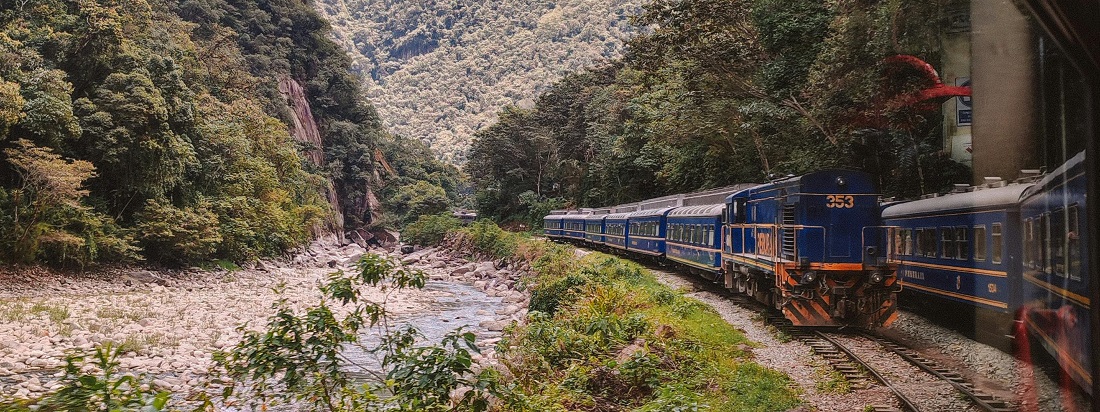
Trains in Peru are more of a scenic experience than a day-to-day way to get around. Two companies, PeruRail and Inca Rail, run the tourist trains, and the busiest route is the one from Cusco through the Sacred Valley to Machu Picchu, which you can reach only by train or on foot. PeruRail also runs longer scenic routes, including the ride across the high Andean plateau to Lake Titicaca and Puno.

It's worth booking well ahead, especially in the dry season from May to September. The carriages themselves are anything from basic and functional to genuinely luxurious, and the pricier ones have big panoramic windows for the mountain scenery.

Mototaxis

Mototaxis are three-wheeled motorbike cabs that can be found everywhere in Peru's smaller towns and on the edges of the bigger cities. They're cheap and quick over short distances, and they’re a handy option if you'd rather not walk. Agree on the fare with the driver before you set off, since almost none of them use a meter.

Useful links


Taxis in Peru

Taxis in Peru are easy to find in any town or city. The industry isn't tightly regulated, and many people use their own cars as informal taxis. Few have meters, so agree on the fare before you get in.

There's some risk in hailing a taxi on the street. Unregistered drivers have been known to overcharge foreigners, and there have been cases of robbery and express kidnapping, so it's safest not to flag one down. Booking through an app is safer because you'll see the driver, car, plate, and fare before the trip starts.

Ride-hailing apps are widely used in the bigger cities. Uber, Cabify, DiDi, and inDrive all operate in Lima and other large centres, and with an app, there's no haggling over the fare and no language barrier to deal with.

Colectivos

Colectivos are shared taxis, usually cars or small minibuses, on fixed routes between and within towns. They tend to be old and overcrowded, and their drivers have a reputation for going too fast. They're cheap, but they're not the most comfortable or reassuring way to get around.

Useful links


Driving in Peru

Driving in Peru by Pixabay from Pexels

Driving in Peru isn't much use if you live in one of the big cities, where public transport is enough for most trips and a car is more hassle than help. Even so, plenty of expats keep a car, especially if they want to see more of the country at their own pace.

Roads are often in poor condition, and driving standards are low. Traffic can be appalling in the cities, above all in Lima, and accidents are common. At night, there's an added risk of crime, especially on rural roads. Away from the main towns, many roads are unpaved, and you may need a four-wheel-drive vehicle. In the rainy season, roughly November to April, landslides can wash out mountain roads and close them for days at a time.

Driver's licences

You can drive on your home licence for up to 183 days after you arrive, and after that, you'll need a Peruvian one. It's worth carrying an International Driving Permit (IDP), which you arrange at home before you leave. It translates your licence into Spanish, so there's no confusion over which vehicles you're allowed to drive.

Peru has licence-exchange agreements with several countries, but the swap tends to be slow and pricey. Many people find it simpler and cheaper to sit the Peruvian test from scratch. For that, you'll need your Carné de Extranjería (the foreigner ID card), and you have to pass a medical check, a written theory exam, and a practical driving test.

Useful links


Domestic flights in Peru

Domestic flights in Peru are a big time-saver, given the distances involved, and they're often quicker than a long overland trip. A few places have no road access at all. You reach the jungle city of Iquitos, for instance, only by plane or by boat.

The country's main hub is Jorge Chávez International Airport, in Callao, right next to Lima. A large new terminal opened there in 2025 to replace the old one. Plenty of international airlines fly in and out of Lima, and on domestic routes, the main carriers are LATAM Perú, Sky Airline, JetSMART, and Star Perú. Budget airlines have pushed fares down in recent years, although it pays to read the fine print, as some of the cheapest tickets are sold to Peruvian nationals only, and foreigners who book them can be charged the difference at the airport.

Useful links

Cost of Living in Peru

The cost of living in Peru is moderate compared to other Latin American countries. You’ll pay more in the cities than in the countryside, and Lima is the priciest of the lot. Outside the main cities, expect a narrower choice of shops and services and less consistent produce.

Lima itself is mid-range for living costs and more affordable than many major international capitals, although housing in the sought-after neighbourhoods and imported goods can still be pricey.


Cost of accommodation in Peru

The cost of accommodation in Peru is highest in the larger cities. Lima has the most expensive housing, particularly in areas such as Miraflores, Barranco, San Isidro, and San Borja.

Accommodation is likely to be your most significant expense when living in Peru. If you’re moving to the country as part of a corporate relocation programme, it’s a good idea to factor accommodation costs into contract negotiations. You’ll also need to budget for utilities such as electricity, water, gas, and internet, which are usually not included in the monthly rent. Upfront costs can be steep, so set aside enough for the deposit and any agency fees.

You’ll usually pay a monthly maintenance fee (mantenimiento) for shared areas and security on top of the rent. Many newcomers don’t expect this. If Miraflores or Barranco prices are more than you want to pay, you’ll get more room for your money in districts a little further out, such as Pueblo Libre or Jesús María.

Renting Accommodation in Peru


Cost of transport in Peru

The cost of transport in Peru is low. Buses, the Metropolitano rapid transit network, the Lima Metro, and taxis are the main ways of getting around, and all are affordable. Buses are widely available but can be slow, and overcrowding is common. Ride-hailing apps such as Uber, Cabify, DiDi, and inDrive are popular in Lima and a handy alternative to street taxis.

Owning a car is worth considering if you want to venture out beyond the cities or prefer the freedom of your own wheels, but it is pricier than public transport. The government taxes fuel, so petrol is not cheap at the pump. You’ll also pay for insurance and city parking.

Public Transport in Peru


Cost of groceries in Peru

The cost of groceries in Peru is relatively low. Food at local fresh produce markets is generally cheaper than in supermarkets, and you can often haggle over the price. Quality is not always consistent, so it pays to know your stalls.

Plaza Vea is one of the country’s largest supermarket chains and handy for a big shop under one roof. Wong is at the premium end and pricier than its rivals, so budget-minded shoppers usually head to value chains like Metro or Mass, or to the neighbourhood markets.


Cost of entertainment and eating out in Peru

Eating out in Peru is one of the country’s real pleasures, from traditional local eateries to fine dining. Mid-range and upscale restaurants can be more expensive, but street food and the local markets are the go-to options for a cheap, tasty meal.

Museums, live music, historical tours, and the cinema are all cheap in Peru. Peru’s nightlife is lively, especially in Lima and the other big cities. You can spend big at high-end venues, but there are plenty of cheaper nights out too.

Outdoor enthusiasts are spoilt for choice in Peru, from hiking in the Andes to surfing off the coast. You’ll need a guide or specialised equipment for some of it, but there are plenty of low-cost ways to get outdoors.


Cost of education in Peru

Public education in Peru is free, but the system is underfunded, and lessons are taught in Spanish. Most expat parents send their children to private or international schools, where the teaching is to a higher standard, and pupils can continue in their home language or curriculum.

International school fees are a significant expense, so build them into your budget from the start. If you’re relocating for work, try to negotiate an education allowance into your package.

Education in Peru 
International Schools in Peru


Cost of healthcare in Peru

Healthcare in Peru is split into public and private systems. The public system is cheap and widely available, but you’ll face long waits and patchy facilities. Private healthcare is a clear step up and is what most foreign residents choose, although it is more expensive. Take out full health insurance to cover private facilities and specialist consultations.

Some multinational companies include health insurance in their relocation packages. If you’re arranging your own, several international providers sell plans built for people living in Peru. Compare policies carefully and pick the best fit for your needs and budget.

Healthcare in Peru


Cost of living in Peru chart

Prices are listed in Peruvian soles (PEN) and may vary depending on the product and service provider. The list below shows average prices for Lima in September 2026.

Accommodation (monthly rent)
One-bedroom apartment in the city centrePEN 2,600
One-bedroom apartment outside the city centrePEN 1,200
Three-bedroom apartment in the city centrePEN 4,300
Three-bedroom apartment outside the city centrePEN 2,250
Shopping
Eggs (dozen)PEN 10
Milk (1 litre)PEN 5.50
Rice (1kg)PEN 4.65
Loaf of white breadPEN 8
Chicken breasts (1kg)PEN 20
Cheese (500g)PEN 15
Eating out
Three-course meal for two at a mid-range restaurantPEN 110
Big Mac MealPEN 24
Coca-Cola (330ml)PEN 3.50
CappuccinoPEN 10
Local draft beer (500ml)PEN 9
Utilities
Mobile phone monthly plan with calls and dataPEN 55
Internet (uncapped cable or fibre, average per month)PEN 95
Basic utilities (average per month for a standard household)PEN 230
Transport
Taxi rate (per kilometre)PEN 6
Bus/train fare in the city centrePEN 2.50
Gasoline/petrol (per litre)PEN 5.50

Education and Schools in Peru

Families moving to Peru with children have a decent spread of schooling options, from free public schools through to fee-paying private and international ones. Peru's public system is free, and the country has been one of Latin America's fastest improvers on international tests. It's still underfunded, though, and its students score below regional leaders such as Chile.

Most expat parents go private or international, mainly to get around the language barrier and to keep their children on a globally recognised curriculum.


Public schools in Peru

Public schools in Peru

Peruvian children can attend public school for free, and schooling is compulsory from the last year of preschool, at age 5 through to 16. Funding is tight and class sizes tend to be large, and the gap between well-off urban schools and poorer rural ones is wide.

Lessons are in Spanish and based on the national curriculum. For most expat children, that language barrier is the first hurdle in the state system. In parts of the Andes and the Amazon, lessons are sometimes given in an indigenous language such as Quechua or Aymara.

Basic education is organised into three stages:

  • early years or pre-school (inicial), ages 3 to 5
  • primary (primaria), ages 6 to 11
  • secondary (secundaria), ages 12 to 16

In the upper years of secondary school, students pick either an academic track or a more technical, vocational one. After that, they can go on to a university or a technical institute; most institutes are private but overseen by the Ministry of Education.

The school week is Monday to Friday, and the school day is usually about 8am to 2pm, although students at full-day secondary schools finish later. The Peruvian school year is from March to December, and the year is typically split into four terms.

Useful links


Private schools in Peru

You'll find private schools right across Peru's cities, and they're especially thick on the ground in Lima. There is everything from modest neighbourhood colegios to well-resourced bilingual schools, so fees and standards are all over the map.

Many teach the Peruvian curriculum in Spanish. A good number also run bilingual Spanish and English programmes, which are a gentler landing for children who arrive with no Spanish. Some are run by religious orders; others are overseen by a private board and funded through fees.

Before you commit anywhere, you can look up a school's official registration on Identicole, the Ministry of Education's public school register.


International schools in Peru

For most expat families, international schools in Peru are the obvious choice. Teaching is mostly in English, so children sidestep the language barrier, and because many follow a globally recognised curriculum such as the IB, children can slot straight into a school elsewhere if the family moves on again. These schools are better funded than state ones, so the facilities and extras are a step up.

Peru has one of the deepest international school sectors in Latin America. Around 90 of its schools are authorised IB World Schools, and others follow British (and Cambridge), American, French, German, or Italian programmes. By law, all of them teach the Peruvian curriculum alongside their own, and most are bilingual in Spanish and English. Most are in Lima, especially in the Santiago de Surco and La Molina districts, and there are others in Arequipa and a handful of other cities.

Fees are higher than at local private schools, and the most sought-after schools are hard to get into. At the top Lima schools, waiting lists are long, and families often apply up to a year ahead.

International Schools in Peru

Useful links


Special educational needs in Peru

Special educational needs in Peru

Support for special educational needs in Peru is patchy, and it's thinnest in rural areas where teachers are already stretched. On paper, the system is inclusive. Mainstream public schools are meant to enrol children with disabilities and keep places open for them. Roving support teams, the SAANEE, are there to help them.

Children with more severe or multiple disabilities are taught at separate special schools, the CEBE, and there's an early intervention programme (PRITE) for the under-threes.

In practice, resources are tight, and many families look beyond the state sector. Private and international schools tend to have far more to offer, and specialist centres such as the Centro Ann Sullivan del Perú work with children who have developmental disabilities. Contact any school or centre directly to find out exactly what support they can give.

Useful links


Tutors in Peru

A private tutor can help an expat child settle into a new school system, catch up after a mid-year move, get to grips with a tricky subject, or pick up Spanish faster. One-to-one attention is often exactly what a child needs to find their feet. Dedicated tutoring firms are fairly thin on the ground in Peru, so most families arrange lessons through online marketplaces where you can filter by subject, level, price, and whether you want lessons in person or online.

Useful links

Local culture in Peru

The local culture in Peru has deep roots and a mixed heritage. The country was the centre of the Inca Empire, and after the Spanish conquest, it became the seat of the Viceroyalty of Peru and the hub of Spanish power in South America. You can still see that history everywhere, in the languages you'll hear and the food on your plate.

Most newcomers settle in without much trouble. Peruvians tend to be warm and welcoming to foreigners, if a little reserved at first. Mestizos, Peruvians of mixed Indigenous and European descent, make up the majority of the population. Smaller communities include Indigenous Peruvians, most of whom speak Quechua or Aymara. There are also Peruvians of European and African descent, and a sizeable Asian population that is mainly of Chinese and Japanese origin.


Language barrier in Peru

The language barrier in Peru is the first thing that most newcomers will have to overcome. Spanish is the country's official language, and you'll need it for everything from daily life to official paperwork. Spanish isn't optional if you want to settle in properly in Peru. Some Peruvians in Lima's corporate world and in Cusco speak English, but the average person you meet won't, so even a basic grasp of the Spanish language will make daily life far smoother.

Quechua, Aymara, and other Indigenous languages are co-official in the regions where they're most widely spoken, and you'll hear Quechua in particular across the Andes.


Cultural differences in Peru

You'll notice a few cultural differences in Peru, especially in the way Peruvians communicate. They tend to value smooth social relations, sometimes called simpatía, over blunt directness. A flat 'no' can come across as rude in Peru, so you'll often hear a softer tal vez (maybe) or vamos a ver (we'll see) when the answer is actually no. It can help a lot if you learn to read between the lines.

Family ties are strong, and workplaces and institutions tend to be hierarchical, so Peruvians show real respect for age and seniority. An invitation to a family lunch or a birthday is a genuine sign of acceptance, and turning one down without a good reason can cause offence.


Time in Peru

A person checking their watch, Time in Peru

Time in Peru is more fluid than many newcomers are used to, although a lot depends on where you settle. Peruvians are famously relaxed about punctuality, and the habit even has a name, la hora peruana. Turning up 30 minutes to an hour after the agreed time is normal for a party or a casual meet-up. Work is stricter, and you'll be expected to arrive on time even when your Peruvian colleague doesn't, so it's worth checking whether an invitation means the clock time or 'Peruvian time'.

Families gather for the main meal of the day, usually a long midday lunch (almuerzo). In some parts of the country, workers still keep the traditional siesta. They go home at midday to eat with their families and rest through the hottest hours. You won't see it much in big cities like Lima, although it's still common in smaller towns. Dinner is usually eaten late, and friends and families often head out to a local restaurant or bar in the evening.


Food and drinks in Peru

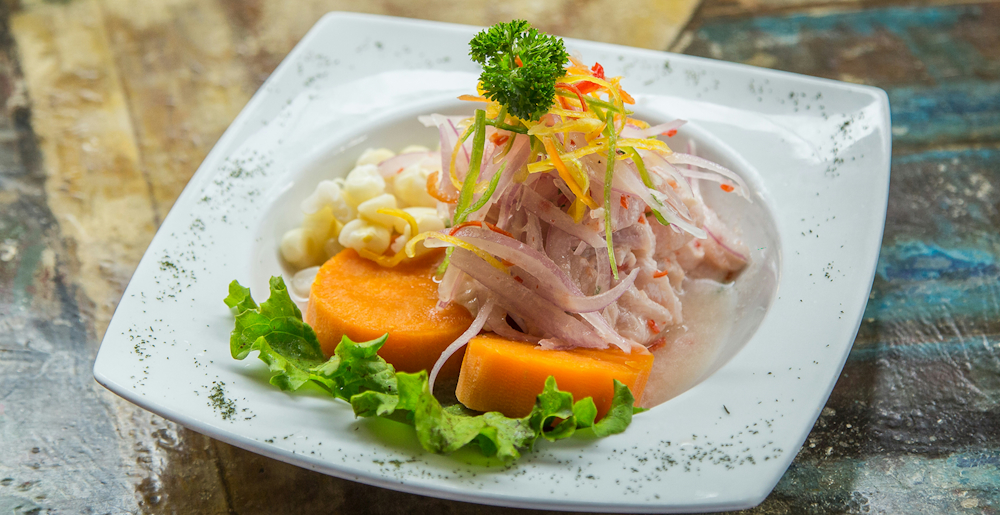
Peruvian Ceviche by Pirata Studio Film on Unsplash

Food and drink are one of the real pleasures of life in Peru, and the country's cooking has a serious international reputation. The base is Indigenous and Spanish, and Chinese, Japanese, African, and Italian immigrants have all added to it. The Chinese influence even has its own name, chifa, while Japanese-Peruvian cooking is known as nikkei.

Potatoes, corn, legumes, quinoa, and chilli peppers (ají) are Peruvian staples, and the country has thousands of native potato varieties. Peru has a long Pacific coastline, so fish and shellfish are everywhere on the menu.

The most famous dish is ceviche, which is raw fish cured in lime juice with onion and ají. It's usually served with sweet potato and corn on the side, and there's even a national ceviche day. In the Andean highlands, Guinea pig (cuy) is a traditional dish too. It's roasted or fried and served whole for special occasions.

Chicha morada is a sweet, non-alcoholic drink you'll see everywhere. It's made from purple corn boiled with pineapple, cinnamon, cloves, and sugar, then served cold. Pisco, a grape brandy, is the national spirit, and it's the base of the pisco sour, a cocktail made with pisco, lime juice, egg white, sugar, and a dash of bitters.


Meeting and greeting in Peru

Meeting and greeting in Peru is usually warm and fairly informal. A handshake is fine for a first introduction, especially in business. In social settings, women greet other women and men with a single kiss on the right cheek, even on a first meeting, while men tend to shake hands or, among friends, add a pat on the back. When you arrive at a gathering, it's polite to greet everyone individually.

Some Indigenous Peruvians in parts of the Andes keep a greater distance from strangers and avoid eye contact with them, which can seem cold but is actually a sign of respect. Take a friendly, unhurried approach, and you'll get on well.


Bureaucracy in Peru

The bureaucracy in Peru is something most newcomers struggle with at some point. Official processes can be slow and paper-heavy, and you might need several visits to finish something simple. What one office asks for, another might not, and the rules can change without warning, so it pays to keep spare copies of all your documents and check what's needed before you queue.

Staying calm is the real skill. Getting angry at the counter rarely speeds anything up, and it often does the opposite. Many expats hand the trickiest paperwork, such as visas and residence permits, to a local lawyer or gestor who knows the system and can handle it for them.


LGBTQ+ in Peru

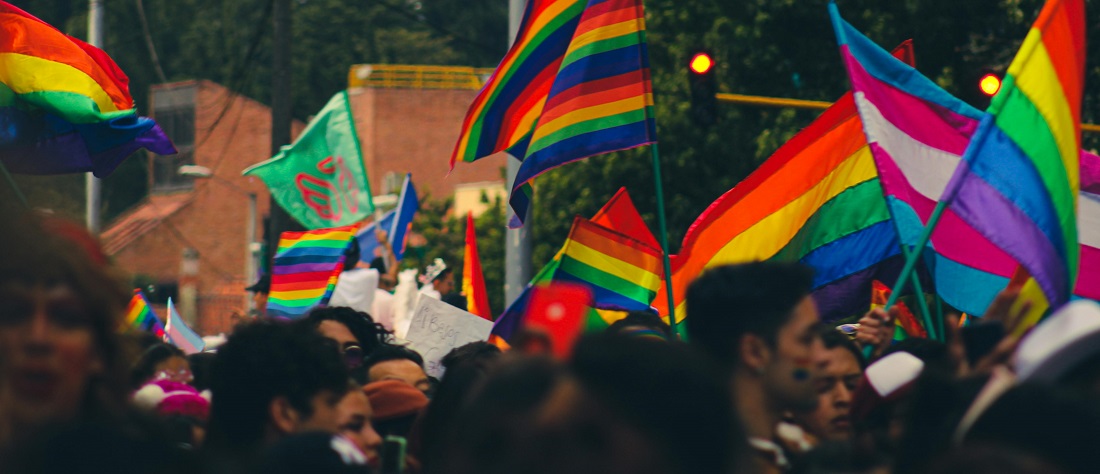
LGBTQ+ Pride march in Peru

The picture for LGBTQ+ people in Peru is mixed. Same-sex relationships have been legal since 1924, which was one of the earliest such reforms in Latin America, but not much has changed in the law since. Peru still has no same-sex marriage or civil union, and there's no national law against discrimination based on sexual orientation.

Peruvian society is conservative and strongly Catholic, and LGBTQ+ residents can experience prejudice, especially outside the big cities. Peru is more conservative than neighbours like Argentina or Brazil, so it's wise to be discreet with public displays of affection in rural areas and smaller towns.

Lima is the most open part of the country. Most of the LGBTQ+ scene is in the Miraflores and Barranco districts, where you'll find gay bars and cafés. Lima's Pride march has grown over the years, but not without some opposition. Cusco is fairly relaxed, thanks to its tourist crowd.


Women in Peru

Women in Peru still come up against traditional gender roles, and they are still under-represented in senior and leadership positions. Machismo is still part of the culture, although younger, city-based generations are moving away from it. Gender-based violence and femicide are serious problems in Peru, and both the press and campaigners give them plenty of attention.

Women who move to Peru should take the usual big-city precautions and, where possible, avoid walking alone late at night. Street harassment and catcalling do happen; they're more of a nuisance than a real threat, and less of an issue in the main tourist areas. Anyone who needs help can call Línea 100, the national helpline for violence against women, which is free and open around the clock.

Accommodation in Peru

Accommodation in Peru is cheap by North American or Western European standards, and low rents are one of the country's real draws for newcomers. There's a wide gap between Lima and the rest of the country, though.

In the cities, and Lima most of all, most expats rent apartments. Out in smaller towns and rural areas, freestanding houses are easier to come by and more the norm.


Types of accommodation in Peru

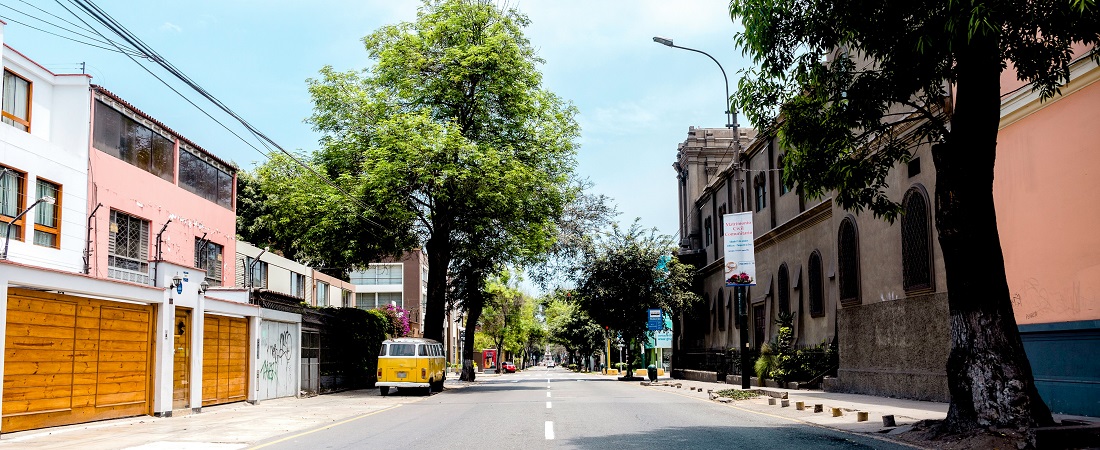
Types of accommodation in Peru, Barranco district, Lima

The main types of accommodation in Peru are apartments, freestanding houses, townhouses, and homes in gated complexes. Apartments (departamentos) are what most expats rent, and they are the mainstay of the market in every big city. Standalone houses are scarcer and more expensive in urban areas, so if you want extra space and a garden, expect to pay a premium for it.

The biggest factor in price is location. Central districts and the areas expats favour, in Lima, that means Miraflores, San Isidro, Barranco, and Surco, are the priciest, and you'll pay more for anything near the centre or a transport line. Newer residential complexes on the city fringes are often a good bet. They have up-to-date amenities and more room for your money in a quieter setting.

Security is worth weighing when you pick a place. Property crime is a real issue in Peruvian cities, and burglaries aren't rare, so it's worth choosing somewhere with round-the-clock security (a portería or vigilancia) and an alarm. Flats on higher floors tend to be safer than ground-floor units.

Furnished vs unfurnished

Apartments are let furnished, semi-furnished, or unfurnished, and unfurnished is the most common. A furnished flat should have the basics, furniture and white goods, whereas an unfurnished one often has no appliances at all, and sometimes not even light fittings.

Short lets

Short-term rentals are easy to find across Peru, especially in cities and tourist spots. Airbnb is the main platform, and Booking.com is another option for shorter stays. If you arrive on a short stay first, you can get a feel for different neighbourhoods before committing to a long-term lease. These places are usually fully furnished, and bills and internet are normally included in the price, which, for stays of any length, is usually cheaper than a hotel.

Useful links


Finding accommodation in Peru

When you're looking for accommodation in Peru, the best place to start is online, on the big property portals; they have listings nationwide in both soles and dollars. Expat groups on social media are worth a look too, especially for rooms and short lets you won't find on the big portals.

Estate agents in Peru are easy to find and genuinely useful for expats. A good agent will walk you through each step, and since many landlords speak little or no English, an agent or a Spanish-speaking friend is worth having at viewings. The owner usually pays the agent's commission (around one month's rent). If your employer has hired a relocation company, they'll do the legwork and shortlist places that fit your budget and preferences.

Useful links


Renting accommodation in Peru

Renting accommodation in Peru can feel unfamiliar at first, especially with the language barrier, so it's worth working with an estate agent who speaks both English and Spanish.

Renting accommodation in Peru

Making an application

When you apply, the landlord will usually ask for proof of legal residence, proof of income, a copy of your Carné de Extranjería (the ID card for foreign residents), and sometimes a credit check. Landlords are also required to confirm that foreign tenants are in the country legally, so it pays to have your residence papers in order.

Leases

There are two kinds of leases in Peru, fixed-term and indefinite-term. With a fixed-term lease, you and the landlord are both tied in for a set period, up to a maximum of 10 years, so read the terms closely before you sign. An indefinite-term lease is more flexible, since either side can end it with notice. That notice is normally a month, although you and the owner can agree on something different.

Deposits and fees

The landlord will likely ask for a security deposit of one or two months' rent when you sign, along with the first month up front. The deposit is there to cover any damage during the tenancy, so you'll get it back if you leave the place as you found it. If not, the landlord keeps enough to cover repairs.

Terminating the lease

You can end an indefinite-term lease with the agreed-upon notice period, which is usually a month. Leaving a fixed-term lease early is trickier, since if the contract has a penalty clause, you may forfeit part of your deposit or owe a set sum.


Utilities in Peru

Utilities in Peru, like water, electricity, gas, and internet, aren't always included in the rent, and some may be an extra cost on top. Before you sign, make sure the contract is clear on who pays for what, and ask for an inventory of the property's condition.

calculating electricity cost

Electricity and gas

Nearly all urban areas of Peru have mains electricity, and a few remote rural communities are still off the grid; those households often cook over firewood and run generators for light. Peru's electricity distributors are regional monopolies, so you don't get to choose your provider, and whoever serves your district is who you sign up with. In Lima, Pluz Energía (formerly Enel) is the distributor for the northern districts and Callao, while Luz del Sur covers the south. To set up a supply, you'll need ID and proof of address, and you may have to leave a deposit.

Piped natural gas is only available in certain regions. Cálidda supplies Lima and Callao, Contugas supplies Ica, Quavii supplies the north (including Piura), and Petroperú supplies parts of the south. In homes that aren't connected, people cook with bottled LPG. You can buy the cylinders from local distributors and swap them when they run low.

Water

Tap water in Peru isn't safe to drink anywhere in the country, so residents stick to bottled water or boil what comes from the tap. Public utilities run the supply, SEDAPAL in Lima and regional providers elsewhere. Nationwide, only about half the population has access to safe drinking water, although Lima and other big cities are far better served than rural areas. You can set up a connection and pay your bills through your provider's website.

Bins and recycling

Rubbish collection in Peru is run by the municipalities, and the service is far better in some districts than others. In wealthier areas, it's regular and reliable; in poorer or outlying ones, it can be patchy, and illegal dumping is more common. Formal recycling is still limited. Informal waste pickers (recicladores) do most of it; they gather and sort recyclables to earn a living.

Internet

Internet in Peru is quick and cheap to set up in the cities, where fibre is now the norm and prices are low by Western standards. The main providers are Movistar, Claro, Bitel, and Entel, and fibre challengers like Win compete in Lima. Coverage is strong in urban areas and thinner in the countryside.

Useful links