

Transport in Peru is cheap and, for the most part, straightforward. The country has three distinct regions: the coastal desert, the Andean highlands, and the Amazon jungle. Some journeys between them are long and winding as a result, but the scenery along the way is often the highlight.
You can get around by bus, train, mototaxi, or colectivo. Most of these cost little, and cheap transport is one reason Peru's overall cost of living is low.
Public transport in Peru
Buses
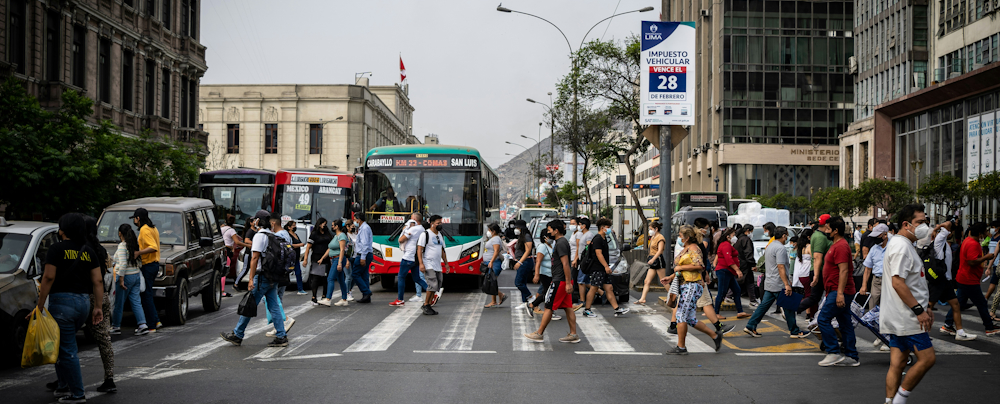
Buses in Peru are the cheapest way to cover long distances, and they're how most people travel between towns. Local city buses tend to be crowded and slow, so it's worth turning up at the stop early if you want a seat.
Within cities, the workhorses are combis and micros, the privately run minibuses and small buses that stop anywhere along a set route. Fares are flat and cheap. Lima also has the Metropolitano, a bus rapid transit service with its own lanes along a north-south corridor, plus a metro line (Línea 1); a second line is under construction and partly open. You pay for these with a rechargeable card rather than cash.
For intercity travel, several private companies run comfortable long-distance coaches, and many operate their own terminals. The best-known are Cruz del Sur, Oltursa, Civa, and Movil Bus. Peru Hop is a popular hop-on, hop-off service aimed at travellers who want to break up the trip with stops along the way.
You can book the bigger express services online or buy directly at the company's office. On these coaches, you'll usually find on-board toilets, air conditioning, reclining seats, and snacks.
Trains
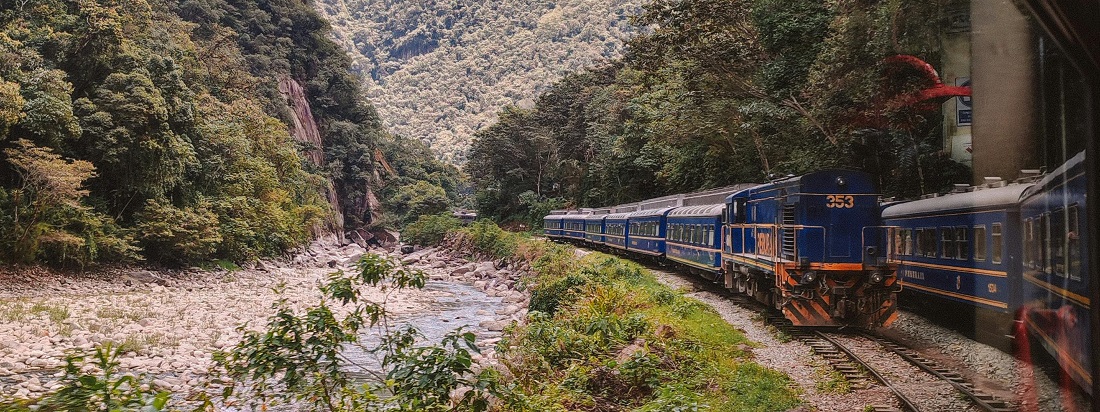
Trains in Peru are more of a scenic experience than a day-to-day way to get around. Two companies, PeruRail and Inca Rail, run the tourist trains, and the busiest route is the one from Cusco through the Sacred Valley to Machu Picchu, which you can reach only by train or on foot. PeruRail also runs longer scenic routes, including the ride across the high Andean plateau to Lake Titicaca and Puno.
It's worth booking well ahead, especially in the dry season from May to September. The carriages themselves are anything from basic and functional to genuinely luxurious, and the pricier ones have big panoramic windows for the mountain scenery.
Mototaxis
Mototaxis are three-wheeled motorbike cabs that can be found everywhere in Peru's smaller towns and on the edges of the bigger cities. They're cheap and quick over short distances, and they’re a handy option if you'd rather not walk. Agree on the fare with the driver before you set off, since almost none of them use a meter.
Useful links
Taxis in Peru
Taxis in Peru are easy to find in any town or city. The industry isn't tightly regulated, and many people use their own cars as informal taxis. Few have meters, so agree on the fare before you get in.
There's some risk in hailing a taxi on the street. Unregistered drivers have been known to overcharge foreigners, and there have been cases of robbery and express kidnapping, so it's safest not to flag one down. Booking through an app is safer because you'll see the driver, car, plate, and fare before the trip starts.
Ride-hailing apps are widely used in the bigger cities. Uber, Cabify, DiDi, and inDrive all operate in Lima and other large centres, and with an app, there's no haggling over the fare and no language barrier to deal with.
Colectivos
Colectivos are shared taxis, usually cars or small minibuses, on fixed routes between and within towns. They tend to be old and overcrowded, and their drivers have a reputation for going too fast. They're cheap, but they're not the most comfortable or reassuring way to get around.
Useful links
Driving in Peru
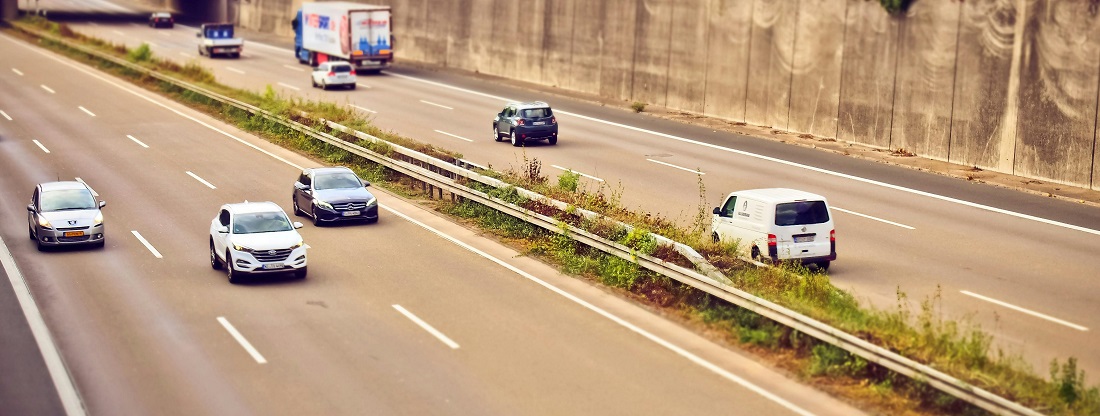
Driving in Peru isn't much use if you live in one of the big cities, where public transport is enough for most trips and a car is more hassle than help. Even so, plenty of expats keep a car, especially if they want to see more of the country at their own pace.
Roads are often in poor condition, and driving standards are low. Traffic can be appalling in the cities, above all in Lima, and accidents are common. At night, there's an added risk of crime, especially on rural roads. Away from the main towns, many roads are unpaved, and you may need a four-wheel-drive vehicle. In the rainy season, roughly November to April, landslides can wash out mountain roads and close them for days at a time.
Driver's licences
You can drive on your home licence for up to 183 days after you arrive, and after that, you'll need a Peruvian one. It's worth carrying an International Driving Permit (IDP), which you arrange at home before you leave. It translates your licence into Spanish, so there's no confusion over which vehicles you're allowed to drive.
Peru has licence-exchange agreements with several countries, but the swap tends to be slow and pricey. Many people find it simpler and cheaper to sit the Peruvian test from scratch. For that, you'll need your Carné de Extranjería (the foreigner ID card), and you have to pass a medical check, a written theory exam, and a practical driving test.
Useful links
Domestic flights in Peru
Domestic flights in Peru are a big time-saver, given the distances involved, and they're often quicker than a long overland trip. A few places have no road access at all. You reach the jungle city of Iquitos, for instance, only by plane or by boat.
The country's main hub is Jorge Chávez International Airport, in Callao, right next to Lima. A large new terminal opened there in 2025 to replace the old one. Plenty of international airlines fly in and out of Lima, and on domestic routes, the main carriers are LATAM Perú, Sky Airline, JetSMART, and Star Perú. Budget airlines have pushed fares down in recent years, although it pays to read the fine print, as some of the cheapest tickets are sold to Peruvian nationals only, and foreigners who book them can be charged the difference at the airport.