
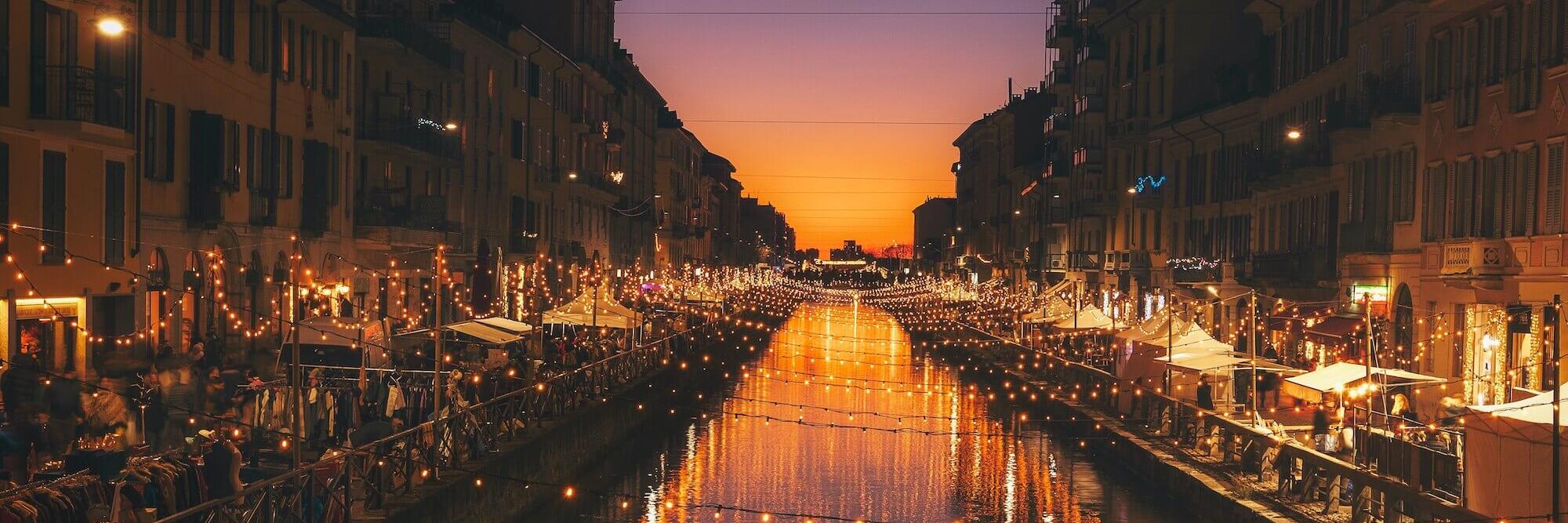
The market for accommodation in Milan reflects the city's status as a fashion and business hub. The cost of living is high, and this extends to property prices, particularly in the city centre. Apartments, though stylish and located in vibrant areas, tend to be small, and expats desiring more spacious and family-friendly homes often look towards the suburbs. These areas offer a balance of quieter residential living and accessibility to the city for work, allowing for a comfortable lifestyle that merges urban conveniences with suburban tranquillity.
While it's possible for foreigners to purchase property in Italy, most expats in Milan choose to rent, especially when first relocating. This approach offers flexibility and the opportunity to better understand the city's diverse neighbourhoods before making a long-term commitment.
Renting also allows expats to adapt to the city's lifestyle and culture without the immediate financial and administrative responsibilities of property ownership. With a variety of rental options available, expats can find accommodation that suits their budget, needs, and preferences.
Areas and suburbs in Milan
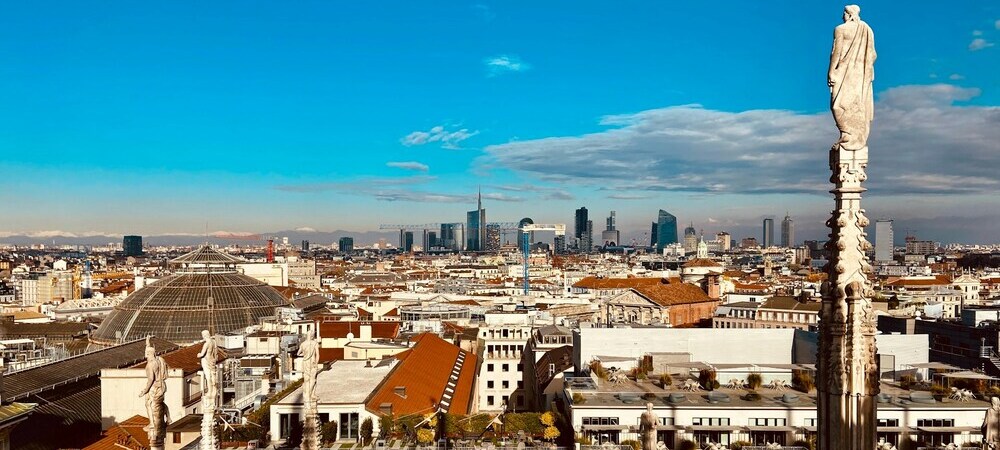
From the historical grandeur of Centro Storico to the creative vibes of Isola, the city caters for a wide array of lifestyles and preferences. Whether it's the bustling city centre or the more tranquil suburbs, each neighbourhood in Milan presents a unique living experience. For those seeking a blend of modern amenities and historical charm, Milan's various districts provide a rich tapestry of cultural, social, and recreational opportunities.
Areas like Brera and Porta Venezia blend urban convenience with cultural richness, offering residents a vibrant lifestyle in historical settings. Meanwhile, nearby towns like Monza offer a more serene environment, ideal for families seeking space and tranquillity. Each area is well connected by Milan's efficient public transport system, ensuring easy access to the city's myriad attractions and commercial facilities.
In contrast, certain areas of Milan are less advisable for expat living. Areas like Corvetto and Lambrate, despite being parts of the metropolitan city, have reputations for being less safe than other areas in Milan. These neighbourhoods, known for higher crime rates and a sense of insecurity, contrast starkly with the generally safe and inviting atmosphere that Milan is celebrated for.
Best (and Worst) Areas and Suburbs in Milan
Types of accommodation in Milan
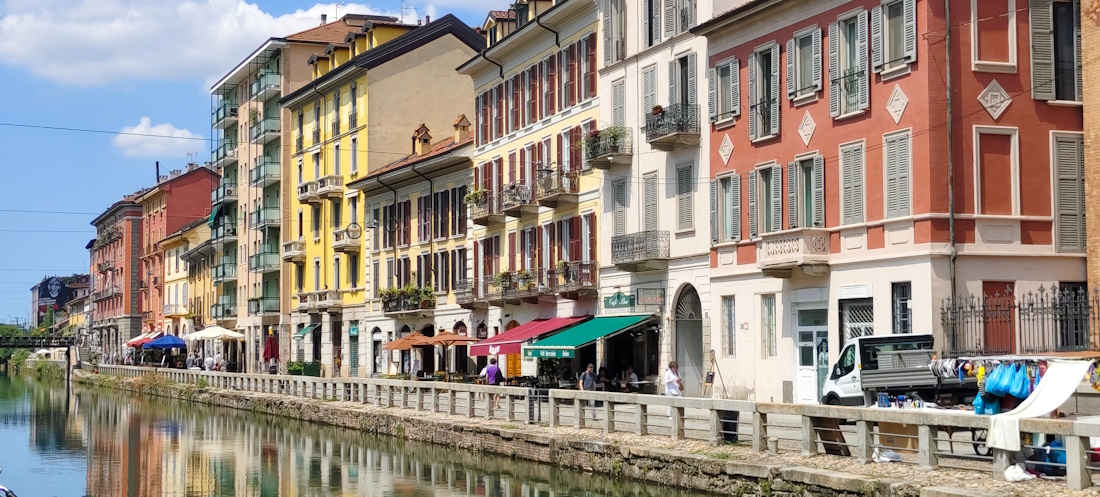
There are several living options in Milan. In the city centre, accommodation primarily consists of apartments. Further away from the urban heart, you can find large suburban family homes, as well as comfortable condos and villas.
There is a broader range of accommodation options in Milan than in other Italian cities, but rents are also pricier, contributing to the city’s inflated cost of living. Types of apartments include studio apartments, two-, three- and four-room flats (monolocale, bilocale, trilocale, and quadrilocale), as well as luxurious penthouse apartments (attico) with large terraces.
Finding accommodation in Milan
The best place to start a property search is online. Even before moving to Milan, you can browse web listings to get a feel for what’s available. That said, we’d strongly advise against committing to a lease or putting down any form of deposit before viewing a property in person. There are many popular online rental platforms in Milan offering a wide range of accommodation options.
Once in Italy, you can work through a local estate agent specialising in expat rentals, which can be beneficial in navigating the rental market and finding the right place. You might also benefit from using a relocation company to help you find a home. Many of these providers offer house- and school-finding services as part of their packages.
For international students, universities in Milan often provide accommodation-finding assistance, with shared rooms being common. For short-term stays, ranging from a few days to several months, several platforms offer fully furnished and equipped rentals.
When searching for accommodation, it’s important to consider factors like budget, location, and type of accommodation, and always use reputable websites and trusted real estate agents to avoid scams and ensure a smooth rental process.
Useful links
Renting accommodation in Milan
Making an application
The rental process in Milan involves several steps. When applying for a rental property, you'll need to supply some documents, including your ID and proof of employment, and submit them to the real estate agent or the owner. Some landlords might also request a reference from a previous landlord and your Italian tax code. After meeting with the owner or agent and agreeing on the terms of the lease, you'll draft a proposta di locazione (rental proposal) that locks in the price and terms. If your proposal is accepted, you'll be presented with the contratto di locazione (rental agreement).
Leases
In Milan, the main types of leases are for at least three or four years, with the option to renew. Although short-term leases are also available, rates are typically higher. Most rental properties have a minimum rental period of four years with a four-month security deposit, making short-term rent negotiation challenging. However, some websites and agencies specialise in shorter-term rentals.
Ensure that the rental contract includes a codice fiscale, as it is necessary for the full rent contract to be registered with the authorities and comply with Italian law.
All rent contracts in Italy must be registered with Agenzia delle Entrate (the fiscal authorities), and upon successful registration, a confirmation is issued. It's important to read the contract carefully and, if you don’t speak Italian, ask someone you trust to translate it.
Deposits, costs and fees
Security deposits for rental properties in Milan are usually paid before moving in and range from two to three months' rent on average. You'll get your deposit, minus damages, back within two months of moving out.
Renting through an agency in Milan usually involves paying a fee, which ranges between 10 and 15 percent of the annual value of the contract. In addition to this, tenants may also encounter administration fees, such as charges for drafting the rental agreement or processing the application. These fees can vary depending on the agency or property manager. It's essential to inquire about all potential fees and charges before finalising a rental agreement.
Terminating the lease
Early termination of a rental agreement is only possible if there is a clause in your contract, so be sure to read the wording carefully before you sign. Notice periods for early termination can also be significant, the most common being six months' notice. If there is no early termination clause in your contract, you can only end the lease early for gravi motivi – serious unforeseen circumstances, like illness or unexpected job relocation.
Useful links
Utilities in Milan
Setting up utilities in Milan involves selecting from various providers offering services like water, electricity, gas, and internet. The availability and cost of these utilities can vary depending on the location and type of accommodation. It’s common to find rental properties where utilities are included in the rent, but in other cases, tenants will need to establish their own accounts with utility providers.
To set up utility accounts, a new tenant will typically need to provide a valid ID or passport and their codice fiscale (Italian tax code). Additionally, proof of address, such as a rental contract or a previous utility bill, may be required by some providers.
Electricity and gas
In Milan, the standard electricity supply is 220V, 50Hz AC, and the sockets are typically round with three round pins. It's essential to compare the rates of different providers to ensure you find the most cost-effective option for your electricity needs.
When setting up a new residence in Milan, establishing a gas account is an essential step. Gas in Milan is predominantly supplied via piped networks to homes and businesses, ensuring a reliable and consistent supply.
While piped gas is the standard in urban areas, bottled gas (bombole) might be more practical in rural locations. This bottled gas, commonly butane or propane, is delivered in steel containers and typically connected to piping under the kitchen sink. Remember, safety is paramount when using bottled gas, including awareness of gas leaks and the need for regular bottle refills.
The cost of gas and electricity in Milan varies, so it's wise to compare plans and rates from different suppliers to find a suitable option. Most energy companies in Italy provide gas and electric services, some with fibre thrown in as well.
Water
Milan's water is serviced by Gruppo CAP, which is responsible for providing drinking water supply, treatment, and distribution services across the city. The water supply system in Milan is characterised by its efficiency and capacity, utilising a double-lifting system comprising more than 20 pumping stations and around 400 active wells. This system ensures that residents have access to a reliable and consistent water supply.
For residents looking to set up a water connection in Milan, contacting Gruppo CAP is the first step. The specific requirements and procedures to establish water services can vary, so it's advisable to inquire about the necessary documents and any associated fees. Understanding the local regulations and the process involved in setting up water services is essential for a smooth transition.
Bins and recycling
Milan is at the forefront of waste management and recycling in Europe, with an impressive system that ensures efficient waste disposal and recycling. The city has embarked on an ambitious goal to recycle more than 60 percent of its waste in the coming years. Currently, more than half of the waste generated in Milan is successfully recycled, showcasing the city's commitment to environmental sustainability.
In line with this goal, residents are required to have at least five different bins or bags to separate waste: one each for plastic and metal, organic waste, glass, paper, and residual waste. This separation is essential for the effective recycling of materials.
Organic waste in Milan is collected twice a week, while recyclables and residual waste are collected weekly. This system ensures that different types of waste are collected efficiently and recycled or processed appropriately.