
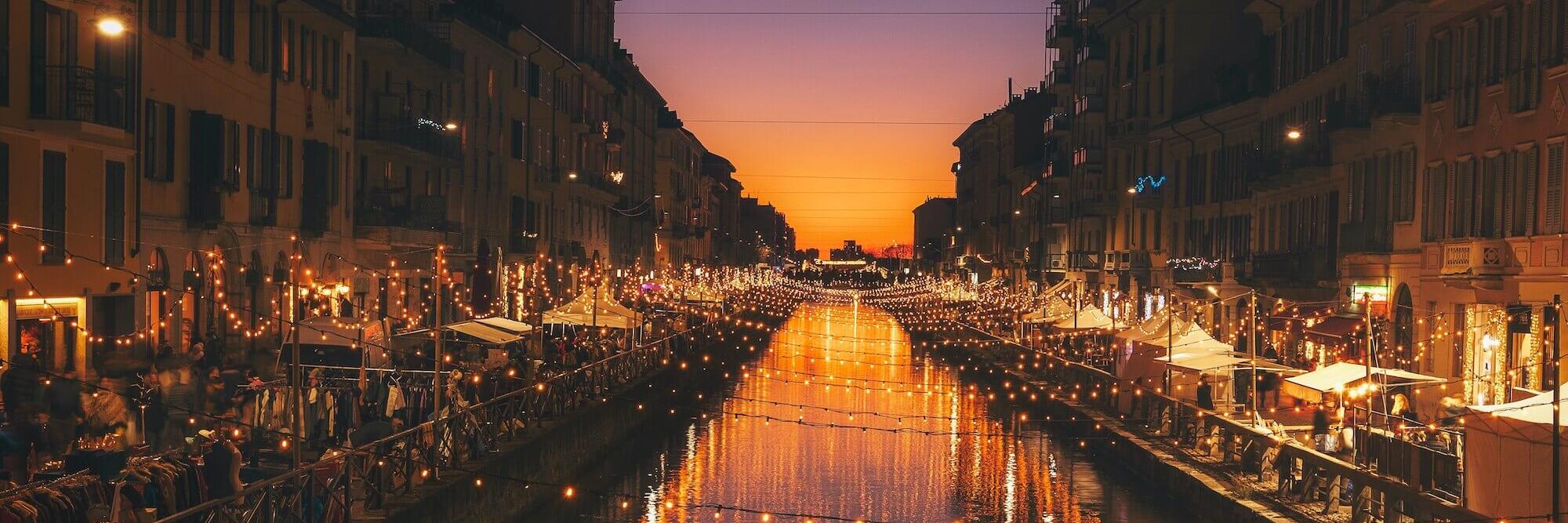
Milan is known as Italy’s commercial centre, a cityscape of old-world elegance meeting the high-end tastes of the rich and famous. A landmark of both refined culture and industrialisation, it has rebranded itself as a leader in fields such as design, information technology, and textiles. As with any relocation, there are pros and cons of moving to Milan to think about.
While perhaps not as scenic as Venice or Rome, the city is rich in history, famed for its delicious food and, of course, renowned as a hub of fashion design and luxury boutiques. It's also home to two of Italy's biggest football clubs and one of world football's most famous rivalries.
Below are some of the pros and cons of moving to Milan.
Accommodation in Milan
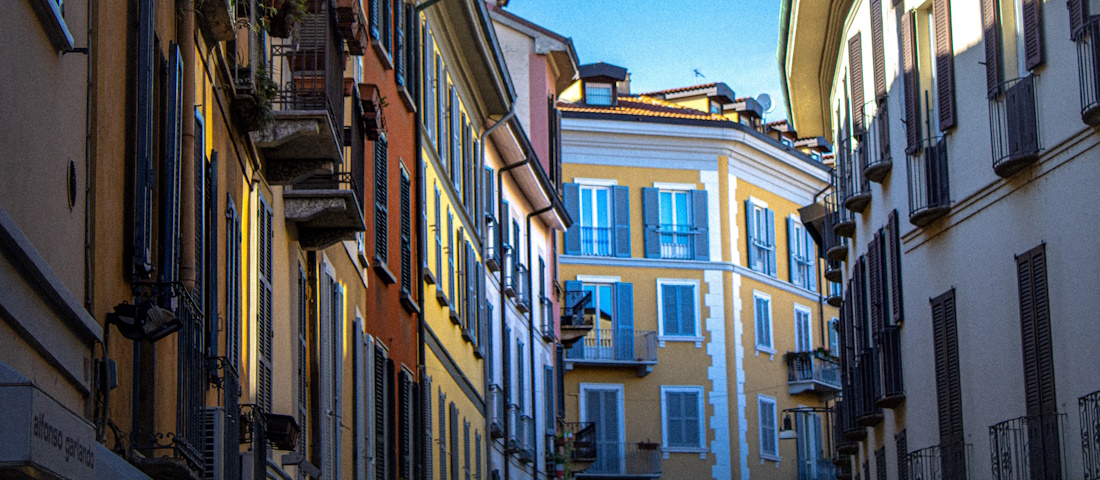
- CON: High property prices
Milan has the highest rental prices in Italy. As with most big European cities, the closer you get to the heart of the city centre, the more of a toll it takes on your wallet. Often, the apartments are also small, and landlords sometimes require up to three months' rent as a deposit.
+ PRO: Variety if you choose to look
Moving out a few zones may be a more palatable option if you have a family or are on a budget. Property is far more affordable in suburbs such as Porto Venezia and Monza, and there’s more variety to choose from, including plush villas, houses, and safe complexes with good transport connections to the city centre.
Renting Expat Accommodation in Milan
Areas and Suburbs in Milan
Lifestyle in Milan
+ PRO: Cultural treasure trove
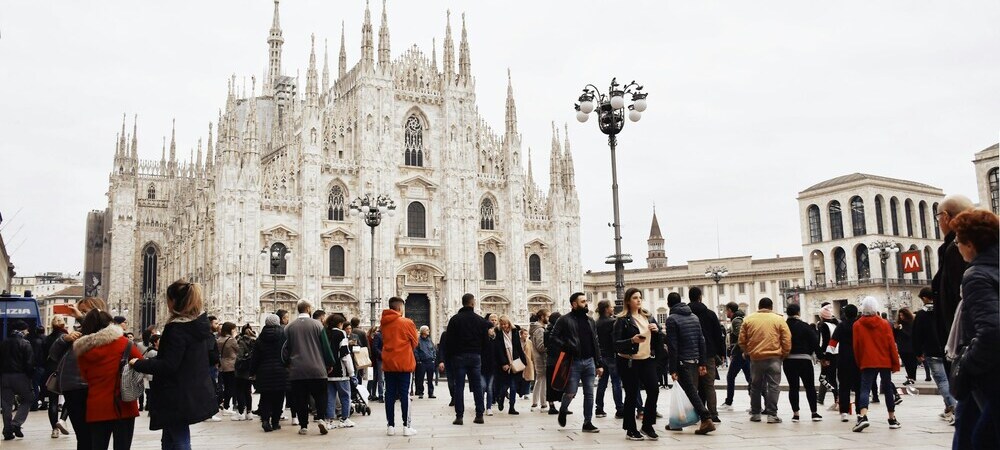
While not on the same scale as Rome, there is a real presence of a glorious past in Milan. The Duomo di Milano is an architectural marvel of Gothic brilliance, and the Carnevale Ambrosiano celebrates the city’s patron saint, while the nearby Piazza del Duomo is the centre point for arts and culture. But the city also boasts more contemporary drawcards, such as the Milano Film Festival and Milan Fashion Week.
+ PRO: Milan is a fashion paradise
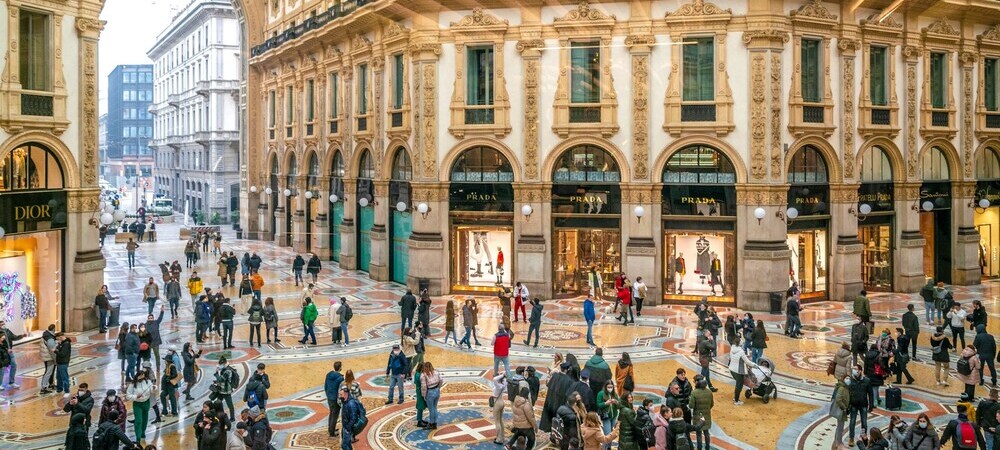
Befitting its status as one of the four fashion capitals of the world, Milan's calendar highlight is perhaps the famed Milan Fashion Week. Outside the festival, the Quadrilatero della Moda will delight shoppers with a penchant for high fashion. Boutiques and outlets of only the most sophisticated brands abound, including anything from Versace, Armani, and Jimmy Choo, to Guess, Bagutta, and Hugo Boss.
- CON: There's a significant language barrier
Not many Italians speak English, and the language barrier can be tough to overcome. So be prepared to struggle if you don’t put in at least a little basic prep. Having said that, learning Italian can help you better integrate into the local community.
+ PRO: Outdoor retreats
Families looking to get away for some peace and quiet are an hour’s train trip from the serene Lake Garda, the biggest lake in the country. Its ornate towns and villages are the perfect tonic when the buzz of city life becomes a little too much.
+ PRO: Racing royalty
Petrolheads will be delighted to know that the Monza Grand Prix Circuit is a simple half-hour drive away. It’s been the site of the Italian Grand Prix ever since the inception of Formula One.
Kids and family in Milan
+PRO: Abundance of international schools
There’s a variety of international schools in Milan, so you'll be spoilt for choice. American, German, British, and French curricula are all offered, as well as the International Baccalaureate. While tuition can be expensive, there’s less pressure on kids to learn Italian, which means socialising is a lot easier.
+PRO: Fun for children
Kids will love growing up in Milan, whether it’s exploring its cobbled streets, discovering educational museums or having fun at the city's planetarium. They’ll no doubt get caught up in the AC Milan versus Inter Milan rivalry, so parents might want to invest in some football boots. There are also numerous parks dotted around the city, perfect for picnics.
Education and Schools in Milan
International Schools in Milan
Working in Milan
+ PRO: Diverse economic sectors
In the past, those earning a salary in Milan might have found themselves working in the city's massive textile industry or finance sector. Nowadays, a broadened and diversified economy means there are jobs in design, communications, fashion design, and tech, too.
- CON: Decline in traditional sectors
Italy as a whole has endured tough economic times for more than a decade. Recent recessions have left the once-powerful banking industry in Milan vulnerable, while its industrial sector has declined substantially. That said, financial powerhouses still have a strong presence in the city.
Getting around in Milan
+ PRO: Efficient public transport
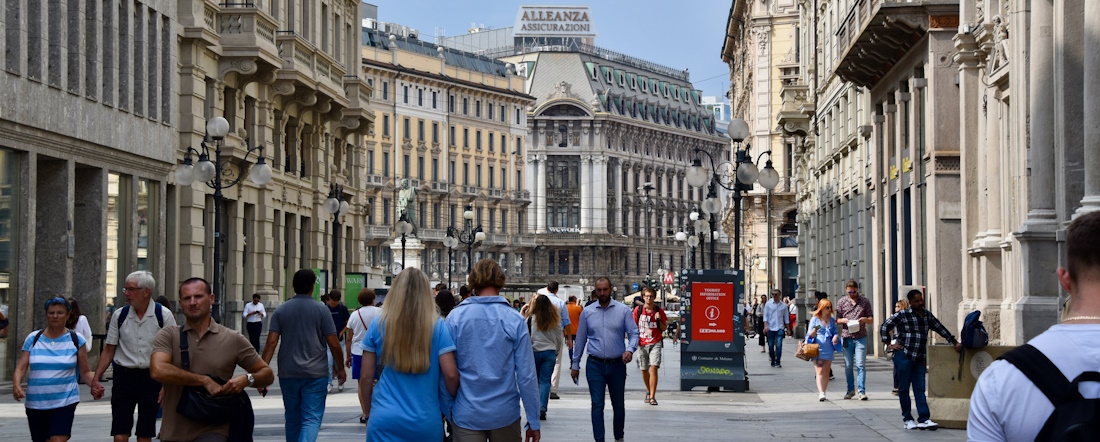
Public transport in Milan is highly developed, with good infrastructure – a variety of options are available to expats. The efficient metro system has five lines and over 100 stations, and is generally cheaper than the less-crowded overground trains. Quaint trams are found mainly in the small city centre, while buses are useful for travelling at night, although with limited routes.
- CON: Taxing for drivers
Those who drive in Milan often find it taxing, and the city's developed public transport network makes getting behind the wheel largely unnecessary. Local drivers and taxis can be quite aggressive, and parking is both expensive and difficult to find.
+ PRO: The city is easily walked and cycled
Milan is pedestrian and cycling-friendly, with those lucky enough to be staying near the city centre able to simply stroll to their destinations safely and in good time. Bicycle-sharing schemes are popular, with widespread rental depots.
Public Transport and Driving in Italy
Weather in Milan
- CON: Not a Mediterranean dream
While it’s by no means uncomfortable, Milan isn’t exactly a dreamy Mediterranean getaway. Its summers can be extremely hot and humid, while winters tend to go below freezing, with deep fog shrouding the roads, and snowfall being common.
Cost of living in Milan
- CON: The cost of living in Milan is high
Milan is one of the most expensive cities in Italy, behind perhaps only Rome. So it's best to shop smart and buy groceries at local markets instead of dining out at tourist traps. Of course, accommodation will be your bank account's worst enemy, especially with the high cost of rent in Milan.
+ PRO: Getting around is cheap
Italy in general and Milan in particular might be rather expensive, but a redeeming feature is the cost of public transport, which isn’t that high, especially if expats use the integrated ticketing system. Tickets can be used on the tram, metro, bus or train. Most people avoid cars altogether because of both congestion charges and high petrol prices.