
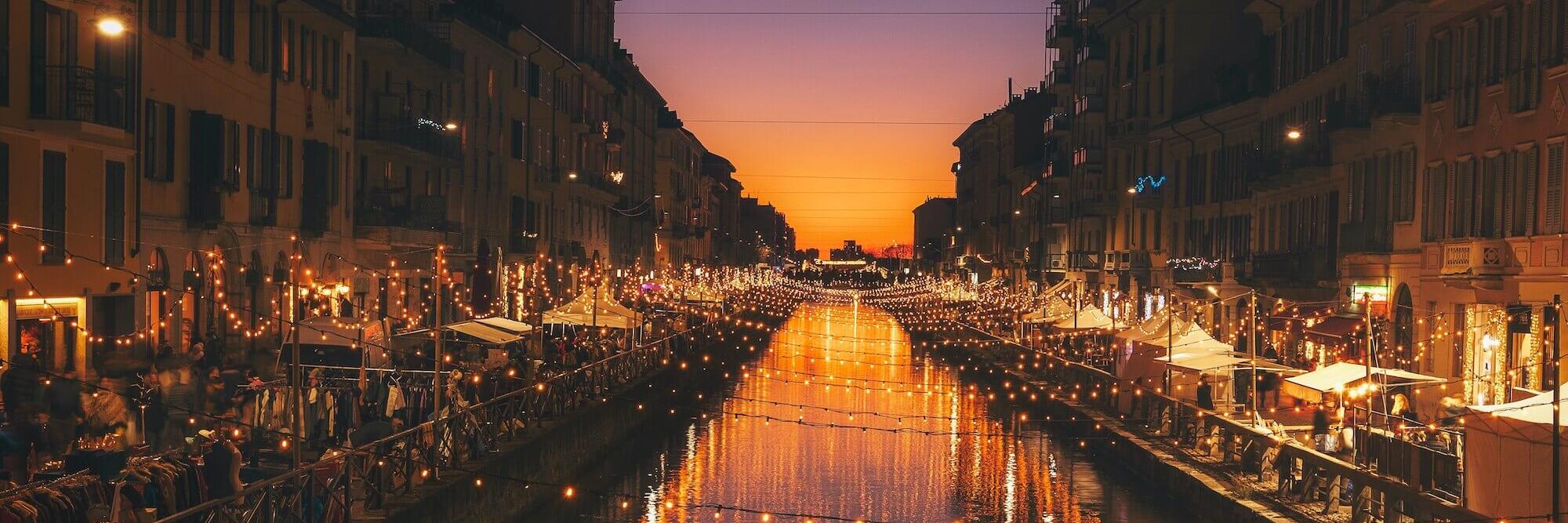
Getting around in Milan is easy thanks to the city's highly developed transport infrastructure and an integrated public transport ticketing system that includes metro, buses, trains and trams. The system allows passengers to carry their bicycle or electric scooter on the metro and some tramway lines free of charge.
Tickets are relatively cheap compared to the rest of Europe, and it’s possible to get discount rates for bulk purchases. Taking taxis, walking, and cycling are also feasible ways of getting around in Milan.
Public transport in Milan
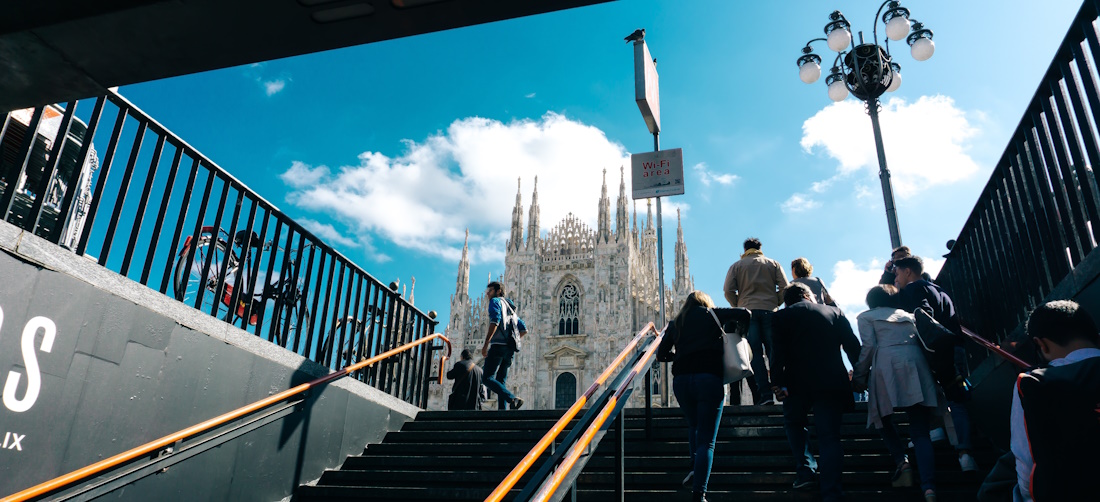
Milanese public transport has an integrated ticketing system, meaning that tickets are universal and can be used on the metro, train, tram or bus regardless of where they were purchased. The tickets are valid across all modes of transport, including buses, trams, underground lines, and the urban tracks of the suburban trains.
Tickets are available from automatic machines and can be bought at stations or from newsstands, boutiques, convenience stores, and various other places around the city.
Metro
The metro in Milan is quick and efficient, and at 59 miles (96km), it’s the longest metro network in Italy. It serves over 100 stations throughout the city and is a great way to get around the city at a low cost. The new underground M5 metro line, running from Bignami to San Siro Stadium, is fully operational, but some parts are still under construction.
Trams
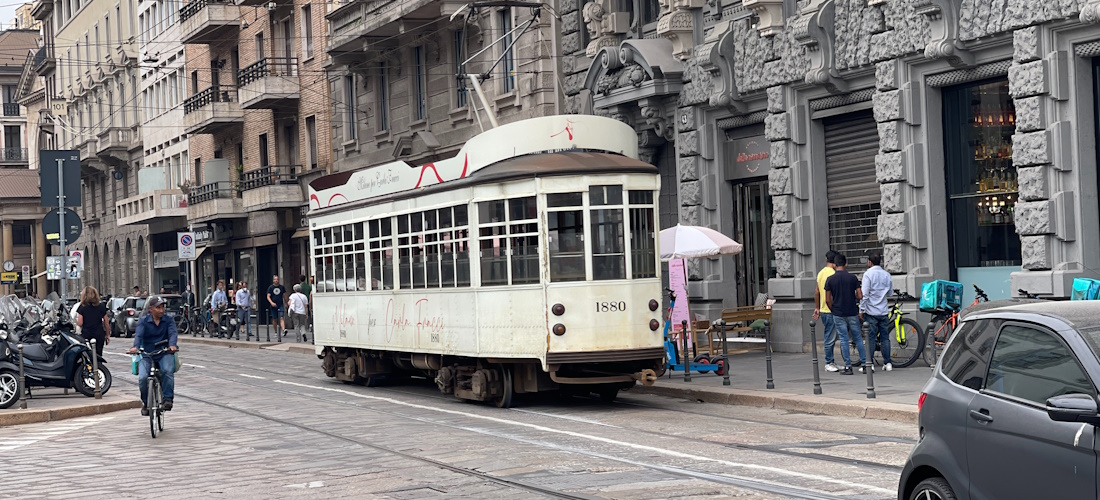
Milan’s tram network mainly operates within the city centre, with main-route trams arriving at various intervals during peak (every three to nine minutes) and off-peak hours (every five to 11 minutes). The tramway network is one of the largest in Europe, providing a unique and charming way to explore the city.
Buses
Bus services cover more than 80 lines across Milan, serving areas not covered by the metro. The night bus service is a useful option for travelling after hours. Expats should take necessary precautions when travelling at night. Although Milan is fairly safe, taking the bus alone at night is not recommended.
Trains
The suburban trains, known as the S Lines, are not as popular as the metro but aren't much slower and are typically less crowded. The Passante railway route connects Milan to the rest of the Lombardy region. The S Lines comprise more than 10 lines with around 120 stations, covering a total length of 250 miles (403km).
Useful links
Taxis in Milan
Taxis are available throughout the city and are often the most convenient way to get around. They can be expensive, but have fixed rates and are metered. If you're travelling a short distance or returning home late at night, taxis are a good choice.
Taxis in Milan are white, and it’s important to note that taxis cannot be flagged down – you can hail them at taxi ranks or by calling a taxi service ahead of time. Taxi drivers in Milan may not speak fluent English, so learning a few words in Italian is a good idea. Most taxi drivers accept credit cards, but it’s advisable to confirm before getting in the car.
For those seeking more convenience, services like Welcome Pickups offer pre-booked taxis. Ride-hailing options like SIXT Ride and taxi apps such as Freenow by Lyft provide an easy way to locate, call, and pay for a taxi using a smartphone. Uber is available, but primarily operates their premium fleet (Uber Black) at a high cost per ride.
Useful links
Driving in Milan
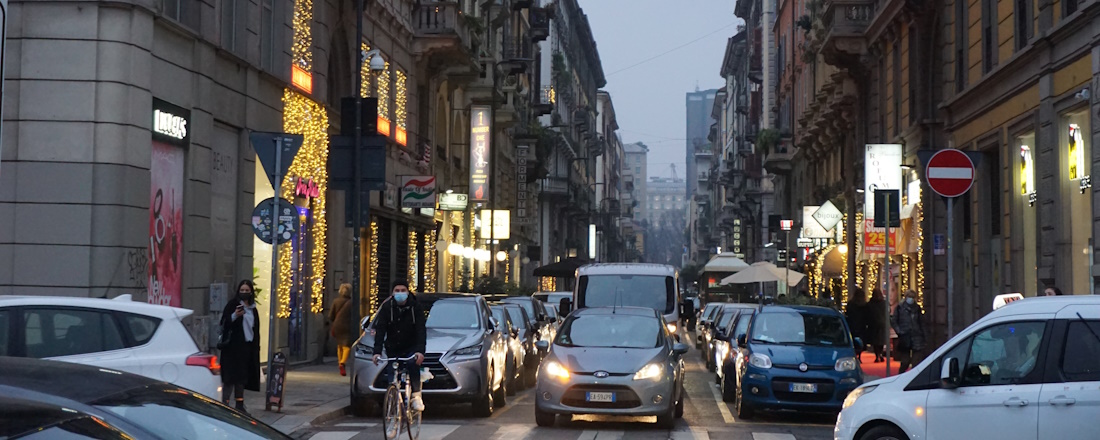
Driving in Milan is not necessary, and many expats prefer to avoid it. The local driving culture can be aggressive, the city’s old roads are often congested, and parking is expensive and hard to come by. If you do choose to drive, you'll need to be aware of the rules of the road and the congestion charge for driving in the city centre.
It’s important to note that Milan has specific rules and regulations. Restricted zones pose a particular challenge, and newcomers may find them difficult to navigate. Additionally, parking regulations are strict, with white, blue, and yellow lines indicating different parking rules. White areas are free, blue areas must be paid for, and yellow areas are reserved for residents.
The city also operates a congestion-charge system in the city centre. Drivers need to purchase a ticket in advance to enter this zone (Area C) during designated times on weekdays.
Despite ongoing challenges, Milan’s traffic situation has improved thanks to investments in public transport and the popularity of car sharing.
Driver's licences
If you do opt to brave the city's roads, you'll need to consider the Italian licensing system. You'll be able to drive on a foreign licence, as long as you have an International Driving Permit (IDP), too. IDPs are generally valid for one year.
EU driver's licence holders can drive in Milan for the validity period of their licence. Non-EU licence holders get one year, after which they will need an Italian licence. If your home country has a conversion agreement with Italy, you'll be able to convert your licence; if not, you'll have to take the local driving test.
Useful links
Cycling in Milan
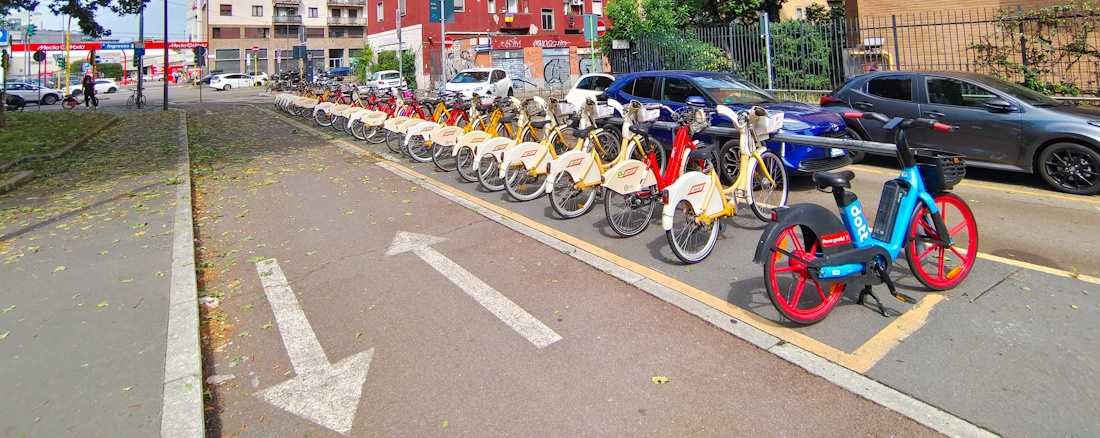
Milan is an exceptionally cycle-friendly city, and many locals get around solely on two wheels. The city has been investing in infrastructure and promoting bike-friendly initiatives, resulting in a growing network of bike paths and routes. Popular biking trails in Milan include Pista Ciclabile del Naviglio della Martesana and Boscoincitta.
Additionally, Milan has recently confirmed the construction of a new cycling network, linking 80 percent of the city to bike paths. There is also a popular bicycle-sharing scheme, with rental stations dotted throughout the city centre and tourist areas. While there are more dedicated lanes for cyclists now, it’s still a good idea to keep your wits about you on public roads.
Cycling in Milan has become safer recently, with the city significantly increasing the number of cycle paths, now boasting more than 112 miles (180km) of bike lanes. Safety measures include separate lanes for cyclists and pedestrians, traffic signals, and signs. Despite these improvements, you should still be aware of potential hazards, like parked cars and inattentive drivers.
For those interested in e-bikes and e-scooters, these are becoming increasingly popular in Milan. Bike-sharing initiatives like BikeMi offer an efficient way to explore the city, providing a geocoded map with available bicycle stations. Milan’s commitment to sustainable urban transportation also includes shared e-scooter services.
Useful links
Walking in Milan
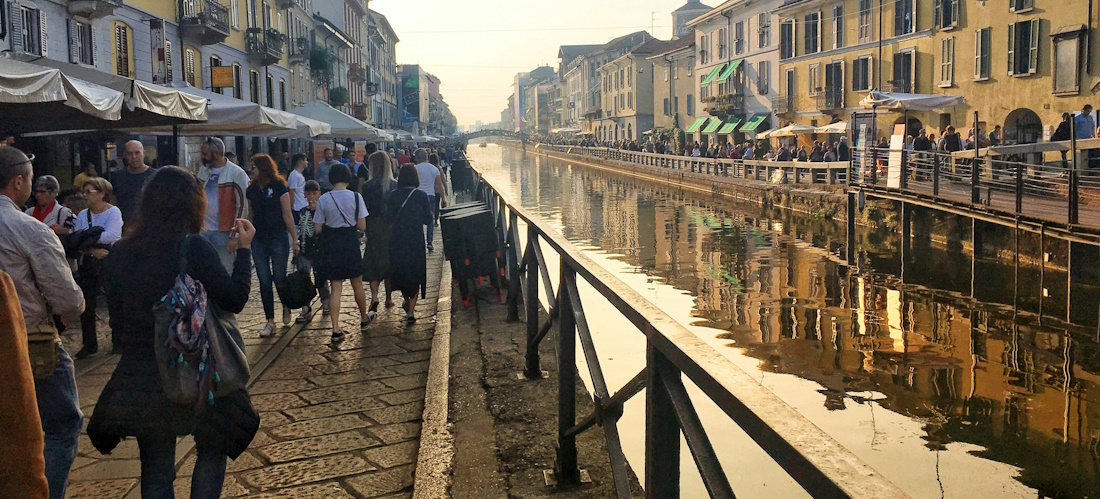
Parts of Milan lend themselves well to walking, while others may be less foot friendly. On the whole, Milan is a walkable city, with numerous self-guided and guided walking tours available, allowing visitors to immerse themselves in the city's attractions. Popular walking tours and areas include the Milan Cathedral, the historic centre, the best shopping streets, historical churches, and scenic areas like I Navigli and Corso Magenta. It’s generally safe to walk around, although, as in any other big city, you should be vigilant to avoid becoming a victim of petty or opportunistic crime.
Guided walking tours in Milan provide an excellent opportunity for visitors to learn about the city’s landmarks and attractions with knowledgeable guides. For those who prefer to explore at their own pace, there are several self-guided walking tour apps that offer maps and audio guides to enhance the experience.
When walking in Milan, it’s important to wear comfortable shoes and be aware of your surroundings. Follow traffic rules and use designated crosswalks for safety.