

State institutions are the backbone of education and schools in Milan. Expats who don’t intend to stay for the long term usually opt for international schools instead, but these are expensive, and competition for places is high. The blend of Italian cultural heritage with a modern educational approach makes Milan an intriguing place for expat families to consider for their children’s education.
The school year in Milan extends from around mid-September to June, aligning with the typical European academic calendar. There is a two-week winter break towards the end of December, allowing students to celebrate Christmas and the New Year with their families. Shorter breaks in February and April provide much-needed respite, while the summer break at the end of the academic year, lasting about 12 weeks, offers a substantial period for relaxation and travel.
Public schools in Milan

Public schools in Italy are excellent and are free for residents. That being said, the language of instruction is in Italian, so enrolling your children in public schools might not be an option. On the other hand, public schools offer a comprehensive insight into Italian culture and education, providing a unique learning experience.
Milanese schools, in line with national law, provide Catholic religious education while also respecting diversity of beliefs. Children can opt for non-religious alternativa classes, covering a broad spectrum of subjects, including human rights and mythology, promoting a well-rounded education.
Schools in Milan are divided into four levels. Scuola dell’infanzia is equivalent to kindergarten and is for children from three to five years old. Primary school (scuola primaria) is compulsory and caters to children between 6 and 11 years old. Secondary school is split between scuola media (11 to 14) and scuola superiore (14 to 19). School is compulsory for teens up to 16 years old.
At 14, students must choose a field of specialisation. This choice influences their future tertiary education and career prospects, highlighting the significance of Milan’s educational structure.
Useful links
Private schools in Milan
In Italy, private schools are often on par with public schools in terms of quality, as they receive state funding and adhere to government-mandated curricula and educational standards. These schools, however, may offer distinct educational philosophies or religious teachings, such as the Waldorf or Montessori methods, providing diverse educational options for families.
Parents seeking a tailored local educational approach for their children often consider Milan’s private schools. These institutions offer diverse pedagogical approaches, catering to individual learning needs and preferences.
International schools in Milan
Milan has various international schools that offer a range of programmes, including the International Baccalaureate as well as foreign curricula, including American, British, French, and German. These schools can be expensive, but they are an excellent way to get around language differences. Many Italians who can afford it send their kids to international schools, as this tends to expose them to broader future career and educational opportunities.
International schools in Milan are particularly renowned for their multicultural environments and comprehensive programmes that prepare students for global challenges.
Best International Schools in Milan for Expats
Special educational needs in Milan
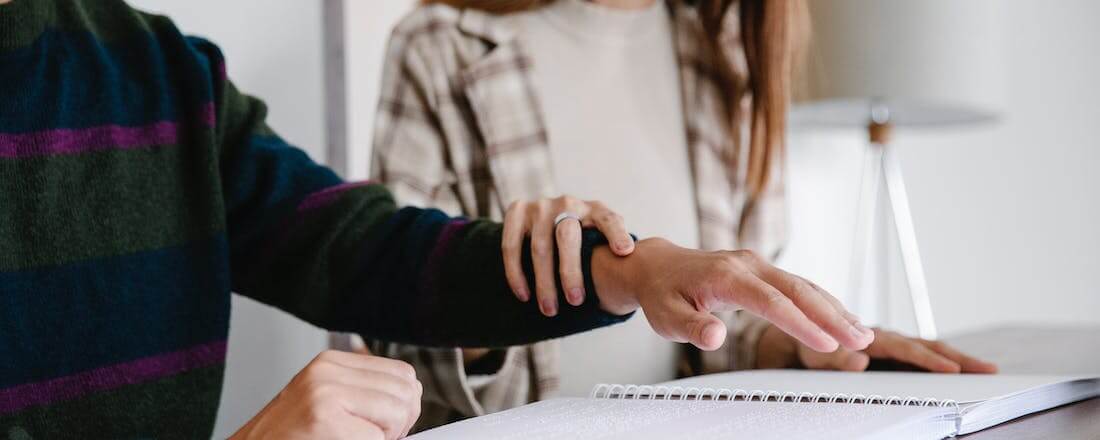
In Milan, expats are likely to find services to support children with special educational needs. Italy has a progressive approach to special educational needs. Students with disabilities are entitled to a comprehensive range of services to ensure they receive a full education. Support for students with special needs is guaranteed across all types of schools: public, international and private.
Useful links
Tutors in Milan
Expat parents in Milan looking for their children to get extra one-on-one help with their schoolwork can easily find tutors. There are many platforms, including TutorYou, Apprentus, and Preply, that parents can search through to find a tutor for a specific subject or a range of them, for example, in the sciences, mathematics, or languages. Parents can also look for a tutor by contacting their school directly, as older students may be offering tuition services.