
Most expats who need accommodation in Botswana end up in the capital, Gaborone, which is where most of the country’s corporate jobs and international schools are located. Wherever you settle, try to rent close to your workplace and your children’s school.
The cost of living in Botswana is low by international standards, and Gaborone is regularly among the cheapest cities in global rankings of expat living costs. Property is a different story if you want a modern home in a popular area. Landlords in Gaborone have pushed rents up sharply in recent years, and the increases have been steepest for three- and four-bedroom family homes. Holidays at Botswana’s luxury safari lodges are famously pricey too.
Types of accommodation in Botswana
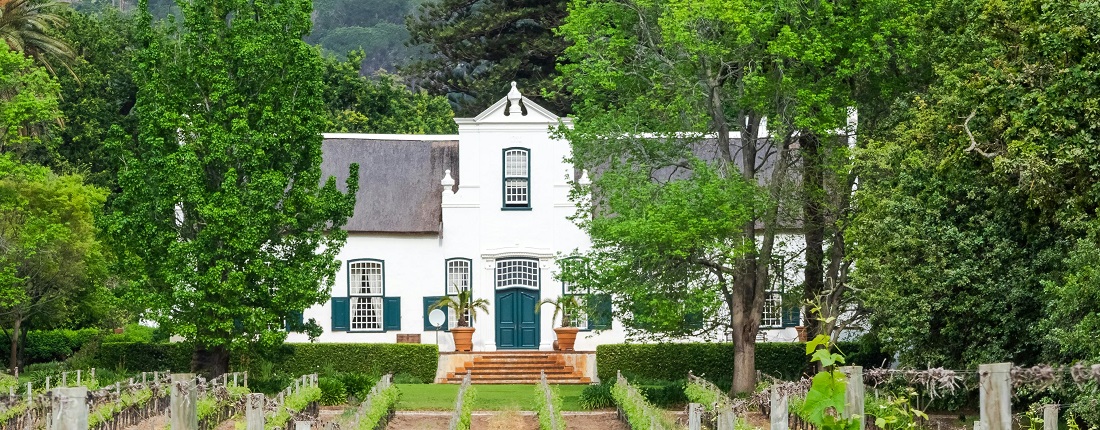
The most common types of accommodation in Botswana are standalone houses, townhouses, apartments, and garden cottages. Most expats rent, at least to start with.
Although you can buy property, non-citizens need ministerial consent, and there are tight restrictions on tribal and state land. Foreign buyers also have to pay a much higher rate of transfer duty than citizens.
Broadhurst and Phakalane are two of the most popular suburbs in Gaborone. Phakalane is built around a golf estate and is the preferred residential area for many expats. It’s over 7.5 miles (12 km) north of the city centre, though, so plenty of new arrivals would rather live closer to their offices and their children’s schools.
Newcomers often find Gaborone’s area names confusing. Most of the older central neighbourhoods are numbered Extensions around the Government Enclave, and many of the outer suburbs are numbered Blocks. Extensions 9 and 11 are among the most expensive parts of the capital.
Outside the capital, expats tend to settle in Francistown, Botswana’s second city, or in Maun, the main base for safari operators in the Okavango Delta. Mining professionals often live in company housing in diamond towns such as Jwaneng and Orapa.
Houses
Houses are one of the most popular types of property in Botswana, and standalone homes usually have a private garden. That’s handy for families with children and for anyone who likes to entertain. Many have swimming pools too, and residents make good use of them through Botswana’s long, hot summers.
Plenty of homeowners also rent out garden cottages on their plots. These smaller units are usually cheaper than a full house.
Townhouses
Semi-detached townhouses and cluster homes are a common alternative to standalone houses in Botswana. These are often in gated complexes, so they’re generally more secure than a typical house. Many are also recent builds.
Apartments
You’ll find most apartments in Botswana in Gaborone and the larger towns. Landlords let them anywhere from bare to fully furnished. Many apartment blocks are fairly modern, and the more upmarket complexes have swimming pools and units with private balconies.
Furnished vs unfurnished
Furnished flats are common in Botswana’s towns and cities, and they’re pricier than unfurnished ones. Expats on shorter contracts and short-term visitors often prefer them because the landlord supplies everything from the furniture and appliances to the bedding and cutlery.
Landlords of unfurnished flats usually provide little beyond light fittings and built-in storage such as kitchen cupboards and wardrobes, so you’ll need to source your own appliances and furniture. You can rent these by the month or buy new pieces from Gaborone’s malls and homeware shops.
Short lets
It’s easy to find short lets in Botswana, especially in Gaborone. If you book a short-term place for your first few weeks, you’ll have time to get to know the city’s areas and suburbs before you sign a long lease. Short-let apartments on platforms such as Airbnb are fully furnished and usually have WiFi and other utilities included in the price. They’re also generally cheaper than hotels for stays of a few weeks to a month or two.
Useful links
Finding accommodation in Botswana

Most expats start the hunt for accommodation in Botswana online. Property24 and TswanaHome.com are two of the most popular property portals, and rental groups on social media are another useful source of listings. You can begin the search before you arrive, but don’t sign a lease or hand over a deposit until you’ve seen the property in person. Scammers sometimes advertise homes they don’t own and vanish with the money.
A real estate agent can save you plenty of legwork, whether you rent or buy. Good agents know the local market well and can quickly shortlist suitable homes. Check that any agent you use is registered with the Real Estate Advisory Council (REAC), which regulates the industry and keeps a list of licensed operators on its website. Landlords usually pay the agent’s commission on rentals.
Some new arrivals have a relocation company to handle the search. These firms draw up a shortlist based on your preferences and set up viewings for you. Employers sometimes arrange housing for expat staff or pay a housing allowance, so check your contract before you start your search.
Useful links
Renting accommodation in Botswana
Renting accommodation in Botswana is governed mostly by common law and by the terms of the lease itself. Read every clause before you sign, and make sure you understand the deposit, fees, utilities, and notice period.
Making an application
You’ll typically need copies of your passport and your work or residence permit to make a rental application in Botswana. Landlords also ask for proof of income, such as recent payslips or an employment letter, and some will ask for references from previous landlords. Other landlords run a credit check, and expats without a local credit history may need a guarantor or a letter of support from their employer. Most landlords prefer the rent to be no more than 30 percent of your monthly income.
Leases
Landlords in Botswana offer either fixed-period or indefinite leases. Fixed-period leases have a set end date, and most are for 12 months. Expats who know how long they’ll be in the country often prefer them. If you sign an indefinite lease, you or the landlord may be able to end it at will with reasonable notice.
Deposits and fees
You'll need to pay a deposit before you receive the keys. Landlords typically ask for one to two months' rent as a deposit, plus the first month's rent in advance. There are no legal cap on deposits. Some agencies also charge tenants an administration or lease fee, so ask for a full breakdown of upfront costs before you sign anything.
Terminating the lease
You don’t usually need to give notice when terminating the lease on a fixed-period agreement, as long as you're leaving on the agreed-upon end date. An early exit is a different matter, and you could owe rent for the rest of the term unless the lease has an early-termination clause. Expats on assignment will want to negotiate a clause giving them the right to break the lease if their employer transfers them.
On an indefinite lease, both sides need to give reasonable notice. There’s no fixed legal definition of ‘reasonable’, so make sure the notice period is written into the lease. Notice periods are usually between one and three months.
Do a thorough inspection with your landlord when you move in and again when you move out, and photograph any damage or broken fittings. The landlord can deduct repair costs from your deposit, and deposit disputes are a common complaint among tenants in Gaborone. If you keep a dated record of the property’s condition, it’s much easier to get the rest of your money back.
Utilities in Botswana
Tenants usually pay for utilities in Botswana themselves, although some landlords include water and electricity in the rent on furnished properties. Prepaid meters are common for both, so you buy credit in advance and top up as you go. Power and water cuts have been a regular part of life in Greater Gaborone in recent years, so check a property’s backup arrangements before you sign a lease.
Electricity
The Botswana Power Corporation (BPC) supplies electricity in Botswana. BPC generates most of the country’s power at two coal-fired stations near Palapye and imports the rest, mainly from South Africa. The coal plants have struggled with repeated breakdowns, and during shortages, BPC has scheduled power cuts and capped household use at peak times. Many expat homes have a generator or a solar system with battery storage to cover outages.
The electricity is usually already connected when you move in, and you can transfer the account into your name through BPC’s online customer portal. Prepaid tokens are available on BPC’s SmartPower app and through banking apps. Tenants who need a new connection can apply online, but will need the landlord’s written consent.
Gas
Botswana doesn’t have a widespread piped gas network, so many households rely on bottled gas for cooking and heating. Gas heaters are popular in winter, when nighttime temperatures in Gaborone can be close to freezing, and few homes have central heating. You can buy gas cylinders at petrol stations across the country, and several gas suppliers have depots in Gaborone.
Water
Botswana’s water supply is managed by the Water Utilities Corporation (WUC). Residents of Greater Gaborone deal with interruptions fairly often, and whole suburbs are sometimes without water for days after a burst pipeline or a power failure at a treatment plant. During droughts, WUC also rations water and restricts non-essential uses such as car washes and construction. Plenty of expat homes have a storage tank and pump for these outages.
If the property isn’t already connected, you can apply for a connection on the WUC website, where you’ll also find the current tariffs. A WUC technician then inspects the property and installs a meter, and you may need to pay a deposit before WUC switches on the supply.
Bins and recycling
Local councils handle bin collection in Botswana. In Gaborone, the city council and its contractors collect household waste door to door once a week, and there’s no charge for general household and garden waste. The council can also remove construction or hazardous waste for an extra fee, and staff at your local council office can give you the collection schedule for your area. Some estate managers hire private refuse collectors instead.
Collection is generally reliable in the more affluent suburbs, although the council has at times fallen behind because of broken-down trucks. Service in lower-income areas is patchier, and illegal dumping is a problem in some neighbourhoods.
There are far more recycling businesses in Botswana than there were a decade ago, and many of them buy sorted paper, plastics, glass bottles, and cans. If you want to send less to landfill, sort your recyclables at home and take them to a recycling depot, or arrange a collection with one of the private recyclers in Gaborone.
Internet
Internet in Botswana is mostly provided by the country’s three mobile networks, Mascom, Orange, and BTC. Orange and BTC also sell fibre and fixed-wireless home broadband. Mascom and Orange have offered 5G in the main towns since 2022, and BTC has started its own 5G rollout in Gaborone. Starlink satellite internet has been available since 2024, and it’s an option for homes beyond the reach of fibre. DStv and StarTimes both sell satellite TV packages with international channels.