

Expat parents who look into education and schools in Botswana usually settle on a private or international school. Government schools are open to expat children, but many are short of resources. Most families weigh up fees, curriculum, waiting lists, and the length of the school run before they commit.
Botswana has several universities and technical colleges. The largest is the University of Botswana in Gaborone, and there are vocational courses for trainee nurses and teachers too.
Public schools in Botswana

The Ministry of Child Welfare and Basic Education runs public schools in Botswana, and expat children are welcome to enrol. Primary tuition is free, while the state covers most of the cost of secondary education.
Exam results in public schools have been poor in recent years. Shortages of teachers, textbooks, stationery, and classroom space are common. The ministry has started to rework the curriculum around science, technology, engineering, arts, and maths (STEAM).
The public school system in Botswana has four stages:
- Reception (ages 4 to 5)
- Primary school (Standards 1 to 7, ages 6 to 13)
- Junior secondary school (Forms 1 to 3, ages 13 to 16)
- Senior secondary school (Forms 4 and 5, ages 16 to 18)
Each year of primary school is called a ‘standard’, and each year of secondary school is a ‘form’. Teachers in government primary schools use Setswana in the first years and switch to English as the main language of instruction after that.
Pupils sit the Primary School Leaving Examination (PSLE) at the end of Standard 7. At the end of Form 3, they write the Junior Certificate Examination (JCE), and the ministry uses the results to allocate the limited places in senior secondary schools. Students then sit the Botswana General Certificate of Secondary Education (BGCSE) at the end of Form 5. Officials have also begun to add vocational pathways to the academic route in senior secondary school.
You can register your child for Standard 1 at your nearest government primary school from May of the year before entry. Children need to turn six by June of the year they start school, and the school year is from January to December. Non-citizen parents need to bring the child’s birth certificate, certified copies of passports for parent and child, the parent’s residence permit, and adoption papers where relevant. Older children who join at Form 1 or Form 4 apply through the Regional Education Office and need results from an exam equivalent to the PSLE or JCE.
Useful links
- Government of Botswana: Standard One Registration
- Government of Botswana: Admissions and Transfers Guidelines
Private schools in Botswana
Batswana tend to refer to private schools in Botswana as English-medium schools, since lessons are in English from the first year. Setswana is still on the timetable at most of them.
Most private primary schools have their own curriculum, which is usually more advanced than the government syllabus. Pupils still sit the PSLE at the end of Standard 7. At the secondary level, most private school students work towards the Cambridge IGCSE.
Fees at most English-medium schools are lower than at the big international schools, so many middle-class Batswana families choose them. Expat children at these schools usually have more local classmates than they would at an international school.
Thornhill Primary School and Northside Primary School are long-established English-medium primaries in Gaborone. Both are popular with expat families, and places are hard to come by, so it’s best to apply early. Gaborone also has Christian and Islamic schools for families who want a religious ethos.
Every private school must register with the Ministry of Child Welfare and Basic Education, which approves the curriculum and checks that teachers hold permits to teach in Botswana.
International schools in Botswana
Most international schools in Botswana are in Gaborone, and Francistown and a few other large towns have smaller selections. Cambridge and International Baccalaureate (IB) programmes are the norm at nearly all of them. Families from the US or continental Europe are unlikely to find their home curriculum on offer, and many choose a programme with their next posting in mind.
Cambridge is the most common route. Pupils at many schools work through IGCSEs and on to AS and A-Levels, and Maru-a-Pula is the best known of these schools. It was founded in 1972 and has both day and boarding students. Families who want the IB have fewer options, and Westwood International School in Gaborone is the most established of them.
At some schools, pupils follow Botswana’s national curriculum in primary school and switch to an international programme later. Gaborone International School pupils, for instance, move on to Cambridge IGCSEs in high school.
The leading international schools are well resourced, and most employ qualified, experienced teachers. Classes are smaller than in government schools. Pupils have access to first-rate facilities, and they can take part in sport, music, drama, and community service. International teachers can be hard to recruit and keep, so ask about staff turnover when you visit a school.
The catch is the high cost of tuition. You may be able to negotiate an allowance for school fees as part of a relocation package, so raise it before you sign a contract. Some schools have sibling discounts too.
Demand for places is high, and popular schools often have waiting lists. The school year in most Botswana schools is from January to December, and some schools set entrance tests months in advance. Maru-a-Pula, for instance, tests Form 1 applicants in March of the year before they start. Research schools and their admissions procedures early, and apply as soon as your move is confirmed.
Some expat families choose boarding schools in South Africa or further afield for the final years of secondary school.
Useful links
- International Baccalaureate: Find an IB World School
- Cambridge International: Find a Cambridge School
Nurseries in Botswana
Parents don’t have to send their children to one of the nurseries in Botswana, but families in Gaborone and the larger towns can choose from plenty of private daycare centres and preschools. Most parents look for one close to home or work.
The majority of nurseries are independent. There are faith-based and Montessori nurseries too, and many private and international schools have their own preschools. Children at Gaborone International School, for example, can stay from preschool right through to Form 4.
Nearly all government primary schools have a free reception class, and children aged 4 to 5 spend a year there before they start Standard 1. The Ministry of Child Welfare and Basic Education licenses early childhood centres, so check that a nursery is registered before you sign up.
Special educational needs in Botswana
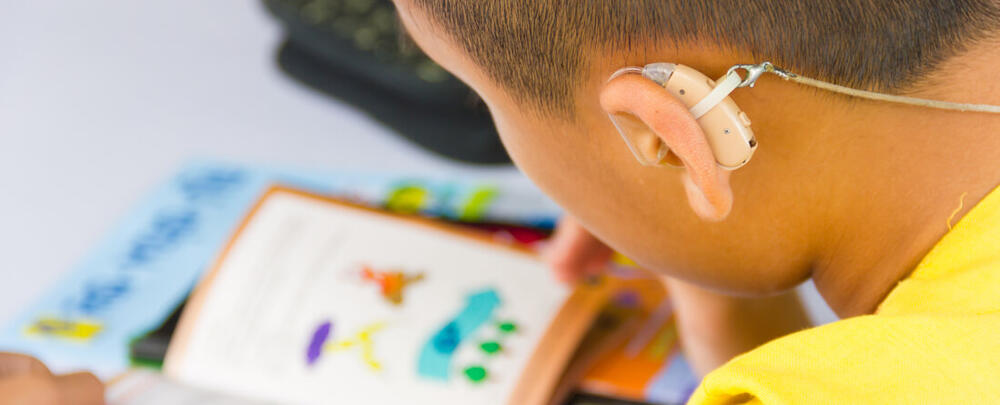
Families of children with special educational needs in Botswana may find much less support than they’re used to. Government schools have the least to offer, and mainstream schools that can’t provide enough help may be reluctant to admit children with behavioural, learning, physical, or sensory disabilities.
The Ministry of Child Welfare and Basic Education has opened special education units and inclusive resource classrooms in more government schools each year. More children with special educational needs now learn in mainstream classes, and more teachers than before have trained in special education.
Teachers can refer a child for a free diagnostic assessment through the Regional Education Office, and officials there may pass the case on to an educational psychologist, who writes a report for the school and parents. Waiting times for these assessments can be long. Some expat families top up school support with private therapists and educational psychologists in Gaborone.
Children with more severe needs can attend one of a small number of special schools and centres. Staff at Ambrose Academy in Gaborone work with children who have autism, Down syndrome, hearing loss, or speech delays. The government has also built a centre for severe and multiple disabilities in Maun.
International schools are more likely to have learning support teams, but not every school can accommodate every need. Speak to each school about your child’s requirements before you apply.
Useful links
- Department of Special Support Services: Diagnostic Assessment
- Government of Botswana: Special Education Services
Tutors in Botswana
Batswana place a high value on education, so tutors in Botswana are easy to find. Many families hire one in the run-up to national exams, and others want extra help for a child who has fallen behind. Parents of children on a Cambridge or IB programme should check that a tutor has taught that syllabus before, since most local tutors know the national curriculum best.
Setswana lessons are simple to arrange as well, and children who pick up some of the language often find it easier to settle in. Other tutors teach extracurricular skills, from piano and guitar to dance and horse riding.
Recommendations from other parents are the most reliable way to find a good tutor, and teachers at your child’s school may know someone suitable. There are online tuition platforms and a few established tuition companies too.