
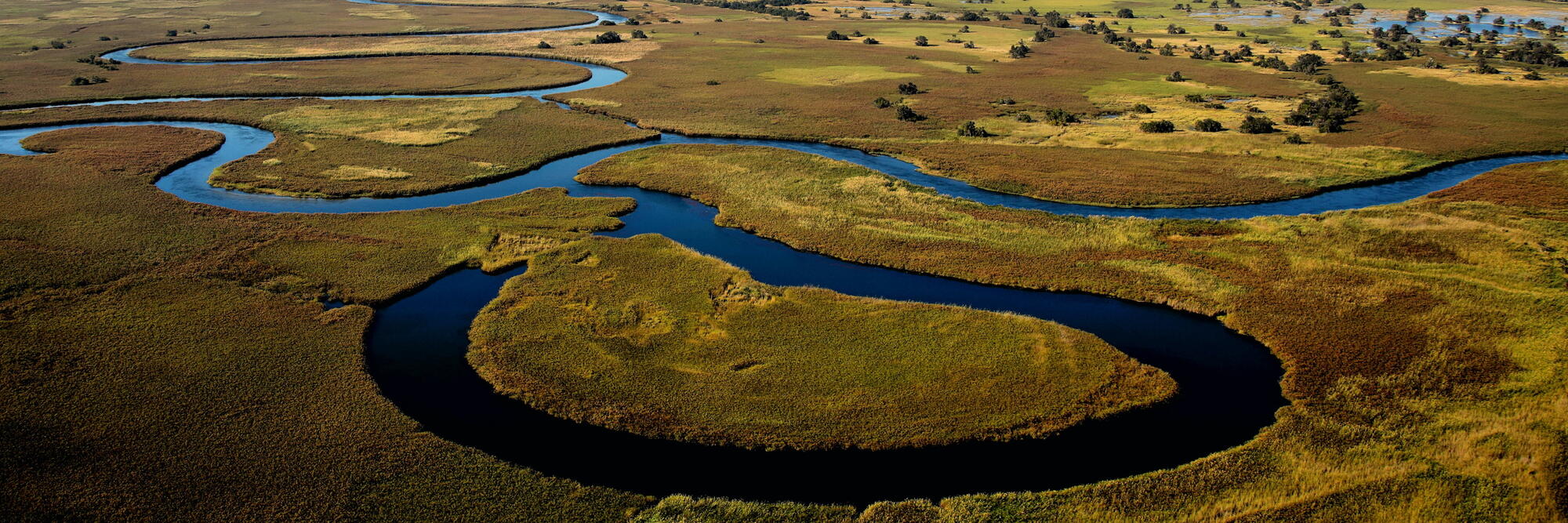
For most people moving to Botswana, safety isn’t a major worry. The country is one of the more stable and peaceful in Africa, and serious civil or political unrest is rare. There are still a few local risks to get familiar with before you arrive.
The main things to plan for are health-related, like malaria in the north and the strong summer heat. Crime is also a factor, and thieves tend to target cars and homes rather than people.
Before you need them, save the local emergency numbers. Dial 999 for the police, 997 for an ambulance, and 998 for the fire service, or use 112 from any mobile phone.
Crime in Botswana
Crime in Botswana has been on the rise in recent years, so it pays to stay alert and take a few common-sense precautions. Petty street crime and crimes of opportunity are the most common problems, usually the theft of cash or personal belongings. House break-ins and muggings happen too, although opportunistic theft is far more likely than a violent confrontation.
Keep valuables and bags out of sight in the car, and lock up both your vehicle and your home, especially in the bigger towns like Gaborone and Francistown.
Road safety in Botswana
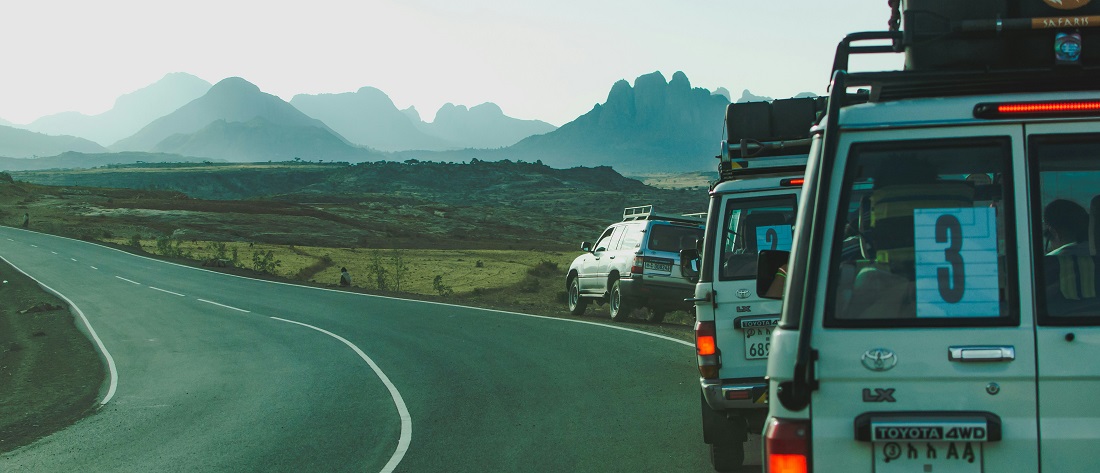
Anyone planning to drive should take road safety in Botswana seriously. The roads can be challenging and at times dangerous, since some vehicles aren’t roadworthy and not every driver sticks to the rules. In Botswana, you drive on the left, so there’s an adjustment if you’re used to the other side.
Stray animals are the hazard that newcomers tend to underestimate. In the south, cattle and donkeys wander onto the roads, especially after dark, and donkeys in particular have almost no road sense. In the far north, wild animals are the bigger worry.
The A1 is the main highway, a long route between the South African and Zimbabwean borders. It’s the busiest road in the country and also one of the most accident-prone. When you’re on the road, drive defensively, keep to the speed limit, stay alert for drunk drivers, and avoid long trips after dark where you can.
Health safety in Botswana
For newcomers, health safety in Botswana is mostly about a few manageable risks. Malaria is the main one, and it’s largely confined to the northern regions, especially the Okavango Delta and Chobe. The risk is highest during the warmer, wetter months. There’s little to no malaria in Gaborone or the drier south.
To cut the risk, use insect repellent and sleep under a mosquito net. Covering up after sunset helps too, since that’s when the mosquitoes that carry malaria are most active. Before you travel, talk to your doctor about antimalarial tablets.
The heat is the other thing to prepare for. Summers are fierce, and temperatures often exceed 100°F (38°C). Sunscreen, a hat, sunglasses, and light clothing are all good ideas. Stay out of the sun in the middle of the day, and drink plenty of water.
Venomous snakes live across the country, and scorpions and spiders turn up as well. The risk is low if you’re sensible, but take extra care in rural areas and out on safari, and learn to recognise and steer clear of anything you’re not sure about. Make sure the rest of the family knows the basics too.
Botswana has one of the highest HIV prevalence rates in the world. The upside is that the government also runs one of Africa’s most effective responses to it. Botswana was the first country on the continent to provide free antiretroviral treatment, and testing and medication are widely available today. For most newcomers, in everyday life, the practical risk is low, and the same sensible precautions you’d take anywhere are enough.