

- Download our Moving to Thailand Guide (PDF)
The pros and cons of living in Thailand explain the country’s enduring appeal to expats. Limestone karsts rise from turquoise water. Street vendors ladle curry at midnight. The warmth runs deeper than the climate.
That said, expats must be prepared for the fact that, like anywhere else in the world, there are pros and cons to living in Thailand. Here are a few of the main points to consider before making the move.
Accommodation in Thailand
+ PRO: There’s a variety of housing
Accommodation in Thailand ranges from traditional Thai housing to sleek condominiums and luxury villas. Most budgets find a match somewhere along this spectrum.
- CON: There’s foreigner pricing
If you can’t speak Thai, affordable accommodation is a lot harder to find. Landlords often inflate initial asking prices by up to 20 percent for foreigners on the basis that they likely have deeper pockets. Having a Thai-speaking friend is your best negotiating weapon and can get you closer to a reasonable rent. Agents can also help, although they collect a month’s rent as commission and so prefer to keep the price higher.
Local culture in Thailand
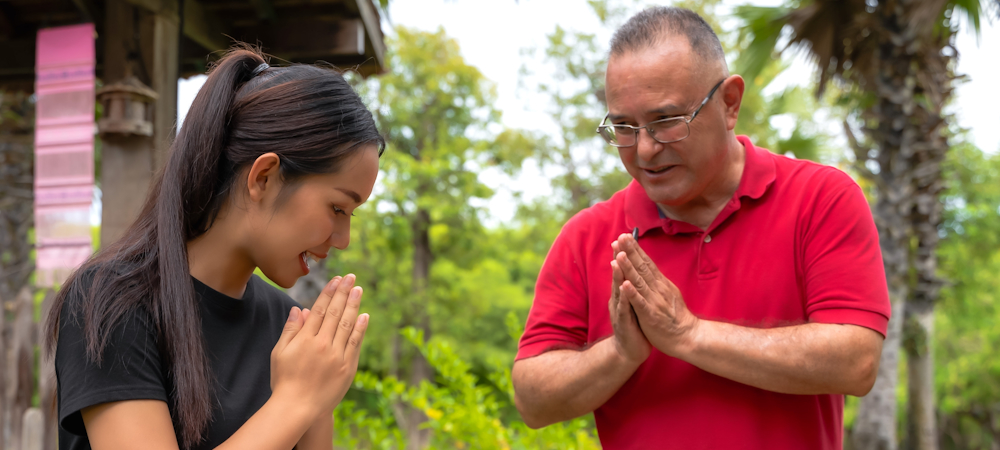
+ PRO: The population is multicultural
As a result of the many business opportunities in the tourism industry, Thailand has drawn in numerous expats over the last 20 years. Krabi, for example, is filled with an array of interesting people of many nationalities. Expats are almost guaranteed to experience many cultures and meet people from all over the world.
+ PRO: There are plenty of local festivals
Every year, thousands of tourists come to Thailand to experience and take part in the many unique events and ceremonies the country has to offer. Expats should be sure not to miss Loy Krathong and Songkran, two of Thailand’s most spectacular local festivals.
- CON: The language barrier
Almost everyone in Thailand’s urban areas can speak a little English, but not many people speak English well. This largely depends on location, but government departments countrywide will tend to deal with matters in Thai. You’ll need a translator or agent for visa applications and driver’s licence matters. The country ranked 116th out of 123 nations in the 2025 EF English Proficiency Index, dropping 13 places from the previous year.
Business Opportunities in Thailand
Local Culture in Thailand
Lifestyle in Thailand
+ PRO: There is plenty to do
Thailand is filled with beach bars, full moon parties, restaurants and night markets. Shops close late at night, so expats can barter to their hearts’ content at all hours in most areas.
+ PRO: Numerous off-season perks
During the low season, there aren’t as many tourists around, so it’s easy for locals to get discounted tours and affordable accommodation in hotels. The low season from May to October cuts costs substantially, and hotel rates drop by 30 to 50 percent. It’s also far more enjoyable to take in Thailand’s attractions without having to contend with crowds.
- CON: Nightlife varies by location
The club scene splits along geographic lines. Bangkok, Phuket and Pattaya pull international DJs to venues like Onyx and Route66. Rural provinces stick to quiet bars and beach gatherings.
Things to See and Do in Bangkok
Weather in Thailand
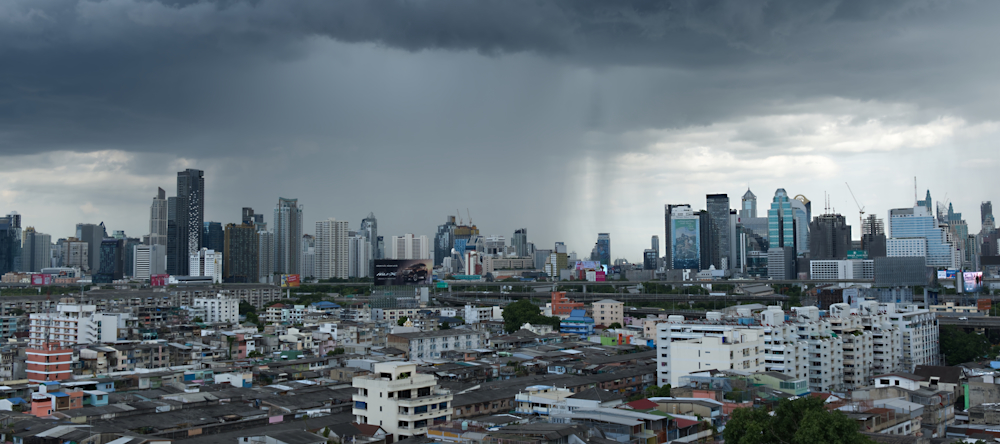
+ PRO: The high season brings postcard weather
The ocean is beautiful and warm, and the weather is sunny during the high season. At this time of year, Thailand can be the very picture of a tropical paradise as temperatures settle into the comfortable range.
- CON: There are also uncomfortable extremes
The weather is often uncomfortably hot. From March to May, the mercury can fly past 40°C (104°F). The rainy season can last a long time, sometimes beginning as early as April and sometimes ending as late as December. Plan outdoor activities at your own risk.
Healthcare in Thailand
+ PRO: Treatments are affordable
Expats with a work permit and who pay social security will qualify for free or heavily discounted healthcare from any of Thailand’s public hospitals. Private clinics charge modest consultation fees and split the difference nicely.
- CON: Resources are few
Most public hospitals are understaffed, and medical personnel are overworked. Queues start at 6am, and expats should be prepared for long waits to get medical treatment. International private hospitals like Bumrungrad provide top-tier care but charge Western rates. Dual pricing exists here too – foreigners may be asked to pay more for identical procedures.
Work Permits in Thailand
Healthcare in Thailand
Cost of living in Thailand
+ PRO: Local goods are cheap
The cost of living in Thailand drops considerably if you adopt local habits. Street food and petrol are cheap, and everyday essentials won’t drain your wallet. You don’t need a massive salary to live comfortably here, although with high import taxes on wine, beef and cheese, a Western lifestyle here costs far more than you might expect.
Transport in Thailand
- CON: ‘Broken’ meters and the ‘farang’ price
Meters are legally required in Bangkok taxis, although drivers in tourist zones often claim theirs is malfunctioning so they can negotiate a higher fare. Insist on the meter or use ride-hailing apps instead. Grab and Bolt are now fully legal. They charge fixed upfront prices and skip the haggling altogether.
+ PRO: There is a variety of cheap transport available
There are plenty of transport options in Thailand that don’t break the bank. Bangkok’s BTS Skytrain and MRT networks have expanded massively, and the new Pink and Yellow lines now reach suburban areas.
Safety in Thailand
+ PRO: Violent crime is rare
Safety in Thailand beats many Western destinations in terms of numbers. Bangkok’s property crime rate is about 40 incidents per 100,000 residents. Most major US cities exceed 4,000 per 100,000. Thailand ranked 76th out of 163 countries for peaceability in the 2025 Global Peace Index, one spot above the United States.
- CON: Road accidents are a grave risk
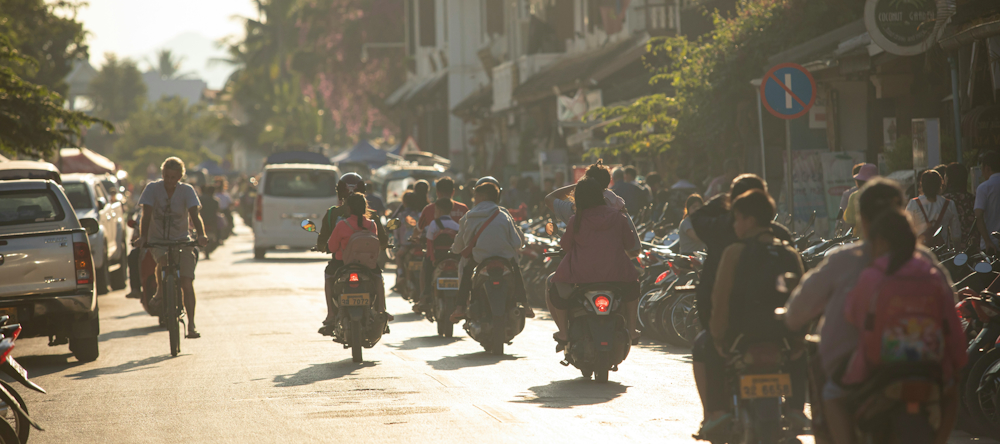
Thailand has some of the worst road traffic death statistics, with about 50 traffic-related fatalities every day. Motorcyclists make up over 80 percent of casualties. If you plan to drive, proceed with extreme caution.
- CON: Scammers target newcomers
You’re not really an expat in Thailand until someone has tried to scam you. There are gem shops that try to sell fake stones, jet ski rentals that claim pre-existing damage is your fault, and tuk-tuk drivers that insist the Grand Palace is closed today but that they can show you this great little gem shop. Keep your wits about you, and remember that the Tourist Police hotline (1155) operates 24/7 in English if you need help.
Education in Thailand
+ PRO: International schools are plentiful
When it comes to education for expats in Thailand, you can choose from nearly 250 international schools. Most are clustered in Bangkok, Chiang Mai, and Phuket, mainly teaching the British, American or International Baccalaureate curricula.
- CON: Quality varies significantly
Not all schools labelled ‘international’ merit the name. Check that your chosen school is properly accredited.
Education and Schools in Thailand
Best International Schools in Bangkok
Working and doing business in Thailand
- CON: Salaries often lag Western standards
Local hires are typically paid much less than overseas transfers. The highest salaries go to professionals relocated by international companies. Teaching and entry-level positions don’t pay what they once did, although the lower cost of living helps soften the blow.
+ PRO: Growing sectors need foreign expertise
Thailand draws more and more skilled professionals each year. The tech sector is booming, and Bangkok and Chiang Mai have become development hubs. Teaching English is still one of the easiest entry points, and there are roles in tourism and hospitality for experienced managers.