
- Download our Moving to Mexico Guide (PDF)
Accommodation in Mexico comes in enough shapes and price brackets to suit almost anyone, and most new arrivals settle into a home that fits both their needs and their budget.
The search can still throw up surprises, so it pays to get a feel for the local property market before you start hunting in earnest.
Types of accommodation in Mexico
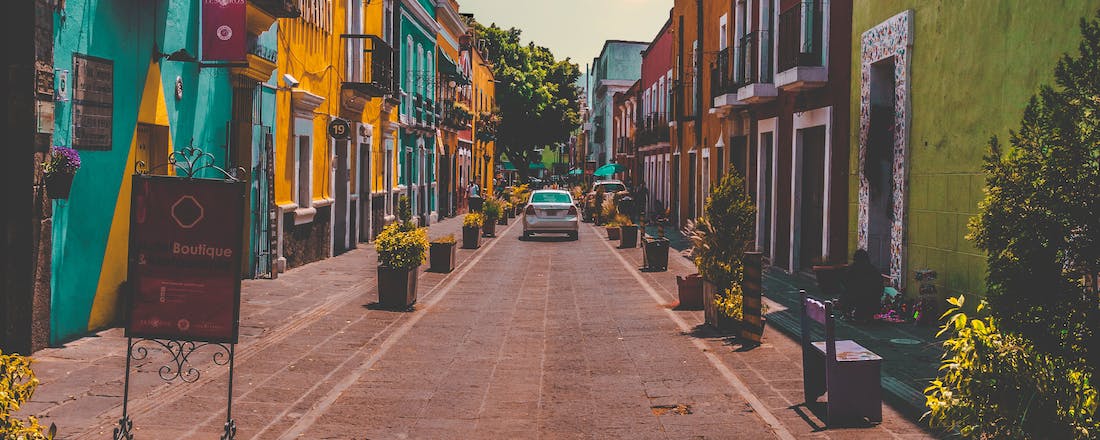
Few places match the sheer spread you’ll find here; the types of accommodation in Mexico run from rustic ranch houses to glass-fronted condos, and prices swing just as widely. Urban housing costs considerably more than its rural equivalent, although the higher price doesn’t always buy better quality, so weigh up each place on its merits before you commit.
Do your homework, and you’ll find older colonial-style places, the kind you might share with a housemate or two, alongside roomy multifamily homes at bargain rates. Venture beyond the city limits, where rents drop off sharply, and you might even take a room in a ranch house, or hacienda, for the length of your stay.
Plenty of newcomers settle into an urban apartment block, and some splurge on a brand new condo with every modern convenience. Arrivals from higher-income countries like the US and the UK often find their money stretches further here than at home, although that gap has narrowed in the neighbourhoods foreign residents favour most. Beachfront condos with pools are the priciest option and tend to be chosen by wealthy retirees; they won’t suit every budget or lifestyle.
Don’t assume everything in Mexico comes cheap. Rents in the usual expat areas have been climbing for years, and the main culprits are remote workers and digital nomads, who have poured into cities like Mexico City, Guadalajara, Oaxaca, and Puerto Vallarta. Locals in the most popular neighbourhoods have felt the squeeze, and the topic comes up constantly on expat forums.
Lower down the market, though, you’ll still find plenty of budget options. Many young and single new arrivals rent a room in a shared house or flat, an easy way to meet people and feel less adrift in a new country. Co-living spaces for nomads and short stayers have also taken hold; they cluster most thickly in Mexico City and along the Caribbean coast around Playa del Carmen.
Furnished vs unfurnished
You’ll find both furnished and unfurnished places on the market. Short stayers tend to prefer somewhere fully kitted out, while everyone else benefits from furniture that’s both cheap and easy to find, whether at big international retailers or Mexican chains.
One word of caution on the word ‘unfurnished’: in Mexico, it can mean anything from a flat that just lacks sofas and beds to a genuine empty shell with no appliances or light fittings. In the worst cases, even the kitchen units are gone, and you’re left with bare plumbing where they should be. Always ask exactly what’s included before you sign, or you may inherit a costly to-do list. In the busier expat areas, landlords also market furnished flats to short-stay foreigners and charge a premium for them.
If you’re staying long term, whether for work or retirement, you might want the comforts of home around you. That can mean shipping your furniture over from your home country.
Short lets
Short lets in Mexico have boomed as tourists and digital nomads arrive and stay put for months on end. For expats, a short stay is a low-risk way to test drive a neighbourhood before you sign a long lease. They often cost less than a hotel for similar comforts, and utilities are usually folded into the price.
In 2024, Mexico City set up a compulsory host registry and set a cap that only allows a property to be let on platforms like Airbnb for roughly half the year. In practice, this can mean fewer short let options and firmer prices in the most central parts of the capital.
Useful links
Finding accommodation in Mexico
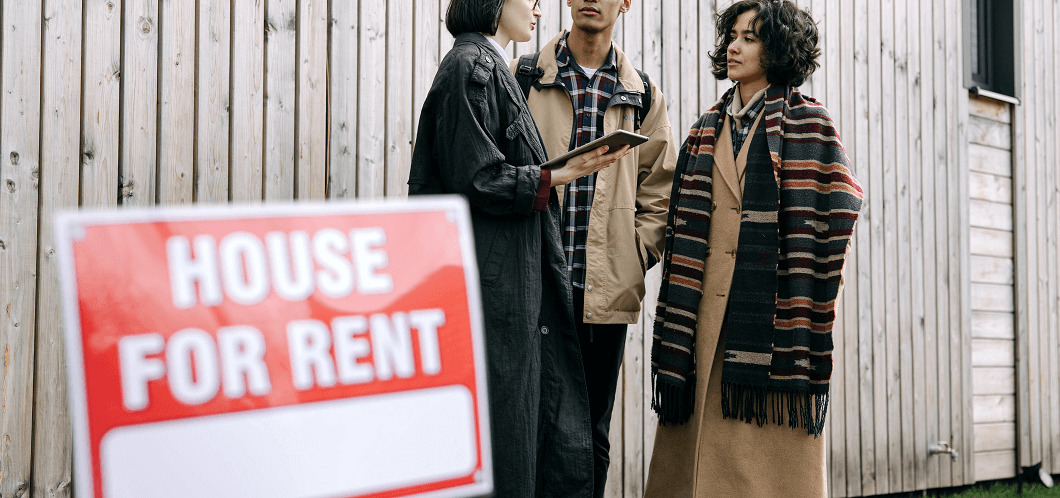
Finding accommodation in Mexico usually starts online. Type ‘bienes raíces en’ followed by your chosen area, and you’ll surface pages of local listings.
You’ll also get far by asking around. Many rentals are passed along by word of mouth before they ever reach a listing site, and you can settle an informal lease with little fuss.
Don’t overlook social media. Expat Facebook groups and Marketplace are where a great many rentals in Mexico actually change hands, and longtime residents often rate them above the traditional listing sites. Once you’re on the ground and plugged into a local community, neighbourhood WhatsApp groups are another well-worn route.
You can also bring in an estate agent, who comes with local know-how and contacts. In Mexico, the landlord usually covers the agent’s commission, so you often pay nothing; this isn’t a hard rule, though, and some agents who cater to foreigners do charge a finder’s fee, so settle the question before you view anything.
If you’re fortunate, a relocation company may be handling your move on your employer’s behalf. They’ll take down your preferences and line up a shortlist of suitable properties for you to view, which spares you much of the legwork.
When you’re house hunting, especially in Mexico City, try to land somewhere within easy reach of work. The capital’s traffic is among the worst in the world, and a bad commute can tack a couple of hours onto an ordinary working day.
Some landlords will try it on with newcomers who don’t speak Spanish. Do your own digging on local asking prices first, and give every property a proper once-over: turn on the taps, flick the light switches, flush the toilets, and check the walls and ceilings for damp.
Useful links
- Asociación Mexicana de Profesionales Inmobiliarios (AMPI)
- Inmuebles24 Rentals Mexico
- Lamudi Properties Mexico
Renting accommodation in Mexico
Nationwide, most Mexicans own rather than rent, yet for newcomers and in the big cities alike, renting accommodation in Mexico is simply the default. The rental market is deep and varied as a result. If you don’t speak Spanish, some agents will be harder to deal with, which can make the whole business slower and pricier.
Making an application
To land a rental, you’ll need to show who you are, that you’re in the country legally, and that you can pay; that last point is the one a landlord cares about most. Larger agencies dig into your finances more and may want recent tax records or a credit check; a reference from a previous landlord can also help move things along.
Leases
You’ll come across both fixed-term and open-ended leases. Most likely, you’ll sign for a year, although other arrangements are possible, and month-to-month deals are common, particularly in the more touristy spots. On an open-ended lease, confirm the notice period for ending the contract up front, so neither side is caught short when it’s time to move on.
One tenant protection worth knowing about: in Mexico City, annual rent increases on existing contracts can’t exceed the previous year’s inflation rate. Elsewhere, you should read any escalation clause closely; in high-demand expat areas, some landlords write in steep yearly increases.
Deposits and fees
Expect to pay your first month’s rent up front, plus another month as a deposit. In the busiest expat markets, landlords sometimes push for two or even three months, especially if you can’t field a Mexican guarantor.
Guarantors
Proof of employment and reference letters aren’t always required, but a guarantor very often is. This co-signatory, the aval in Spanish, is usually expected to be a Mexican citizen who owns property locally and who agrees to cover any damage or unpaid charges you leave behind.
If you can’t produce an aval, you still have options. You can sometimes bring a landlord round with a bigger deposit. More and more foreigners instead take out a póliza jurídica or a fianza de arrendamiento, paid products that stand in for a personal guarantor. A póliza jurídica is primarily a legal and tenant-screening service. A fianza goes further: a licensed surety company issues it and pays your rent if you default. For a foreigner without a Mexican guarantor, one of these is often what gets the lease signed.
Termination of the lease
As a rule, tenant and landlord each give the other at least two months’ notice before ending the agreement, although it can be as little as 15 days on some open-ended contracts. Whatever the case, make sure the notice terms are there in black and white.
Insist on a written inventory of the property; it’s your protection against an unfair eviction or a shaved deposit at the end. Check the contract in both English and Spanish, too, or have a Spanish-speaking friend or translator confirm that the two versions match. Bear in mind that if they ever diverge, it’s the Spanish text that will hold up in court.
Useful links
Utilities in Mexico

Utilities in Mexico, namely water, electricity, phone, and internet, almost always fall to the tenant. Pay them on time: some landlords are wary of foreign tenants to begin with, and you don’t want to give them fresh cause for doubt. Bills arrive monthly or every two months. You can pay online or, as many people do, in cash at a convenience store like Oxxo.
Electricity
The state-owned Federal Electricity Commission (Comisión Federal de Electricidad, or CFE) supplies electricity to homes across Mexico.
To get connected, contact a CFE customer centre at least two days before you move in. The document that really matters is the signed rental contract, which proves you’re the occupant; bring your name and new address too, and budget for a connection deposit. You may also be asked for a recent bill in the landlord’s or previous tenant’s name.
Gas
Gas is a different story. Most households cook and heat water with bottled LP gas rather than a mains supply, so call the local gas company, and they’ll refill your cylinder or tank. A handful of big cities do have piped natural gas, but bottled gas is still the default almost everywhere else. In many neighbourhoods, you won’t even need to phone. Gas trucks work their way through the streets with a clanging bell or a recorded jingle, and you flag one down for a refill.
Water
Much of Mexico’s water is pumped up from underground aquifers and piped to homes by regional utilities. Tap water isn’t considered safe to drink anywhere in the country, so most people keep the kitchen going with garrafones, the big refillable jugs you have delivered to your door or swap at the corner shop. In Mexico City, the supplier is Sistema de Aguas de la Ciudad de México (Sacmex).
To get connected there, give Sacmex proof of identity and address, ideally a week or so before you move in, so the water is running when you arrive. Mexico City’s water problems are severe and long-standing: the city has overdrawn its aquifers for generations, so much so that the ground is visibly sinking, and shortages and cut-offs are a recurring fact of life. It pays to ask about storage, then. Landlords now treat a rooftop tank (tinaco) or underground cistern (cisterna) as a genuine selling point.
Bins and recycling
Rubbish collection is a municipal job, but private firms and informal waste pickers (pepenadores) are just as central to how Mexico deals with its waste. These workers sort the recyclables by hand and sell them on to private companies.
Formal recycling is still at an early stage, so in practice, it’s those informal collectors who do most of the sorting. Mexico City also has drop-off points and recycling plants where residents can hand over separated waste, and its Punto Limpio scheme is one worth seeking out.