
- Download our Moving to Mexico Guide (PDF)
Getting to grips with local culture in Mexico takes most newcomers a while. The customs here have a depth to them that can feel baffling at first, and settling in is harder still if you don’t speak Spanish.
Pick up the small social cues and make peace with a few realities, and the culture shock soon softens. Mexico’s low cost of living helps too, and it takes the edge off the nerves that come with any move abroad.
Time in Mexico
Time in Mexico moves at a gentle pace. That unhurried rhythm is part of the appeal for holidaymakers and retirees, but it is less of a gift when you are trying to relocate. The simplest errands take far longer than they would back home, and you will rarely manage to work to a rigid schedule.
Dinner and bedtimes come later here, and social gatherings tend to start later than the invitation suggests. Official and business appointments are the exception, and there you are still expected on time.
Language barrier in Mexico
Spanish is the national language, and the language barrier in Mexico is the adjustment that many newcomers notice first. Plenty of people in the cities and tourist hubs speak English, but many do not.
You can get by with a handful of Spanish phrases, but having a real command of the language makes everything from job hunting and sorting out accommodation to everyday errands far smoother.
Spanish is not the whole picture, either. Mexico recognises 68 Indigenous languages alongside it, and these break down into some 364 regional variants. Nahuatl, once the language of the Aztecs, still has well over a million speakers; Maya and Zapotec are common across the south and the countryside. You likely won’t need them, but they are a reminder that the country is more linguistically layered than the Spanish on the street suggests.
Meeting and greeting in Mexico
Meeting and greeting in Mexico comes with a custom that newcomers clock straight away: a single kiss on the cheek is a normal, casual hello. It takes practice to work out when to offer, and even if you know cheek kissing from elsewhere, the Mexican version follows its own rules.
Women greet both men and women this way; men usually greet other men with a handshake or a hug. In a few places, Jalisco among them, you may get a kiss on each cheek rather than one.
In business and work settings, a handshake is the safe default, and you wouldn't normally kiss someone you have just met in a formal setting. Once a mutual friend has introduced you socially, though, a cheek kiss on first meeting is fairly ordinary.
Dining in Mexico
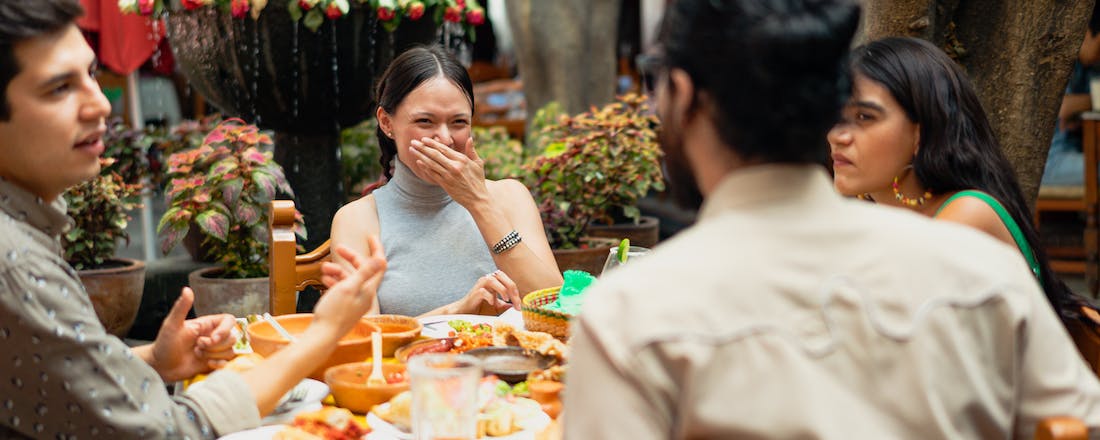
A small courtesy makes dining in Mexico feel welcoming from the off: strangers wishing one another provecho (enjoy your meal). You will hear it both as people pass your table on the way in and as they head out, and it sums up the easy politeness of daily life here. If you are not sure how to answer, a simple gracias (thank you) always works, and igualmente (likewise) is just as natural.
Cultural differences in Mexico
A handful of everyday cultural differences in Mexico tend to catch newcomers out, and tipping (la propina) is top of the list. Service staff often earn very little, and a good tip means a lot. Around 10 to 15 percent is normal in restaurants, and you will also tip the attendant who pumps your petrol, the person who bags your groceries, the pensioner who waves you into a parking space, and plenty of others besides, few of whom draw a salary. Keep small change on you; you will reach for it far more often than you would back home.
Mexico is also a loud country, and that surprises a lot of people. Church bells, street music, fireworks set off at odd hours, the neighbour’s sound system: all of it is part of daily life, especially around the countless local fiestas. It rarely takes long to get used to the soundtrack.
Religion in Mexico
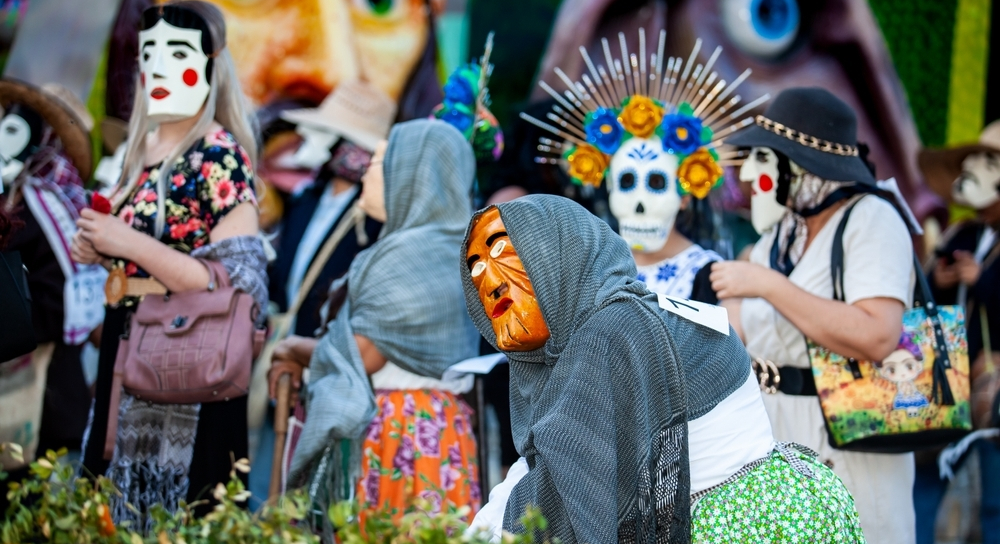
Where religion in Mexico is concerned, most people take a tolerant view. Locals tend to be relaxed about other faiths and ways of living, and the bigger cities have places of worship for a wide spread of religions. You can practise your own faith openly and without fear of reprisal.
For all that, the culture is predominantly Roman Catholic. You see it in the calendar of Catholic holidays and fiestas, and in the religious imagery and altars you will find even on government property. Catholicism’s grip has loosened over the decades as Protestant and evangelical churches have grown, and you will meet both more widely than you might expect, even in smaller cities. In many Indigenous communities, Catholic practice is also woven together with older traditions, so faith here is rarely one single thing.
Religious festivities are a regular feature of the calendar, and outsiders are welcome. Throw yourself in, and you will get a feel for the culture quickly and make local friends along the way. Be ready for the flip side, too: these celebrations can snarl up the traffic and derail your plans for the day.
Communication in Mexico
Communication in Mexico has one defining feature: people are unfailingly polite, and they would rather not disappoint you. Someone may assure you that something is possible when it is not, or that it will happen when it never does. Few people will admit to not knowing an answer to a question, and they might reply with their best guess instead.
It is less of an issue with people who have lived in the United States or who deal with foreigners often, but even then, treat a quick ‘yes’ with caution and get a second opinion on anything that matters.
Bureaucracy in Mexico
Bureaucracy in Mexico is something of a rite of passage. Open a bank account, buy property, sort out a visa, or settle any other legal matter, and the stack of documents and signatures can feel never-ending and faintly absurd.
Hang on to every piece of paperwork, because you will almost certainly need it again. Many documents are considered legal only when they bear an official stamp or signature.
Some of this has moved online; the tax authority, for one, now runs much of its business digitally. The stamps and in-person queues, though, are far from gone.
Banking, Money and Taxes in Mexico
Visas for Mexico
LGBTQ+ in Mexico
LGBTQ+ people in Mexico are on solid legal ground. Same-sex marriage has been legal in every state since 2022. Anti-discrimination protections go back further still, and a federal ban on conversion therapy followed in 2024.
The law is progressive, but social attitudes have not always caught up. If you are an LGBTQ+ individual and heading for a rural or more conservative area, keep the possible safety concerns in mind. The big cities are far more relaxed: Puerto Vallarta has been one of the country’s most openly gay friendly resort towns for years, and Mexico City and Guadalajara are every bit as welcoming.
LGBTQ+, Diversity and Inclusion in Mexico
Family in Mexico
Family in Mexico is everything, and family duties routinely come before work. Households can look bewilderingly extended to an outsider, and although that is changing over time, large families still often live under one roof.
At times, the sheer size and closeness of Mexican families may leave you feeling like an outsider. People love being together, and they call close friends hermanos (brothers) and hermanas (sisters) out of affection, which can make it hard to work out who is related to whom.
Traditionally, young couples moved in with their in-laws and started having children early, and they would not move into their own place until later. This is gradually changing among present-day households, and extended families increasingly live in separate homes.
Women in Mexico
Women in Mexico are gaining ground in a society that has long been patriarchal. Gender equality has come a long way, but gender-based discrimination still surfaces in social and working life. Lawmakers have responded: employers must now train their staff to help prevent and address violence against women at work.
More women are moving into senior management and political leadership, too. Under gender parity laws, women now hold close to half the seats in Congress, and the cabinet shows a similar balance. In 2024, Claudia Sheinbaum became the country’s first female president.