
- Download our Moving to Egypt Guide (PDF)
Living in Egypt as an expat
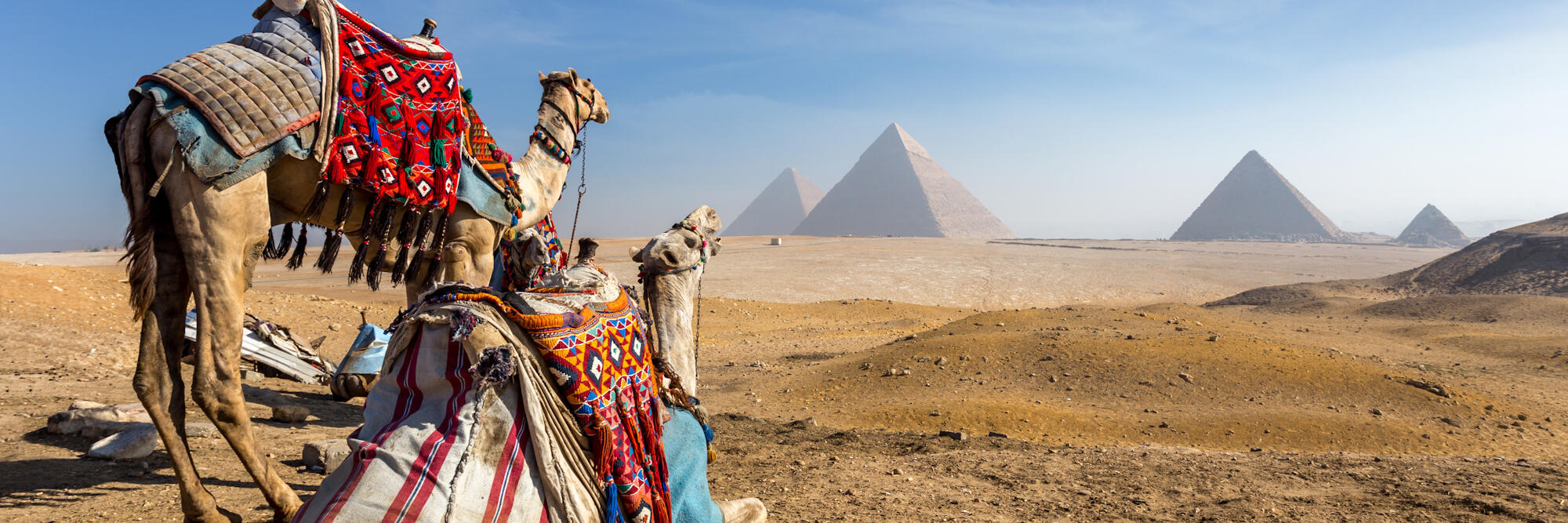
Moving to Egypt may not be the most obvious choice for expats looking to relocate, but the country’s rolling desert dunes and iconic ancient pyramids are on many a travel bucket list. Egypt has just as much to offer expats as it does tourists. Expats who relocate to Egypt tend to be engaging, active, adventurous, and interested in connecting with communities and interacting with Egyptian culture and people.
Expats are advised to keep abreast of Egypt’s safety and political climate. Major cities are generally stable, and there’s a visible presence of tourist police in Cairo. Travel advisories generally recommend heightened caution when visiting Egypt, and they advise against travel to North and Middle Sinai as well as certain areas of the Western Desert.
Working in Egypt
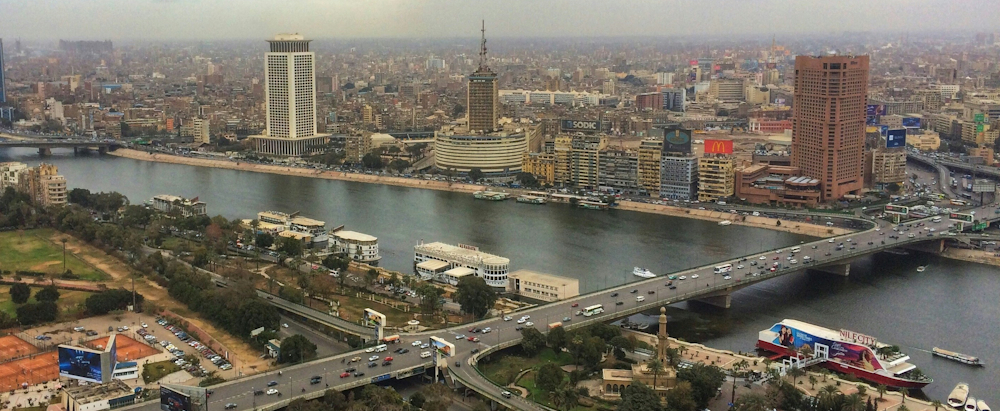
Those who want to live and work in Egypt will typically end up in people-centred professions. Teachers, writers, volunteers, and NGO workers are all woven into Egyptian society, so expats tend to have a lot of opportunities to befriend locals and experience the local culture.
For the most part, though, Egypt makes for a unique expat destination, and it is usually curiosity or love that draws expats to stay rather than financial promise or luxury living. Although Egypt isn’t yet a top-tier global industrial hub, the country has been positioning itself as a regional manufacturing and logistics hub. The Suez Canal Economic Zone and the New Administrative Capital are the most visible signs of that shift, and there are emerging markets and opportunities that are available to the insightful entrepreneur.
Working in Egypt
Visas and Residence Permits for Egypt
Work Permits for Egypt
Egyptian culture
Women from Western cultures often find it difficult to adapt to Egypt’s more patriarchal society. Street harassment is widely reported, particularly in crowded areas. Women who dress modestly find that it tends to reduce but not eliminate unwanted attention.
Bureaucracy is a problem in Egypt that delays access to services for both locals and expats. Some expats have reported delays in visa renewals due to inefficient government processes and corruption.
Inefficiency and corruption, unfortunately, also spill over into business, so expats looking to do business in Egypt must be prepared to deal with it. There are some reform efforts aimed at modernising government and the workplace.
Local Culture in Egypt
Business Culture in Egypt
Finding accommodation in Egypt
Expats should have no difficulty finding suitable accommodation in Egypt. Options range from simple studios to fully furnished condos and large villas. Expats tend to earn higher salaries than the local community and hence live in more affluent areas. Some companies or schools that host expats will supply accommodation in Egypt or provide an allowance as part of the agreed salary.
Renting Expat Accommodation in Egypt
Cost of living in Egypt
The cost of expat living in Egypt is generally low by international standards, especially for those earning in foreign currency. Rent and transport are reasonably affordable in Egyptian pounds. The currency has undergone significant devaluation in recent years, and imported goods and international services have become more expensive as a result. Your lifestyle choices will affect your monthly budget more than any headline figure.
Buying local groceries, shopping at markets and eating out at local restaurants will save expats some cash. Those who prefer to buy familiar imported products and alcohol, and to eat out at expensive international restaurants or hotels, will have to budget for these costs.
Living in Egypt with children
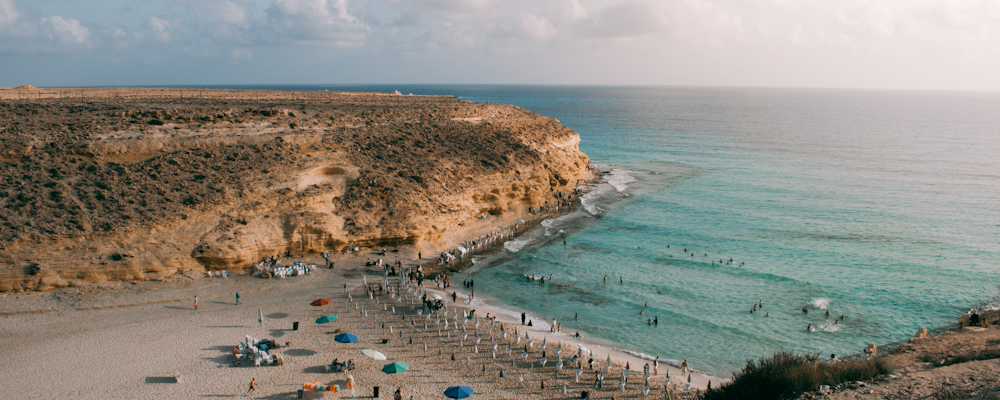
Expats looking for some family fun will have plenty of options among Egypt’s many ancient historical and cultural sites, such as the Great Pyramids and Old Cairo. Those who want to spend some time in nature will also find a range of day-trip options to nearby beaches and parks. The country has also catered to its young population with water parks and other great family-friendly attractions.
Healthcare in Egypt operates on two tiers. Public hospitals are widely available but tend to be under resourced; most expats turn to private healthcare, which can be of a high standard in Cairo and other major cities. Comprehensive private health insurance is considered essential for expat families.
Safety in Egypt
Healthcare and Medical Insurance in Egypt
Finding a school in Egypt
There are several good international schools in the country. Most of these are in Cairo and offer students the opportunity to continue studying the school curriculum of their home countries.
International Schools in Egypt
Getting around in Egypt
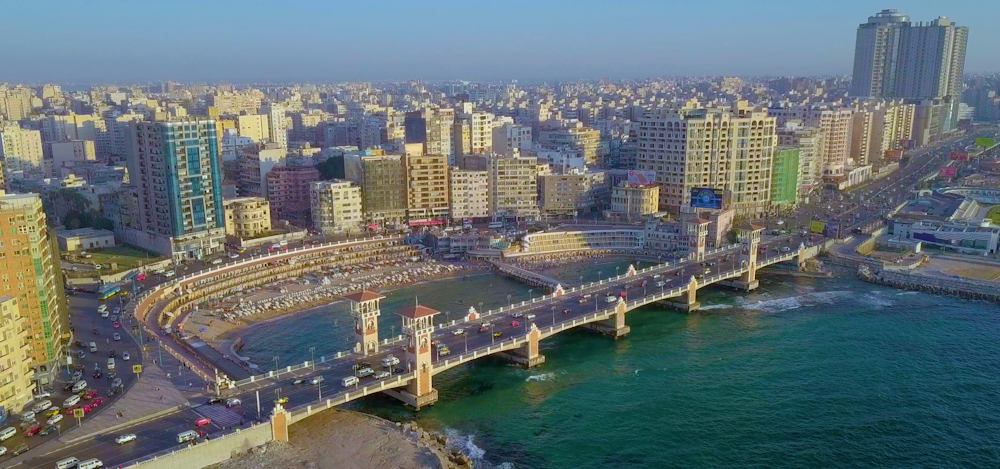
Getting around in Egypt can be an adventure, as there are varied modes of transport available, from overcrowded buses and minivans to first-class trains. Expats without the patience to deal with public transport in Egypt can always hire a car with a private driver.
Traffic in Cairo is nightmarish and chaotic, and many expats prefer not to drive. The Cairo Metro runs three operational lines, and the East Nile monorail extends the network further. Ride-hailing apps are a staple of daily expat life in the capital.
Public Transport and Driving in Egypt
Climate and weather in Egypt
Situated almost entirely in the Sahara Desert, the weather in Egypt is hot and dry. Egypt’s coastal region offers more pleasant conditions in the summer, but the average maximum temperature there is still 86°F (30°C). Expats living inland will experience much hotter summer temperatures, with 104°F (40°C) being standard in the warmest areas, such as Aswan and Luxor.
In winter, temperatures fall back down to a more enjoyable 68°F to 79°F (20°C to 26°C), so it’s the perfect time of the year to enjoy Egypt’s wonderful outdoors. This time of the year also brings rainfall to the coast.
Ultimately, expats moving to Egypt with a sense of curiosity and adventure are most likely to have an interesting and satisfying experience. For those with an open mind, Egypt holds much to discover.
Fast facts
Official name: Arab Republic of Egypt
Population: Approximately 120 million
Capital city: Cairo (also the largest city)
Other cities: Alexandria, Giza, Luxor
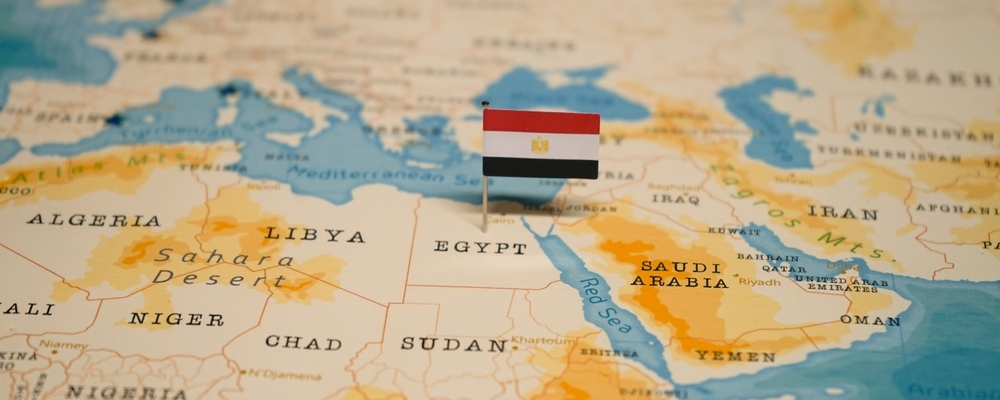
Geography: Egypt spans two continents. Most of Egypt is in Africa, but the land bridge formed by the Sinai Peninsula extends into Asia. Egypt is mostly desert, with a few oases. It is also home to the Nile, the world’s longest river.
Neighbouring countries: Egypt is bordered by the Gaza Strip and Israel to the northeast, the Red Sea to the east, Sudan to the south, and Libya to the west.
Political system: Unitary semi-presidential republic
Major religions: Islam with a Christian minority
Main languages: Arabic
Money: The Egyptian Pound (EGP) is divided into 100 piastres. ATMs are common in Egypt’s larger cities, but may be harder to find in smaller towns. Expats can open bank accounts, but various documents and an initial cash deposit are often required.
Tipping: Between 10 and 15 percent is standard practice across the service industry
Time: GMT+2
Electricity: 220V, 50Hz. Standard plugs are Type C and Type F (two round pins; Type F includes earth clips).
Internet domain: .eg
International dialling code: +20
Emergency contacts: 112 (unified emergency hotline), 122 (police), 123 (ambulance), 126 (tourist police), and 180 (fire)
Transport and driving: Cairo has a well-developed public transport system, including a multi-line metro, buses, a monorail, and trains. Other cities may have fewer options, and public transport throughout Egypt tends to be crowded and uncomfortable. Cars drive on the right-hand side of the road.