

Accommodation in Indonesia runs the full gamut, from high-rise city apartments to leafy suburban villas, and expats will find no shortage of options. Those relocating due to international job opportunities should ask their employer for assistance in finding accommodation. Employers might be able to recommend a good estate agent or assist in determining which popular expat neighbourhood best suits your lifestyle and budget.
Most expats opt to rent accommodation in Indonesia rather than buy, mainly due to property ownership laws for foreigners. Foreigners are legally prohibited from holding freehold land title (Hak Milik) in Indonesia under the Basic Agrarian Law of 1960. But foreigners who have valid residency permits can get Hak Pakai (Right to Use) titles for up to 80 years and own apartment units in designated zones.
Buying property as a foreigner in Indonesia (a house on Hak Pakai land or an apartment via strata title) is possible without owning the land on which it’s built. The process requires a licensed notary (notaris) and, ideally, a property lawyer, and expats are strongly advised to avoid nominee arrangements using an Indonesian citizen’s name, as these carry serious legal risks.
Types of accommodation in Indonesia

The types of accommodation in Indonesia vary by city. In Jakarta, many upmarket apartment blocks cater to expat housing needs and offer good locations, strong amenities and stylish interiors. Apartments are ideal for those who prioritise proximity to business districts. Securing accommodation close to the workplace or near the MRT line can drastically cut Jakarta’s notorious commuting time.
Additionally, apartment blocks’ strategic locations mean they are close to expat-friendly restaurants, shopping districts and nightlife, ensuring an active urban life for those who desire it. Whether you're a single professional or a family, you'll find a variety of apartment sizes in Indonesia’s major cities, from modern studio flats to spacious five-bedroom units.
For those who seek green spaces and quieter surroundings, the suburbs south of Jakarta are ideal. These areas offer spacious villas and better air quality, and they are often near top international schools.
Townhouses in Indonesia are another viable option. These are a balance between bustling city life and peaceful suburban living. These semi-detached properties in gated estates often come with shared amenities like gardens and swimming pools.
Bali draws a large and growing expat community, especially remote workers and digital nomads. Villa rentals are the norm in popular areas like Canggu and Seminyak, and co-living spaces have sprung up across the island. Surabaya and Bandung also attract expats. Both cities are more affordable than Jakarta and offer a quieter pace of life.
Furnished or unfurnished
Expats can choose between furnished and unfurnished properties in Indonesia. A furnished property typically comes with all essential furniture and appliances, but unfurnished properties are often cheaper.
Short-term lets
If you’re on a temporary stay or still exploring different residential areas in Indonesia, short-term rentals are a convenient choice. They offer flexibility but tend to cost more per month than a long-term lease. Platforms like Airbnb have a strong presence across Indonesia, particularly in Bali and Jakarta.
Useful links
Finding accommodation in Indonesia
Finding accommodation in Indonesia is easiest with a trusted estate agent on your side. They will be familiar with local real estate regulations and can guide you through the nuances of the Indonesian property market. Those who are receiving help from their employer to find accommodation might not need to go through an estate agent.
Some expats moving to Indonesia will be lucky enough to have a relocation company working on their behalf, who will assess their preferences and shortlist properties for them to view.
Online property portals, expat forums, and even local classifieds can further assist in the search. Networking with the expat community in Indonesia can also help you gain insights and recommendations about certain areas and properties.
Useful links
Renting accommodation in Indonesia
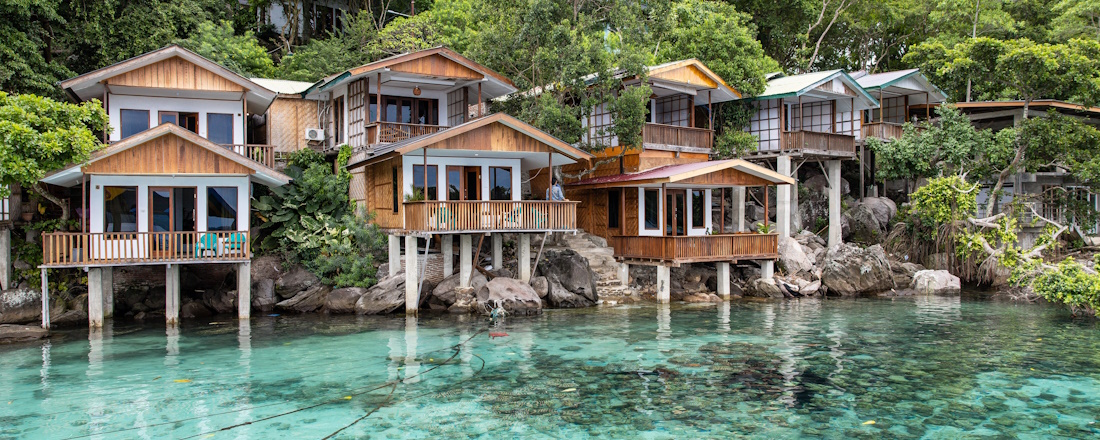
Making an application
Before renting accommodation in Indonesia, it’s worth conducting a thorough property inspection to make sure the space meets your expectations and to document any existing damage or issues.
Whether you’re signing a short-term or long-term lease, all terms should be transparent and understood by both parties to avoid potential disputes. Deposits, lease termination policies, and other essential clauses should be discussed openly with the landlord or through the estate agent to avoid misunderstandings later.
Leases
Lease agreements are usually negotiated directly with the owner of the property. It’s wise to engage a licensed Indonesian property lawyer or notary (notaris) for contract review, particularly for higher-value leases. At a minimum, have a trusted friend or colleague who is fluent in Indonesian look through the agreement.
Most leases run for one year, although shorter or longer durations can be negotiated. The entire rental amount is typically paid upfront in Indonesia, even for one-year leases; this catches many newcomers off guard.
Ensure the contract notes the responsibilities of both tenant and landlord, such as who covers maintenance or repair costs.
Deposits and fees
You will usually need to pay a year’s rent upfront, alongside a security deposit of one to three months’ rent. It’s challenging but possible to find landlords willing to accept a smaller upfront payment, such as six months’ rent. If you go this route, be prepared for far fewer options and less bargaining power on price.
Terminating the lease
If you need to terminate your lease early, discuss the terms with the landlord well in advance. Some contracts might have penalties for early termination, so it’s wise to clarify this point before signing. It’s difficult to recover prepaid rent; the only real recourse, where permitted by the contract, is to sublease the property.
Utilities in Indonesia

Utilities in Indonesia are generally the tenant’s responsibility, so it pays to clarify costs during rental negotiations. It helps to know how electricity, water, and gas billing work before you move in.
Security
Security can be an issue in Indonesia, but crime is usually limited to theft and is not often violent in nature. Most apartment buildings employ security guards and have additional security measures, such as surveillance cameras. Unlike the other items in this section, the cost of security measures is likely to be borne by the landlord, especially if the measures are already in place.
Electricity
Electricity in Indonesia is provided by the state-owned monopoly PLN (Perusahaan Listrik Negara). Expats should ensure their property’s wiring can handle the electrical load of their appliances. Power outages can occasionally occur, so it might be worth investing in surge protectors.
Monthly bills can be paid directly at the PLN offices, through online banking, or even at some convenience stores. It’s important to pay on time to avoid disconnection.
Gas
Households generally use bottled gas for cooking. It’s easy to find local distributors who can deliver new bottles and collect empty ones. Expats should check the gas connections for safety and ensure the property has proper ventilation.
Gas bills are not monthly but rather depend on usage. When the gas bottle is empty, it must be replaced, and payment is made upon delivery of a new bottle.
Water
Tap water in Indonesia is not safe to drink. Most households boil their water or rely on bottled water for drinking and cooking.
Perusahaan Daerah Air Minum (PDAM) are local government-owned water service companies in various regions across Indonesia. Monthly water bills are typically low and can often be paid in similar ways as electricity bills, either online, in person or at specific convenience stores.
Bins and recycling
Waste disposal and recycling systems vary across Indonesia. In urban areas, local authorities regularly collect rubbish. Recycling is not as widespread, and expats might need to seek out specific drop-off points for recyclables.
It’s a good practice to separate organic and non-organic waste, as some neighbourhoods have separate collection days for each type of waste.