

With thousands of islands scattered across the equator, Indonesia is the world’s largest archipelago. This culturally diverse corner of Southeast Asia has a lively tradition of music, art, dance, storytelling and craft, and for expats weighing the pros and cons of moving to Indonesia, it offers a lifestyle unlike anywhere else.
Like any destination, there are challenges to get your head around, but the rewards of living in this archipelago run deep. Below is our take on the pros and cons of moving to Indonesia.
Accommodation in Indonesia
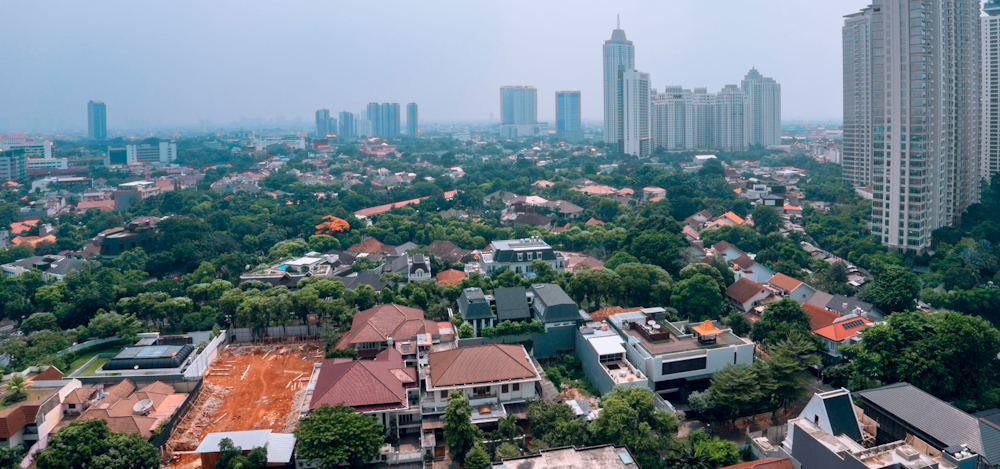
- CON: Overcrowding
Finding accommodation in Indonesia can be tricky, especially if spacious living is a priority. Most people opt for apartments. Space comes at a premium in Jakarta, so expect to pay significantly more for a house with a garden, and more again if you choose a popular expat enclave like Kemang or Pondok Indah. Traffic can be horrific, so ideally, you should live as close to work as possible, or near an MRT station; the metro system, operational since 2019, has changed where savvy expats choose to settle.
Renting Accommodation for Expats in Indonesia
Lifestyle in Indonesia

+ PRO: Vibrant nightlife and entertainment
The nightlife in Indonesian cities is lively and varied, so it’s not difficult to have a good time if you know where to look. In Jakarta, the cultural calendar is packed with art shows, live music and film festivals, and international acts regularly perform in the city.
Alcohol is heavily taxed and pricey, though it’s only outright banned in Aceh, the westernmost province. Elsewhere, particularly in Jakarta, you’ll find no shortage of bars, clubs, and cafés. Indonesian food is superb and varied enough to suit most dietary needs. If you find yourself craving Western fast food, the usual American chains are dotted around most cities, and international fare is easy to come by in the major hubs.
- CON: Cultural norms take some getting used to
The cultural norms in Indonesia will require some adjustment. Around 87 percent of the population identifies as Muslim, and social customs tend toward the conservative, particularly outside Jakarta and Bali. The dress code is more modest than what you may be used to, and it’s advised to cover knees and shoulders in most settings.
The month of Ramadan has a profound impact on daily life. Many restaurants close during daylight hours, business schedules change, and you’ll be expected to avoid eating and drinking in public.
+ PRO: Wide range of expat organisations
For expats, especially those who feel isolated from their compatriots, there are a number of well-run organisations that host meetings, events and talks. WhatsApp groups are the lifeblood of expat communities here, and you’ll find one for almost every interest and neighbourhood. There are also volunteer organisations you can join if you’d like to support one of the many charities working in Indonesia.
- CON: Social inequalities and poverty
The social inequalities and poverty in Indonesia can be eye-opening, particularly if you come from a more affluent part of the world. The gap between rich and poor is stark, and coming to terms with it can be uncomfortable.
Healthcare in Indonesia
+ PRO: Decent healthcare is readily available
Most minor medical emergencies can be handled within Indonesia, where private hospitals in Jakarta have improved markedly. For anything serious, Singapore and its world-class medical facilities are roughly two hours away by air. Good private dentists are available in Indonesia, and dental costs are usually cheaper than what one would expect to pay in North America or Western Europe.
- CON: Air quality concerns
Jakarta is among the world’s most polluted cities, particularly during the dry season from June to October. The haze is caused by vehicle emissions, industrial activity, and seasonal fires. It can aggravate respiratory conditions and is a genuine quality-of-life issue. Many expats invest in air purifiers for their homes.
- CON: Various health hazards
You may encounter health niggles, like stomach upsets, or more serious concerns like dengue fever, especially during the rainy season from November to April. It’s advisable to drink bottled water and exercise caution with street food, however tempting it may look or smell. Fresh juices are widely sold from roadside carts in Indonesia; they are often diluted with water of dubious origin and can cause serious illness.
Transport in Indonesia
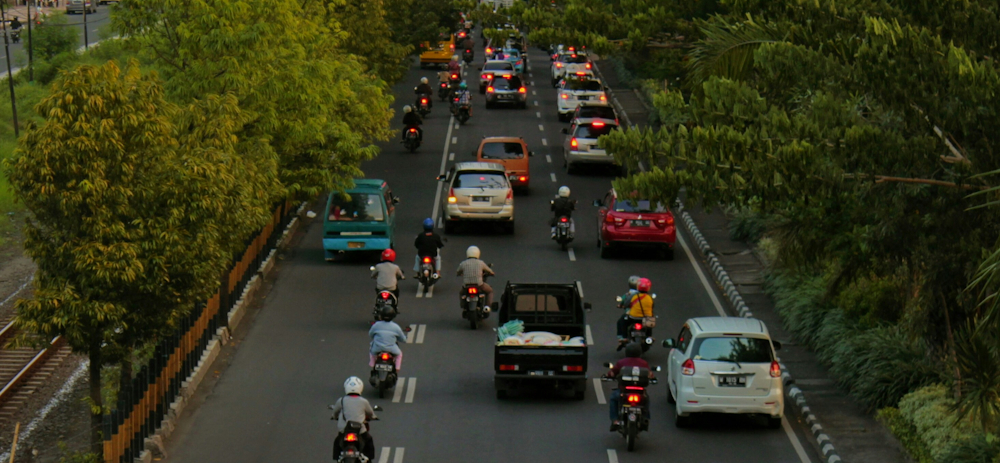
+ PRO: Taxis are affordable
Taxis are readily available and affordable. With ride-hailing apps like Grab and Gojek, you can book a car or motorcycle taxi with multilingual support, transparent pricing, GPS tracking, and cashless payments.
Many wealthy Indonesians and expats also hire a dedicated driver for those who want door-to-door convenience. A good driver knows every shortcut and side street, and what would be considered a luxury in Western countries is simply a part of daily life for most expats here.
- CON: Significant traffic congestion
Traffic congestion in Jakarta is legendary. Home to over 40 million people, Greater Jakarta is the world’s most populous urban area, and the daily gridlock is a fact of life that newcomers underestimate at their peril. Motorcycle taxis, known locally as ojek and easily booked through Gojek or Grab, are a nimble way to beat the traffic, although less ideal if it’s pouring with rain or you’ve got bags to carry.
Transport and Driving in Indonesia
Cost of living in Indonesia
- CON: Expensive imported products
The cost of living in Indonesia does vary depending on what you buy. Imported goods of any kind are significantly pricier than local products.
Shopping in Western-style supermarkets can be costly. Electricity bills, driven by round-the-clock air conditioning in the tropical heat, can come as a shock, and if you’re used to free healthcare, medical costs will need a line in the budget.
+ PRO: Cheap food, communications and household help
Eating out in Indonesia is remarkably affordable, as long as you leave the alcohol off the bill. Shopping for local fresh produce in the markets and warungs is a pleasure, and by sticking to local goods and skipping the supermarkets, you can live well on very little.
Mobile phone tariffs are good value, and broadband or cable is easily installed and not expensive. To hire household help of any kind, be it household staff, a gardener, driver, or nanny, is considerably cheaper than in Western European and North American countries. Textiles are abundant in Indonesia and are considered cheap. By finding the right tailor, made-to-measure clothes become a way of life.