Print
  • Hold down Ctrl key and select the sections you want to print. If using a Mac, hold down the Cmd key.
  • Use Ctrl + A or on Mac, Cmd + A to select all sections (if you are using the Chrome browser).
  • Click "Apply" and the site will customise your print guide in the preview below.
  • Click the "Print" button and a print pop up should appear to print to your printer of choice.

Working in Indonesia

Working in Indonesia means stepping into one of the most diverse business environments on earth. Indonesia has hundreds of ethnic groups and more than 700 local languages among a population of about 290 million, and the professional culture varies widely between regions.

Jakarta is the main hub for job-seeking expats, and most large corporations and international offices are based in the capital.


Job market in Indonesia

The job market in Indonesia draws heavily on the country’s abundant natural resources, with plenty of work opportunities for expats with expertise in mining and construction. Agriculture is a significant employer. Other important sectors of the Indonesian economy include textiles, electronics, and apparel and footwear manufacturing. There are also opportunities for expats who want to teach English in Indonesia, while others move there to take up a position in the humanitarian or tourism sectors.

Manufacturing is a significant contributor to GDP, and accounts for roughly a fifth of the country’s economic output. The nickel and EV battery supply chain has attracted substantial foreign investment, particularly in smelting and downstream processing.

In the heart of Southeast Asia, the Indonesian job market is evolving. Indonesia’s digital economy is expanding fast. Internet penetration has reached over 70 percent, and the information and communications sector has posted some of the strongest GDP growth of any industry.

Jakarta’s tech and startup scene has attracted significant venture capital, although the sector is maturing after a period of rapid expansion.


Finding a job in Indonesia

Finding a job in Indonesia is easiest when done before arrival. Many expats secure positions with international corporations, often as part of an intra-company transfer.

Foreign nationals who want to work in Indonesia will need employer-sponsored work authorisation. The process involves manpower approval, a work visa, and a limited stay permit (ITAS). The paperwork can be quite involved, but employers typically handle the bulk of the process since they are required to submit the applications on behalf of the foreign worker.

Securing employment can pose challenges for expats. Government policy in Indonesia mandates that companies adhere to certain criteria when hiring foreigners. They must show that the role fits a permitted position category and that the foreign worker holds relevant qualifications, including, in many cases, at least five years of experience. Foreign workers must also train an Indonesian counterpart as part of the government’s knowledge transfer requirements. Certain sectors have restrictions on the employment of expats. The bureaucratic requirements can be substantial, which is one reason why most expat positions are filled through established corporate channels rather than the open job market.

Learning Bahasa Indonesia is a significant advantage. Expat forums consistently report that language ability makes a real difference to workplace integration and day-to-day professional relationships.

Work Permits in Indonesia
Visas and Residence Permits in Indonesia

Useful links


Work culture in Indonesia

Work culture in Indonesia is generally warm and welcoming. Business structures are hierarchical, and the concept of saving face should be kept in mind to maintain harmonious relationships and avoid offending Indonesian colleagues.

It may take expats time to adapt to the more indirect local communication practices. Be mindful of potential miscommunications, as your Indonesian colleague saying ‘yes’ may mean they acknowledge what you’re saying but don’t necessarily agree. Criticism should always be given privately and not in front of colleagues. Meetings may focus more on building rapport and small talk, especially early in professional relationships.

A willingness to understand and respect local customs goes a long way when building professional relationships in this diverse country.

Business Culture in Indonesia 
Local Customs in Indonesia

Diversity and inclusion in Indonesia

Diversity and inclusion in Indonesia is shaped by the country's staggering range of cultures, languages, and traditions. The world's fourth-most populous country and Southeast Asia’s largest economy, this archipelago of over 17,000 islands has hundreds of ethnic groups and languages in everyday use, and few countries on earth can match Indonesia's cultural diversity.

Indonesia has grown steadily and now has a population of approximately 285 million people. Its ethnic makeup is incredibly diverse, and there are more than 600 distinct groups recorded in the national census. The Javanese are the most substantial group at around 40 percent of the total population, and the Sundanese make up approximately 17 percent. Other significant ethnic groups in Indonesia include the Batak, Minangkabau, Betawi, Bugis, Acehnese, and Dayak.

Indonesian is the official language, but the collection of over 700 languages and dialects spoken represents the scale of its cultural diversity. A developing nation, Indonesia skews younger, and more than 20 percent of the population is under 14 years old.


Accessibility in Indonesia
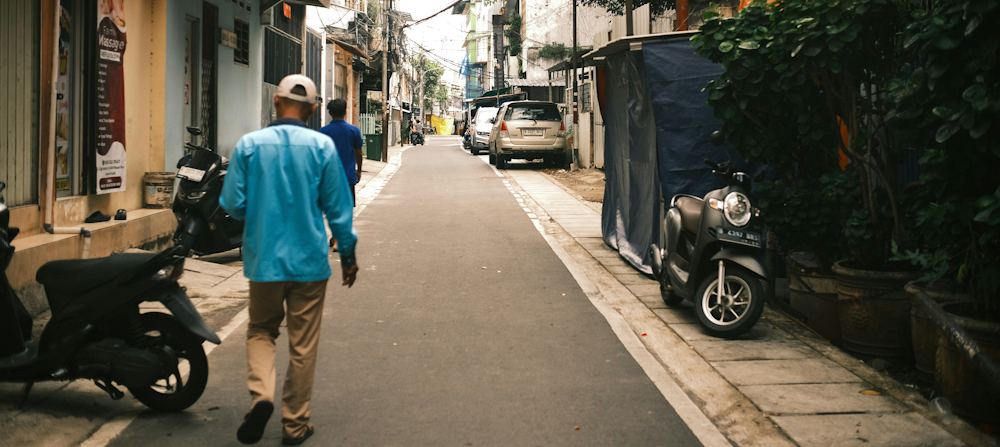
Cluttered Street in Jakarta by David Kristianto on Unsplash

Indonesia has made efforts towards improving infrastructure and policies to improve accessibility in Indonesia for people with disabilities. However, there is meagre supportive legislation and few programmes for people with limited mobility, and it’s a problematic destination to live and work in for anyone with a disability. Very few buildings, including international hotels and offices, have disabled access.

Public transport in Indonesia is not well adapted for people in wheelchairs, and pavements are riddled with potholes, loose maintenance holes, parked motorcycles, and all kinds of street life. Pedestrians end up walking on roads rather than negotiating the pavements. Things are better in the centre of Jakarta, but the city's suburbs and the rest of the country are challenging.

Airports

Jakarta's Soekarno Hatta International Airport offers accessibility features, but many passengers opt for paid premium services, as ground handling staff are not always fully trained. Onward travel is by DAMRI bus, airport train, or taxi, but a taxi is recommended for expats. Wheelchair adapted taxis can be pre-booked.

Taxis

Wheelchair-accessible taxis are available in major Indonesian cities, but you should book them in advance. There are also private companies that operate minivan services. There is no Uber in Indonesia, but you can use local ride-hailing apps such as Grab and Gojek in urban areas. Accessibility features for people with mobility challenges are still limited on these apps, though.

Buses

The principal bus service, Transjakarta (also called Busway), can be frustrating for those with impairments. The service is the world's longest bus rapid transit (BRT) system, now carrying well over a million passengers a day, so it can get hectic. Bus shelters (stops) are often in the middle of the highway and only accessible by steep, raised bridges. Much of the vehicle fleet has been renewed with low-floor entry, but journeys must be well planned in advance.

Metro

The Jakarta Mass Rapid Transit (MRT) system is relatively new, and it travels around 12.5 miles (20km) from north to south via 13 stations. Phase 2, extending the north-south line further into central Jakarta, has begun construction, as has a separate east-west line. Fares are payable using bank-issued contactless e-money cards or QR-based digital payments through the MyMRTJ app. The system has won awards for accessibility and includes priority elevators, access ramps and toilet facilities.

Car hire

International car hire firms and local franchises are available, but few foreign visitors choose to drive themselves. Car and driver services are popular and safer than testing one's driving skills on Jakarta's congested streets. During much of the day, the average traffic speed in the city is slow, so well-planned travel using taxis or car hire tends to be the best option for getting from A to B.

Public Transport and Driving in Indonesia

Further reading


LGBTQ+ in Indonesia

LGBTQ+ people in Indonesia face massive societal challenges and prejudice. Traditional Indonesian society disapproves of homosexuality and transitioning, which limits progress in public policy. Some urban areas and youth groups have become more accepting and supportive of LGBTQ+ rights.

A new criminal code took effect in January 2026, and it criminalises extramarital sex. Since same-sex marriage is not recognised in Indonesia, this effectively criminalises all same-sex sexual activity. The code also criminalises cohabitation between unmarried couples. Prosecution requires a formal complaint from a spouse, parent or child of one of the parties involved.  In Aceh province, which operates under its own sharia-based legal code, same-sex relations can be punished by public flogging or imprisonment.

Same-sex marriage, civil unions, and adoption by same-sex couples are not legally recognised, and there is no anti-discrimination legislation protecting LGBTQ+ people.

Transgender identity is more complex. Waria (a cultural category for those assigned male at birth who live as women) have a long-standing presence in Indonesian society. Transgender people can change their legal gender, but only through a court order that typically requires medical evidence, a process that is difficult and rarely successful.

Further reading


Gender equality in Indonesia

Traditionally, Indonesian society has been male dominated. Progress has been slow to counter inequality, but the government has instituted the National Gender Mainstreaming Policy to improve equality in research, policy, dialogue, and legislation. There are ongoing discussions, initiatives, and movements that advocate for gender equality, and the younger generation is leading the way in pushing for change.

Female literacy rates and educational attainment are relatively high, but executive opportunities are limited. Many women drop out of the labour market to care for children and run homes, returning as small-scale entrepreneurs or self-employed workers. Women own or manage roughly 60 percent of Indonesia's micro, small ,and medium enterprises, faring far better than in the corporate world.

Further reading


Women in leadership in Indonesia
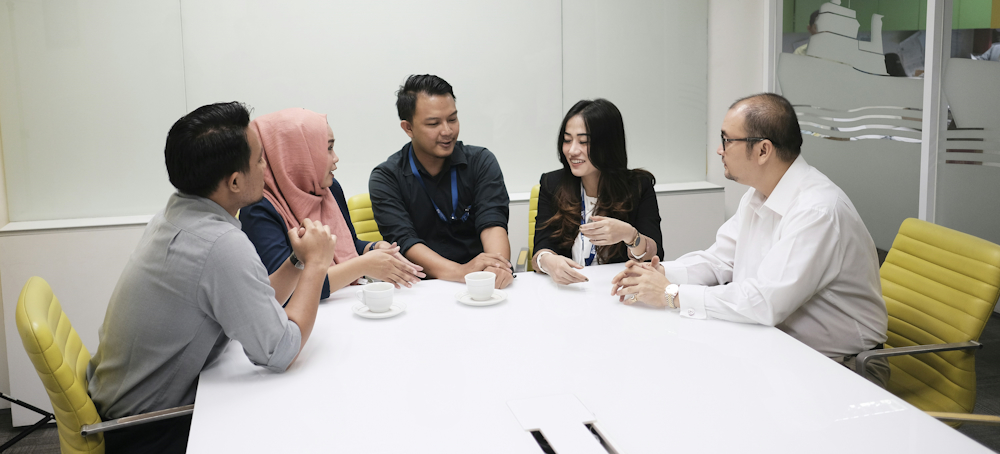
Indonesian Office Meeting by Edi Kurniawan on Unsplash

The country is on the right track as it acknowledges women's central role in developing the national infrastructure and economy. The number of female directors and commissioners present in companies listed on the Indonesian Stock Exchange is high and growing. Women in leadership in public and private companies make up around 10 to 20 percent. In government, around 20 percent of seats in the House of Representatives are held by women, the highest figure since the 30 percent quota was introduced in 2004.

Further reading


Mental health in Indonesia

It isn't uncommon for expats to experience problems with their well-being through concerns about work, family, finances, or the future, including neglect or abuse. Although mental health awareness has increased in Indonesia in recent years, stigma and misunderstandings of mental health exist, especially in the country's outlying regions and smaller cities.

Mental health support is quite limited in Indonesia due to the low number of professionals and such a large population. But the COVID-19 pandemic paved the way for innovative online mental health support and well-being initiatives in Indonesia, and access has expanded massively for those who can afford treatment.

Platforms such as Halodoc and Alodokter now offer online consultations with psychologists, some in English. Expats with private health insurance can access international-standard psychiatric and psychological care at private hospitals in Jakarta, Bali, and Surabaya. Outside major cities, English-speaking mental health professionals are scarce.


Unconscious bias in Indonesia

Unconscious bias can emerge from living in societies where inequalities exist, and it can eventually become internalised as prejudice. Bias around gender, age, and cultural background can hinder optimal recruitment processes, stifle professional growth, and impact employee satisfaction. Some international organisations in Indonesia deploy training to counter ingrained thinking. It is considered less of a priority for smaller domestic enterprises, in line with many attitudes across Asia.


Diversification of the workforce in Indonesia

Leaning into workplace diversity is now seen as pivotal for fostering innovation and maintaining a competitive edge in Southeast Asia. Diversity initiatives in Indonesia are generally focused on gender as the priority, followed by religion. Many companies, especially international corporations, are taking strides to promote diversity and inclusivity in the workplace.

Research reveals that Indonesian attitudes highly emphasise ethnic and family backgrounds. Despite Indonesia's inclusive motto of Bhinneka Tunggal Ika (Unity in Diversity), some industries still show preferences based on ethnic or regional backgrounds. Hiring decisions may be influenced by whether a prospective manager is Javanese, Sumatran, Moluccan, or from further afield.

Ethnic Chinese Indonesians account for a small share of the population: official census figures put it at just over 1 percent, although broader estimates suggest around 3 percent when partial ancestry is included. But this community plays an outsized role in the economy, and some estimates suggest ethnic Chinese business owners control as much as 70 percent of private corporate wealth.

Working in Indonesia


Safety in Indonesia
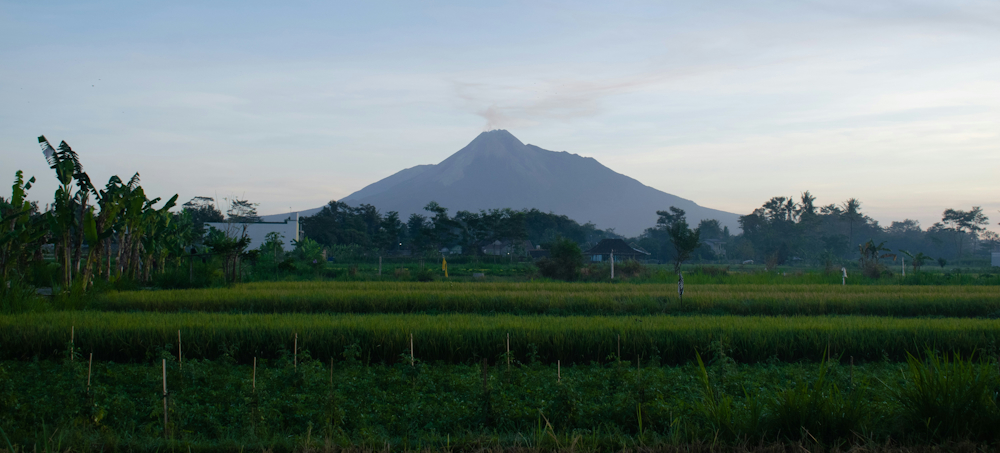
Volcano in Indonesia by Elang Wardhana on Unsplash

With a plethora of islands and some of the globe's premier snorkelling and scuba diving destinations, Indonesia is an outstanding place to visit or make home. But Indonesia sits on the convergence zone of three major tectonic plates, so earthquakes, volcanic eruptions, tsunamis, and flooding are real and recurring risks. Air pollution is a serious concern, particularly around Jakarta, where PM2.5 levels regularly exceed WHO guidelines by a wide margin.

Overall crime rates are low by global standards, although OSAC has assessed Jakarta and Surabaya as high-threat locations for crime targeting foreigners. In Bali, petty crime, scams, and cybercrime affecting visitors have been on the rise. Wherever you are, it goes a long way to stay alert to local customs and cultural norms. Most visitors and residents spend their time in Indonesia peacefully and without problems.

Safety in Indonesia

Further reading


Women's safety in Indonesia

Indonesia passed a landmark Sexual Violence Law (UU TPKS) in 2022 to expand legal protections for survivors and establish new avenues for reporting and prosecution. Recent years have witnessed a surge in campaigns and initiatives championing women's safety and rights in Indonesia.

Expat women are advised to dress modestly, especially in conservative Islamic areas. In Aceh, Muslim women are legally required to wear headscarves under provincial sharia law. Non-Muslim women are not obligated to cover their heads, but they are expected to dress very conservatively and will feel a lot of social pressure to conform.

Indonesian men are generally courteous, but Indonesia does have documented cases of street harassment of women. It’s sensible to stick to busy areas and use confident body language.


Calendar initiatives in Indonesia

  • Kartini Day (21 April): Celebrates the life of Raden Adjeng Kartini, a pioneer of women's rights and education in Indonesia
  • International Women's Day (8 March)
  • World Autism Awareness Day (2 April)
  • International Day Against Homophobia, Biphobia, and Transphobia (17 May)
  • World Mental Health Day (10 October)
  • International Day of Persons with Disabilities (3 December)
  • Human Rights Day (10 December)
Weather in Indonesia

The weather in Indonesia is tropical across most of the archipelago. It’s hot and humid all year, although noticeably cooler at higher elevations and in mountain areas. If you’re an expat moving to Indonesia from a cooler climate, the heat and humidity can take some getting used to.

The country doesn’t experience your usual four distinct seasons, and temperatures are quite constant throughout the year. Coastal regions average around 82°F (28°C), inland areas around 79°F (26°C), and higher mountain regions are closer to 73°F (23°C).

The wet season sweeps across most of the country between October and March, although exact timing varies by island. Indonesia is rarely in the direct path of tropical cyclones, but intense thunderstorms and heavy downpours during the wet season can catch newcomers off guard. There is sometimes localised flooding. The dry season runs from roughly April to September in much of the country and is widely considered the most comfortable time of year.

Weather patterns vary considerably across the archipelago. Java and Bali tend to have the most pronounced dry and wet seasons, while western Sumatra and much of Kalimantan are drenched around the year with no truly dry spell. The eastern islands towards Nusa Tenggara grow progressively drier – a world apart from the rainforests further west.


Pros and Cons of Moving to Indonesia

With thousands of islands scattered across the equator, Indonesia is the world’s largest archipelago. This culturally diverse corner of Southeast Asia has a lively tradition of music, art, dance, storytelling and craft, and for expats weighing the pros and cons of moving to Indonesia, it offers a lifestyle unlike anywhere else.

Like any destination, there are challenges to get your head around, but the rewards of living in this archipelago run deep. Below is our take on the pros and cons of moving to Indonesia.


Accommodation in Indonesia

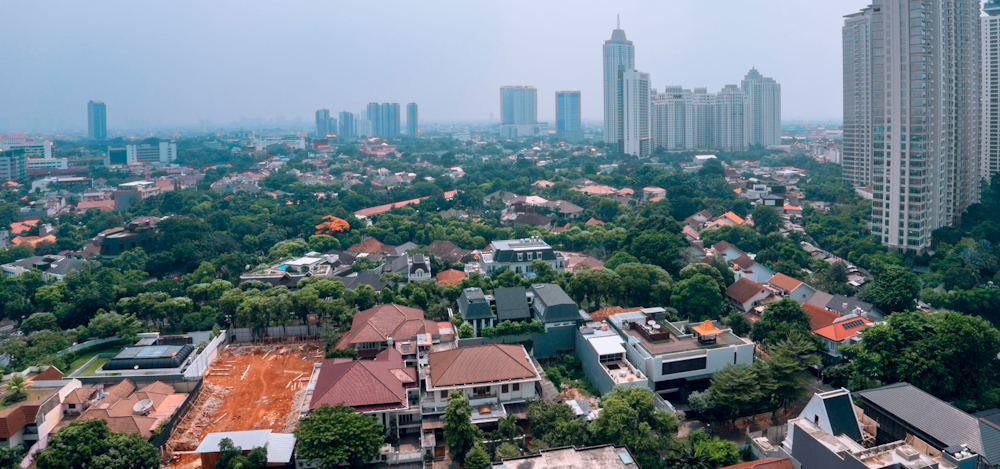
Hazy Residential Jakarta by Fiqih Alfarish on Unsplash

- CON: Overcrowding

Finding accommodation in Indonesia can be tricky, especially if spacious living is a priority. Most people opt for apartments. Space comes at a premium in Jakarta, so expect to pay significantly more for a house with a garden, and more again if you choose a popular expat enclave like Kemang or Pondok Indah. Traffic can be horrific, so ideally, you should live as close to work as possible, or near an MRT station; the metro system, operational since 2019, has changed where savvy expats choose to settle.

Renting Accommodation for Expats in Indonesia


Lifestyle in Indonesia

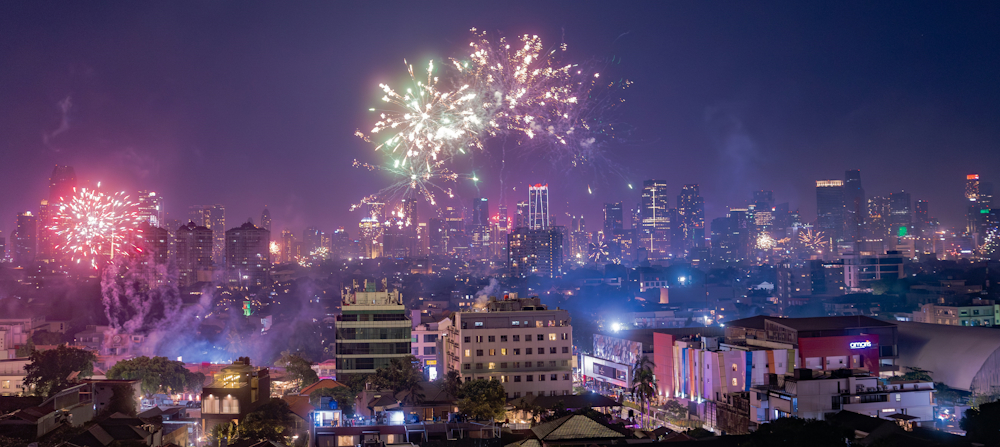
New Year's Celebrations in Jakarta by Alim on Unsplash

+ PRO: Vibrant nightlife and entertainment

The nightlife in Indonesian cities is lively and varied, so it’s not difficult to have a good time if you know where to look. In Jakarta, the cultural calendar is packed with art shows, live music and film festivals, and international acts regularly perform in the city.

Alcohol is heavily taxed and pricey, though it’s only outright banned in Aceh, the westernmost province. Elsewhere, particularly in Jakarta, you’ll find no shortage of bars, clubs, and cafés. Indonesian food is superb and varied enough to suit most dietary needs. If you find yourself craving Western fast food, the usual American chains are dotted around most cities, and international fare is easy to come by in the major hubs.

- CON: Cultural norms take some getting used to

The cultural norms in Indonesia will require some adjustment. Around 87 percent of the population identifies as Muslim, and social customs tend toward the conservative, particularly outside Jakarta and Bali. The dress code is more modest than what you may be used to, and it’s advised to cover knees and shoulders in most settings.

The month of Ramadan has a profound impact on daily life. Many restaurants close during daylight hours, business schedules change, and you’ll be expected to avoid eating and drinking in public.

+ PRO: Wide range of expat organisations

For expats, especially those who feel isolated from their compatriots, there are a number of well-run organisations that host meetings, events and talks. WhatsApp groups are the lifeblood of expat communities here, and you’ll find one for almost every interest and neighbourhood. There are also volunteer organisations you can join if you’d like to support one of the many charities working in Indonesia.

- CON: Social inequalities and poverty

The social inequalities and poverty in Indonesia can be eye-opening, particularly if you come from a more affluent part of the world. The gap between rich and poor is stark, and coming to terms with it can be uncomfortable.

Local Culture in Indonesia


Healthcare in Indonesia

+ PRO: Decent healthcare is readily available

Most minor medical emergencies can be handled within Indonesia, where private hospitals in Jakarta have improved markedly. For anything serious, Singapore and its world-class medical facilities are roughly two hours away by air. Good private dentists are available in Indonesia, and dental costs are usually cheaper than what one would expect to pay in North America or Western Europe.

- CON: Air quality concerns

Jakarta is among the world’s most polluted cities, particularly during the dry season from June to October. The haze is caused by vehicle emissions, industrial activity, and seasonal fires. It can aggravate respiratory conditions and is a genuine quality-of-life issue. Many expats invest in air purifiers for their homes.

- CON: Various health hazards

You may encounter health niggles, like stomach upsets, or more serious concerns like dengue fever, especially during the rainy season from November to April. It’s advisable to drink bottled water and exercise caution with street food, however tempting it may look or smell. Fresh juices are widely sold from roadside carts in Indonesia; they are often diluted with water of dubious origin and can cause serious illness.

Healthcare in Indonesia


Transport in Indonesia

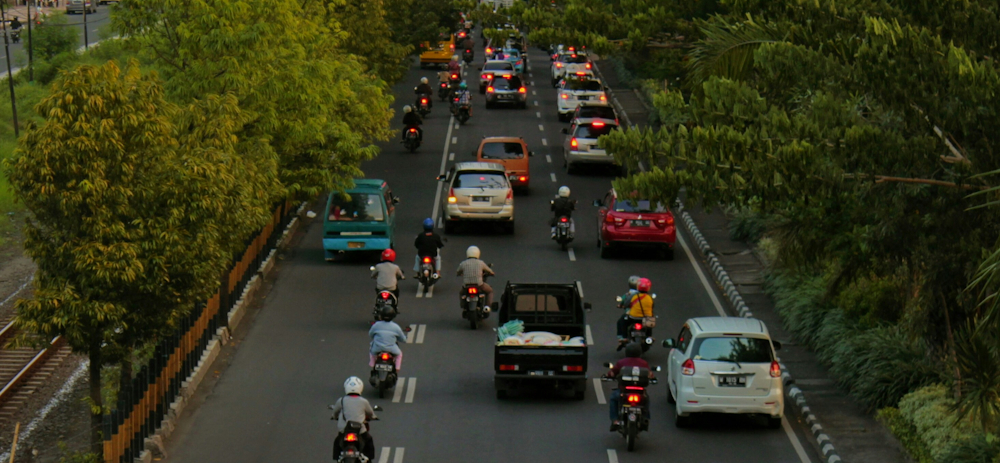
Traffic in Surabaya City, East Java, Indonesia by Nuril Ahsan on Unsplash

+ PRO: Taxis are affordable

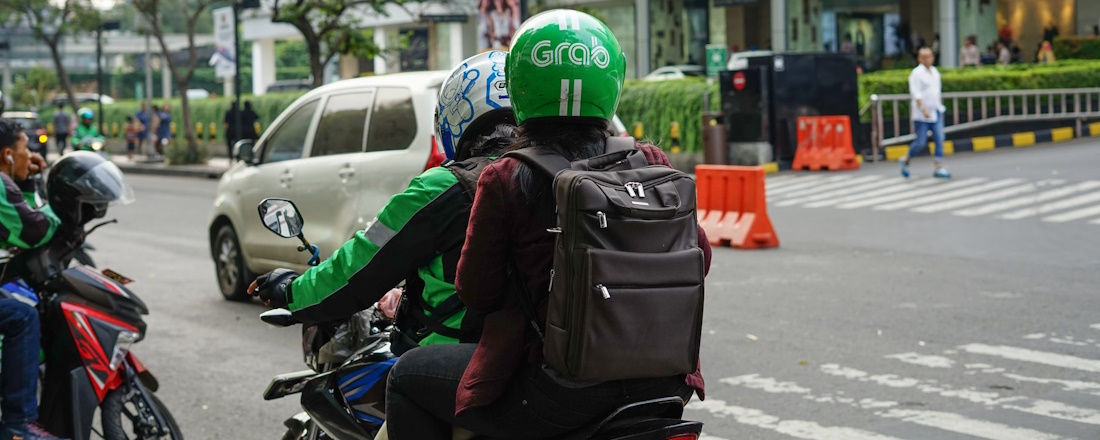
Taxis are readily available and affordable. With ride-hailing apps like Grab and Gojek, you can book a car or motorcycle taxi with multilingual support, transparent pricing, GPS tracking, and cashless payments.

Many wealthy Indonesians and expats also hire a dedicated driver for those who want door-to-door convenience. A good driver knows every shortcut and side street, and what would be considered a luxury in Western countries is simply a part of daily life for most expats here.

- CON: Significant traffic congestion

Traffic congestion in Jakarta is legendary. Home to over 40 million people, Greater Jakarta is the world’s most populous urban area, and the daily gridlock is a fact of life that newcomers underestimate at their peril. Motorcycle taxis, known locally as ojek and easily booked through Gojek or Grab, are a nimble way to beat the traffic, although less ideal if it’s pouring with rain or you’ve got bags to carry.

Transport and Driving in Indonesia


Cost of living in Indonesia

- CON: Expensive imported products

The cost of living in Indonesia does vary depending on what you buy. Imported goods of any kind are significantly pricier than local products.

Shopping in Western-style supermarkets can be costly. Electricity bills, driven by round-the-clock air conditioning in the tropical heat, can come as a shock, and if you’re used to free healthcare, medical costs will need a line in the budget.

+ PRO: Cheap food, communications and household help

Eating out in Indonesia is remarkably affordable, as long as you leave the alcohol off the bill. Shopping for local fresh produce in the markets and warungs is a pleasure, and by sticking to local goods and skipping the supermarkets, you can live well on very little.

Mobile phone tariffs are good value, and broadband or cable is easily installed and not expensive. To hire household help of any kind, be it household staff, a gardener, driver, or nanny, is considerably cheaper than in Western European and North American countries. Textiles are abundant in Indonesia and are considered cheap. By finding the right tailor, made-to-measure clothes become a way of life.

Cost of Living in Indonesia

Cost of Living in Indonesia

When it comes to the cost of living in Indonesia, you’ll find that it’s generally easier on the wallet than in many Western countries.

Working as an expat in Indonesia for a large organisation often comes with perks, like an international salary and extensive compensation covering basic expenses like housing, schooling, and even transport. Notably, the cost of living, even in Jakarta, is relatively low, allowing you to enjoy a more luxurious lifestyle than you would in other popular expat destinations.


Cost of accommodation in Indonesia

The cost of accommodation in Indonesia runs the gamut depending on where you lay your hat. Foreigners still cannot own freehold property, but long-term usage rights (known as Hak Pakai) allow those with a valid residence permit to use land for up to 80 years. Minimum purchase prices are steep, particularly in Jakarta.

In Jakarta, the bustling capital, expats earning an international salary can typically afford luxurious apartments or houses in the most sought-after neighbourhoods. If you’re counting your pennies, don’t fret. You can still secure a simple apartment in a decent and safe area.

Venture outside Jakarta, and accommodation costs drop significantly. Cities like Surabaya and Bandung are more affordable options, and in smaller towns or villages, you can find even cheaper digs. While the standards might not match those in metropolitan areas, these places are ideal if you’re after a quieter life without the price tag.

Bear in mind that landlords in Indonesia commonly require a full year’s rent paid upfront, so budget for that lump sum when planning your move.

Renting Expat Accommodation in Indonesia


Cost of transport in Indonesia

The cost of transport in Indonesia won’t take you for a ride financially, even if you regularly hop into taxis or hire your own driver. Car prices are comparable to those elsewhere, and fuel is relatively affordable. The government subsidises the most popular petrol grade, and pump prices are well below international norms.

Public transport is a bargain but comes with its own set of challenges. Older city buses and minibuses can be packed to the gills and often lack air conditioning, although TransJakarta’s bus rapid transit fleet is a notable exception.

Jakarta’s public transport network is expanding. The MRT is being extended northward, and there’s also an east-west line under construction. TransJakarta already covers an extensive network of dedicated lanes across the capital.

For convenience and comfort, ride-hailing apps like Grab and Gojek are the way to go. They’re popular, affordable, and generally reliable for daily commuting.

If you’re up for a bit of adventure, you can hop on an ojek (motorbike taxi), most conveniently booked these days through Grab or Gojek at a fixed fare. In some older neighbourhoods, you may still spot a bajaj (three-wheeled auto rickshaw), although they’ve grown scarce as ride-hailing apps have taken over. For those, you’ll want to negotiate the fare upfront; a few phrases in Bahasa Indonesia go a long way.

Transport and Driving in Indonesia


Cost of groceries and clothing in Indonesia

When it comes to the cost of groceries and clothing in Indonesia, they won’t take a big bite out of your budget as long as you avoid splurging on imported products and international brands. Local food, clothing, and personal care items are inexpensive compared to their imported counterparts, so it’s often worth giving local products a try.

Please note that prices for fresh produce can fluctuate with the seasons. During harvest times, you can bag a bargain, while off-season weather or the onset of Ramadan can send prices sharply upward. Chilli and onion prices, for instance, have been known to double within weeks.

Local street markets are a treasure trove for fresh fruits, vegetables, and traditional clothing. Shopping at these places is easy on the wallet and offers a rich cultural experience, giving you a taste of daily life in Indonesia.

Worth knowing: alcohol in Indonesia is subject to hefty import duties and excise taxes, so beer, wine, and spirits cost considerably more than in neighbouring Southeast Asian countries. If imported drinks are part of your weekly shop, expect them to take a disproportionate bite out of your budget.


Cost of entertainment and eating out in Indonesia

The cost of entertainment and eating out in Indonesia is pleasantly affordable, and there is a wealth of options to suit all tastes. It generally won’t break the bank to catch a movie, attend a theatre show, enjoy local music events, or enjoy a sumptuous meal at a local restaurant.

When it comes to dining, street food stalls are a treasure trove of delicious local delicacies at a fraction of the price you’d pay in Western restaurants. If you’re craving a taste of home, international restaurants are available, although they come with a heftier price tag.

If you enjoy nightlife, Jakarta and Bali offer a flourishing scene. Imported spirits and cocktails can rival Western prices thanks to steep alcohol taxes, but local beer is cheap, and you can still find spots that are easier on the wallet.


Cost of education in Indonesia

The cost of education in Indonesia, particularly in Jakarta, can be quite steep if you’re considering international schools. These institutions have curricula and facilities that significantly surpass those at local public schools, but they often come with a hefty price tag. Be prepared for additional charges: registration fees, capital levies, school transport, and international exam costs can add up quickly.

If international schools aren’t your cup of tea, private local schools can serve as a middle ground in terms of cost. The quality varies, so be sure to do your homework. Some outperform public schools, others don’t. Research and visit several schools to find the right fit for your child’s needs.

International Schools in Jakarta 
Education and Schools in Indonesia


Cost of healthcare in Indonesia

The cost of healthcare in Indonesia can be a mixed bag, especially in Jakarta, where services are relatively expensive, and quality varies significantly. Be sure to find a reputable local hospital with reasonable rates as soon as possible.

Expats employed in Indonesia for six months or more must enrol in the national health insurance scheme (BPJS Kesehatan). Your employer will typically handle this. It covers basic public healthcare, but most expats also take out private insurance for broader hospital access and English-speaking medical staff.

Supplementary private health insurance is a wise move to cover any gaps. Make sure your policy includes medical evacuation, as complex cases are routinely transferred to Singapore. This is especially important if you plan to travel beyond Jakarta or Bali, where healthcare infrastructure thins out quickly.

Healthcare in Indonesia


Cost of living in Indonesia chart

Prices are listed in Indonesian rupiah (IDR) and may vary depending on the product and service provider. The table below shows average prices for Jakarta in April 2026.

Accommodation (monthly rent)
One-bedroom apartment in the city centreIDR 6,350,000
One-bedroom apartment outside the city centreIDR 3,750,000
Three-bedroom apartment in the city centreIDR 21,500,000
Three-bedroom apartment outside the city centreIDR 11,100,000
Shopping
Eggs (dozen)IDR 31,500
Milk (1 litre)IDR 23,000
Rice (1kg)IDR 15,500
Loaf of white breadIDR 17,000
Chicken breasts (1kg)IDR 59,000
Cheese (500g)IDR 65,000
Eating out
Three-course meal for two at a mid-range restaurantIDR 305,000
Big Mac MealIDR 58,500
Coca-Cola (330ml)IDR 9,500
CappuccinoIDR 34,000
Local draft beer (500ml)IDR 50,000
Utilities
Mobile phone monthly plan with calls and dataIDR 99,500
Internet (uncapped fibre or cable – average per month)IDR 350,000
Basic utilities (average per month for a standard household)IDR 1,670,000
Transport
Taxi rate (per kilometre)IDR 7,000
Bus/train fare in the city centreIDR 3,500
Gasoline/petrol (per litre)IDR 12,300

Healthcare in Indonesia

Healthcare in Indonesia varies widely in quality, and most expats choose private facilities over public ones throughout their stay.

Foreign workers staying in Indonesia for more than six months are required by law to enrol in the national health insurance scheme, BPJS Kesehatan. Coverage can be limited, though, and most expats supplement it with private medical insurance. For those on a retirement visa, comprehensive health insurance valid in Indonesia is a legal requirement.


Public healthcare in Indonesia

Public healthcare in Indonesia is limited, with the best facilities found in and around Jakarta. The standard of local medical care can be poor, and public hospitals, especially those in the capital, tend to be overcrowded, with long waiting times.

While expats can be treated at local public hospitals, doctors and staff will most likely be Indonesian, and there is no guarantee they will speak English, so communication may be an issue. Expats enrolled in BPJS can access public healthcare through the scheme’s referral system, although those without coverage will be expected to pay in cash upfront.

For these reasons, expats in Indonesia tend to opt for private healthcare, which is relatively expensive but offers far better facilities and coverage.

Useful links


Private healthcare in Indonesia

Private healthcare in Indonesia is expensive but offers a far higher standard of care than the public system. Facilities usually boast superior amenities, and expats are far more likely to encounter English-speaking staff.

Many expats travel to Singapore, Thailand, or Australia for serious or planned procedures where specialist care is needed.


Health insurance in Indonesia

Employers typically provide health insurance in Indonesia as part of an expat’s relocation package. Before setting off for Indonesia, expats should check their contracts to see whether the health insurance policy is adequate for their needs and those of family members.

Freelancers, digital nomads, and those whose employers do not provide cover will need to arrange their own international health insurance before arriving.

As most expats and wealthy Indonesians often go to Singapore to access better medical care for more serious conditions, expats should ensure the company’s health insurance policy covers international medical evacuation as well as treatment in Singapore or Australia.


Pharmacies and medication in Indonesia

Pharmacies in Indonesia are known as apotek and are recognisable by the green cross sign outside. They can easily be found in the large shopping malls scattered throughout all major cities. Pharmacies can also be found in most hospitals and medical clinics, although expats will need a prescription from a doctor at that particular practice, as they don’t tend to fill prescriptions from elsewhere.

Pharmacies in Indonesia sell a wide range of prescription and over-the-counter medications and usually have an on-site pharmacist to assist customers with any drug-related questions. Many medications that require a prescription in Western countries (including some antibiotics) are sold over the counter, although enforcement of prescription regulations has been tightening. Again, expats should be aware that, generally, Indonesian pharmacists know little English, so communication may not be easy.


Health hazards in Indonesia

Malaria is among the health hazards in Indonesia tied to its tropical climate, although it is not typically a problem in major urban hubs like Jakarta and Bali. Those in rural parts of Sumatra, Kalimantan, Sulawesi, or Papua should consult a travel health specialist about anti-malarial medication. Papua carries the highest risk by far, accounting for over 90 percent of Indonesia’s malaria cases.

Dengue fever is a year-round risk across the archipelago, including in major cities. Spread by mosquitoes that bite during the day, it is one of the most common health threats facing expats in Indonesia. There is no specific treatment, so prevention through insect repellent, long clothing, and mosquito nets is the best defence.

The air quality in Indonesia’s main cities, especially Jakarta, is poor. Children, the elderly, and those with respiratory conditions such as asthma are most at risk, so it is worth keeping the necessary medication and inhalers on hand.


Vaccinations in Indonesia

Vaccinations for Indonesia are well worth sorting out before departure, as the country’s tropical climate can expose newcomers to a range of infectious diseases. Proof of yellow fever vaccination is required for travellers arriving from countries with a risk of yellow fever transmission.

Common vaccinations recommended include hepatitis A and B, typhoid, Japanese encephalitis, rabies, polio, and routine immunisations such as measles, mumps and rubella (MMR), and diphtheria, tetanus, and pertussis (DTaP). Expats should consult a healthcare provider to tailor their vaccination recommendations based on their individual needs.

Some vaccinations require a series of doses spread over several weeks, so early planning pays off. Prospective travellers should also be informed of the health risks in the areas they plan to visit and take necessary precautions. For instance, although malaria is not prevalent in major cities such as Jakarta and Bali, it is still present in rural areas.

Useful links


Emergency medical services in Indonesia

To contact emergency medical services in Indonesia, dial 118 and 119 for the dedicated ambulance and medical emergency lines. The general emergency number is 112. The country’s emergency services are still developing, and it does not yet have a unified national ambulance network.

Public hospitals have ambulances, but staffing and equipment are not of a high standard. Expats should identify private ambulance services available in their area. Due to traffic and limited ambulance coverage, it can be faster to make your own way to a hospital by taxi or private car.

For life-threatening emergencies, medical evacuation to Singapore or Australia may be necessary. Expats should confirm that their health insurance covers international air ambulance services, as the cost without cover can be prohibitive. Most international health insurers will provide policyholders with a list of nearby hospitals and a 24-hour assistance hotline. Save these numbers on your phone before you need them.

Banking, Money and Taxes in Indonesia

Managing banking, money and taxes in Indonesia can be an exercise in patience, but once you become more accustomed to how things are done, it'll become easier to figure out the financial side of expat life in Indonesia.

The procedures involved in the Indonesian banking system might seem a tad unconventional, particularly for those accustomed to Western banks’ digital swiftness. Nevertheless, Indonesia is steadily catching up, and banks increasingly offer mobile banking and online facilities as standard features. As with everything in this vast tropical archipelago, patience and perseverance are key to a smooth banking experience.


Money in Indonesia

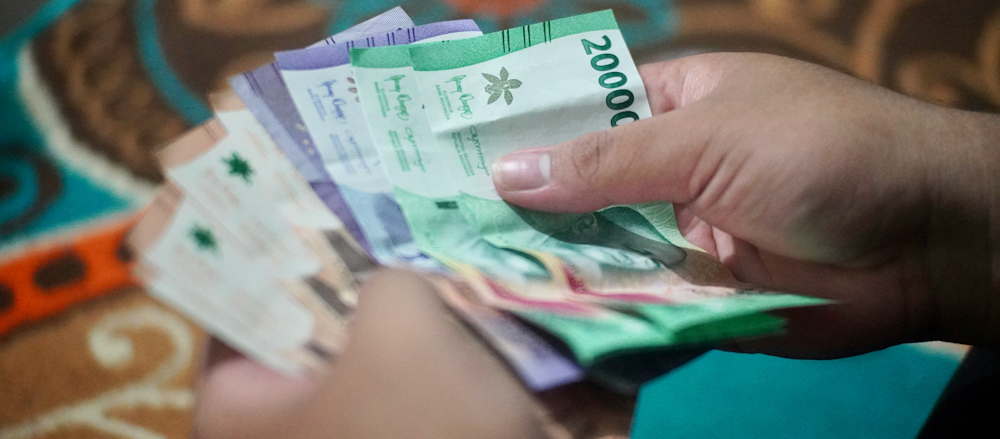
Counting Banknotes by Naufal Jajuli on Unsplash

The official currency is the Indonesian Rupiah (IDR), which is technically divided into 100 sen, although sen haven’t been used in decades and won’t crop up in daily life.

  • Notes: IDR 1,000, IDR 2,000, IDR 5,000, IDR 10,000, IDR 20,000, IDR 50,000, and IDR 100,000
  • Coins: IDR 100, IDR 200, IDR 500 and IDR 1,000

Banking in Indonesia

Banking in Indonesia offers newcomers plenty of options, with a good spread of local and international institutions to choose from. Expats can open an account in rupiah or US dollars. Some other foreign currencies are also provided for. Savings accounts, cheque accounts, foreign exchange, debit cards and credit cards are all available in the country.

Bank Central Asia (BCA) and Bank Mandiri are the most popular choices among expats, both with widely praised mobile apps and extensive ATM networks. International banks such as HSBC and CIMB Niaga also cater to foreign clients and tend to have English-speaking staff and smoother international transfer facilities.

Opening a bank account

For many newcomers, understanding how to open a bank account in Indonesia can seem daunting, but the process is usually straightforward. Upon selection of the bank, an initial deposit is generally required. Once the account is open, online and mobile banking, and a passbook (if required), are provided.

Most of the staff at international banks in Indonesia speak English. The documents required to open a bank account in Indonesia can vary, but typically include proof of employment, a passport, and a residence permit.

It’s recommended to prepare the following documents before opening an Indonesian bank account:

  • Passport: Original and a photocopy of the applicant’s passport with at least six months’ validity.
  • KITAS/ITAS (Temporary Stay Permit): The KITAS (Kartu Izin Tinggal Terbatas) is the physical card most banks will ask for, while ITAS refers to the permit itself. Both the original and a copy will be needed.
  • Reference letter: A letter from the applicant’s employer or sponsor in Indonesia confirming their employment or sponsorship status.
  • Proof of address: This could be a utility bill, rental agreement, or a letter from the employer.
  • NPWP (Tax ID): Indonesia’s tax identification number (Nomor Pokok Wajib Pajak) is not always mandatory for account opening, but is increasingly requested.

There is some variation from bank to bank, but the following process is generally followed:

  1. Selecting the bank: Research and choose a bank based on personal preferences, available services, and recommendations. Local and international banks are available.
  2. Submitting documents: Hand over the necessary documents listed above. The bank representative might also request additional documents based on specific bank policies.
  3. Verification: The bank will process and verify the submitted documents. The verification process can take anywhere from a few hours to a few days.
  4. Visiting the bank branch: While some preliminary steps might be taken online, a visit to the bank in person is typically required to finalise the account opening process.
  5. Account activation: The bank account will be activated once verification is complete. The account holder will receive banking instruments, such as a chequebook and a debit card, and, if applicable, access to online banking.

It’s always prudent to check with the chosen bank beforehand to clarify any specific requirements.

ATMs and credit cards

Indonesia’s ATM network is quite extensive, and it’s easy to withdraw cash. ATM skimming is a known risk in tourist areas, so it pays to use machines inside bank branches or shopping centres rather than standalone units on the street.

Credit cards, especially Visa and MasterCard, are widely accepted in urban areas and tourist spots. Cash is still king in more remote locations and smaller businesses. Let your bank know your plans before travelling to avoid unexpected account freezes.

Visas in Indonesia

Useful links


Taxes in Indonesia

Taxes in Indonesia can be a thorny affair for expats. Residents are taxed on worldwide income, while non-residents pay tax only on income earned in Indonesia. Indonesia also has double taxation agreements with many countries that can affect your actual liability, so hiring a tax professional familiar with local and global tax regulations is well worth it. Taxation in Indonesia is based on the principle of residency. If you live and earn in Indonesia, you’ll need to file returns on time to avoid penalties.

Due to extensive social programmes and a high tax rate, high-earning expats should budget to pay about one-third of their income in taxes and contributions, not counting other taxes like value-added tax (VAT) and luxury goods sales tax (LST).

Employers in Indonesia are required to contribute 2 and 4 percent of an employee’s income to pension and healthcare respectively. Employees contribute 1 percent to each. Employers also contribute roughly 10 percent of your salary to social insurance schemes that cover old age savings, work accident protection and death benefits.

Expats who stay in Indonesia for more than 183 days in any 12-month period are considered tax residents of Indonesia. Income tax rates in Indonesia range from 5 to 35 percent for residents, depending on an individual’s net income. Non-residents, meaning foreigners who spend less than half of the year in Indonesia, are taxed at a flat rate of 20 percent of their Indonesian income.

Other than income tax, there are additional taxes to be aware of, including VAT and LST. VAT is a consumption tax imposed on most goods and services in Indonesia and is usually factored into the prices of products on the shelf. From 2025, VAT is 12 percent for luxury goods; standard goods and services are taxed at an effective rate of 11 percent. LST is applied to certain high-value items, including some real estate, automobiles and alcohol, among others. LST rates vary widely and can reach as high as 125 percent.

Useful links

Transport and Driving in Indonesia

Transport and driving in Indonesia can be a white-knuckle experience: traffic in major cities like Jakarta and Bali rattles even seasoned city drivers. Private drivers are affordable and a popular option among expats in Indonesia, and ride-hailing apps like Grab and Gojek have made getting around even easier. Indonesia also has a relatively good public transport system, and taxis are readily available in larger cities.


Public transport in Indonesia

Public transport in Indonesia

Public transport in Indonesia has seen steady improvements over the years, driven by government investment in greener, more efficient infrastructure. The country has a decent public transport system, although taxis are still probably the better option for short distances. Jakarta now has an MRT, LRT, and one of the world’s longest bus rapid transit networks. Expats should still be prepared for crowded conditions during peak hours.

Trains

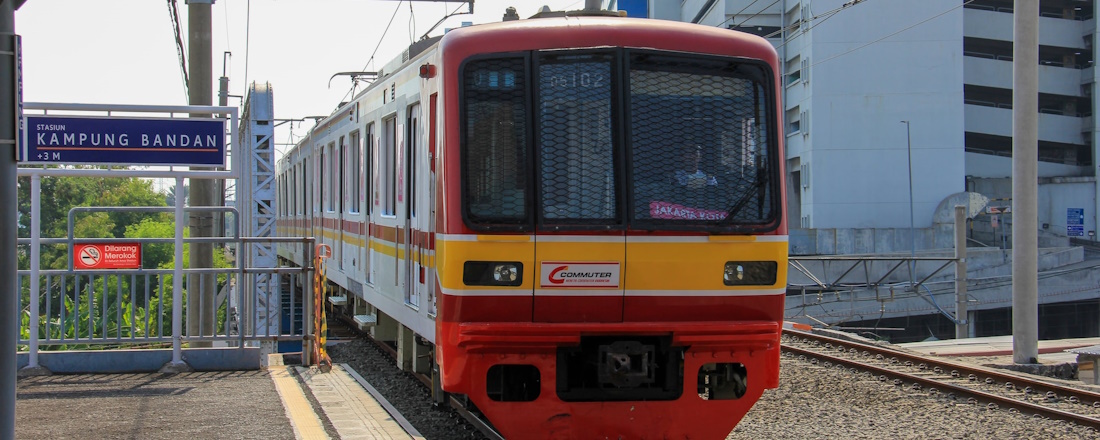
Indonesia’s railway system spans Java (its largest network), four separate regional networks across Sumatra, and a line in South Sulawesi. Indonesians mainly use trains for long-distance travel. There is a commuter train service in Jakarta called the KRL Commuterline. Expats can purchase tickets at train stations or buy them online.

The Jakarta–Bandung High Speed Railway (Whoosh), Indonesia’s first high-speed rail line, began operations in late 2023 and cuts the journey between the two cities to under an hour.

Buses

Buses in Indonesia

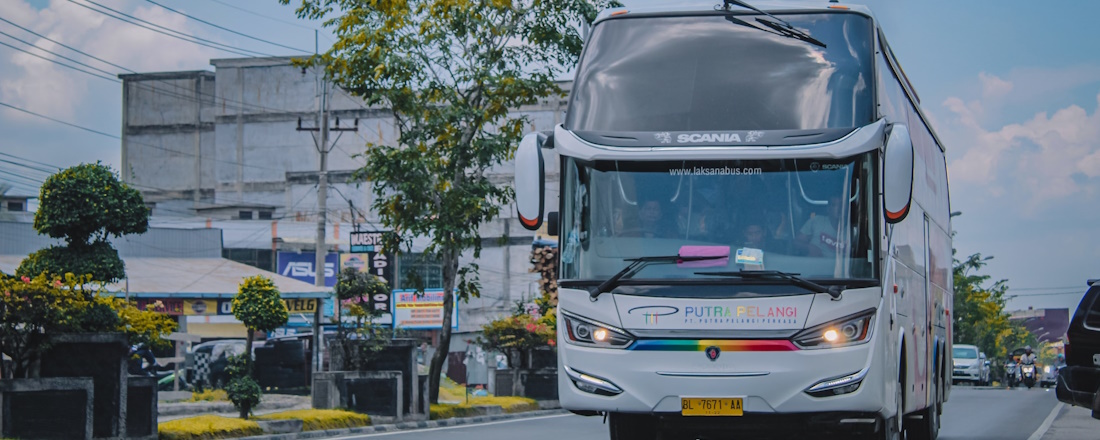
For daily commuting, buses remain the top choice for Indonesians and expats alike. There are frequent bus services in Sumatra, Java, and Bali. In more remote areas, minibuses known locally as angkot fill the gaps. Jakarta has its own bus rapid transit system, Transjakarta, the first BRT in Southeast Asia and, at over 155 miles (251km), the longest in the world.

Ferries

Given Indonesia’s vast archipelago, island-hopping by boat or ferry is a common mode of travel. There are frequent ferries between the islands, particularly between Sumatra, Bali, and Java. Expats can also use ferries to travel to nearby countries like Malaysia and Singapore.

Useful links


Taxis in Indonesia

Taxis in Indonesia are plentiful in most large cities, and there are numerous companies to choose from. Expats should always ask the driver to turn on the meter when getting into a taxi to avoid being overcharged. Expats who are not familiar with the local language can use ride-hailing apps such as Grab and Gojek to avoid miscommunications with drivers.

Adventurous alternatives to traditional taxis include ojeks (motorcycle taxis), bajaj (motorised auto rickshaws) and becaks (pedal-powered rickshaws, although these are banned in Jakarta).

Useful links


Driving in Indonesia

Driving in Indonesia is the primary mode of travel for locals and internationals alike. There has been a massive increase in the number of motor vehicles in the country over the last decade, but the government has not been able to construct new roads fast enough to keep up with demand. Traffic jams are therefore a problem, particularly in Jakarta and Bali.

Many embassies advise their nationals against driving in Indonesia, and many expats choose to hire a private driver or use taxis instead. Foreigners also often choose motorbikes as their primary means of transport, although this can be a dangerous option.

Driver’s licences

To drive in Indonesia, expats must apply for an Indonesian driver’s licence, known as a SIM (Surat Izin Mengemudi). Those wanting to ride a motorcycle will need a separate licence called a SIM C. Expats will need to pass a health check, written test, and practical driving test to obtain a SIM. Only holders of an ITAS or KITAP (Indonesian residence permit) can apply for a standard SIM; those on shorter visas may only be eligible for a temporary licence.

An International Driving Permit can serve as a stopgap for newly arrived expats, but it is only valid for up to one year.

Useful links


Domestic flights in Indonesia

With over 17,000 islands to connect, domestic flights in Indonesia are often the most practical way to cover long distances. There are many domestic airlines to choose from, and all of Indonesia’s major cities have airports. The country’s main airport is Soekarno-Hatta International Airport in Jakarta. The flag carrier is Garuda Indonesia, although Lion Air operates the most domestic routes.

Useful links

Visas for Indonesia

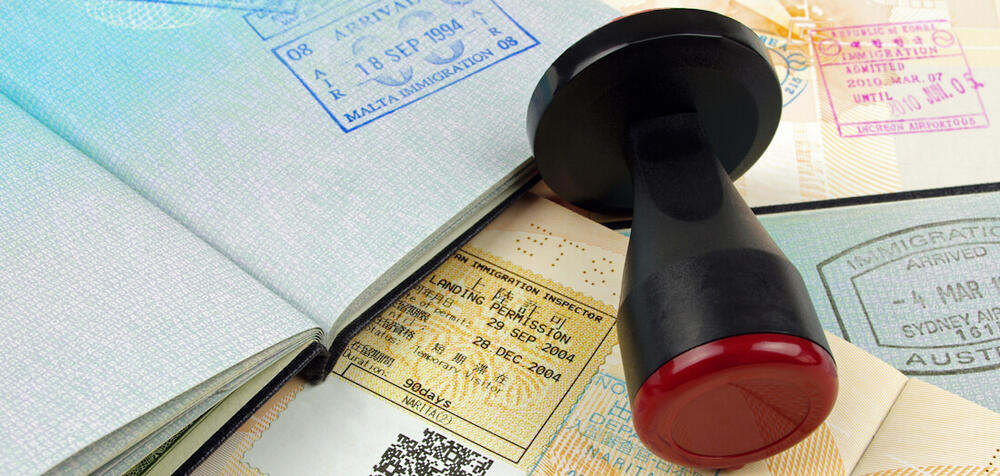
Visas for Indonesia can trip up even seasoned travellers, as the government is known to amend regulations at short notice. Citizens of ASEAN countries and a handful of others enjoy visa-free entry for short stays, while visitors from around 80 countries can pick up a visa on arrival. For longer stays, the permit system is more involved, and the rules shift often enough that checking ahead of any trip is well worth the effort.

This guide covers tourist and residence permits in Indonesia. It’s always wise to get in touch with a nearby Indonesian embassy before travel, as regulations can change without significant prior notice.


Tourist visas for Indonesia

Tourist visas for Indonesia come in two main flavours: the visa on arrival for shorter trips and the single-entry visa for stays of up to six months. Nationals of many countries can obtain a visa on arrival at the airport, or apply for an electronic visa on arrival (e-VoA) online before flying, a popular option that skips the queue. In either case, visitors must produce an onward or return ticket. Visitors must also hold a passport that is valid for at least six months beyond their date of arrival in Indonesia.

Standard tourist (single entry) visas allow an initial stay of up to 60 days, which can be extended in-country for a total stay of up to 180 days. Tourist visas obtained on arrival allow a stay of up to 30 days, extendable once for an additional 30 days (a maximum of 60 days).

Expats planning to do business in Indonesia will need to apply for their visit visa ahead of time. During the application process, they will need to submit documents from the companies involved stating the nature of the business to be conducted.

Visitors from all ASEAN countries, as well as from Brazil, Colombia, Hong Kong, Peru, Suriname, and Turkey, among others, are eligible for visa-free entry for up to 30 days. This visa exemption cannot be extended; travellers who want the flexibility to stay longer should opt for the visa-on-arrival instead.

Useful links


Residence permits for Indonesia

Residence permits for Indonesia

Residence permits for Indonesia fall into two main categories: limited stay permits for those on work, investment, retirement or family visas, and permanent stay permits for long-term residents.

Limited stay permit

Expats intending to stay in Indonesia for a period beyond that covered by a tourist visa will need to obtain a limited stay permit, also called an ITAS (Izin Tinggal Terbatas). The ITAS for foreigners employed in Indonesia is typically valid for one year, although validity periods range from six months to five years. An ITAS can be renewed for the same period it was initially granted, up to a maximum total stay of around six years for most categories. After this, holders typically convert to a permanent stay permit (KITAP) or apply for a new permit.

Permanent stay permit

After holding a limited stay permit for several consecutive years, typically three to five, you become eligible to apply for a permanent stay permit, also known as a KITAP (Kartu Izin Tinggal Tetap). The KITAP is valid for five years and is renewable. Expats married to Indonesian nationals can apply after just two years.

Global Citizenship of Indonesia (GCI)

The Global Citizenship of Indonesia (GCI) scheme is a long-term and permanent stay pathway for foreign nationals with strong ties to Indonesia. The scheme is open to former Indonesian citizens (foreign passport holders who previously held Indonesian nationality), their spouses, their children, and their grandchildren (up to the second degree of descent), as well as children from mixed marriages with an Indonesian parent.

The centrepiece of the GCI is an indefinite, unlimited stay permit with multiple re-entry rights. Some subcategories offer five- or ten-year limited stay permits instead. The GCI is a residency scheme, and it doesn’t confer citizenship or automatic work rights, so you would still need to get authorisation to work in Indonesia.

Useful links

Visa regulations are subject to change at short notice, and expats should contact their respective embassy or consulate for the latest details.

Accommodation in Indonesia

Accommodation in Indonesia runs the full gamut, from high-rise city apartments to leafy suburban villas, and expats will find no shortage of options. Those relocating due to international job opportunities should ask their employer for assistance in finding accommodation. Employers might be able to recommend a good estate agent or assist in determining which popular expat neighbourhood best suits your lifestyle and budget.

Most expats opt to rent accommodation in Indonesia rather than buy, mainly due to property ownership laws for foreigners. Foreigners are legally prohibited from holding freehold land title (Hak Milik) in Indonesia under the Basic Agrarian Law of 1960. But foreigners who have valid residency permits can get Hak Pakai (Right to Use) titles for up to 80 years and own apartment units in designated zones.

Buying property as a foreigner in Indonesia (a house on Hak Pakai land or an apartment via strata title) is possible without owning the land on which it’s built. The process requires a licensed notary (notaris) and, ideally, a property lawyer, and expats are strongly advised to avoid nominee arrangements using an Indonesian citizen’s name, as these carry serious legal risks.


Types of accommodation in Indonesia

The types of accommodation in Indonesia vary by city. In Jakarta, many upmarket apartment blocks cater to expat housing needs and offer good locations, strong amenities and stylish interiors. Apartments are ideal for those who prioritise proximity to business districts. Securing accommodation close to the workplace or near the MRT line can drastically cut Jakarta’s notorious commuting time.

Additionally, apartment blocks’ strategic locations mean they are close to expat-friendly restaurants, shopping districts and nightlife, ensuring an active urban life for those who desire it. Whether you're a single professional or a family, you'll find a variety of apartment sizes in Indonesia’s major cities, from modern studio flats to spacious five-bedroom units.

For those who seek green spaces and quieter surroundings, the suburbs south of Jakarta are ideal. These areas offer spacious villas and better air quality, and they are often near top international schools.

Townhouses in Indonesia are another viable option. These are a balance between bustling city life and peaceful suburban living. These semi-detached properties in gated estates often come with shared amenities like gardens and swimming pools.

Bali draws a large and growing expat community, especially remote workers and digital nomads. Villa rentals are the norm in popular areas like Canggu and Seminyak, and co-living spaces have sprung up across the island. Surabaya and Bandung also attract expats. Both cities are more affordable than Jakarta and offer a quieter pace of life.

Furnished or unfurnished

Expats can choose between furnished and unfurnished properties in Indonesia. A furnished property typically comes with all essential furniture and appliances, but unfurnished properties are often cheaper.

Short-term lets

If you’re on a temporary stay or still exploring different residential areas in Indonesia, short-term rentals are a convenient choice. They offer flexibility but tend to cost more per month than a long-term lease. Platforms like Airbnb have a strong presence across Indonesia, particularly in Bali and Jakarta.

Useful links


Finding accommodation in Indonesia

Finding accommodation in Indonesia is easiest with a trusted estate agent on your side. They will be familiar with local real estate regulations and can guide you through the nuances of the Indonesian property market. Those who are receiving help from their employer to find accommodation might not need to go through an estate agent.

Some expats moving to Indonesia will be lucky enough to have a relocation company working on their behalf, who will assess their preferences and shortlist properties for them to view.

Online property portals, expat forums, and even local classifieds can further assist in the search. Networking with the expat community in Indonesia can also help you gain insights and recommendations about certain areas and properties.

Useful links


Renting accommodation in Indonesia

Renting accommodation in Indonesia

Making an application

Before renting accommodation in Indonesia, it’s worth conducting a thorough property inspection to make sure the space meets your expectations and to document any existing damage or issues.

Whether you’re signing a short-term or long-term lease, all terms should be transparent and understood by both parties to avoid potential disputes. Deposits, lease termination policies, and other essential clauses should be discussed openly with the landlord or through the estate agent to avoid misunderstandings later.

Leases

Lease agreements are usually negotiated directly with the owner of the property. It’s wise to engage a licensed Indonesian property lawyer or notary (notaris) for contract review, particularly for higher-value leases. At a minimum, have a trusted friend or colleague who is fluent in Indonesian look through the agreement.

Most leases run for one year, although shorter or longer durations can be negotiated. The entire rental amount is typically paid upfront in Indonesia, even for one-year leases; this catches many newcomers off guard.

Ensure the contract notes the responsibilities of both tenant and landlord, such as who covers maintenance or repair costs.

Deposits and fees

You will usually need to pay a year’s rent upfront, alongside a security deposit of one to three months’ rent. It’s challenging but possible to find landlords willing to accept a smaller upfront payment, such as six months’ rent. If you go this route, be prepared for far fewer options and less bargaining power on price.

Terminating the lease

If you need to terminate your lease early, discuss the terms with the landlord well in advance. Some contracts might have penalties for early termination, so it’s wise to clarify this point before signing. It’s difficult to recover prepaid rent; the only real recourse, where permitted by the contract, is to sublease the property.


Utilities in Indonesia

Utilities in Indonesia

Utilities in Indonesia are generally the tenant’s responsibility, so it pays to clarify costs during rental negotiations. It helps to know how electricity, water, and gas billing work before you move in.

Security

Security can be an issue in Indonesia, but crime is usually limited to theft and is not often violent in nature. Most apartment buildings employ security guards and have additional security measures, such as surveillance cameras. Unlike the other items in this section, the cost of security measures is likely to be borne by the landlord, especially if the measures are already in place.

Electricity

Electricity in Indonesia is provided by the state-owned monopoly PLN (Perusahaan Listrik Negara). Expats should ensure their property’s wiring can handle the electrical load of their appliances. Power outages can occasionally occur, so it might be worth investing in surge protectors.

Monthly bills can be paid directly at the PLN offices, through online banking, or even at some convenience stores. It’s important to pay on time to avoid disconnection.

Gas

Households generally use bottled gas for cooking. It’s easy to find local distributors who can deliver new bottles and collect empty ones. Expats should check the gas connections for safety and ensure the property has proper ventilation.

Gas bills are not monthly but rather depend on usage. When the gas bottle is empty, it must be replaced, and payment is made upon delivery of a new bottle.

Water

Tap water in Indonesia is not safe to drink. Most households boil their water or rely on bottled water for drinking and cooking.

Perusahaan Daerah Air Minum (PDAM) are local government-owned water service companies in various regions across Indonesia. Monthly water bills are typically low and can often be paid in similar ways as electricity bills, either online, in person or at specific convenience stores.

Bins and recycling

Waste disposal and recycling systems vary across Indonesia. In urban areas, local authorities regularly collect rubbish. Recycling is not as widespread, and expats might need to seek out specific drop-off points for recyclables.

It’s a good practice to separate organic and non-organic waste, as some neighbourhoods have separate collection days for each type of waste.

Useful links

Work Permits for Indonesia

Acquiring a work permit for Indonesia can be difficult, as the rules change frequently. Most expats who are being transferred to Indonesia by their current company, or who have already secured a job in Indonesia before leaving home, will find that their employer undertakes most of the work permit application process on their behalf.

The process begins with the employer obtaining an approved RPTKA (Rencana Penggunaan Tenaga Kerja Asing), a foreign worker utilisation plan submitted to the Ministry of Manpower, which must be in place before any visa application can proceed.

Expats will also need an ITAS (limited stay permit) to live in Indonesia. The permit’s length of validity depends on individual circumstances but typically ranges from six months to five years, and certain categories are eligible for validity of up to 10 years.

The ITAS can typically be renewed up to five times, after which a new visa must be obtained. Expats may become eligible for a KITAP (permanent stay permit) after four years for work permit holders, and two years for spouses of Indonesian nationals.


Work visas (ITAS) for Indonesia

Obtaining a work visa, or ITAS (Izin Tinggal Terbatas), is a crucial step for expats planning to work in Indonesia. The ITAS is a temporary stay permit for foreigners and allows them to legally reside and work in the country. The employing company usually sponsors the ITAS, which is valid for one to two years and can be extended. The process can be bureaucratic and time consuming, and how easy you find the process will largely hinge on your employer.

There are different categories of ITAS based on the purpose of stay. The most common include work ITAS for those employed by an Indonesian company, investor ITAS for foreign shareholders in a registered business, family or spouse ITAS for those married to Indonesian nationals, and retirement ITAS for retirees meeting specific age and financial requirements.

The terms KITAS and ITAS are often used interchangeably in practice: ITAS refers to the permit itself, while KITAS is the physical card. Applicants should consult the Indonesian Directorate General of Immigration for the current category list applicable to their circumstances.


Applying for a work permit for Indonesia

When applying for a work permit for Indonesia, it is imperative to choose the correct category to avoid any legal complications. It is not advisable for expats to just arrive in Indonesia hoping to find a job. The employer usually acts as the sponsor of the visa, and generally speaking, the company will handle the paperwork and have agents deal with the immigration office on behalf of the applicant.

The company must apply for government approval to hire a foreigner. Once the company has approval, it can apply for a work permit for its potential employee. Indonesian companies must obtain individual RPTKA approval for each foreign hire, and the Ministry of Manpower controls which positions can be filled by foreigners. Only those with specialised skills not found in the local workforce will be approved.

Useful links

Visa and work permit regulations are subject to change at short notice, and expats should contact their respective embassy or consulate for the latest details.

Local culture in Indonesia

The local culture in Indonesia can hit you like a wall of sound, scents, and colour all at once. This is especially true if you’re heading to Jakarta, a city of more than 11 million people at its core and a wider metro area, Jabodetabek, that swells beyond 35 million. Poverty and poorer areas are a common sight, and they starkly contrast with the modern towers that shape Jakarta’s skyline.

Air quality is another adjustment worth preparing for. Jakarta regularly exceeds the WHO safe limits for particulate matter several times over, and the dry season (June to September) is typically the worst. An air purifier at home and a pollution monitoring app are wise investments.

On the plus side, the local culture is defined by genuine friendliness and openness. You should feel safe and welcome in your neighbourhood, and making local friends is a great way to settle in. Jakarta and other major cities are relatively safe by the standards of similarly sized metropolises, and popular expat neighbourhoods tend to be well policed. Petty theft is the main risk; violent crime against foreigners is rare.


Time in Indonesia

Time can be a flexible concept in Indonesian culture, so much so that the phrase jam karet (rubber time) has become famous in the country. You can expect meetings to be cancelled without notice and for business associates and local friends to run late. That said, multinational offices and internationally experienced colleagues increasingly keep to tighter schedules; rubber time stretches further in social settings than in the boardroom.

Indonesians are mostly relaxed about time and would rather spend extra minutes speaking to someone and building a relationship than being punctual for their next appointment.


Language barrier in Indonesia

Language barrier in Indonesia

There’s less of a language barrier in Indonesia than you might expect. The official language is Bahasa Indonesia, but English is widely spoken in business circles and urban centres. Javanese, with around 80 million speakers, is the most widely spoken mother tongue in Indonesia. Other regional languages, like Sundanese, Madurese, and 700 others, are spoken across the archipelago.

For expats, learning a few phrases in Bahasa Indonesia will make everyday tasks like shopping or giving directions to a taxi driver much easier. It’s also a fine way to build rapport with locals.


Communication in Indonesia

Communication in Indonesia is heavily informed by the concept of ‘saving face’. It is a serious breach of etiquette to publicly criticise or reprimand someone. This custom also often results in Indonesians being quite vague if they have a problem, or telling someone what they want to hear, even if they have no intention of following through. Rather than a direct refusal, an Indonesian might say ‘maybe’ or ‘we’ll see’. The word ‘yes’ can also be slippery; it sometimes means ‘I heard you’ rather than ‘I agree’.

Face-to-face interactions are highly valued, especially in the business world. You are more likely to get attention and results from an in-person meeting than from an email or phone call. WhatsApp is the default channel for both personal and professional communication, and a prompt reply on WhatsApp will often get you further than a well-crafted email.


Meeting and greeting in Indonesia

Meeting and greeting in Indonesia

Meeting and greeting etiquette in Indonesia is rooted in Indonesia’s cultural values of respect and humility. The standard greeting is a handshake with a slight bow of the head.

When men greet each other, a handshake with the right hand is the most common form of greeting. Both men sometimes put their palms to their hearts after shaking hands as a sign of respect. A handshake is also a standard greeting between women, although sometimes just a nod of acknowledgement is used.

When men and women greet each other, handshakes are acceptable, but expat men should always wait for the woman to initiate it. If a woman puts her hands in front of her chest in a prayer position, it means she would prefer not to shake hands; just return the gesture.

It’s also common to see men holding hands or walking arm in arm with male friends. In Indonesian culture, it’s a gesture of friendship, not romance.


Bureaucracy in Indonesia

Bureaucratic red tape in Indonesia is a drag on growth and a headache for newcomers. Besides slowing down everyday tasks, it also causes problems for expats who are trying to get entry visas or work permits. 

It’s time well spent to work with a local immigration consultant or seek guidance from colleagues in Indonesia. The country’s visa rules are in constant flux, so staying informed through a trusted local adviser is the way to go.


Religion in Indonesia

Religion in Indonesia

Indonesia has the world’s largest Muslim population, and although religion in Indonesia shouldn’t affect day-to-day life too much, foreigners would do well to dress modestly and respect Muslim customs.

Ramadan is the most visible religious observance. During the month of fasting, many local eateries close during daylight hours, work schedules are often shortened, and those who don’t observe the fast are asked to be discreet about eating and drinking in public. Eid al-Fitr, known locally as Lebaran, marks the end of Ramadan and brings the country to a near standstill as millions travel home for the holiday.

There are also significant Hindu communities in areas like Bali, as well as Christian and Buddhist populations. Nyepi, the Balinese Hindu New Year (Day of Silence), sees the entire island shut down for 24 hours: no flights, no traffic, no activity.


LGBTQ+ in Indonesia

Indonesia does not criminalise same-sex relations at the national level, but the social climate is conservative, and public attitudes are overwhelmingly hostile; a 2025 Pew survey found more than 90 percent of respondents considered homosexuality morally unacceptable. The province of Aceh enforces Sharia law and punishes same-sex acts with public caning.

Elsewhere, LGBTQ+ people have been targeted under broad pornography and public morality statutes. Indonesia’s revised criminal code, which took effect in January 2026, criminalises sex and cohabitation outside marriage. Since same-sex couples cannot legally marry, this provision carries additional weight for LGBTQ+ individuals.

Prosecution requires a formal complaint from a spouse, parent or child, and the government has said tourists will not be targeted, but expats in relationships with local partners should be aware of the law’s reach.

LGBTQ+, Diversity and Inclusion in Indonesia


Women in Indonesia

Indonesia has made some legal strides on gender equality. A 2022 law on sexual violence introduced workplace protections, and women hold around 20 percent of parliamentary seats. In practice, though, traditional expectations still run deep. Female labour force participation seems stuck around 50 percent, well below the male rate, and women hold a small fraction of corporate leadership roles.

In business settings, expat women may occasionally encounter assumptions about gender roles that feel outdated. Major cities like Jakarta are more progressive, but in rural areas, conservative norms are more pronounced.

Gender Equality and Women in Leadership in Indonesia

Safety in Indonesia

By and large, safety in Indonesia is not a major concern for expats as long as they stay informed and alert. There are some security considerations worth bearing in mind, but most visitors and residents spend their time in the country without incident. Conditions do vary across the archipelago. Expat hubs like Bali and Jakarta are worlds apart from more remote or conflict-affected provinces.

Natural disasters, including earthquakes and flooding, can occur. Other risks to be aware of include petty crime and, in rare instances, terrorism.


Crime in Indonesia

Crime in Indonesia is mostly petty in nature, and rates are relatively high in busy urban areas. Pickpocketing is widespread, as is bag snatching, which is often done from the back of a motorbike. Stay aware of your surroundings, and wear a cross-body bag that sits close to your body. Use app-based ride-hailing services rather than hailing taxis from the street to reduce the amount of time you spend as a target on the pavement.

ATM fraud is another possible issue, although most banks have taken steps to improve the security of their machines in recent years. When using any ATM, check for suspicious persons nearby and inspect the machine before use.

Credit card fraud is also a concern, and paying with cash where possible is the safest bet. Monitor your accounts closely and inform your bank immediately of any unauthorised activity.

Drink spiking is another risk to be aware of, particularly in nightlife areas of Bali, Lombok, and the Gili Islands. The UK FCDO and the Australian government have both flagged reported cases linked to sexual assault and robbery. Keep an eye on your drink and never accept one from a stranger. There is also a risk of methanol poisoning: cheap, counterfeit spirits that turn up even in licensed bars and hotels.


Road safety in Indonesia

Road safety in Indonesia is a serious concern. Traffic is busy and chaotic, particularly in urban centres, and traffic rules are rarely enforced. Roads are overcrowded, and motorbikes routinely overtake on both sides. WHO data estimates roughly 31,000 road fatalities per year, and expat forums consistently call the roads the single most dangerous thing about living in the country. Wet season weather and poor road surfaces add to the problems.

Many expats hire a local driver; some multinational employers actively require it. Foreign nationals who wish to drive themselves will need an International Driving Permit (IDP), and a helmet is required when riding a motorbike.


Terrorism in Indonesia

Terrorism in Indonesia is a background risk rather than a day-to-day preoccupation for most expats in major urban centres; forum consensus bears this out. The country spans thousands of islands, and conditions vary enormously: Jakarta bears little resemblance to a remote highland province. Papua’s highland and central provinces are a particular case. The US State Department rates them Level 4 (Do Not Travel) due to an active armed conflict between Indonesian security forces and separatist groups that has displaced over 100,000 civilians. Independent media access to the region is heavily restricted.

The Indonesian government has made real strides in counterterrorism, and Jamaah Islamiyah was formally dissolved in 2024. Attacks do still happen, though, and they are unpredictable. Places frequented by tourists and expats are potential targets, including embassies, shopping malls, hotels, airports, and popular tourist areas. Stay vigilant, particularly during holiday periods.

Useful links


Natural disasters in Indonesia

Natural disasters in Indonesia are a fact of life. The country sits on the Pacific ‘Ring of Fire’ and has roughly 130 active volcanoes. Earthquakes are frequent. As an archipelago, a high percentage of Indonesia's land is coastal, so tsunamis resulting from large earthquakes can be catastrophic.

Flooding is also a problem during the rainy season, and flash floods and landslides occur frequently. Jakarta is hit particularly badly. The city is sinking; parts of North Jakarta have subsided by around eight feet (2.5m) over the past decade. Annual floods are a near certainty.

Pay attention to weather warnings and make sure you have a plan in place for natural disasters. The BMKG (Indonesia’s meteorological and geophysical agency) runs an app and website with real-time earthquake, tsunami and weather alerts in English. It’s well worth downloading before you arrive.

Useful links


Emergency numbers in Indonesia

  • General emergency number: 112
  • Police: 110
  • Ambulance: 118 or 119
  • Fire: 113
  • Search and Rescue (BASARNAS): 115

Doing Business in Indonesia

Doing business in Indonesia is never dull. Indonesia is rich in natural resources, including petroleum, nickel, tin, coal and gold, but the economy has grown well beyond extractives. Services make up the largest share of GDP. Manufacturing accounts for roughly a fifth of national output, and agriculture is still a major employer.

Despite the positive aspects of Indonesia’s business setting, an extremely complex bureaucratic environment can be frustrating for expats doing business in Indonesia. Changes occur frequently, and it can be difficult to keep track of these. Expats who bring patience and take the time to learn the local business style will find that the effort pays off.


Fast facts

Business language

Bahasa Indonesia is the main business language in Indonesia. English is common in business circles in Jakarta and other major cities, but far from universal elsewhere. Expats would do well to learn a few key phrases and how to greet their Indonesian counterparts in the local language – this marks a great sign of respect. An interpreter is a smart investment for meetings outside the capital, as hundreds of regional languages are spoken across the archipelago.

Business dress

Business attire is generally conservative. Suits and ties are appropriate for men in formal business situations, while long-sleeved batik shirts are also acceptable. Women should be well covered and not expose their shoulders or legs. Due to the heat, loose-fitting cotton fabrics are best.

Business hours

Office hours are usually 8am to 4pm or 9am to 5pm, Monday to Friday. Working hours are often shorter during Ramadan, and some workplaces close for an extended period on Friday afternoons for prayers. Some offices are open on Saturday mornings.

Greetings

A handshake is the standard greeting, but make sure your grip is light and brief. A long or crushing handshake would be an overstep. Always use the right hand; the left is considered unclean. A slight nod or bow of the head is also common, particularly towards senior colleagues.

Gifts

Gift-giving etiquette may vary according to the specific ethnic group you're dealing with. Gifts are not usually opened when received, and alcohol and pork products should be avoided if the receiver is Muslim. Offer and receive gifts with the right hand only.

Gender equality

Indonesia still has significant gender gaps in the workplace. Female labour force participation is around 50 percent, and women earn about 25 percent less than men, according to UN Women. Expat businesswomen are generally treated with respect.


Business culture in Indonesia

Business culture in Indonesia has been influenced by the country’s position as Southeast Asia’s largest economy. Cultural identities across the archipelago have developed over centuries, shaped by Chinese, Indian, Arabic, and European traditions. Identity in Indonesia is often formed by one’s ethnic group, family, and place of birth.

Religious and cultural traditions also play an important role in Indonesian society. This is reflected in Indonesia’s business practices. The ease of adapting to the business environment in the country can vary by city or region. The ethnicity of the individuals you're doing business with may also play a role.

Communication

The concept of saving face runs deep in Indonesian business culture. Indonesians tend to communicate indirectly to avoid causing offence or embarrassment. They are careful about how they deliver difficult messages and may say ‘yes’ to acknowledge they have heard you, rather than to signal agreement.

Time

Indonesia runs on what locals call jam karet, or ‘rubber time’. Punctuality is appreciated but not always practised. A meeting set for 9am may not get going until 9.15am or 9.30am, particularly if senior attendees are still en route. Expats are expected to arrive on time, but should build flexibility into their own schedules and avoid showing frustration when others are late. In Jakarta, brutal traffic is as much to blame as cultural habit.

Hierarchy

As with the wider Indonesian culture and society, Indonesian business culture is hierarchical, holding great respect for status. Decisions are made from the top down, although there are usually also group discussions. Titles are very important in Indonesian business circles. Indonesian associates should be addressed by their full title and name.

Meetings

Meetings in Indonesia rarely get straight to business. Small talk about family, travel or food is expected at the start and should not be rushed. It is how trust is built. Decisions can take time, and several meetings may be needed before any agreement is reached. Indonesians place great emphasis on trust and relationship building, and expats may find that their Indonesian counterparts want to get to know them personally before discussing terms.

A calm, polite demeanour is expected throughout. Don’t raise your voice or press hard for the close, as it will probably backfire. Harmony matters more than speed in Indonesian business culture.


Dos and don’ts of doing business in Indonesia

  • Do exercise patience. Indonesians prefer to take their time and consider business propositions carefully.
  • Do prioritise face-to-face meetings over email.
  • Don’t give or receive anything with the left hand alone. Use your right hand or both hands.
  • Don’t stand with your hands on your hips or arms folded, as these stances are considered aggressive and rude.
  • Do leave plenty of time to reach meetings, especially in Jakarta.
  • Do be respectful of Indonesian associates. Avoid applying pressure or being confrontational, and speak gently in business meetings.
  • Do present and receive business cards with both hands, and take a moment to read the card before putting it away.
  • Do greet the most senior person in the room first.
  • Do follow up on meetings with a written summary of agreed action points.
  • Don’t raise politics, religion, or Indonesia’s colonial past in early business conversations.

Moving to Indonesia

Moving to Indonesia means stepping into a vast archipelago of more than 17,000 islands with an ethnically and culturally diverse population of nearly 290 million. Most expats are based in the popular tourist hub of Bali or the sprawling metropolis of Jakarta, the country’s economic and financial centre. Indonesia is in the process of relocating its political capital from Jakarta to Nusantara, a purpose-built city under construction in East Kalimantan on the island of Borneo.

There are many pros and cons to moving to Indonesia, but with an open mind and a sense of adventure, the rewards of living in this enchanting archipelago are countless.

Living in Indonesia as an expat

Living in Indonesia as an expat often starts with a job offer. The country’s economy is Southeast Asia’s largest, and manufacturing, agriculture and trade are its biggest sectors, but oil, gas and mining punch above their weight as employers of foreign workers. Most expats relocate to work in these industries.

Telecommunications and teaching English are well-trodden paths for expats after work in Indonesia. The country is also the world’s largest producer of palm oil and a major nickel exporter, commodities that draw a steady stream of foreign professionals.

Indonesia is an exciting place to land, but the paperwork can test your patience. Obtaining a visa or work permit is a process riddled with bureaucracy, and the requirements have a habit of changing with little notice. Most working expats hold an ITAS (Temporary Stay Permit), sponsored by their employer.

Working in Indonesia 
Visas for Indonesia 
Work Permits in Indonesia

Cost of living in Indonesia

The cost of living in Indonesia can be strikingly low compared to Western Europe and North America, but your lifestyle choices can narrow the gap fast. A trip to the neighbourhood market for fresh, seasonal goods costs next to nothing. Modern, fully serviced apartments and imported goods (imported alcohol in particular carries heavy taxes) can push costs up sharply. For expats on corporate packages that cover housing, school fees and a driver, the arithmetic changes entirely; it pays to push hard for these benefits.

Cost of Living in Indonesia

Expat families and children

For expats bringing the whole family over to Indonesia, education will likely be their biggest expense. Numerous schooling options exist, but most expats look beyond public education due to the language barrier. Often, international schools provide expat children with a smoother path to settling into their new home as they continue with a familiar curriculum in their home language. There are numerous international schools in Indonesia, and most are in Jakarta, although Bali’s selection is growing.

Indonesia’s healthcare sector is considered relatively underdeveloped, particularly outside Jakarta and Bali. Serious medical conditions routinely see expats evacuated to Singapore. Medical evacuation insurance is near essential, and most expat employers include it as standard. Air pollution in Indonesian cities (Jakarta, in particular, ranks among the most polluted in the world) is a genuine health hazard.

Safety in Indonesia is more of a concern than in some neighbouring countries, but the risks cluster around a few specific areas. Indonesia also sits on the Ring of Fire, so earthquakes, volcanic eruptions, and tsunamis are real possibilities; a go bag and registration with your home embassy are sensible precautions. With proper awareness, most expats live in Indonesia without serious incident.

International Schools in Indonesia 
Healthcare in Indonesia 
Safety in Indonesia

Climate in Indonesia

The climate in Indonesia is hot and tropical year-round, and the humidity can take some getting used to for those arriving from cooler latitudes. The country has two seasons rather than four: a dry season (roughly April to October) and a wet monsoon season (November to March) that brings heavy downpours and sticky conditions. On the upside, this climate keeps the greenery lush and the beaches in business.

Weather in Indonesia

Life in Indonesia will throw up the odd curveball, but expats who arrive with an open mind tend to find the rewards far outweigh the hassles.


Fast facts

Official name: Republic of Indonesia

Population: Nearly 290 million

Capital city: Jakarta (de facto). Indonesia has designated Nusantara, a new city under construction in East Kalimantan, as its future political capital, with a target date of 2028.

Other cities: Surabaya, Bandung, Medan, Semarang, Denpasar (Bali)

Neighbouring countries: Indonesia has land borders with Malaysia on the island of Borneo, Papua New Guinea on the island of New Guinea and East Timor on the island of Timor.

Geography: Indonesia is an archipelago of over 17,000 islands, with the five main islands being Sumatra, Java, Borneo (known as Kalimantan on the Indonesian side), Sulawesi, and New Guinea. Parts of Indonesia are quite mountainous, and much of the country is covered by dense tropical forests. Located along the Ring of Fire, the country has many volcanoes and is also subject to frequent earthquakes.

Political system: Unitary presidential constitutional republic

Major religions: Islam

Main languages: Bahasa Indonesia (official). English is widely used in business and expat circles, but is classified as a foreign language. Hundreds of regional languages are spoken across the archipelago.

Money: The Indonesian Rupiah (IDR). Sen subdivisions exist in name only and are not in circulation. Local and international banks are widely available, although many expats also maintain accounts in their home country. Cash is still commonly used in Indonesia, and ATMs are common in cities and tourist hotspots, but may be harder to find in rural areas.

Tipping: Standard 10 to 15 percent in restaurants unless included as a service charge. Round up the bill for taxis and give slightly more for hired drivers.

Time: GMT+7 to GMT+9

Electricity: 230V, 50Hz. Plugs with two round pins are generally used throughout the country.

Internet domain: .id

International dialling code: +62

Emergency numbers: 112 (general emergency, mobile phones), 110 (police), 113 (fire), 118 or 119 (ambulance)

Transport and driving: Cars drive on the left-hand side of the road. Major cities have public transport networks, and ride-hailing apps such as Grab and Gojek are ubiquitous. Traffic in Indonesian cities can be brutal, and many expats hire a local driver rather than brave the roads themselves.

Education and Schools in Indonesia

Expats have numerous options for education and schools in Indonesia. Parents can send their children to public, private or international schools. Most expat parents living in Indonesia opt for international schools. While they can be pricey, they allow expat children to continue with a familiar curriculum in their home language.

Compulsory education in Indonesia begins at age seven and lasts twelve years: six years of primary school, three years of junior high and three years of senior high. Public primary and junior high school education is offered at no cost, although fees may apply at the senior high level.

International schools require foreign students to study the Indonesian language and cultural studies. No national exam is required for foreign students in these subjects; only basic proficiency is expected.

While international schools remain popular among expats, choosing a school often depends on various factors such as curriculum, location, cultural considerations and the child's educational needs in Indonesia.

Cultural immersion is a significant advantage of attending Indonesian public and private schools. Students get an authentic Indonesian experience, build relationships with local peers and pick up the country's traditions and customs firsthand.

The Indonesian school year runs from mid-July to mid-June, split into two semesters with a break in December. International schools broadly follow this calendar, although some align more closely with Northern Hemisphere term dates.


Public schools in Indonesia

Public schools in Indonesia are administered by the local government and adhere to the national curriculum. The teaching language is Bahasa Indonesia, and local teachers teach every subject in it. Other indigenous languages are used in remote parts of the country.

The language barrier and inconsistent quality of public schools are the main reasons that expat children do not commonly attend public schools in Indonesia.

The challenges of Indonesian public education encompass the integration of modern teaching methodologies while maintaining traditional cultural values. The government continuously works to improve the quality of education through teacher training programmes and curriculum updates. Furthermore, many public schools are now trying to incorporate English as a second language in their curriculum to make students globally competitive.

Useful links


Private schools in Indonesia

Private schools in Indonesia value academic and non-academic achievement more equally than their public counterparts. They usually incorporate extracurricular activities, such as the arts and sports, to help students discover and hone their talents. Smaller class sizes in private schools allow for more individual attention.

Indonesian private schools generally offer a curriculum that both meets and exceeds the requirements of the Indonesian curriculum, sometimes taught in combination with the International Baccalaureate (IB). Many of these schools also teach in English.

Some private schools are affiliated with a religion (Islamic madrasahs, Catholic or Christian schools) and fall under the Ministry of Religious Affairs rather than the Ministry of Education. This is worth knowing when researching schools, as the oversight structure and curriculum emphasis can differ.

Most of these schools cater for Indonesian students, with international students often making up only a tiny proportion of the school's student body. Indonesian private schools do accept expat children, and these schools are a more affordable alternative to international schools for expats who work for companies that do not cover education fees.

Useful links


International schools in Indonesia

Most expats in Indonesia send their children to international schools. These schools offer a foreign curriculum and are officially accredited by the relevant authorities in their home country. Tuition fees at international schools can be extremely high and often increase with the child’s age or grade. Many international schools also charge a non-refundable annual capital fee.

In a bid to regulate the quality of education in Indonesia, the government has introduced legislation that no longer permits schools to use the word 'international' in their title to prevent low-quality schools from using the term merely to charge high fees. Most international schools are now classified as Satuan Pendidikan Kerjasama (SPK), which roughly translates to 'collaborative schools'.

SPK schools are required to teach Indonesian civics, history, religion, and language. In addition, they must allow Indonesian students to attend and employ local teachers to teach Indonesian subjects. Indonesian students at SPK schools are also expected to take national examinations at Grades 9 and 12, in addition to the school's own assessments. Foreign students are exempt from these exams.

Finding an international school

There are many options for international schools in Indonesia, catering to expat students from several countries, including the UK, the US, France, Germany, India, Japan, South Korea, New Zealand, Russia, and Singapore. Many of these schools also offer the International Baccalaureate (IB) programme alongside the sponsoring country's curriculum.

When considering international schools, parents researching education in Indonesia should consider the schools':

  • accreditation,
  • faculty qualifications,
  • facilities,
  • student-to-teacher ratio,
  • and extracurricular offerings.

It's also beneficial to get feedback from other parents or attend open days to experience the school's environment firsthand.

Jakarta has the widest selection of international schools, but cities like Bali, Surabaya and Bandung also have a handful of well-regarded SPK schools. Families moving outside Java will find their options more limited.

International Schools in Jakarta

Useful links


Special educational needs in Indonesia

Children with special educational needs in Indonesia are served by two types of public schools: inclusive schools and extraordinary schools (Sekolah Luar Biasa, or SLB). Inclusive schools have a student body of special needs and mainstream students, while extraordinary schools are dedicated exclusively to students with special needs. Unless expat families already speak Indonesian fluently, most opt for private schooling for their children with special educational needs.

Some international schools can provide some limited specialised services for an extra fee, and this can be a good option for expat families.

Jakarta has the most SEN-equipped international schools. Families relocating to Bali, Surabaya or smaller cities should research SEN provision carefully, as options are more limited outside the capital.

Useful links


Tutors in Indonesia

Tutors in Indonesia have become increasingly popular, especially among expat families. They can be a great help in giving expat children a leg up as they adjust to a new school, especially if an unfamiliar curriculum or a new language is involved. Some expat families hire a tutor to help maintain a child's mother tongue or to help them learn and refine Indonesian or English quickly.

In the run-up to the final assessments, tutoring services for expats in Indonesia witness heightened demand as they are often hired to help students reach peak performance in the crunch period. Most tutors specialise in a particular subject, but some can help across the board, especially when it comes to teaching general essay writing and study techniques.

Online tutoring has grown sharply since 2020, and many expat families now use video-call platforms to access tutors from their home countries for specific curricula such as UK A-Levels or US SAT prep.

Useful links