

Diversity and inclusion in Indonesia is shaped by the country's staggering range of cultures, languages, and traditions. The world's fourth-most populous country and Southeast Asia’s largest economy, this archipelago of over 17,000 islands has hundreds of ethnic groups and languages in everyday use, and few countries on earth can match Indonesia's cultural diversity.
Indonesia has grown steadily and now has a population of approximately 285 million people. Its ethnic makeup is incredibly diverse, and there are more than 600 distinct groups recorded in the national census. The Javanese are the most substantial group at around 40 percent of the total population, and the Sundanese make up approximately 17 percent. Other significant ethnic groups in Indonesia include the Batak, Minangkabau, Betawi, Bugis, Acehnese, and Dayak.
Indonesian is the official language, but the collection of over 700 languages and dialects spoken represents the scale of its cultural diversity. A developing nation, Indonesia skews younger, and more than 20 percent of the population is under 14 years old.
Accessibility in Indonesia
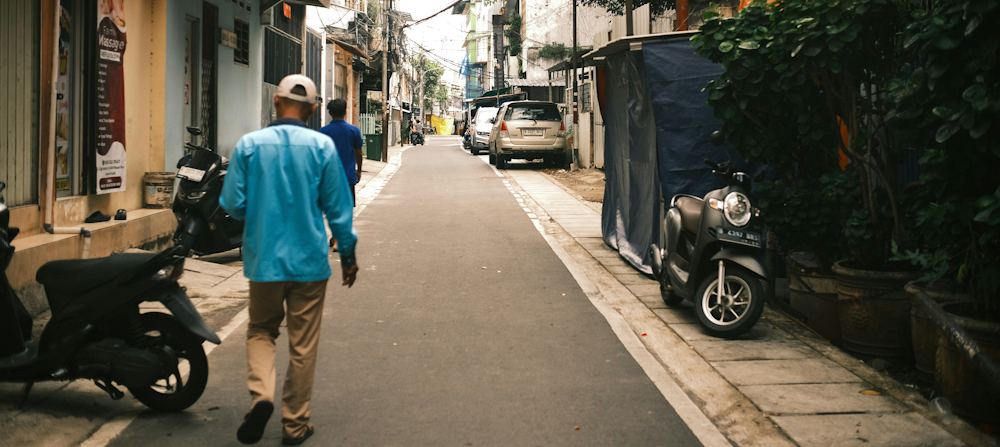
Indonesia has made efforts towards improving infrastructure and policies to improve accessibility in Indonesia for people with disabilities. However, there is meagre supportive legislation and few programmes for people with limited mobility, and it’s a problematic destination to live and work in for anyone with a disability. Very few buildings, including international hotels and offices, have disabled access.
Public transport in Indonesia is not well adapted for people in wheelchairs, and pavements are riddled with potholes, loose maintenance holes, parked motorcycles, and all kinds of street life. Pedestrians end up walking on roads rather than negotiating the pavements. Things are better in the centre of Jakarta, but the city's suburbs and the rest of the country are challenging.
Airports
Jakarta's Soekarno Hatta International Airport offers accessibility features, but many passengers opt for paid premium services, as ground handling staff are not always fully trained. Onward travel is by DAMRI bus, airport train, or taxi, but a taxi is recommended for expats. Wheelchair adapted taxis can be pre-booked.
Taxis
Wheelchair-accessible taxis are available in major Indonesian cities, but you should book them in advance. There are also private companies that operate minivan services. There is no Uber in Indonesia, but you can use local ride-hailing apps such as Grab and Gojek in urban areas. Accessibility features for people with mobility challenges are still limited on these apps, though.
Buses
The principal bus service, Transjakarta (also called Busway), can be frustrating for those with impairments. The service is the world's longest bus rapid transit (BRT) system, now carrying well over a million passengers a day, so it can get hectic. Bus shelters (stops) are often in the middle of the highway and only accessible by steep, raised bridges. Much of the vehicle fleet has been renewed with low-floor entry, but journeys must be well planned in advance.
Metro
The Jakarta Mass Rapid Transit (MRT) system is relatively new, and it travels around 12.5 miles (20km) from north to south via 13 stations. Phase 2, extending the north-south line further into central Jakarta, has begun construction, as has a separate east-west line. Fares are payable using bank-issued contactless e-money cards or QR-based digital payments through the MyMRTJ app. The system has won awards for accessibility and includes priority elevators, access ramps and toilet facilities.
Car hire
International car hire firms and local franchises are available, but few foreign visitors choose to drive themselves. Car and driver services are popular and safer than testing one's driving skills on Jakarta's congested streets. During much of the day, the average traffic speed in the city is slow, so well-planned travel using taxis or car hire tends to be the best option for getting from A to B.
Public Transport and Driving in Indonesia
Further reading
LGBTQ+ in Indonesia
LGBTQ+ people in Indonesia face massive societal challenges and prejudice. Traditional Indonesian society disapproves of homosexuality and transitioning, which limits progress in public policy. Some urban areas and youth groups have become more accepting and supportive of LGBTQ+ rights.
A new criminal code took effect in January 2026, and it criminalises extramarital sex. Since same-sex marriage is not recognised in Indonesia, this effectively criminalises all same-sex sexual activity. The code also criminalises cohabitation between unmarried couples. Prosecution requires a formal complaint from a spouse, parent or child of one of the parties involved. In Aceh province, which operates under its own sharia-based legal code, same-sex relations can be punished by public flogging or imprisonment.
Same-sex marriage, civil unions, and adoption by same-sex couples are not legally recognised, and there is no anti-discrimination legislation protecting LGBTQ+ people.
Transgender identity is more complex. Waria (a cultural category for those assigned male at birth who live as women) have a long-standing presence in Indonesian society. Transgender people can change their legal gender, but only through a court order that typically requires medical evidence, a process that is difficult and rarely successful.
Further reading
Gender equality in Indonesia
Traditionally, Indonesian society has been male dominated. Progress has been slow to counter inequality, but the government has instituted the National Gender Mainstreaming Policy to improve equality in research, policy, dialogue, and legislation. There are ongoing discussions, initiatives, and movements that advocate for gender equality, and the younger generation is leading the way in pushing for change.
Female literacy rates and educational attainment are relatively high, but executive opportunities are limited. Many women drop out of the labour market to care for children and run homes, returning as small-scale entrepreneurs or self-employed workers. Women own or manage roughly 60 percent of Indonesia's micro, small ,and medium enterprises, faring far better than in the corporate world.
Further reading
Women in leadership in Indonesia
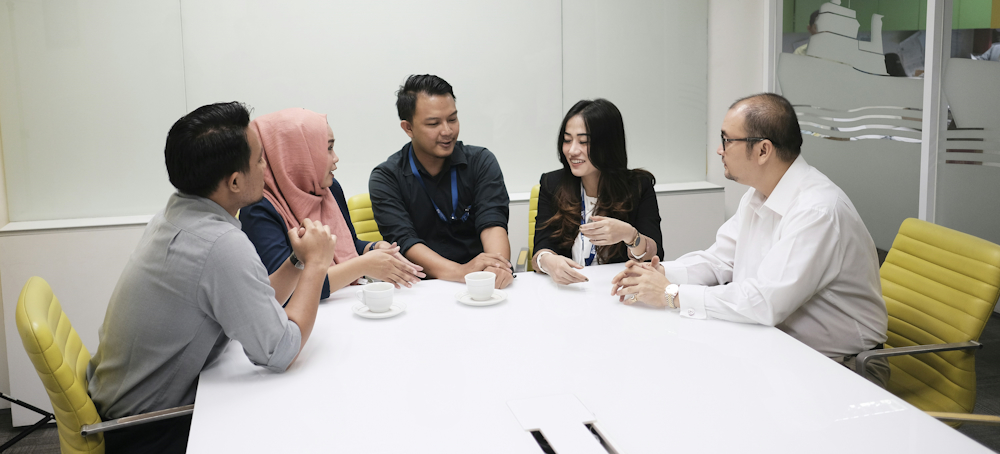
The country is on the right track as it acknowledges women's central role in developing the national infrastructure and economy. The number of female directors and commissioners present in companies listed on the Indonesian Stock Exchange is high and growing. Women in leadership in public and private companies make up around 10 to 20 percent. In government, around 20 percent of seats in the House of Representatives are held by women, the highest figure since the 30 percent quota was introduced in 2004.
Further reading
Mental health in Indonesia
It isn't uncommon for expats to experience problems with their well-being through concerns about work, family, finances, or the future, including neglect or abuse. Although mental health awareness has increased in Indonesia in recent years, stigma and misunderstandings of mental health exist, especially in the country's outlying regions and smaller cities.
Mental health support is quite limited in Indonesia due to the low number of professionals and such a large population. But the COVID-19 pandemic paved the way for innovative online mental health support and well-being initiatives in Indonesia, and access has expanded massively for those who can afford treatment.
Platforms such as Halodoc and Alodokter now offer online consultations with psychologists, some in English. Expats with private health insurance can access international-standard psychiatric and psychological care at private hospitals in Jakarta, Bali, and Surabaya. Outside major cities, English-speaking mental health professionals are scarce.
Unconscious bias in Indonesia
Unconscious bias can emerge from living in societies where inequalities exist, and it can eventually become internalised as prejudice. Bias around gender, age, and cultural background can hinder optimal recruitment processes, stifle professional growth, and impact employee satisfaction. Some international organisations in Indonesia deploy training to counter ingrained thinking. It is considered less of a priority for smaller domestic enterprises, in line with many attitudes across Asia.
Diversification of the workforce in Indonesia
Leaning into workplace diversity is now seen as pivotal for fostering innovation and maintaining a competitive edge in Southeast Asia. Diversity initiatives in Indonesia are generally focused on gender as the priority, followed by religion. Many companies, especially international corporations, are taking strides to promote diversity and inclusivity in the workplace.
Research reveals that Indonesian attitudes highly emphasise ethnic and family backgrounds. Despite Indonesia's inclusive motto of Bhinneka Tunggal Ika (Unity in Diversity), some industries still show preferences based on ethnic or regional backgrounds. Hiring decisions may be influenced by whether a prospective manager is Javanese, Sumatran, Moluccan, or from further afield.
Ethnic Chinese Indonesians account for a small share of the population: official census figures put it at just over 1 percent, although broader estimates suggest around 3 percent when partial ancestry is included. But this community plays an outsized role in the economy, and some estimates suggest ethnic Chinese business owners control as much as 70 percent of private corporate wealth.
Safety in Indonesia
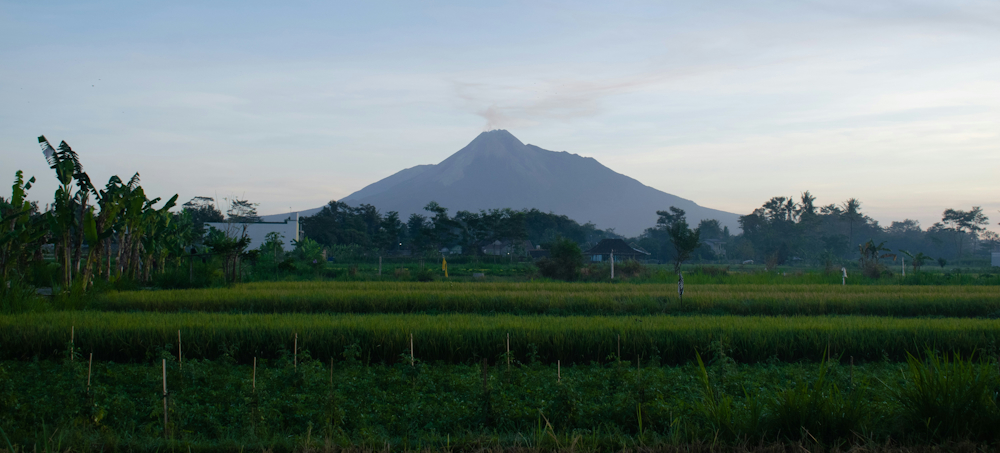
With a plethora of islands and some of the globe's premier snorkelling and scuba diving destinations, Indonesia is an outstanding place to visit or make home. But Indonesia sits on the convergence zone of three major tectonic plates, so earthquakes, volcanic eruptions, tsunamis, and flooding are real and recurring risks. Air pollution is a serious concern, particularly around Jakarta, where PM2.5 levels regularly exceed WHO guidelines by a wide margin.
Overall crime rates are low by global standards, although OSAC has assessed Jakarta and Surabaya as high-threat locations for crime targeting foreigners. In Bali, petty crime, scams, and cybercrime affecting visitors have been on the rise. Wherever you are, it goes a long way to stay alert to local customs and cultural norms. Most visitors and residents spend their time in Indonesia peacefully and without problems.
Further reading
Women's safety in Indonesia
Indonesia passed a landmark Sexual Violence Law (UU TPKS) in 2022 to expand legal protections for survivors and establish new avenues for reporting and prosecution. Recent years have witnessed a surge in campaigns and initiatives championing women's safety and rights in Indonesia.
Expat women are advised to dress modestly, especially in conservative Islamic areas. In Aceh, Muslim women are legally required to wear headscarves under provincial sharia law. Non-Muslim women are not obligated to cover their heads, but they are expected to dress very conservatively and will feel a lot of social pressure to conform.
Indonesian men are generally courteous, but Indonesia does have documented cases of street harassment of women. It’s sensible to stick to busy areas and use confident body language.
Calendar initiatives in Indonesia
- Kartini Day (21 April): Celebrates the life of Raden Adjeng Kartini, a pioneer of women's rights and education in Indonesia
- International Women's Day (8 March)
- World Autism Awareness Day (2 April)
- International Day Against Homophobia, Biphobia, and Transphobia (17 May)
- World Mental Health Day (10 October)
- International Day of Persons with Disabilities (3 December)
- Human Rights Day (10 December)