

Transport and driving in Indonesia can be a white-knuckle experience: traffic in major cities like Jakarta and Bali rattles even seasoned city drivers. Private drivers are affordable and a popular option among expats in Indonesia, and ride-hailing apps like Grab and Gojek have made getting around even easier. Indonesia also has a relatively good public transport system, and taxis are readily available in larger cities.
Public transport in Indonesia
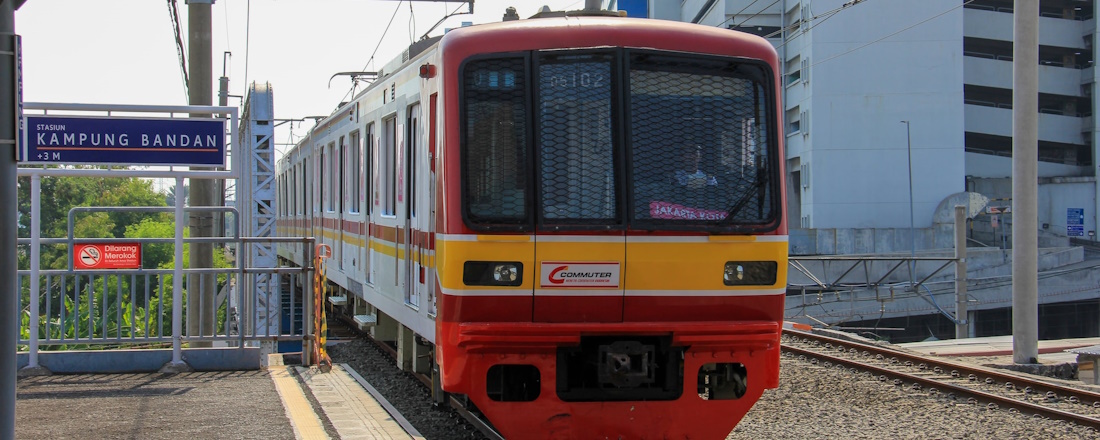
Public transport in Indonesia has seen steady improvements over the years, driven by government investment in greener, more efficient infrastructure. The country has a decent public transport system, although taxis are still probably the better option for short distances. Jakarta now has an MRT, LRT, and one of the world’s longest bus rapid transit networks. Expats should still be prepared for crowded conditions during peak hours.
Trains
Indonesia’s railway system spans Java (its largest network), four separate regional networks across Sumatra, and a line in South Sulawesi. Indonesians mainly use trains for long-distance travel. There is a commuter train service in Jakarta called the KRL Commuterline. Expats can purchase tickets at train stations or buy them online.
The Jakarta–Bandung High Speed Railway (Whoosh), Indonesia’s first high-speed rail line, began operations in late 2023 and cuts the journey between the two cities to under an hour.
Buses
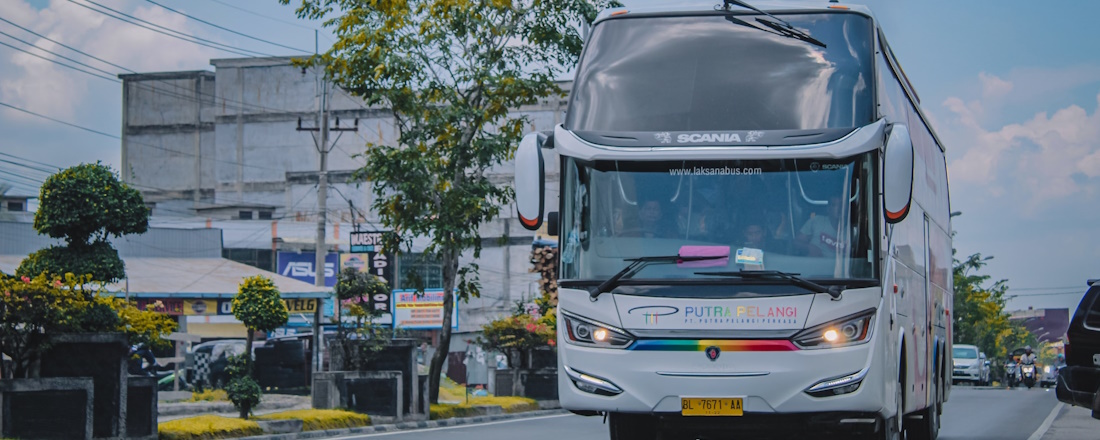
For daily commuting, buses remain the top choice for Indonesians and expats alike. There are frequent bus services in Sumatra, Java, and Bali. In more remote areas, minibuses known locally as angkot fill the gaps. Jakarta has its own bus rapid transit system, Transjakarta, the first BRT in Southeast Asia and, at over 155 miles (251km), the longest in the world.
Ferries
Given Indonesia’s vast archipelago, island-hopping by boat or ferry is a common mode of travel. There are frequent ferries between the islands, particularly between Sumatra, Bali, and Java. Expats can also use ferries to travel to nearby countries like Malaysia and Singapore.
Useful links
Taxis in Indonesia
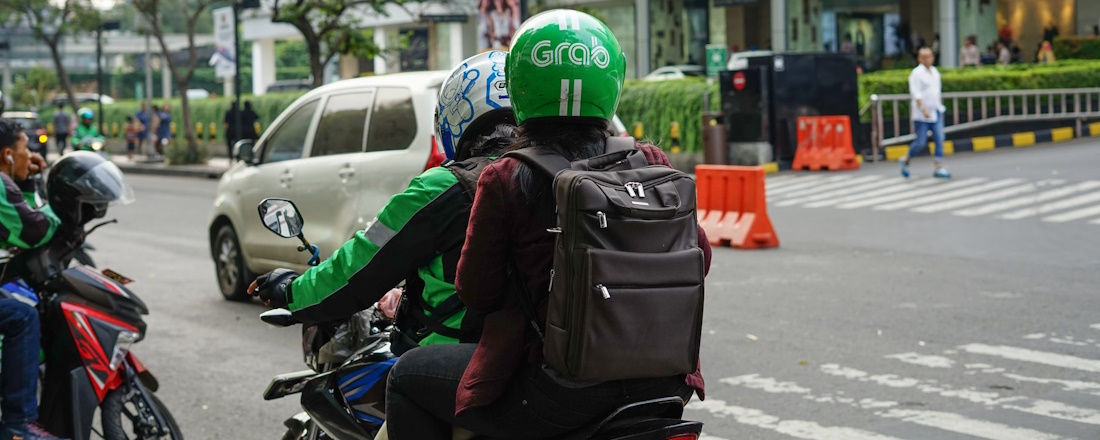
Taxis in Indonesia are plentiful in most large cities, and there are numerous companies to choose from. Expats should always ask the driver to turn on the meter when getting into a taxi to avoid being overcharged. Expats who are not familiar with the local language can use ride-hailing apps such as Grab and Gojek to avoid miscommunications with drivers.
Adventurous alternatives to traditional taxis include ojeks (motorcycle taxis), bajaj (motorised auto rickshaws) and becaks (pedal-powered rickshaws, although these are banned in Jakarta).
Useful links
Driving in Indonesia
Driving in Indonesia is the primary mode of travel for locals and internationals alike. There has been a massive increase in the number of motor vehicles in the country over the last decade, but the government has not been able to construct new roads fast enough to keep up with demand. Traffic jams are therefore a problem, particularly in Jakarta and Bali.
Many embassies advise their nationals against driving in Indonesia, and many expats choose to hire a private driver or use taxis instead. Foreigners also often choose motorbikes as their primary means of transport, although this can be a dangerous option.
Driver’s licences
To drive in Indonesia, expats must apply for an Indonesian driver’s licence, known as a SIM (Surat Izin Mengemudi). Those wanting to ride a motorcycle will need a separate licence called a SIM C. Expats will need to pass a health check, written test, and practical driving test to obtain a SIM. Only holders of an ITAS or KITAP (Indonesian residence permit) can apply for a standard SIM; those on shorter visas may only be eligible for a temporary licence.
An International Driving Permit can serve as a stopgap for newly arrived expats, but it is only valid for up to one year.
Useful links
Domestic flights in Indonesia
With over 17,000 islands to connect, domestic flights in Indonesia are often the most practical way to cover long distances. There are many domestic airlines to choose from, and all of Indonesia’s major cities have airports. The country’s main airport is Soekarno-Hatta International Airport in Jakarta. The flag carrier is Garuda Indonesia, although Lion Air operates the most domestic routes.