
- Download our Jakarta Schools Guide
Finding and renting accommodation in Jakarta is reasonably straightforward, and there is a wide variety of options to choose from. Expats will likely find prices reasonable compared to Western European and North American cities or other Asian cities such as Hong Kong and Singapore. Indonesian law makes it complicated for foreigners to buy a home in the country, so most Jakarta expats choose to rent rather than buy.
Best areas and suburbs to rent in Jakarta
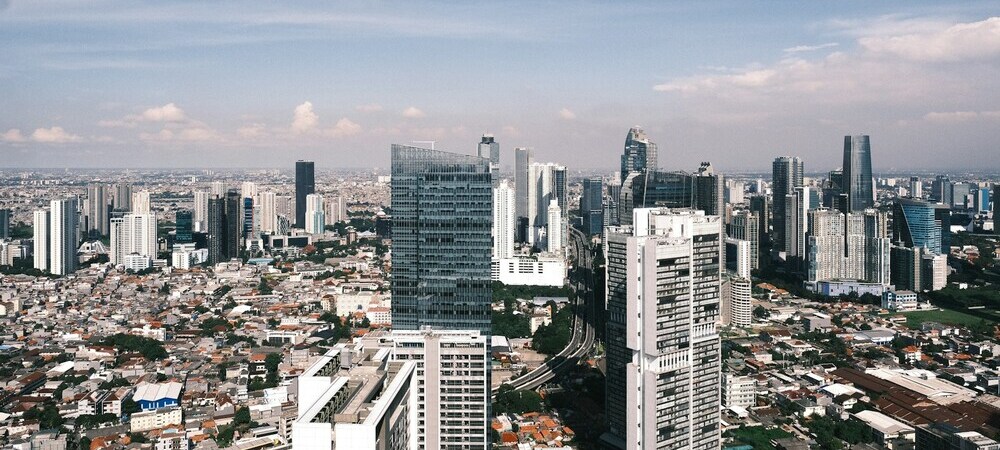
Depending on their needs, there are several ideal areas and suburbs for expats looking to rent in Jakarta. In the city’s pulsing heart, Sudirman Central Business District (SCBD) emerges as a prime choice for expats seeking to live near their workplaces. The area has high-rise apartments and modern amenities, and it sits at the centre of Jakarta’s commercial activity.
Kuningan sits at the heart of Jakarta’s Golden Triangle and has a modern, business-oriented feel. Its strategic location around Jl. Rasuna Said puts major shopping destinations like Grand Indonesia and Plaza Indonesia within easy reach. Menteng is Jakarta’s most prestigious historic district, famous for its leafy boulevards, embassies, museums, and government buildings. Its proximity to the Sudirman and MH Thamrin corridors makes it a practical choice for those working in the central business district.
Further south, Cilandak is a favourite among local middle-income and expat families. The vicinities near Jalan TB Simatupang, Pondok Indah, and Jakarta Intercultural School are particularly sought after, although they come with a higher price tag. The district is mostly low-rise and has a distinctly Indonesian atmosphere. It offers a quieter pace of life than central Jakarta, and more affordable options can be found away from the premium pockets.
Kemang, sandwiched between Cilandak and the city centre, is one of Jakarta’s liveliest expat neighbourhoods. It draws a younger, more socially active crowd and has a well-established international dining and nightlife scene. Houses and villas here tend toward the upper end of the rental market.
Read Areas and Suburbs in Jakarta to learn more about the city’s neighbourhoods.
Types of accommodation in Jakarta
The different types of accommodation in Jakarta range from compact studio apartments to spacious detached villas, with available housing types varying from area to area.
Expats in Jakarta’s Central Business District will find that apartments are the most practical solution, especially to avoid spending hours every day stuck in traffic while commuting to and from the office. Many apartment buildings have been constructed in recent years, so there is plenty of choice for new arrivals, from simple, small apartments with only basic facilities to large, luxurious, fully serviced apartments. Most apartment buildings offer 24-hour security and other facilities, including swimming pools, laundry services, and sports facilities.
Expats who are willing to venture into Jakarta’s suburbs will have more options for larger houses and villas. Some of these areas also offer easy access to some of the city’s many excellent international schools and are an ideal choice for expat families.
Many expat rentals in Jakarta are fully furnished, but expats who prefer to ship in their own household goods should be able to negotiate for most properties to come unfurnished without too much difficulty.
Useful links
Finding accommodation in Jakarta
Finding accommodation in Jakarta as an expat usually starts with a company relocation package or an online property portal. The language barrier can pose a problem for new arrivals, so it helps to have a reliable local contact who can translate when necessary.
You might be lucky enough to have a relocation company working on your behalf, which can take much of the legwork out of the process. These firms assess your preferences, shortlist properties, and arrange viewings.
When looking for accommodation in Jakarta, keep in mind that location is one of the most critical factors. Jakarta suffers from significant traffic congestion – you'll be able to save a lot of time by living close to your place of work and your children’s school.
The MRT has changed the calculus for many expats. Properties along the north-south line from Lebak Bulus to Bundaran HI are increasingly sought after, as the train bypasses road congestion entirely.
Useful links
Renting accommodation in Jakarta

Making an application
The rental process in Jakarta begins with a rental application. The landlord usually requires proof of employment, identification, and sometimes references.
Expats can either handle this process independently or secure the services of a reputable real estate agent. A good real estate agent can significantly streamline the application process. In either case, it’s a good idea to enlist a local contact or translator to help you communicate and ensure you understand the contract.
Leases
Leases are usually negotiated with the owner of the property. Expats should be sure to have a reliable local contact available who will be able to help them negotiate and understand the terms of any new rental contract.
If you commit to a longer rental period and pay upfront, you’ll often get a better deal. Rent can occasionally be paid month by month, but landlords tend to offer more favourable prices to those willing to pay for a year or several months upfront.
Deposits
Deposits are a standard prerequisite. They are refundable at the end of the lease term, provided the property is left in good condition. Besides the rent and deposit, expats should also factor in agency fees if a real estate agent is engaged. The costs can usually be negotiated, and a local contact can help you to get favourable terms.
Terminating the lease
Lease termination terms vary from contract to contract. Most leases in Jakarta do not include a break clause, so an early exit can mean forfeiting the remaining rent paid upfront. It is also worth hammering out termination conditions before you put pen to paper.
Useful links
Utilities in Jakarta

The provision and payment for utilities such as electricity, gas, water, and internet in Jakarta typically fall on the residents, over and above the cost of rent. Expats moving to Jakarta should budget for these expenses.
Electricity
Air conditioning is the single biggest driver of electricity costs in Jakarta. Residents usually buy electricity through prepaid tokens. Payments for electricity can be made online through various platforms, including the provider’s website and most banking apps.
The state-owned company PT PLN (Persero) provides electricity across the city. Jakarta operates on a 230V, 50Hz system with Type C and F plugs, just like mainland Europe. Expats may need a voltage converter for single-voltage appliances, although it’s increasingly common for modern laptops and phone chargers to work with either voltage.
Gas
Gas for cooking and heating is usually supplied in refillable gas cylinders, which are relatively inexpensive. There are a few different gas suppliers in the city, and refills can be obtained from local vendors or delivered directly from suppliers. Once expats sign up with a supplier, the whole refilling process is very routine and uncomplicated. Payments can usually be made in cash upon delivery or through online platforms.
Water
Tap water in Jakarta is generally not considered safe to drink. It’s advised to invest in a water purification system or buy bottled water for drinking and cooking. Most households rely on delivered 19-litre jugs for drinking water.
Water bills are typically modest. Just check whether they are included in the rent or billed separately.
Bins and recycling
Waste disposal and recycling services vary across Jakarta. Most expat residential compounds have scheduled waste collection.
Household-level recycling infrastructure is limited compared to Western cities. Your building management or local RT (neighbourhood association) can advise on collection schedules and any sorting requirements.
Useful links
- PT PLN (Persero) is the electricity provider in Jakarta.
- PAM Jaya is Jakarta’s water provider.