Print
  • Hold down Ctrl key and select the sections you want to print. If using a Mac, hold down the Cmd key.
  • Use Ctrl + A or on Mac, Cmd + A to select all sections (if you are using the Chrome browser).
  • Click "Apply" and the site will customise your print guide in the preview below.
  • Click the "Print" button and a print pop up should appear to print to your printer of choice.

Moving to Jakarta

Living in Jakarta as an expat

Moving to Jakarta is not for the faint-hearted. Often referred to as the ‘Big Durian’, it is a city of contrasts and immense diversity that embodies the heart and soul of Indonesia. This bustling metropolis, much like its fruity moniker, can be an acquired taste. Long the country’s capital, Jakarta officially ceded that title to the new city of Nusantara, although the transition is gradual and the city still functions as Indonesia’s economic and cultural centre. Skyscrapers tower over traditional markets and teeming streets.

While it lacks some of the polished charms of other major international cities, Jakarta offers a raw and authentic experience. The streets buzz with the sounds of daily life. Vendors call out their wares over the hum of motorbikes, and five times a day, the call to prayer rises from mosques across the city.

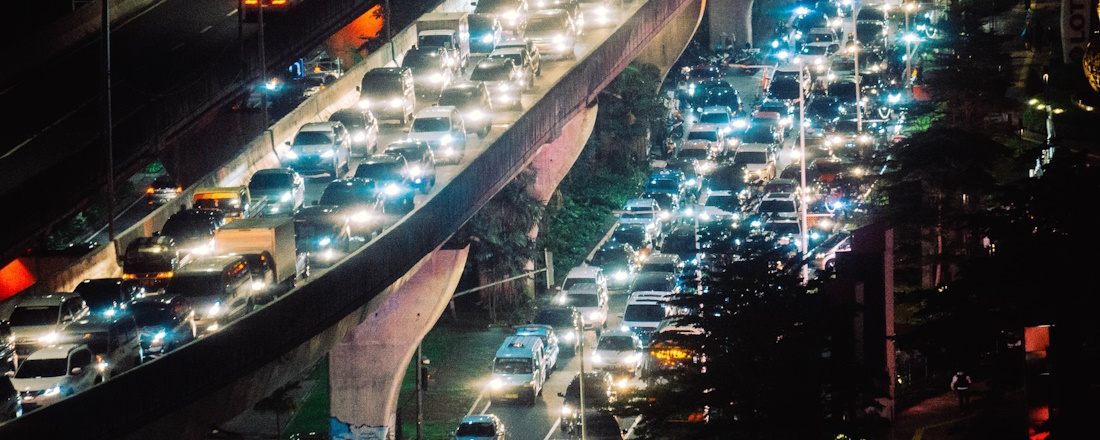
Living in Jakarta as an expat is colourful and somewhat exotic, yet new arrivals might not find many of the apparent charms of other large cities around the world. It can be noisy and polluted, and getting around the city can be difficult due to the congested roads. Unless very brave, most expats don’t drive themselves; ride-hailing apps such as Gojek and Grab have largely replaced the traditional hired driver for day-to-day travel.

Working in Jakarta
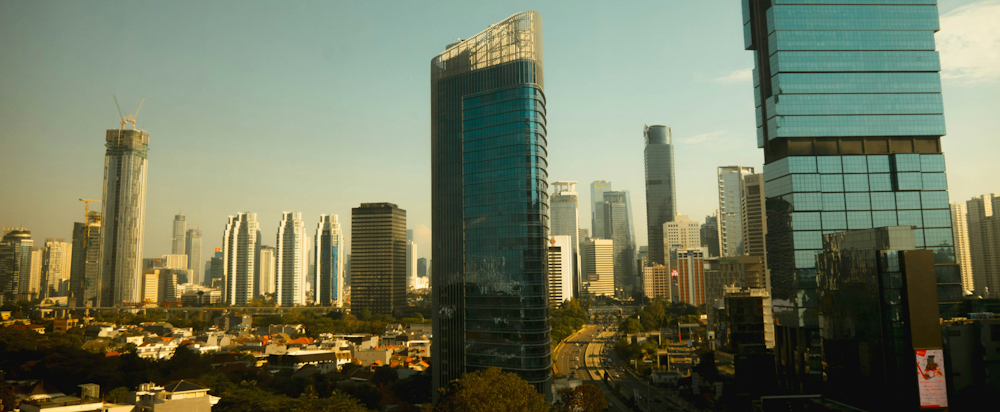
Jakarta Cityscape by Marcel Ardivan on Unsplash

Expats in Jakarta generally find jobs in the finance, technology, engineering, education, and energy sectors. The process for getting a work permit and visa for Indonesia is often arduous; there are strict rules that govern the employment of foreigners due to the high unemployment rate in the country.

Finding accommodation in Jakarta

Jakarta offers plenty of choice in terms of finding rental accommodation, as properties range from luxury penthouse apartments and houses with pools and gardens to rooms in guesthouses with shared bathrooms and dining facilities.

Renting Expat Accommodation in Jakarta

Cost of living in Jakarta

The cost of living in Jakarta depends very much on lifestyle choices, as the city is largely affordable. Be that as it may, Jakarta is not a cheap place to live if expats shop only at Western-style supermarkets or high-end shops. Local shops are quite affordable, though, and the city’s many markets make for a colourful shopping experience. Imported goods can be expensive, but Indonesian products are considerably cheaper.

Cost of Living in Jakarta

Lifestyle in Jakarta

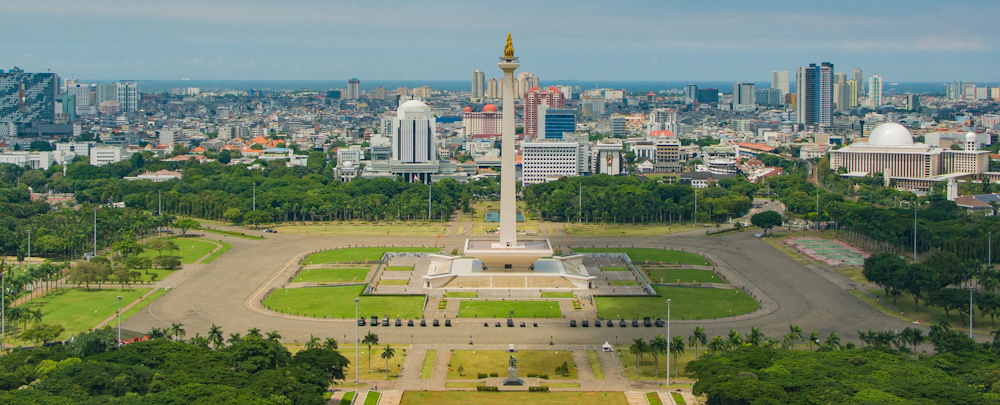
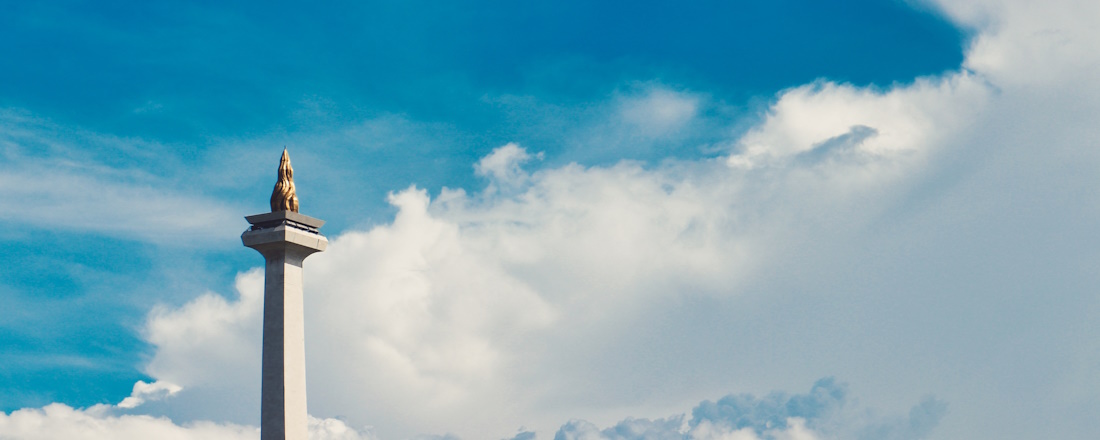
Monas in Central Jakarta by Affan Fadhlan on Unsplash

The lifestyle in Jakarta keeps most expats well entertained. For those in need of retail therapy, there’s everything from upscale malls with international brands to bustling traditional markets. As night falls, the city comes alive, and there is no shortage of bars and live music. Foodies can find everything from street food stalls with local treats to high-end restaurants with global cuisines.

Jakarta’s calendar is dotted with annual festivals and events, many of them free. These range from cultural celebrations to film festivals. Those after cultural or recreational exploits have plenty to choose from, from history museums to the scenic Thousand Islands just off the coast.

Lifestyle in Jakarta 
Attractions in Jakarta

Living in Jakarta with children

Family life in Jakarta has its own joys and challenges. Beyond the international schools, the city has plenty of family-friendly activities; parks and zoos abound, and community clubs welcome newcomers.

Healthcare is also pricey in Jakarta, and serious medical emergencies may require evacuation to a neighbouring country such as Singapore. Expats are strongly advised to take out comprehensive medical insurance if this is not already provided through their employer.

Healthcare in Jakarta 
Family-Friendly Activities in Jakarta

Finding a school in Jakarta

Finding a school in Jakarta is a priority for most expat parents, and the majority opt for an international school. Tuition fees are likely to cause the most considerable dent in the household budget, as international schools are expensive.

International Schools in Jakarta

Getting around in Jakarta
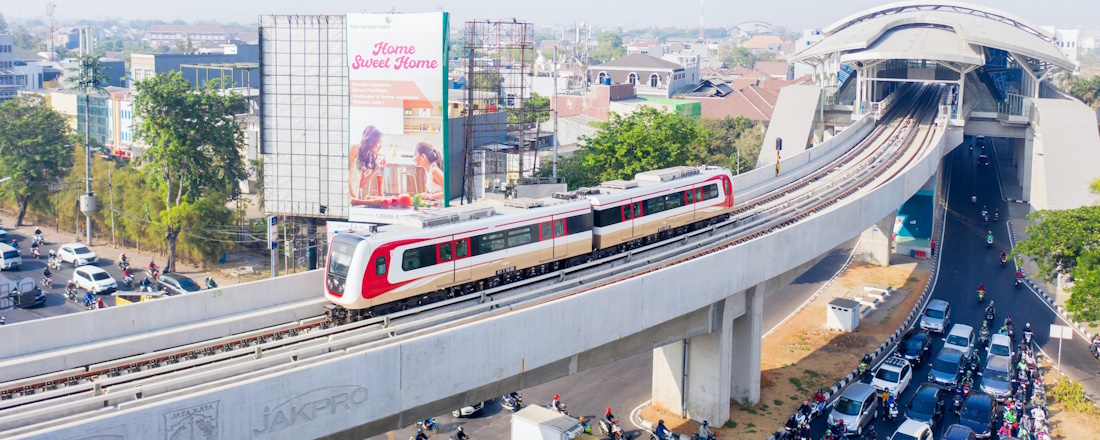
Getting around in Jakarta

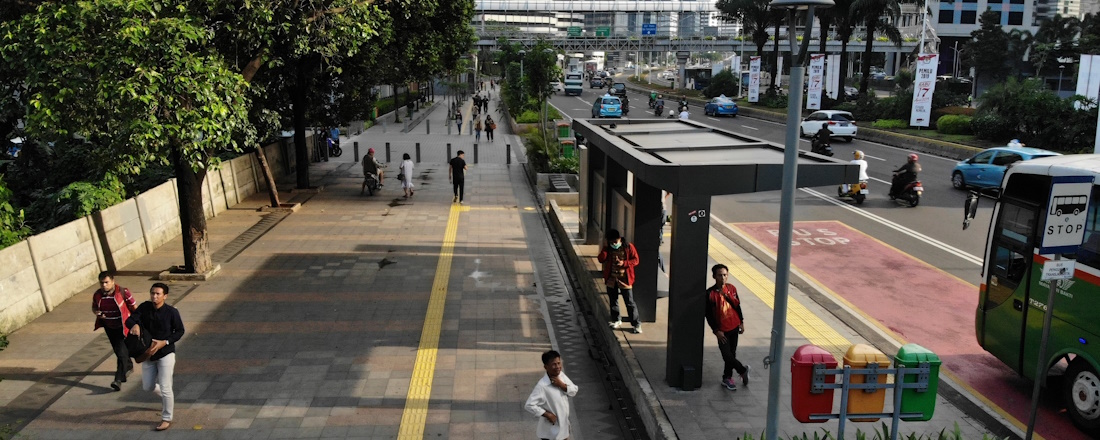
Getting around in Jakarta has got easier in recent years, although traffic congestion is still legendary. The MRT (Mass Rapid Transit), which opened in 2019, runs a north-south line from Lebak Bulus to Bundaran HI and is clean and reliable. Transjakarta, the city’s bus rapid transit (BRT) network, covers over 90 percent of Jakarta’s area, and some corridors run 24 hours a day. Both systems accept cashless payment through the integrated JakLingko platform.

For most expats, ride-hailing apps Gojek and Grab are the backbone of daily travel. Driving yourself is possible but difficult, as Jakarta enforces an odd-even licence plate system on major roads during peak hours.

Getting Around in Jakarta

Weather in Jakarta

Jakarta’s tropical climate is hot and humid year-round, with slight variations in temperature from month to month. The city has a pronounced wet season from roughly November to March, when heavy rainfall can cause serious flooding; entire neighbourhoods have been inundated in recent years. The dry season, from around June to September, brings more sun and is the best time for beachgoing and island hopping in the nearby Thousand Islands.

Climate in Indonesia

Life in Jakarta can be hectic and is not for the faint-hearted, but there are also many fascinating corners to discover and new friends to be made. Whatever you choose to make of it, nobody could claim that life in the Big Durian is dull.
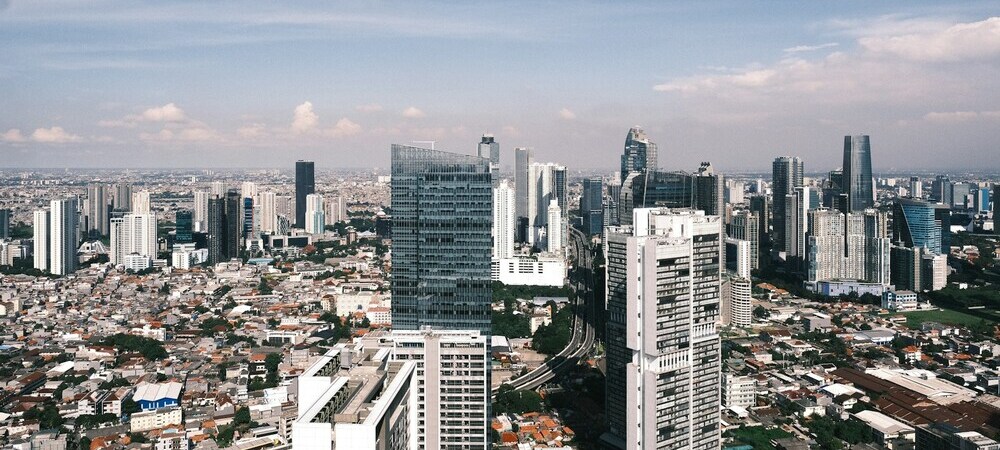

Accommodation in Jakarta

Finding and renting accommodation in Jakarta is reasonably straightforward, and there is a wide variety of options to choose from. Expats will likely find prices reasonable compared to Western European and North American cities or other Asian cities such as Hong Kong and Singapore. Indonesian law makes it complicated for foreigners to buy a home in the country, so most Jakarta expats choose to rent rather than buy.


Best areas and suburbs to rent in Jakarta

Best areas and suburbs in Jakarta

Depending on their needs, there are several ideal areas and suburbs for expats looking to rent in Jakarta. In the city’s pulsing heart, Sudirman Central Business District (SCBD) emerges as a prime choice for expats seeking to live near their workplaces. The area has high-rise apartments and modern amenities, and it sits at the centre of Jakarta’s commercial activity.

Kuningan sits at the heart of Jakarta’s Golden Triangle and has a modern, business-oriented feel. Its strategic location around Jl. Rasuna Said puts major shopping destinations like Grand Indonesia and Plaza Indonesia within easy reach. Menteng is Jakarta’s most prestigious historic district, famous for its leafy boulevards, embassies, museums, and government buildings. Its proximity to the Sudirman and MH Thamrin corridors makes it a practical choice for those working in the central business district.

Further south, Cilandak is a favourite among local middle-income and expat families. The vicinities near Jalan TB Simatupang, Pondok Indah, and Jakarta Intercultural School are particularly sought after, although they come with a higher price tag. The district is mostly low-rise and has a distinctly Indonesian atmosphere. It offers a quieter pace of life than central Jakarta, and more affordable options can be found away from the premium pockets.

Kemang, sandwiched between Cilandak and the city centre, is one of Jakarta’s liveliest expat neighbourhoods. It draws a younger, more socially active crowd and has a well-established international dining and nightlife scene. Houses and villas here tend toward the upper end of the rental market.

Read Areas and Suburbs in Jakarta to learn more about the city’s neighbourhoods.


Types of accommodation in Jakarta

The different types of accommodation in Jakarta range from compact studio apartments to spacious detached villas, with available housing types varying from area to area.

Expats in Jakarta’s Central Business District will find that apartments are the most practical solution, especially to avoid spending hours every day stuck in traffic while commuting to and from the office. Many apartment buildings have been constructed in recent years, so there is plenty of choice for new arrivals, from simple, small apartments with only basic facilities to large, luxurious, fully serviced apartments. Most apartment buildings offer 24-hour security and other facilities, including swimming pools, laundry services, and sports facilities.

Expats who are willing to venture into Jakarta’s suburbs will have more options for larger houses and villas. Some of these areas also offer easy access to some of the city’s many excellent international schools and are an ideal choice for expat families.

Many expat rentals in Jakarta are fully furnished, but expats who prefer to ship in their own household goods should be able to negotiate for most properties to come unfurnished without too much difficulty.

Useful links


Finding accommodation in Jakarta

Finding accommodation in Jakarta as an expat usually starts with a company relocation package or an online property portal. The language barrier can pose a problem for new arrivals, so it helps to have a reliable local contact who can translate when necessary.

You might be lucky enough to have a relocation company working on your behalf, which can take much of the legwork out of the process. These firms assess your preferences, shortlist properties, and arrange viewings.

When looking for accommodation in Jakarta, keep in mind that location is one of the most critical factors. Jakarta suffers from significant traffic congestion – you'll be able to save a lot of time by living close to your place of work and your children’s school.

The MRT has changed the calculus for many expats. Properties along the north-south line from Lebak Bulus to Bundaran HI are increasingly sought after, as the train bypasses road congestion entirely.

Getting Around in Jakarta

Useful links


Renting accommodation in Jakarta

Making an application

The rental process in Jakarta begins with a rental application. The landlord usually requires proof of employment, identification, and sometimes references.

Expats can either handle this process independently or secure the services of a reputable real estate agent. A good real estate agent can significantly streamline the application process.  In either case, it’s a good idea to enlist a local contact or translator to help you communicate and ensure you understand the contract.

Leases

Leases are usually negotiated with the owner of the property. Expats should be sure to have a reliable local contact available who will be able to help them negotiate and understand the terms of any new rental contract.

If you commit to a longer rental period and pay upfront, you’ll often get a better deal. Rent can occasionally be paid month by month, but landlords tend to offer more favourable prices to those willing to pay for a year or several months upfront.

Deposits

Deposits are a standard prerequisite. They are refundable at the end of the lease term, provided the property is left in good condition. Besides the rent and deposit, expats should also factor in agency fees if a real estate agent is engaged. The costs can usually be negotiated, and a local contact can help you to get favourable terms.

Terminating the lease

Lease termination terms vary from contract to contract. Most leases in Jakarta do not include a break clause, so an early exit can mean forfeiting the remaining rent paid upfront. It is also worth hammering out termination conditions before you put pen to paper.

Useful links


Utilities in Jakarta

Utilities in Jakarta

The provision and payment for utilities such as electricity, gas, water, and internet in Jakarta typically fall on the residents, over and above the cost of rent. Expats moving to Jakarta should budget for these expenses.

Electricity

Air conditioning is the single biggest driver of electricity costs in Jakarta. Residents usually buy electricity through prepaid tokens. Payments for electricity can be made online through various platforms, including the provider’s website and most banking apps.

The state-owned company PT PLN (Persero) provides electricity across the city. Jakarta operates on a 230V, 50Hz system with Type C and F plugs, just like mainland Europe. Expats may need a voltage converter for single-voltage appliances, although it’s increasingly common for modern laptops and phone chargers to work with either voltage.

Gas

Gas for cooking and heating is usually supplied in refillable gas cylinders, which are relatively inexpensive. There are a few different gas suppliers in the city, and refills can be obtained from local vendors or delivered directly from suppliers. Once expats sign up with a supplier, the whole refilling process is very routine and uncomplicated. Payments can usually be made in cash upon delivery or through online platforms.

Water

Tap water in Jakarta is generally not considered safe to drink. It’s advised to invest in a water purification system or buy bottled water for drinking and cooking. Most households rely on delivered 19-litre jugs for drinking water.

Water bills are typically modest. Just check whether they are included in the rent or billed separately.

Bins and recycling

Waste disposal and recycling services vary across Jakarta. Most expat residential compounds have scheduled waste collection.

Household-level recycling infrastructure is limited compared to Western cities. Your building management or local RT (neighbourhood association) can advise on collection schedules and any sorting requirements.

Useful links

Areas and suburbs in Jakarta

The best places for expats to live in Jakarta

Finding the best places for expats to live in Jakarta starts with understanding the city’s geography. Jakarta is no longer Indonesia’s official capital; government functions are gradually being transferred to the new political capital, Nusantara, in East Kalimantan. Jakarta remains the country’s economic powerhouse, though, and its appeal for expats is unchanged. South and Central Jakarta are the most popular areas among expats, and newcomers are bound to find a neighbourhood that suits their lifestyle and budget.


Central business districts for expat professionals in Jakarta

These neighbourhoods are known for their high-end residences and proximity to major offices. They are ideal for expats who want a cosmopolitan lifestyle or who are averse to long commutes.

Sudirman

Sudirman is home to the Sudirman Central Business District (SCBD), the epicentre of Indonesian business. The area has no shortage of apartments, restaurants, bars, gyms, and other expat-tailored facilities. Its central location attracts expats who work in Jakarta’s corporate sector.

Kuningan

Mega Kuningan is a planned neighbourhood near the Central Business District that has a modern metropolis vibe that feels like you’ve just stepped into Singapore. It has walkable streets, a real rarity in Jakarta, and an active nightlife scene. It’s best suited to single expats or young couples without children. Its proximity to several embassies makes Kuningan particularly popular among diplomats and expats.

Residences mainly consist of condominiums in varying price ranges, although there are also older spacious housing developments on tree-lined streets. There are also plenty of restaurants and hotels in the area and many nearby shopping malls, including Kuningan City Mall and Ambassador Mall.

Renting Expat Accommodation in Jakarta
Lifestyle in Jakarta


Suburban retreats for expat families in Jakarta

These neighbourhoods offer a quieter pace of life while still being conveniently located for the city centre. They are ideal for expat families.

Pondok Indah

Pondok Indah is an upmarket neighbourhood of Jakarta that is popular with expat families thanks to its spacious living options and proximity to several good international schools. Large family homes sit along tree-lined streets. Commute times to the city’s commercial areas can be long, but there are plenty of entertainment opportunities to keep the family busy. Shopping malls, a water park, and a golf course are all nearby. Pondok Indah is also widely considered one of Jakarta’s safest residential areas.

Menteng

A historically affluent neighbourhood, Menteng has been home to Dutch colonial government officials and, over generations, to politicians and expats who prefer a less modern ambience. Although a bit distant from international schools, its position within Jakarta’s Golden Triangle of financial districts makes it best suited to senior professionals and diplomats.

Cilandak

Cilandak is a large district south of Cipete that is popular with local middle-class residents and some expat families. It has a quiet, local feel and cleaner, low-rise buildings. Some areas near Jalan TB Simatupang and Pondok Indah are expensive, but other parts of Cilandak are relatively affordable. It’s an attractive option for those working in South Jakarta.

Kebayoran Baru

Kebayoran Baru is a business-centric area in Jakarta that hosts many international company branches. The Dharmawangsa and Senopati areas within Kebayoran Baru are especially popular among expats. Senopati in particular has developed a boutique, upscale neighbourhood character that sets it apart from the corporate high rises of nearby SCBD.

Kids and Families in Jakarta 
International Schools in Jakarta


Trendy and expat-friendly areas and suburbs in Jakarta

These areas attract residents who enjoy local culture alongside an international community.

Kemang

A popular area for expat families, Kemang is close to several international schools and offers a range of housing options, from large family homes and villas to apartments. Kemang has wonderful entertainment options from restaurants to bars, and much of Jakarta’s art scene can be found here. A downside to Kemang is the heavy traffic congestion, which can be a source of frustration for many residents. Parts of Kemang are also prone to flooding during the rainy season, so it is wise to choose homes on higher ground or streets with good drainage.

Cipete

Adjacent to Kemang in South Jakarta, Cipete is known for its more local Jakartan vibe. It’s also a favourite among the French community due to its proximity to the Lycée Français. Although it offers fewer attractions and luxury villas compared to Kemang, Cipete has a more laid-back atmosphere and is generally more affordable.

Things to See and Do in Jakarta
Getting Around in Jakarta

Healthcare in Jakarta

The standard of healthcare in Jakarta varies widely. The Indonesian government has been pouring money into public healthcare infrastructure, and Jakarta has been a primary beneficiary. Expats have access to both public and private facilities, but most opt for private hospitals or clinics. For more serious medical procedures, expats often travel to neighbouring Singapore or Malaysia.

The cost of healthcare in Jakarta is moderate compared to Singapore, but fees at the top private hospitals can rival those overseas. Quality varies, so look for JCI-accredited hospitals; these meet internationally recognised safety and quality benchmarks.

Pharmacies are plentiful in Jakarta and can be found in most large malls; these sell a wide range of prescription and over-the-counter medications. Most major private hospitals also have in-house pharmacies. English-speaking staff are available at the top private facilities, but this is not universal. Ask about this when you choose a provider.

Indonesia runs a national health insurance scheme called BPJS Kesehatan, and foreign workers who hold a residence permit (KITAS or KITAP) and have lived in the country for at least six months are legally required to enrol.

Private health insurance is still a near-necessity for access to the better private hospitals, and medical evacuation cover is well worth the extra cost, since serious cases may still require a trip to Singapore or Malaysia. Expats who arrive as part of a corporate relocation package will usually have their company arrange this.

Healthcare and Health Insurance in Indonesia


Hospitals in Jakarta

RS Premier Jatinegara

Website: www.rspremierjatinegara.com
Address: Jl. Jatinegara Timur No. 85-87, Bali Mester, Jatinegara, Jakarta Timur 13310

Brawijaya Hospital Saharjo

Website: www.brawijayahospital.com
Address: Jl. DR. Saharjo No. 199, Tebet Barat, Tebet, Jakarta Selatan 12810

Columbia Asia Hospital Pulomas

Website: www.columbiaasia.co.id
Address: Jl. Kayu Putih Raya No. 1, Kayu Putih, Pulo Gadung, Jakarta Timur 13210

Pondok Indah Hospital

Website: www.rspondokindah.co.id
Address: Jl. Metro Duta Kav. UE Pondok Indah, Jakarta Selatan, DKI Jakarta 12310

Siloam Hospitals Kebon Jeruk

Website: www.siloamhospitals.com
Address: Jl. Raya Pejuangan Kav. 8, Kebon Jeruk, Jakarta Barat 11530

RS Premier Bintaro

Website: www.rspremierbintaro.com 
Address: Jl. M.H. Thamrin No. 1, Sektor 7, Bintaro Jaya, Kota Tangerang Selatan, Banten 15224

Education and Schools in Jakarta

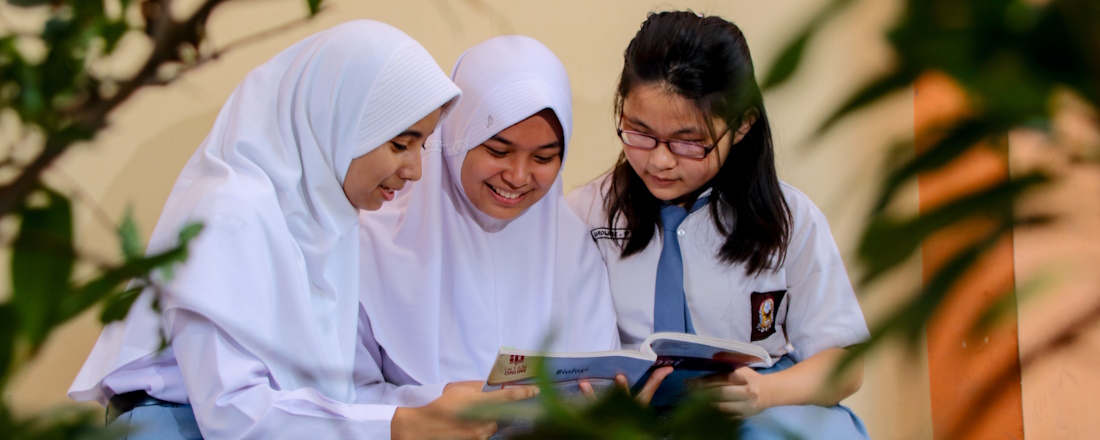
Expats have a wide variety of options when it comes to education and schools in Jakarta. Compulsory schooling starts at age seven in Indonesia. The government mandates 12 years of education, from primary school through to senior high school; public schooling at the primary and junior secondary levels is free.

Jakarta’s public schools are not popular among expat families, but the city has an impressive array of international schools. These cater to expat students from several countries, including the UK, the US, France, Germany, India, Japan, South Korea, New Zealand, Russia, and Singapore. Many international schools also offer the International Baccalaureate (IB) or Cambridge IGCSE and A-Levels programmes.


Public schools in Jakarta

Public schools in Jakarta are administered by the local government and follow the Indonesian curriculum. The teaching language is Bahasa Indonesia.

The most significant deterrent for most expat families is the language barrier that exists in public schooling. Expats moving to the city with children generally enrol them in one of the many excellent international schools, especially if they’ll only be in Indonesia for a limited time.

Useful links


Private schools in Jakarta

Private schools in Jakarta usually offer an international curriculum alongside the local Indonesian curriculum, and classes are generally in English rather than Indonesian. The International Baccalaureate is commonly taught in these schools.

Non-international private schools in Jakarta are mostly attended by Indonesian students, but some expat parents also enrol their children. Fees are lower than at international schools, and there’s more opportunity for cultural integration. Bear in mind that admission processes at some private schools are competitive, and some may require proof of Indonesian residency.


International schools in Jakarta

Although international schools in Jakarta can be expensive, they usually offer a good standard of education. They also have the advantage of allowing children to continue with a familiar and internationally recognised curriculum.

In a bid to regulate the quality of education in Indonesia, the government no longer permits schools to use the word ‘international’ in their title. Before this regulation, low-quality schools would often tack ‘international’ on their names to justify charging high fees. Most international schools are now classified as Satuan Pendidikan Kerjasama (SPK), or Joint Cooperation Schools. Indonesian students at SPK schools are required to take civics, religion, and Indonesian language. International students must take Indonesian language and cultural studies courses.

Waitlists at popular SPK schools in Jakarta can be a year or longer, particularly at the most sought-after institutions. Families should begin the application process well before their planned move date.

International Schools in Jakarta

Useful links


Special educational needs in Jakarta

Children with special educational needs in Jakarta are served by two types of public schools: inclusive schools and extraordinary schools. Inclusive schools have a student body of both mainstream students and those with special needs, while extraordinary schools are dedicated solely to special-needs education. Most expat families feel that the government doesn’t offer adequate support and instead opt for private schooling.

Many international schools can provide the specialised services such a student would require, depending on the severity of the condition in question. Parents should enquire with individual schools to find out about the special-needs support they can offer and the costs involved.

Useful links


Tutors in Jakarta

Tutors in Jakarta are widely used, as they are across Indonesia. For expat families, tutors can be a great help in giving expat children a leg up as they adjust to a new school, especially if an unfamiliar curriculum or language is involved. Some expat families hire a tutor to help maintain a child’s mother tongue or to help them learn and refine Indonesian or English quickly.

The months leading up to final exams are busy for tutors, who are often hired to help students reach peak performance. Most tutors specialise in a particular subject, but some can help across the board, especially when it comes to teaching general essay writing and study techniques.

Useful links

International Schools in Jakarta

Expat families relocating to Indonesia have access to some of the best international schools in Jakarta. There are several international schools that offer highly respected curricula like those of the US (including Advanced Placement subjects), the UK (including the Cambridge IGCSE and A-Levels), and the International Baccalaureate. These schools offer an excellent standard of education backed by dedicated teachers, modern facilities, and small class sizes. Note that the Indonesian government does not permit schools to include the word 'international' in their names. Most international-curriculum schools are classified as Satuan Pendidikan Kerjasama (SPK) schools.

International schools in Jakarta give expat children the opportunity to continue with a familiar, globally transferable curriculum. Being around other expat children who understand the difficulties of moving abroad also goes a long way to ease the process of settling in. What's more, parents can count on their children being exposed to various cultures, as international schools in Jakarta will often have students from dozens of different nationalities.

Jakarta's notorious traffic means your commute should weigh heavily in the decision; campuses are scattered across the city, and a school that looks close on a map can easily be an hour away during rush hour. Below is a list of some of the most reputable international schools in Jakarta.


International schools in Jakarta

NAS%20Jakarta_cropped.jpg

The Independent School of Jakarta (ISJ)

The Independent School of Jakarta (ISJ) is located in leafy Pondok Indah in South Jakarta and follows the English National Curriculum, in the tradition of the UK's top independent schools. Its purpose-built campus and small class sizes have made it a firm favourite among British expat families who want a prep-school feel without the long commute to Bintaro. Read more

Gender: Co-educational 
Curriculum: British (English National Curriculum) 
Ages: 2 to 13 
Website: www.isj.id

Nord Anglia School Jakarta (NAS)

Nord Anglia School Jakarta (NAS) caters exclusively to early years and primary children aged 18 months to 12 years, and its maximum roll of around 300 students makes it a fraction of the size of Jakarta's larger international schools. It belongs to the Nord Anglia Education group and follows the English National Curriculum alongside the International Primary Curriculum. Read more

Gender: Co-educational 
Curriculum: British (English National Curriculum) and International Primary Curriculum (IPC) 
Ages: 1.5 to 12 
Website: www.nordangliaeducation.com/nas-jakarta

ACG School Jakarta

Founded in 2004, ACG School Jakarta has built a reputation as one of South Jakarta's smaller, more close-knit international schools. Part of the Inspired global schools network, it runs IB and Cambridge International programmes from Kindergarten through to Year 13.

Gender: Co-educational 
Curriculum: International Baccalaureate and British (including Cambridge IGCSE) 
Ages: 3 to 18 
Website: www.jakarta.acgedu.com

Australian Independent School Indonesia (AIS)

Founded in 1996, AIS Indonesia runs campuses in Jakarta and Bali and was the first international school in the city to accept children with special educational needs. It follows the Australian Curriculum from preschool through Year 10, with the IB Diploma Programme available in Years 11 and 12.

Gender: Co-educational 
Curriculum: Australian and International Baccalaureate 
Ages: 3 to 18 
Website: www.ais-indonesia.com

Beacon Academy

Beacon Academy opened its doors in 2007 in a converted warehouse in Kelapa Gading, North Jakarta, with just 23 pupils. It has since grown into a full Nursery-to-Year-12 school that offers the IB PYP, Cambridge Lower Secondary and IGCSE, and the IB Diploma across five languages.

Gender: Co-educational 
Curriculum: International Baccalaureate and British (including Cambridge IGCSE)
Ages: 5 to 18 
Website: www.beaconacademy.net

British School Jakarta (BSJ)

The British School Jakarta (BSJ) has been a fixture of the expat education scene since its establishment in 1974 with support from the British Embassy. Its 44-acre campus in Bintaro, south-west of central Jakarta, is one of the largest school sites in the region. Primary years follow the English National Curriculum before students transition to the IB Middle Years and Diploma programmes in secondary school.

Gender: Co-educational 
Curriculum: British (English National Curriculum) and International Baccalaureate (MYP and DP) 
Ages: 2 to 18 
Website: www.bsj.sch.id

Gandhi Memorial Intercontinental School, Jakarta (GMIS)

Indonesia's oldest international school, Gandhi Memorial Intercontinental School (GMIS), has been running since 1950 and today enrols over 2,000 students from more than 50 countries at its main Jakarta campus. It offers the full suite of IB programmes alongside Cambridge IGCSE and the Indian BSEISI board.

Gender: Co-educational 
Curriculum: International Baccalaureate (PYP, MYP, DP, and CP), Cambridge IGCSE, and Indian (BSEISI) 
Ages: 3 to 18 
Website: www.gandhijkt.org

Jakarta Intercultural School (JIS)

Jakarta Intercultural School (JIS) is the largest international school in Indonesia; over 2,500 students from more than 70 nationalities attend its three garden-like campuses in South Jakarta. It was founded in 1951 for the children of embassy staff and follows an American-style curriculum that offers both AP and IB Diploma pathways in the senior years.

Gender: Co-educational 
Curriculum: American (including Advanced Placement) and International Baccalaureate 
Ages: 3 to 18 
Website: www.jisedu.or.id

French School Jakarta (FSJ)

French School Jakarta (FSJ) follows the French national curriculum from age 2 to 17. It is accredited by the AEFE, the global network of 580 schools in 139 countries that underpins French education worldwide. Students from 45 nationalities attend, and the bilingual French-English programme includes an intensive French-language track for children arriving with no prior French.

Gender: Co-educational 
Curriculum: French 
Ages: 2 to 17 
Website: www.frenchschooljakarta.com

Lifestyle in Jakarta

With a thriving economy and attractive expat salaries on offer, the lifestyle in Jakarta can be full of comforts and luxuries.

Traffic around central Jakarta can sometimes hinder leisure time during the week, so weekends are perfect for golf at Royale Jakarta Golf Club or scuba diving in the Thousand Islands. Short holidays to Bandung or Yogyakarta are also popular. There are plenty of sights to see and things to do.

The vast expat communities and associations in Jakarta provide a little taste of home. Regular balls and charity events fill the social calendar, and many associations participate in local festivals such as the Jakarta Fair and the Java Jazz Festival. From medieval banquets to Latin balls and Mardi Gras soirées, expats can enjoy the buzzing nightlife of Jakarta as often as they please. There are also plenty of activities for expat kids and families.


Shopping in Jakarta

Shopping in Jakarta is practically a national sport. Grand Indonesia and Plaza Indonesia are among the most popular destinations. The city's immense variety of malls and markets makes it a shopper's paradise. Like most major cities in Asia, Jakarta has extravagant world-class malls with designer stores galore, as well as smaller local designer boutiques. Renowned designers and interior decorators frequently visit Jakarta and showcase their latest creations at runway shows and special exhibitions at the many malls around the city.

Malls

Visiting shopping malls is a central activity in the lives of many Jakartans. Malls provide an escape from the heat, humidity, and rain, and the many entertainment options make them pivotal in the lifestyle of Jakartans and expats alike.

Shopping malls in Jakarta can be described as lifestyle centres. Expats can leave the mall with a fresh new haircut after a massage, enjoy international cuisine, and buy stationery, a pair of shoes, and pet food. For shoppers, Jakarta's malls are a true cornucopia.

Markets

Markets are excellent venues for fresh produce, live fish, and beautiful, freshly picked flowers. These markets are usually crowded with bajajs (three-wheeled motorised rickshaws), carts, and even motorcycles, and they are bustling with life and colour.

There are often price fluctuations between locals and foreigners, so it's best to go in with at least a slight idea of how much something is worth. Bargaining is expected, so be prepared to negotiate prices until you find a good discount of about 10 to 20 percent.

Useful links


Dining in Jakarta

Dining in Jakarta covers a colossal variety of international cuisine, particularly in areas like Kemang and Menteng. Specialities range from high-end teppanyaki restaurants to small hole-in-the-wall venues that serve authentic Javanese fare.

For those with a sweet tooth, Jakarta is also known for its decadent desserts like dadar gulung, klepon, and onde onde. Local street foods, such as satay, gorengan (fried snacks), and the ever-popular nasi goreng (fried rice), are must-tries for anyone who wants to taste the real Indonesia.

Even though Indonesia has a large Muslim population, alcohol is widely available and served in most restaurants. Alcohol can be pricey compared to other countries due to high levies on imported spirits and wine, plus value-added tax.

Things to See and Do in Jakarta


Nightlife in Jakarta

Nightlife in Jakarta exemplifies Indonesia at its best: diverse and intense. From small pool bars to swanky nightclubs with long queues outside, the city offers expats whatever kind of diversion they desire.

Several neighbourhoods are popular among expats for their nightlife. Kemang, Senopati, Senayan, and Kuningan each have their own character and crowd. Kemang in South Jakarta draws groups of friends who want to watch sports, listen to live music, play pool, or enjoy a beer in a laid-back atmosphere. Senopati and the nearby SCBD (Sudirman Central Business District) are known for upscale cocktail bars and stylish lounges. The Senayan and Kuningan areas are home to some of Jakarta's trendiest and most expensive clubs.

Expats and locals attend the clubs to see and be seen, and booking a table for the night is common practice. Singles looking to have a cheap beer with friends and mingle with the locals often visit the area of Blok M.

Neighbourhoods in Jakarta


Outdoor activities in Jakarta

Outdoor activities in Jakarta go far beyond the city limits. Volcanoes, hot springs, waterfalls, and dense forests are all within weekend-trip distance of the capital.

Beach days are another viable option. Most of Jakarta's beaches require a boat trip, which is a fun way to get around, but for those who prefer something a little bit closer, Ancol Beach is easily reached from the city.

Activities for Kids and Families in Jakarta


Meeting people and making friends in Jakarta

For expats new to Jakarta, friendships and professional connections can make all the difference. The city has no shortage of ways for newcomers to find their feet, whether through professional networks or casual meet-ups. For remote workers and entrepreneurs, co-working spaces are excellent places to network.

The British Women's Association is open to all nationalities, despite its name. Events range from coffee mornings to charity initiatives, and the group has built a strong sense of community among expat women.

The American Women's Association of Indonesia welcomes American women and those with ties to the US, although membership is open to all nationalities. It runs a busy calendar of social events and volunteer activities to help its members adjust to life in Jakarta.

Expats with a passion for the performing arts can join the Jakarta Players. This English-speaking theatre group holds regular auditions and shows. For newcomers, it is a natural way to break into the local arts scene and make friends.

Useful links

Kids and Family in Jakarta

A large expat community and a wide choice of international schools mean that kids and family life in Jakarta will be well supported. There are plenty of activities for children conducted in English and other languages.

Jakarta is a fascinating place to raise globally minded children. They will grow up surrounded by different cultures and languages, and learn to interact with all kinds of people.

Childcare in Jakarta is easy to arrange for expat families. Indonesian nannies are used to working with foreign families and can accommodate most requests and needs. Nannies can grow very attached to children and can become the go-to person when you need help with a translation or just with everyday life in Jakarta.


Education in Jakarta

Education in Jakarta caters to a wide range of educational philosophies, and you'll have no shortage of schools to choose from. The biggest challenge will be to decide which programme best meets your child's needs.

International schools in Jakarta are often the preferred choice for expat families who know that they will be in Jakarta for a specific length of time. The curriculum followed is easily validated and transferable to other international schools in different countries and even back home, wherever that might be. The top international schools recruit internationally qualified educators, and many employ a good proportion of expat staff alongside local teachers.

Your school of choice will likely determine the area where you search for rental accommodation. Traffic conditions in the city can seriously eat into the day, so a home close to your children's school will help them take advantage of everything on offer.

Education and Schools in Jakarta
International Schools in Jakarta


Entertainment for kids in Jakarta

Entertainment for kids in Jakarta may look different from what you're used to back home, but there is no shortage of things to do.

Both local and expat families in Jakarta enjoy the extensive mall culture, which offers a variety of indoor entertainment options for children. Malls in Jakarta are large, and they typically have multiple storeys of food, entertainment, and shops. Malls are a great place to find entertainment options for children as they have indoor playgrounds, bowling alleys, family-friendly karaoke venues, and movie theatres.

Beyond the city limits, expat families can take in natural attractions like the tea plantations in Bandung or the botanical gardens in Bogor. The tea plantations and strawberry farms are a great option for those who want to teach their children about nature. The botanical gardens in Bogor city and the safari park in the wider Bogor regency provide a green, cool break from the Big Durian's heat and hustle.


Challenges for expat parents in Jakarta

The biggest challenges for expat parents in Jakarta tend to be infrastructural. The city has grown faster than its infrastructure can keep pace with, and this shows in everything from highway congestion to drainage and sewerage.

The traffic congestion in Jakarta poses a significant challenge for many expats, especially when they are out and about with children. The lack of clean pavements and the poor air quality rule out travel on foot as a practical option. Public transport has improved considerably thanks to the MRT and TransJakarta bus network, but most expat families with young children still rely on cars and ride-hailing apps for daily travel. A stroller is hard to manage outside unless you stick to the mall.

Cultural differences with Jakartans can sometimes lead to miscommunications. Expats sometimes incorrectly interpret a local's intentions because of cultural differences more than language barriers; for example, the greater emphasis that Jakartans place on saving face. It helps to learn some Indonesian and read up on local norms to bridge the communication divide.

Seasonal floods are another reality of life in Jakarta. The rainy season runs roughly from October to March, and parts of the city flood regularly during heavy downpours. School closures and road disruptions are common during peak rainfall months, so keep this in mind when you decide where to live.

Getting Around in Jakarta

See and Do in Jakarta

There is plenty to see and do in Jakarta for those willing to look past the prickly surface and find the sweetness within. The ‘Big Durian’, a nickname used fondly by the expat community, may overwhelm at first: the traffic, the heat, the noise, the sheer scale of the place. Stick with it, and you will be spoilt for choice.

Jakarta's attractions span grand independence monuments, centuries-old colonial quarters, and botanical gardens older than the country itself. All of them pull expats deeper into Indonesian culture and the country's natural beauty.


Recommended attractions in Jakarta

Monas

Monas, short for Monumen Nasional, is a famed Jakarta landmark and popular with parkgoers who fly kites, ride bikes, stroll, and picnic on the grounds. It was built to commemorate Indonesia’s struggle for independence. The impressive monument, which might look small from afar but is astoundingly large up close, is gorgeously clad in marble and topped with a flame coated in gold leaf that gleams by day and is lit up at night. There is a museum at the base, and for a small additional fee, you can ascend to the observation deck for a 360-degree panoramic view of the city.

National Museum of Indonesia

The National Museum of Indonesia sits just across from Monas and is known locally as Gedung Gajah, the ‘Elephant Building’, after a bronze elephant in its forecourt gifted by the King of Siam in 1871. It holds the most comprehensive collection of cultural artefacts in the entire archipelago; some 141,000 objects spanning prehistoric tools to Hindu-Buddhist sculpture. A fire damaged several galleries in September 2023, but the museum reopened in October 2024 with restored displays and new exhibitions. Allocate at least half a day.

Fatahillah Square

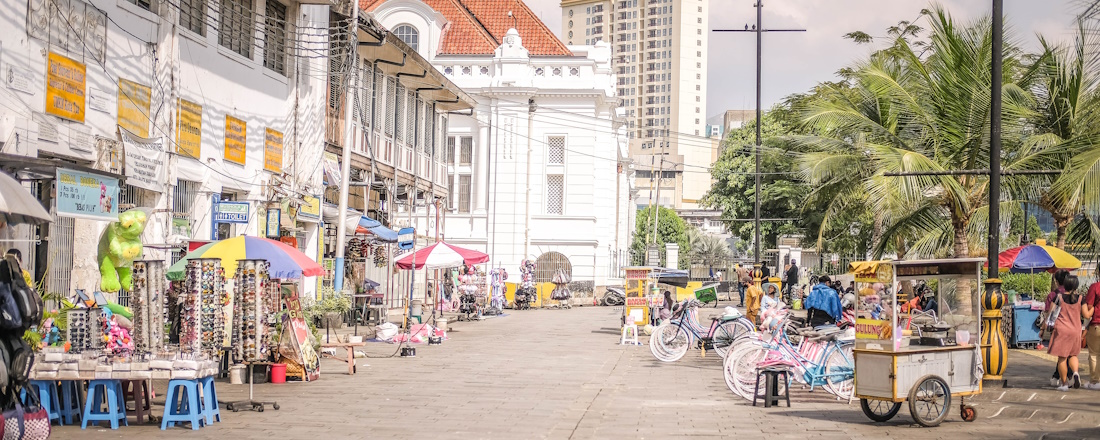
Fatahillah Square sits at the centre of Jakarta's Old Town, Kota Tua. The Jakarta History Museum, the Fine Art and Ceramics Museum, and the Wayang Museum, which showcases traditional puppets, are all here. The square itself is lively with locals and vendors selling their wares.

Taman Mini Indonesia Indah

Taman Mini Indonesia Indah, often frequented by expats, features full-scale traditional pavilions for each of Indonesia’s provinces. Each pavilion displays regional architecture and cultural traditions, so you can travel the archipelago without leaving Jakarta. In the middle is a lake with miniature islands shaped like the archipelago. There are also museums and rides for children to enjoy.

Bogor Botanical Gardens

Bogor Botanical Gardens is a popular escape for a picnic, about 37 miles (60km) south of Jakarta. Founded in 1817, it is the oldest botanical garden in Southeast Asia and covers 210 acres (87 hectares).

The grounds are vast; you can get around on foot, by shuttle bus, or by rented bicycle or golf cart. Gigantic trees hundreds of years old line the paths. There are also cafés on site where you can eat with views over the gardens and a tranquil pond of giant lotus lilies.

Getting Around in Jakarta

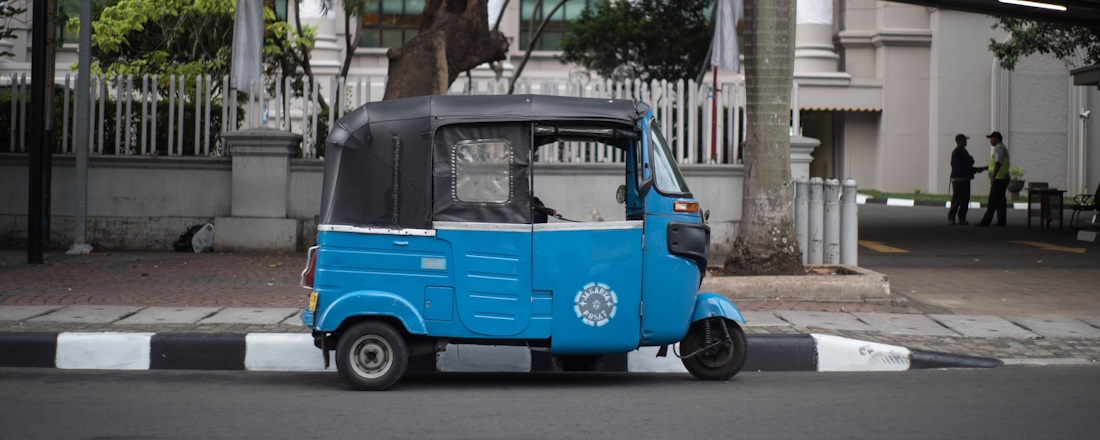
Getting around in Jakarta can be difficult, so expats will need a sense of humour, the ability to plan ahead, and infinite patience. There are various modes of transport available, from luxurious Mercedes taxis with English-speaking drivers to the very basic bajaj, the Indonesian equivalent of a tuk-tuk.

Most wealthy Indonesians and expats employ a full-time driver to take care of their transport needs, but for the average Jakartan, this is a luxury they cannot afford. For most people living and working in Jakarta, buses, rail, ojeks, and bajaj are their only options.

The city’s railway system is being expanded, but the roads remain jammed in the meantime. Whether riding around in a comfortable air-conditioned car or holding on to the back of an ojek, one thing that is guaranteed in Jakarta is traffic congestion. Even the shortest road journeys can take hours, so it is advisable to allow plenty of time to reach your destination.

Transport and Driving in Indonesia


Public transport in Jakarta

Buses

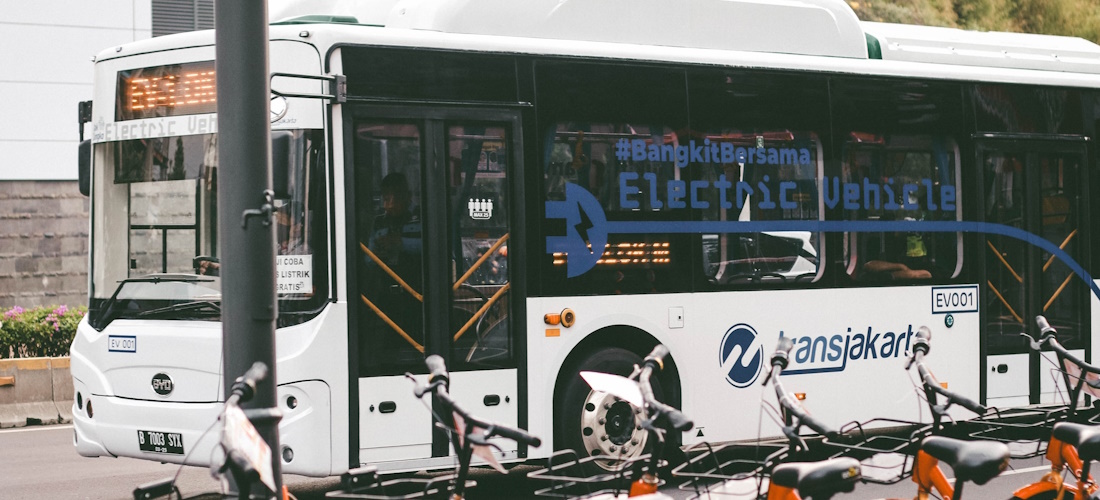
Jakarta is home to a rapid transit system known as TransJakarta Busway. These large, air-conditioned buses have fixed routes throughout Jakarta and its satellite cities. They travel in dedicated lanes, which helps skip some traffic. The busway has several corridors, and passengers may have to make transits between corridors to get from A to B, so it’s worth it to study the route and switches beforehand.

The Jakarta Busway is also integrated with feeder routes that shuttle passengers to the nearest bus shelter. Older privately owned bus services such as Kopaja and MetroMini have largely been replaced by modern Minitrans, Metrotrans, and Mikrotrans buses under the TransJakarta umbrella.

Trains

Trains run from Jakarta to the suburbs and beyond. The trains are busy and often very crowded on the KRL Commuterline, but trains remain the fastest way to travel in and out of Jakarta and avoid the gridlocked roads.

The Whoosh high-speed railway has dramatically cut the journey between Greater Jakarta and Greater Bandung. The high-speed segment takes around 35 minutes, although the full door-to-door journey via feeder trains is closer to 50 minutes. An extension to Surabaya is in the planning stages.

Mass rapid transit (metro rail)

Jakarta MRT has been in operation since 2019. Phase 1 of the north-south Red Line runs 10 miles (16km) between Lebak Bulus and Bundaran HI across 13 stations. An extension northward to Kota is under construction, and an east-west Yellow Line between Cikarang and Balaraja is in the early stages of development.

Fares can be paid with bank-issued contactless e-money cards or via the MyMRTJ app. The JakLingko integrated fare system works across all major Jakarta transit networks.

Light rail

Two light rail transit (LRT) systems operate in the city. Jakarta LRT currently runs between Velodrome and Pegangsaan Dua in North and East Jakarta. An extension south from Velodrome to Manggarai is under construction.

Jabodebek LRT (also known as the Greater Jakarta LRT) connects central Jakarta with Cibubur and Bekasi. A further extension to Bogor is planned.

As with the MRT, these systems accept various cashless payment methods, including bank-issued e-money cards and the JakLingko integrated fare system.

Useful links


Taxis in Jakarta

There are a number of taxi services in Jakarta. Ride-hailing apps such as Grab and Gojek are the most practical options for expats. Drivers are generally competent and speak reasonably good English. They are a safe bet for newcomers to Jakarta and those unfamiliar with the area.

Other local taxi drivers generally don’t speak English and often have only basic knowledge of the city. It is not unheard of for these drivers to get lost and for journeys to take longer than expected because they have to stop to ask for directions.

There are also ojeks, which are motorcycle taxis, and bajaj, which are motorised rickshaws.

Useful links


Driving in Jakarta

Driving in Jakarta is generally not recommended. For most expats who can afford it, a full-time driver is the easiest and most convenient option. The driver’s pay is based on a daily rate, and overtime is added if they work late and on weekends. A good driver is worth every penny, as they will have an excellent knowledge of the city’s roads and know the quickest routes to a given address.

Driver’s licences

Expats who prefer to drive themselves must obtain an Indonesian driver’s licence, known locally as a SIM (Surat Izin Mengemudi). Only holders of a KITAS (temporary stay permit) or KITAP (permanent stay permit) are eligible to apply. Applicants must pass both a theory and a practical driving test after a health check. Applications can be submitted at a SATPAS (police licensing office). Tourists can use an International Driving Permit for up to six months.

Useful links


Cycling in Jakarta

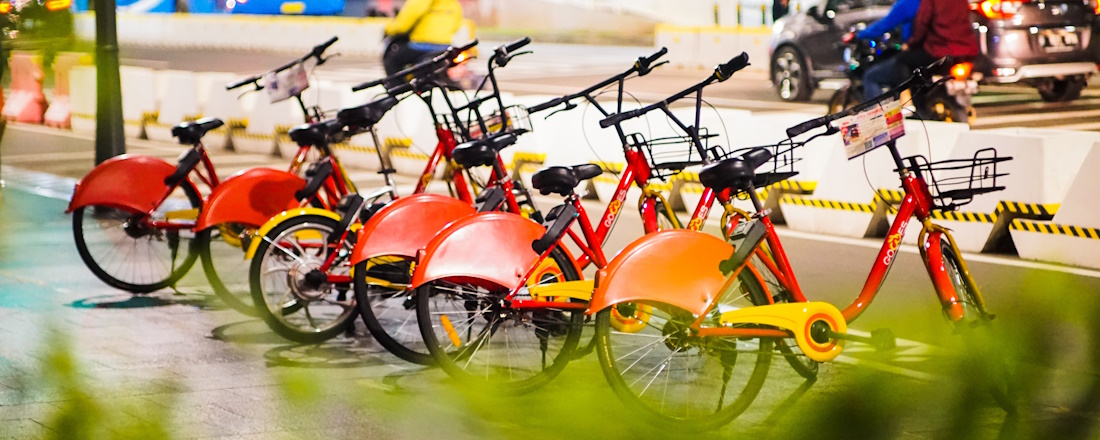
Cycling in Jakarta has not traditionally been advisable, but conditions have slowly improved. Bike lanes and cycle paths have been added along major corridors such as Sudirman and Thamrin, and the network has grown steadily. Cycling surged in popularity during the pandemic, and the infrastructure has started to follow suit.

Useful links


Walking in Jakarta

Walking in Jakarta is a challenge. Oppressive heat and humidity make it unpleasant for all but the shortest distances, and heavy pollution only adds to the discomfort. Pedestrian infrastructure has improved in the city centre, particularly along the Sudirman and Thamrin corridors, and conditions are more tolerable around shopping malls and some expat residential areas. In general, walking in Jakarta is not as pleasurable as it might be in other cities.