
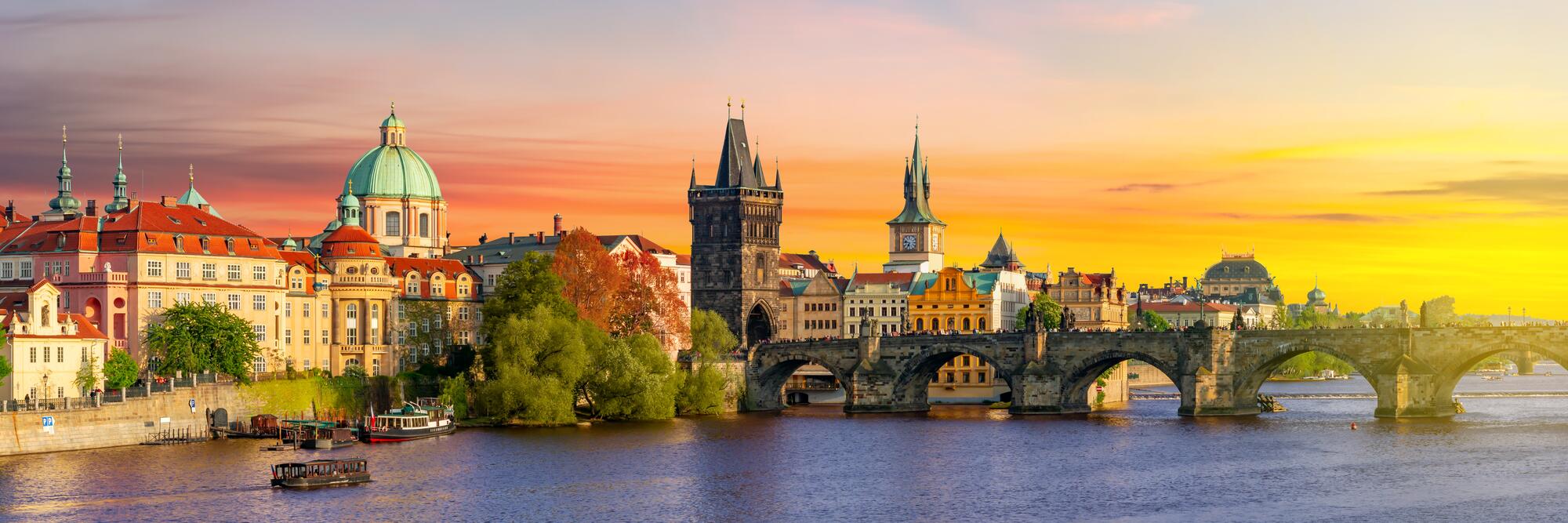
While accommodation in Prague is generally high quality, equally high demand means it can be a struggle to find a place to suit your budget, lifestyle and needs. Rental costs are rising, although you can save money by choosing to live outside the city centre or opting for a house share.
Areas and suburbs in Prague
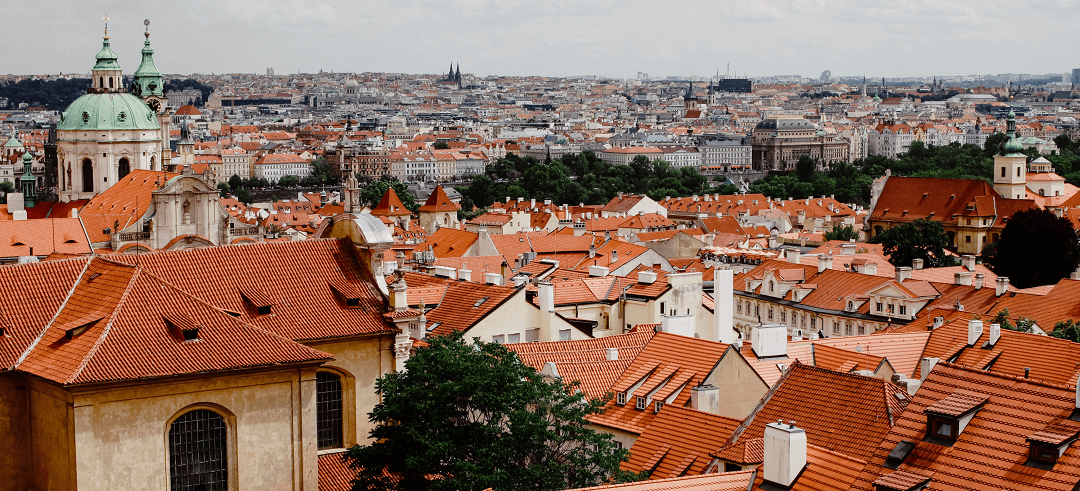
Prague is home to 22 administrative districts that distinguish its different areas and suburbs. Most expats will likely stay within Prague 1 to 10, as these neighbourhoods are closest to the city centre and have easy public transport links.
Vinhorady in Prague 2 is among the most popular expat neighbourhoods in the city, thanks to the proliferation of a large English-speaking community, lively restaurants and Western-style housing. Young and single expats usually favour Prague 1in the city centre, Zizkov in Prague 3 and Holešovice in Prague 7. These areas boast a blend of affordable and mid-range housing alongside trendy cafés and attractions.
With access to international schools and proximity to embassies, Dejvice in Prague 6 is one of the most family-friendly areas in the city. While the neighbourhood is a residential suburb, expats should expect to shell out a little more for a slice of this haven. Also in Prague 6, Bubeneč’s eastern side is filled with beautiful homes on tree-lined streets and Stromovka Park, making it the perfect place for raising a family. Similar to Dejvice, accommodation in this area also comes at a premium.
Expats looking to get away from the hustle and bustle of the city centre but also save money can look to neighbourhoods such as Smíchov in Prague 5 and Vršovice in Prague 10. These areas provide an opportunity to enjoy key lifestyle attractions while also being home to quieter pockets.
Types of accommodation in Prague
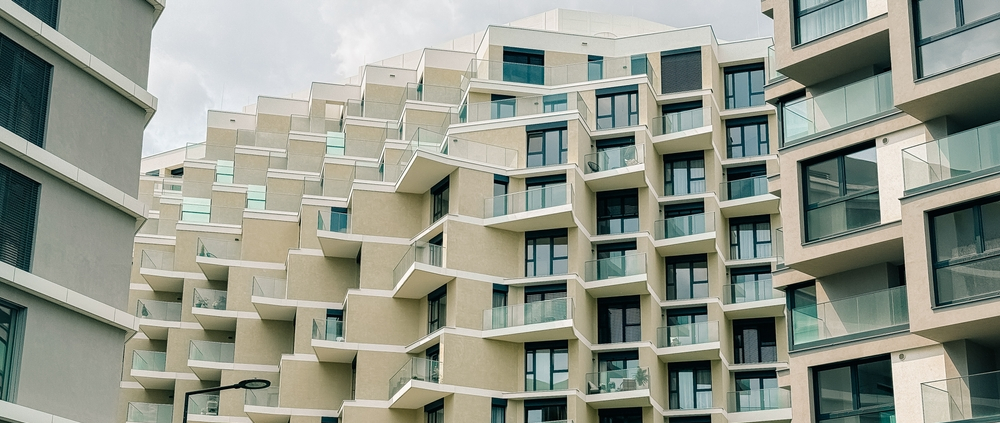
Depending on how much you’re willing to spend, Prague offers everything from sprawling villas to Soviet era apartment blocks. The latter, which are situated in the districts outside the city centre, are generally best avoided as they tend to be in poor condition.
Accommodation can come furnished, semi-furnished, or unfurnished. If you don’t plan on staying in Prague for the long term, you may want to find a home that is already furnished to save on the cost of shipping or buying furniture.
Finding accommodation in Prague
Accommodation can be found online or through a local real estate agent. Properties should be viewed in person and arranged in advance. If it is not possible to travel to Prague before moving there to secure accommodation, the next best option is to initially stay in short-term accommodation while looking for something suitable for the long term.
Websites aimed at the expat market tend to have higher prices than those for locals. Expats with a good grasp of Czech should make use of local websites to find accommodation at lower prices.
Useful links
Renting accommodation in Prague
Making an application
Applications for accommodation can be made by viewing potential properties and submitting various documents to the landlord or estate agent. Requested documents may include the applicant’s passport, visa, proof of employment and bank statements.
Leases
Leases can be for either an indefinite term or a fixed term, such as six months or one year. There are usually two versions of the lease: one in Czech and the other an English translation, but in any legal matter, the lease in Czech will be prioritised. Expats should have a Czech-speaking friend or, preferably, a professional translator look over the two contracts to ensure that the terms in both are the same.
Deposits and fees
When renting accommodation, a deposit equivalent to one or two months’ rent is required. By law, this deposit should be returned to the tenant in full within one month of vacating the property. This is provided that it is left in good condition; if anything is damaged or broken, costs for repair or replacement may be deducted.
To avoid being accused of causing damage that was already there when moving in, expats should take date-stamped pictures of any areas of concern before the start of the lease.
Tenants who find an apartment through an agent will also have to pay a commission fee, usually equal to one month’s rent, once they have found an apartment.
Terminating a lease
A lease can be terminated by the mutual consent of the tenant and landlord, or by either party providing the other with three months’ written notice. If a landlord wishes to initiate an early lease termination, they’re required to give a reason regardless of the type of lease, but tenants ending the lease early only need to give a reason (such as a change of circumstances) if they’re ending a fixed-term lease. Indefinite leases can be terminated by tenants without providing a reason.
See Accommodation in the Czech Republic for detailed information on renting accommodation in the country.
Useful links
Utilities in Prague
Utilities are usually not included in the rental price and must be paid by the tenant, but expats may be able to find rental accommodation that includes utilities. If not, expats should keep this extra expense in mind when drawing up their budget. The lease should specify the various utilities to be paid to the landlord in addition to the cost of rent.
Electricity and gas
Most expats moving to Prague will initially keep the unit’s electricity and gas accounts in their landlord’s name, as electricity and gas suppliers in the city require applicants to be permanent Czech residents or have a guarantor.
For electricity, the bill is sent quarterly, and the gas bill is sent annually. If expats have paid for more than they have used, they will be refunded, and if they have used more, they will need to make additional payments.
Expats who are keen on transferring the electricity and gas bills into their names can contact their provider, usually PRE, CEZ or PP, and fill out the contact form online. New arrivals can also contact the company via phone or visit a local branch with the required documentation.
Water
The Prague Water Supply and Sewage Company manages the water supply and distribution across the city. Water bills in Prague are typically kept in the landlord’s name, and consumption will usually be included in the monthly rental fee.
Landlords can choose between making monthly or quarterly advance payments. Estimated consumption is paid for, with any differences being settled once the bill arrives.
Bins and recycling
Prague municipality’s environmental department is responsible for waste collection and management in the city. The municipality subcontracts collection services to several private companies and typically collects mixed waste. Sorting of waste is encouraged in Prague, and the city has drop-off points for sorted waste such as plastic, cardboard and glass.
Useful links
- Electricity and gas: CEZ, PP, PRE
- Prague Water Supply and Sewage Company