Print
  • Hold down Ctrl key and select the sections you want to print. If using a Mac, hold down the Cmd key.
  • Use Ctrl + A or on Mac, Cmd + A to select all sections (if you are using the Chrome browser).
  • Click "Apply" and the site will customise your print guide in the preview below.
  • Click the "Print" button and a print pop up should appear to print to your printer of choice.

Moving to Prague

Living in Prague as an expat

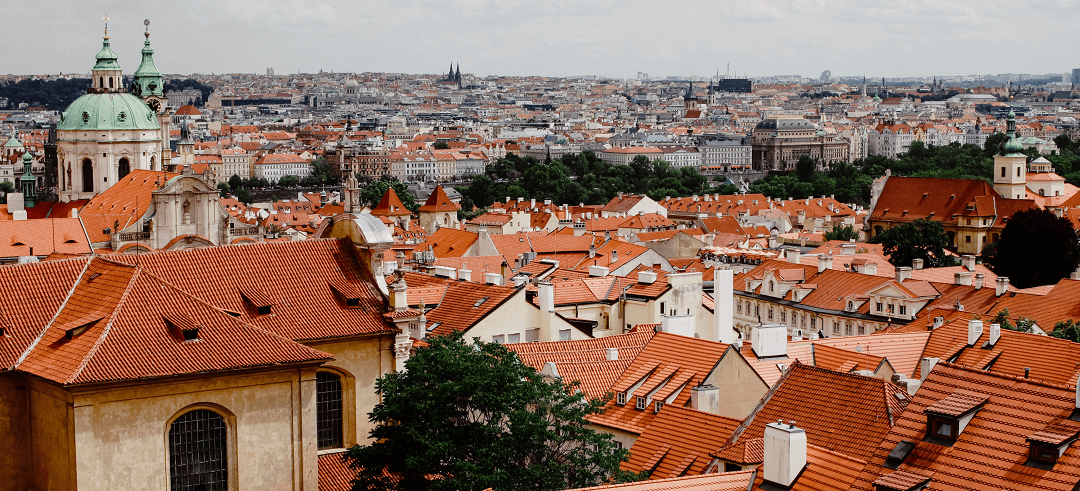
As the capital and largest city in the Czech Republic, Prague offers a rich historic setting against an incredible background of mesmerising cultural offerings. Expats contemplating moving to Prague will find they’re in good company. There are over 1.3 million people living in Prague, with 25 percent of the city’s population being born abroad.

Working in Prague

The city serves as the headquarters for many international companies, and Prague’s service industry plays a vital role in the economy.

The most common sectors for expats to work in include financial services, education, information technology, trade, and hospitality. The job market is fairly competitive, and Prague boasts one of the lowest unemployment rates in Europe.

Finding a Job in Prague 
Doing Business in the Czech Republic

Lifestyle in Prague
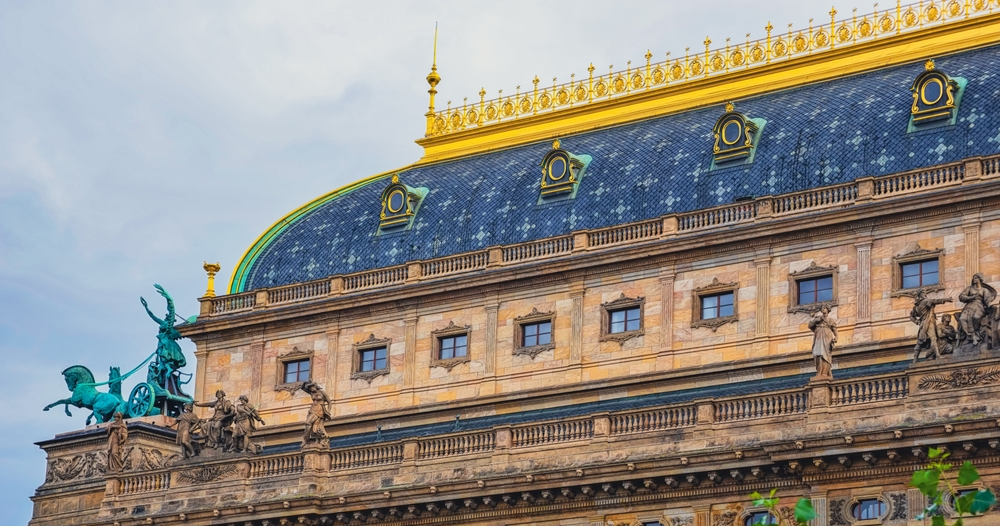
Often referred to as the ‘cultural centre of Europe’, Prague boasts a lifestyle like no other, with many famous attractions, events, and festivals for expats to explore. The city’s historical and cultural offerings are second to none, particularly in Old Town, where gorgeous architecture lines cobblestoned streets.

But be sure to also venture beyond these well-trodden paths to find the true heart of Prague, hidden in cosy backstreet bars and restaurants. Beer lovers will be spoilt for choice in Prague, as beer drinking is taken seriously, making the social scene quite lively.

Shopping, Dining and Outdoor Activities in Prague

Finding accommodation in Prague

Accommodation in Prague is varied, and expats will have plenty of options to suit their needs, lifestyle, and budget. That said, demand is high, particularly in the city centre.

It’s best to leave plenty of time to find a home that suits you – we recommend renting short-term accommodation at first, giving you a few weeks to get to know the city. Viewing properties in person is vital and strengthens your rental application.

Renting Accommodation in Prague

Cost of living in Prague

Although Prague is considered to have a relatively low cost of living, prices are on the rise and are catching up to other European countries. Accommodation, in particular, is becoming as expensive as the rest of Europe, which is largely driven by an influx of foreigners looking to call Prague home. That said, expats will find groceries and transport to be generally cheaper in the Czech capital than elsewhere in Europe.

Cost of Living in Prague

Living in Prague with children

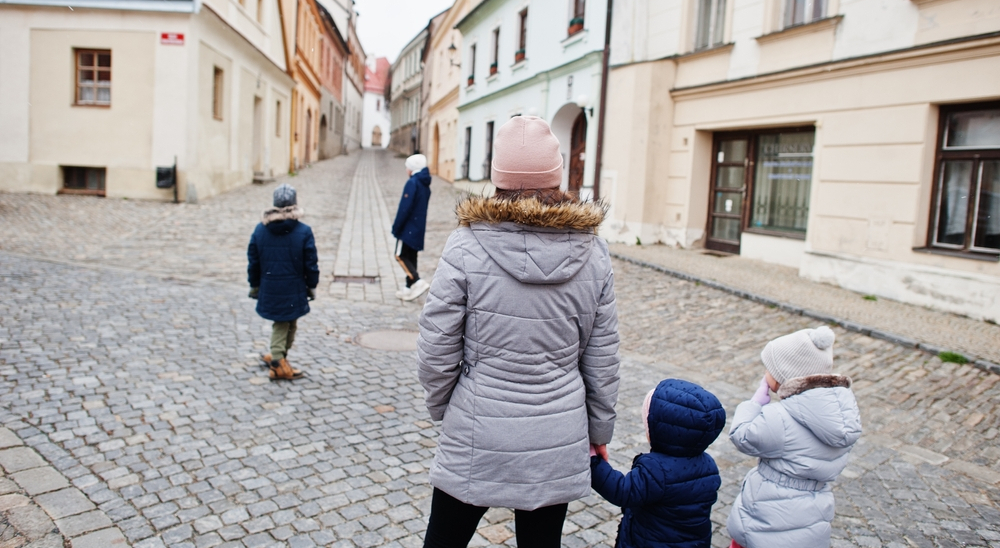
Family on the cobbled streets of the Czech Republic

Prague is a wonderful place to raise a family. There’s a wide variety of weekend activities and events to keep the little ones busy. Prague offers many green spaces, a walkable city centre and family-friendly attractions galore, including the Prague Zoo, Prague Castle and the Museum of Senses.

Expat parents need not worry about the standard of healthcare and schooling, as both are of high quality. Many top-notch hospitals are situated in Prague, and medical care is provided for all who work in the Czech Republic through mandatory contributions.

Best Attractions in Prague 
Healthcare and Hospitals in Prague

Finding a school in Prague

Prague offers a high standard of education in public, private and international schools in the city. While public schooling is available free of charge, the language of instruction at these schools is Czech. For this reason, many expats prefer to send their children to one of the city’s international or bilingual private schools. There is a wide range of these schools in Prague, but they can be expensive, so expats will need to consider the costs involved when choosing a school for their children.

Education and Schools in Prague

Getting around in Prague

The transport system in Prague is comprehensive and reliable, so expats will have no problem getting around the city. What’s more, should expats want to explore more of Europe, it’s easy to hop over to neighbouring countries like Germany and Austria.

Driving tends to be more of a hassle than a convenience here, although families and those wishing to explore the country beyond Prague may wish to invest in a car.

Public Transport and Driving in Prague

Climate and weather in Prague

Prague has a moderately continental climate, with cold winters and relatively warm summers. Expats will discover the colder months to be harsh at times, with temperatures often below freezing. As the city warms up, however, expats can spend plenty of time outdoors at one of the city’s many parks.

Expats who try to learn the language will find the locals welcoming and helpful, and also enjoy an easier integration into the city. With so much on offer, those moving to Prague are sure to enjoy their stay in this unique and historical city.

Working in Prague

Working in Prague is ideal for expats looking to advance their careers, thanks to the Czech Republic’s central position in Europe and stable economy. The high standard of living for a relatively low cost doesn’t hurt either.

For EU citizens, it’s easy to live and work in Prague as they don’t require a work permit. Non-EU citizens, on the other hand, do need a work permit to gain employment in the city.


Job market in Prague

Some main industries in Prague are manufacturing, IT, pharmaceuticals, chemicals, and tourism. Although Prague’s industrial sector is thriving, new arrivals will have to compete with the highly educated local labour force for jobs.

Expats often find jobs in the financial services, education, information technology, trade and hospitality sectors. Teaching English and customer service roles are also popular among expats.

It may also be worthwhile to look into multinational companies that have set up shop in Prague. As the Czech Republic becomes more popular for foreign business investment, expats may be able to find a job in one of these companies.


Finding a job in Prague

Finding a job in Prague

With a highly educated and skilled workforce, competition for top jobs in Prague may be fierce. Nevertheless, expats with the right credentials and experience will find opportunities in the country. We recommend that expats secure employment before moving to Prague.

Job opportunities can be found through online job portals or by directly contacting a local recruitment agency. Otherwise, employment opportunities may be found by looking for postings on the websites of specific multinational companies.

Useful links


Work culture in Prague

How people conduct themselves during business proceedings in Prague can have a great impact on how fellow business associates perceive them. Expats should take some time to understand common business practices and etiquette in Prague to become familiar with their corporate culture.

Expats may initially perceive the reserved Czech manner as cold and impersonal, but Czechs are actually warm and hospitable people. They are generally private people until you get to know them on a more personal level, although it could take many meetings to reach this stage.

Although the group’s opinion may be heeded, traditional business structures in Prague are hierarchical, and decisions are made from the top down. Expats from more egalitarian societies may initially struggle with this aspect of working in Prague. This structure tends to be less prevalent in multinational companies, however.

Networking is highly important in Prague, and it is essential to build and maintain relationships. Business may be conducted slowly, with initial meetings scheduled to get to know each other and ascertain the trustworthiness of associates before a deal can be made. Expats must therefore exercise patience.

Family is valued highly in Czech culture. Family ties are deeply rooted, and family time is important. As such, it is unlikely that work commitments will extend over weekends or public holidays.

Business Culture in the Czech Republic

Cost of living in Prague

The cost of living in Prague is relatively high compared to other Czech cities, although it is more affordable than many major Western European capitals. As a city that ranks highest among Central and Eastern European urban centres for living expenses, prices for goods and services continue to rise, gradually aligning with other European cities.


Cost of accommodation in Prague

Prague is an attractive city for business, and as foreign companies relocate to the city and demand for accommodation increases, so do the costs.

Accommodation in Prague is available at various price points, from expensive serviced and furnished apartments to more affordable unfurnished options. You can decrease these costs by living in one of the city’s outlying districts, like Prague 4 or Prague 6, and choosing to live in an apartment instead of a house or villa.

Over and above rental prices, you should budget for the initial security deposit (legally capped at three times the monthly rent) and utility costs. Utilities in the country are generally paid annually or quarterly, so you must make an advance payment, which will be refunded if you use less than you initially paid for.

Renting Accommodation in Prague


Cost of transport in Prague

Prague’s public transport networks are consistently rated among Europe’s best, offering efficient and inexpensive travel options. The network offers discounted passes for various categories of passengers, such as students, senior citizens, and children.

You can benefit from purchasing long-term passes like monthly, quarterly or annual passes, which provide unlimited travel on the metro, trams, and buses at a lower cost per trip. With the Lítačka card or its mobile app version, you can conveniently manage your public transport passes and take advantage of available discounts.

While taxis can be expensive, the metro, tram, and bus services are cheap. The city centre is highly walkable, and you’ll likely only resort to public transport outside Prague 1. Cycling is also an option, although bike infrastructure develops slowly, with bike lanes incorporated into many of the pavements.

Transport and Driving in Prague


Cost of groceries in Prague

Groceries in Prague are exceptionally affordable, and you can make significant savings by buying local produce and preparing meals at home. Grocery prices in Prague are lower than in many Western cities, with a wide range of fresh fruits, vegetables, and other food items available at local markets and supermarkets.

When shopping for affordable groceries in Prague, you can visit popular local markets to find fresh produce and reasonably priced food items.

Discount supermarkets like Lidl, Penny Market and Kaufland offer a wide range of products at lower prices than other supermarkets, making them excellent options for budget-conscious shoppers. For speciality items or international products, you can check out shops like Tesco, Billa, and Albert.


Cost of entertainment and eating out in Prague

While eating out can cost just as much in Prague as in the rest of Europe, you can save money by going to the cheaper local restaurants, as opposed to those with an English menu that cater for tourists. Tourist-oriented venues often charge up to 50 percent more for similar dishes. Food carts and fast food restaurants also serve good food at a fraction of the price.

When it comes to entertainment in Prague, there is a wide range of options to suit various budgets. The city has a lively nightlife scene, with bars and clubs offering entertainment at different price points.

Prague offers numerous cultural events, museums, galleries and historic sites, many of which are free or have relatively low entrance fees. Various cultural venues offer free or discounted admission on national holidays. To make the most of your leisure time, you can also seek out seasonal activities like Christmas markets and outdoor concerts or try outdoor recreational options, including hiking in nearby natural areas.

Lifestyle in Prague


Cost of education and schools in Prague

Although public schools in Prague are free for all residents, including expats, most teach in Czech. This may not be a viable option unless you plan to stay for the long term. That said, a few schools in Prague have programmes for bilingual or foreign language students.

Public schools in Prague follow the Czech national curriculum, while private bilingual schools typically combine the Czech curriculum with English teaching elements.

Although private bilingual schools cost a fair amount, they are much cheaper than the international schools in the city. These schools usually offer globally recognised curricula like the International Baccalaureate, American or British curricula, providing a completely international education that eases the transition for expat students.

Education and Schools in Prague


Cost of healthcare in Prague

The cost of healthcare in Prague can vary significantly depending on your choice of public or private facilities and the services required. As the capital city of the Czech Republic, Prague offers a sophisticated public healthcare system funded through mandatory health insurance contributions, ensuring all legal residents, including expats, have access to basic medical services.

Generally, public healthcare costs in Prague are reasonable, but you may encounter language barriers and lengthy waiting times for certain procedures. The public healthcare system may not cover some services, requiring additional private insurance coverage. These include elective surgeries, dental care beyond basic treatments, prescription medications and private hospital rooms. To address these challenges, many expats in Prague opt for private healthcare facilities, which typically provide shorter waiting times and English-speaking staff.

Healthcare in Prague


Cost of living in Prague chart

Prices may vary depending on the product and service provider. The list below shows average prices in Czech korunas (CZK) for Prague in April 2026.

Accommodation (monthly rent)
Three-bedroom apartment in the city centreCZK 52,000
Three-bedroom apartment outside the city centreCZK 35,000
One-bedroom apartment in the city centreCZK 26,000
One-bedroom apartment outside the city centreCZK 22,000
Food and drink
Dozen eggsCZK 80
Milk (1 litre)CZK 28
Rice (1kg)CZK 55
Loaf of white breadCZK 35
Chicken breasts (1kg)CZK 200
Cheese (500g)CZK 130
Eating out
Three-course meal for two at a mid-range restaurantCZK 1,200
Big Mac MealCZK 220
Coca-Cola (330ml)CZK 40
CappuccinoCZK 85
Draft beer (local)CZK 60
Utilities/household
Mobile phone (monthly plan with calls and data)CZK 650
Internet (uncapped ADSL or cable – average per month)CZK 530
Basic utilities (average per month for a standard household)CZK 7,300
Transportation
Taxi rate/kmCZK 35
City-centre public transport fare (one way)CZK 39
Gasoline/petrol (per litre)CZK 37

Accommodation in Prague

While accommodation in Prague is generally high quality, equally high demand means it can be a struggle to find a place to suit your budget, lifestyle and needs. Rental costs are rising, although you can save money by choosing to live outside the city centre or opting for a house share.


Areas and suburbs in Prague

Prague by Helga Pettersen

Prague is home to 22 administrative districts that distinguish its different areas and suburbs. Most expats will likely stay within Prague 1 to 10, as these neighbourhoods are closest to the city centre and have easy public transport links.

Vinhorady in Prague 2 is among the most popular expat neighbourhoods in the city, thanks to the proliferation of a large English-speaking community, lively restaurants and Western-style housing. Young and single expats usually favour Prague 1in the city centre, Zizkov in Prague 3 and Holešovice in Prague 7. These areas boast a blend of affordable and mid-range housing alongside trendy cafés and attractions.

With access to international schools and proximity to embassies, Dejvice in Prague 6 is one of the most family-friendly areas in the city. While the neighbourhood is a residential suburb, expats should expect to shell out a little more for a slice of this haven. Also in Prague 6, Bubeneč’s eastern side is filled with beautiful homes on tree-lined streets and Stromovka Park, making it the perfect place for raising a family. Similar to Dejvice, accommodation in this area also comes at a premium.

Expats looking to get away from the hustle and bustle of the city centre but also save money can look to neighbourhoods such as Smíchov in Prague 5 and Vršovice in Prague 10. These areas provide an opportunity to enjoy key lifestyle attractions while also being home to quieter pockets.


Types of accommodation in Prague

Apartment blocks in Prague

Depending on how much you’re willing to spend, Prague offers everything from sprawling villas to Soviet era apartment blocks. The latter, which are situated in the districts outside the city centre, are generally best avoided as they tend to be in poor condition.

Accommodation can come furnished, semi-furnished, or unfurnished. If you don’t plan on staying in Prague for the long term, you may want to find a home that is already furnished to save on the cost of shipping or buying furniture.


Finding accommodation in Prague

Searching online property portals

Accommodation can be found online or through a local real estate agent. Properties should be viewed in person and arranged in advance. If it is not possible to travel to Prague before moving there to secure accommodation, the next best option is to initially stay in short-term accommodation while looking for something suitable for the long term.

Websites aimed at the expat market tend to have higher prices than those for locals. Expats with a good grasp of Czech should make use of local websites to find accommodation at lower prices.

Useful links


Renting accommodation in Prague

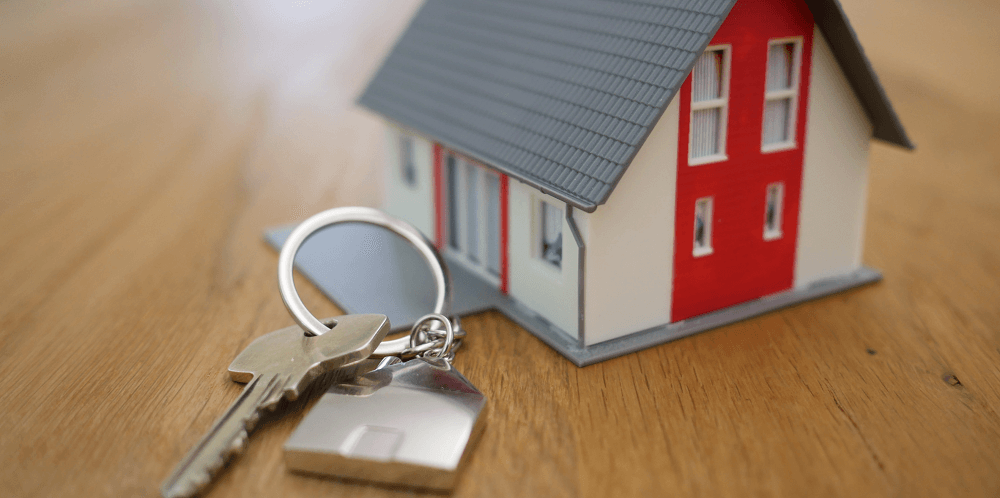
Miniature house with keys by Tierra Mallorca

Making an application

Applications for accommodation can be made by viewing potential properties and submitting various documents to the landlord or estate agent. Requested documents may include the applicant’s passport, visa, proof of employment and bank statements.

Leases

Leases can be for either an indefinite term or a fixed term, such as six months or one year. There are usually two versions of the lease: one in Czech and the other an English translation, but in any legal matter, the lease in Czech will be prioritised. Expats should have a Czech-speaking friend or, preferably, a professional translator look over the two contracts to ensure that the terms in both are the same.

Deposits and fees

When renting accommodation, a deposit equivalent to one or two months’ rent is required. By law, this deposit should be returned to the tenant in full within one month of vacating the property. This is provided that it is left in good condition; if anything is damaged or broken, costs for repair or replacement may be deducted.

To avoid being accused of causing damage that was already there when moving in, expats should take date-stamped pictures of any areas of concern before the start of the lease.

Tenants who find an apartment through an agent will also have to pay a commission fee, usually equal to one month’s rent, once they have found an apartment.

Terminating a lease

A lease can be terminated by the mutual consent of the tenant and landlord, or by either party providing the other with three months’ written notice. If a landlord wishes to initiate an early lease termination, they’re required to give a reason regardless of the type of lease, but tenants ending the lease early only need to give a reason (such as a change of circumstances) if they’re ending a fixed-term lease. Indefinite leases can be terminated by tenants without providing a reason.

See Accommodation in the Czech Republic for detailed information on renting accommodation in the country.

Useful links


Utilities in Prague

Household utilities

Utilities are usually not included in the rental price and must be paid by the tenant, but expats may be able to find rental accommodation that includes utilities. If not, expats should keep this extra expense in mind when drawing up their budget. The lease should specify the various utilities to be paid to the landlord in addition to the cost of rent.

Electricity and gas

Most expats moving to Prague will initially keep the unit’s electricity and gas accounts in their landlord’s name, as electricity and gas suppliers in the city require applicants to be permanent Czech residents or have a guarantor.

For electricity, the bill is sent quarterly, and the gas bill is sent annually. If expats have paid for more than they have used, they will be refunded, and if they have used more, they will need to make additional payments.

Expats who are keen on transferring the electricity and gas bills into their names can contact their provider, usually PRE, CEZ or PP, and fill out the contact form online. New arrivals can also contact the company via phone or visit a local branch with the required documentation.

Water

The Prague Water Supply and Sewage Company manages the water supply and distribution across the city. Water bills in Prague are typically kept in the landlord’s name, and consumption will usually be included in the monthly rental fee.

Landlords can choose between making monthly or quarterly advance payments. Estimated consumption is paid for, with any differences being settled once the bill arrives.

Bins and recycling

Prague municipality’s environmental department is responsible for waste collection and management in the city. The municipality subcontracts collection services to several private companies and typically collects mixed waste. Sorting of waste is encouraged in Prague, and the city has drop-off points for sorted waste such as plastic, cardboard and glass.

Useful links

Healthcare in Prague

The standard of healthcare in Prague is high – in fact, the Czech Republic’s healthcare scheme has been praised as one of the best in the EU. The affordability and quality of medical treatment in the country have even made the Czech Republic a popular destination for medical tourism in Europe.

It’s compulsory to have health insurance in the Czech Republic, whether through a public or private provider. Czech citizens, residents, and anyone working for a Czech employer are automatically insured under the country’s public healthcare system and pay monthly contributions.

Although public healthcare in Prague is excellent and heavily subsidised, patients might experience long waiting periods before receiving treatment. On the other hand, private facilities may be better suited to treating expats, as they have a higher proportion of English-speaking staff and a more service-oriented approach to medical care.

Read Healthcare in the Czech Republic to learn more about the national healthcare system.

Below is a list of recommended hospitals in Prague.


Hospitals in Prague

University Military Hospital Prague

Website: www.uvn.cz 
Address: U Vojenské nemocnice 1200, 169 02 Praha 6

Unicare Medical Center

Website: www.unicare.cz 
Address: Na Dlouhém lánu 11, 160 00 Praha 6

Na Homolce Hospital

Website: www.homolka.cz 
Address: Roentgenova 37, 150 00 Praha 5

Education and schools in Prague

The standard of education and schools in Prague is generally high, and expat children can attend public school at no cost. But since the language of instruction in public schools is Czech, many expat parents choose to enrol their children in private or international schools instead. Tuition can be pricey, though, so it’s important to weigh up the options.


Public schools in Prague

Classes in public schools are taught entirely in Czech. Some expat parents are discouraged by this, but there are advantages to expat children being taught in Czech. Mainly, it’s a good way for them to learn the language and subsequently integrate into the culture and make local friends.

There are three main stages in the Czech Republic’s education system: preschool (ages two to six), elementary school (ages six to 15), and secondary school (ages 15 to 18 or 19). Education is compulsory from age five, which is the final year of preschool, until age 15 or 16, the end of elementary school. Compulsory years of education are fully funded by the government. After elementary school, most students continue to secondary school, where they can choose to pursue academic, technical, or vocational streams.

It is always a good idea for parents to visit schools of interest before enrolling their children. This can be done on official open days or may be arranged by request. Conditions in public schools may vary widely, and some are more amenable to and better equipped to host international students than others.

For details about the structure of the public education system, see Education and Schools in the Czech Republic.


Private schools in Prague

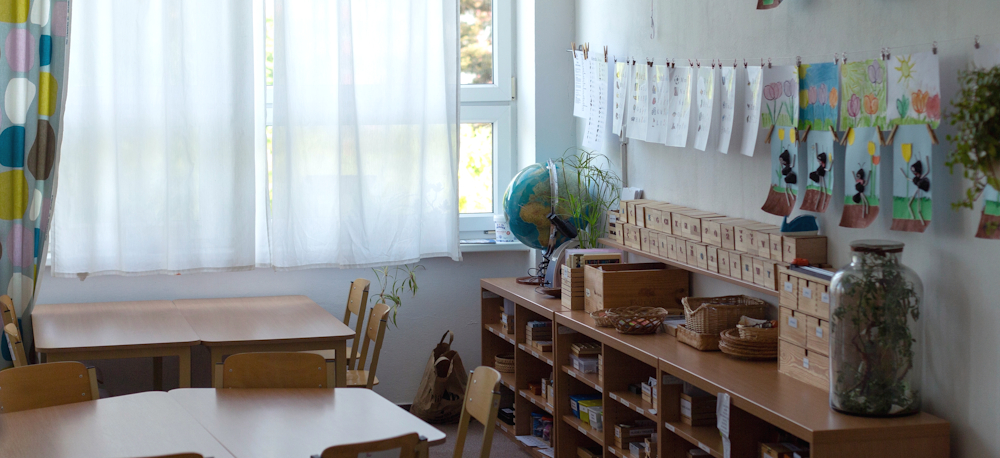
Montessori school by Alena Lom via Shutterstock

Private schools in Prague are partly funded by the state and partly by tuition, and they teach the Czech Republic’s national curriculum. Some use alternative teaching methodologies, such as Montessori, or teach through a religious lens.

There are also bilingual private schools in Prague that teach in both Czech and English, or sometimes Czech and German. Expat parents who can’t quite fit international school fees into their budget but are still concerned about their children having difficulties with the Czech language may find these schools to be an ideal solution.


International schools in Prague

Prague has a good selection of international schools available, with around 25 to choose from. Most schools teach curricula such as those of the US, the UK (including Cambridge IGCSE and A-Levels) and the International Baccalaureate. English is the most common language of instruction, but there are also schools teaching the national curricula of France or Germany in the associated language.

International schools are perhaps most useful for expats planning to reside in Prague for a relatively short period of time. The continuity in curriculum and language minimises disruption in the child’s education.

One caveat to bear in mind is that international schools can be expensive, so if you’re moving to Prague for work, it’s worth negotiating for school fees as part of the relocation contract.

International schools can vary widely in ethos, curriculum, quality and size. Space tends to be limited, so it’s best to start the application process as soon as possible.


Special educational needs in Prague

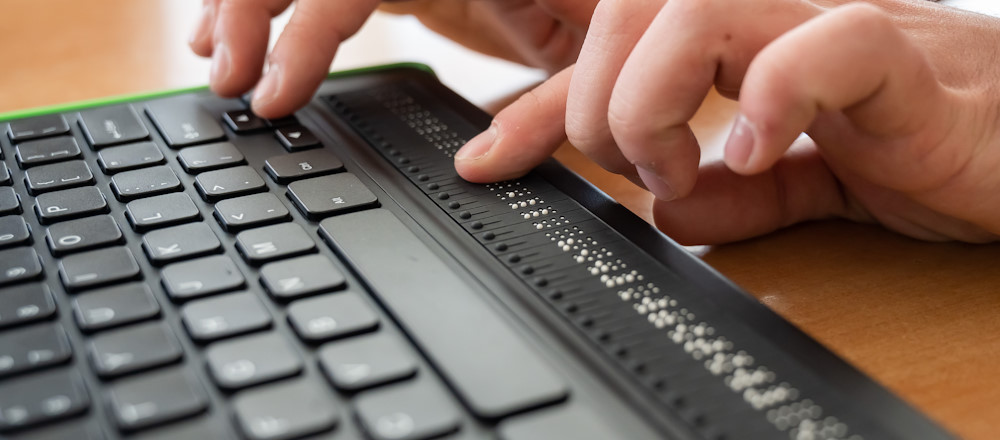
Braille keyboard

The Czech government is working towards a goal of full integration of children with special needs into mainstream schools. In theory, all schools should have the facilities, staff, and support provisions required to assist children with special needs. In practice, implementation can be a bit uneven and not all schools are adequately equipped.

School counsellors are generally the first port of call in obtaining assistance for special needs, although language needs should also be communicated to the school’s principal directly.

If your family prefers a more specialised education environment, special needs schools are another option. Some parents and children find that these schools can better meet their needs. The decision of whether to opt for a special or mainstream school is left up to the family, although specialists can provide recommendations and advice.


Tutors in Prague

Tutors are extremely helpful in assisting expat children to adjust to their new school and curriculum, as well as the language of instruction, if different from home. Both Czech and English tutors are widely available, as are tutors for other subjects, such as maths, and they can provide school support where required.

There are websites and tutor companies that advertise at-home or online private tutoring services. There are also many language schools in Prague that assist expats and expat children to learn Czech.

See and do in Prague

Expats will find that Prague is packed full of things to do on their days off. Whether it’s exploring the Old Town, getting a taste of true Prague tradition or spending a sunny afternoon surrounded by nature, new arrivals to the city will not struggle to find an attraction that suits their taste and budget. Here are our picks for the best things to see and do in Prague.


Attractions in Prague

Prague Astronomical Clock

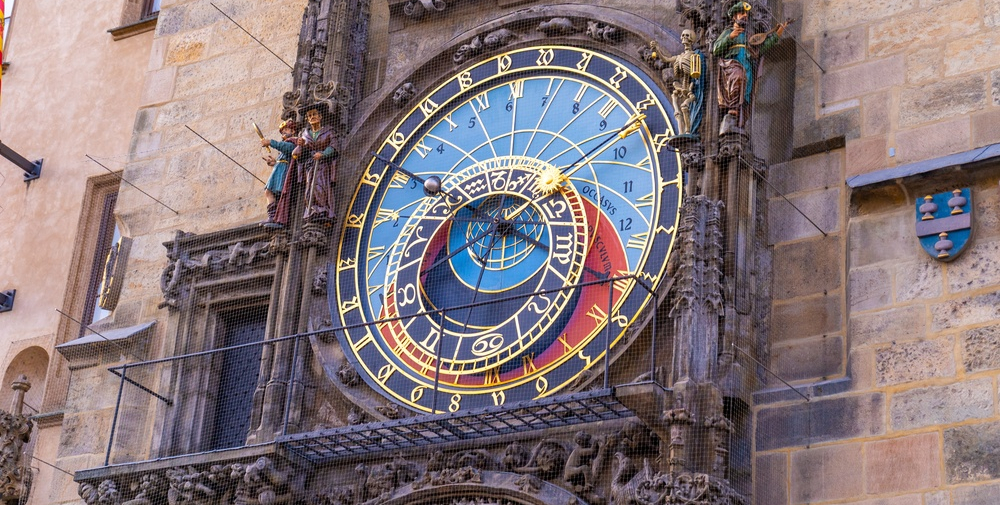
Prague Astronomical Clock

This complex medieval-era clock adorns the southern wall of Prague’s Old Town Hall. It dates back to 1410 and is the world’s oldest working astronomical clock. Local folklore holds that the clock’s condition is tied to the city’s good fortune and should always be kept in good repair to ensure Prague’s continued prosperity.

Prague Castle

Built in the 9th century, Prague Castle is the largest coherent castle complex in the world. Since its construction, it has been the seat of power for kings of Bohemia, Roman emperors, and Czech presidents. Visitors can explore the Old Royal Palace, St George’s Basilica, Golden Lane, St Vitus Cathedral, the Great South Tower of the Cathedral, as well as the palace gardens and moat on guided tours.

Charles Bridge

Charles Bridge is a medieval stone arch bridge that crosses the Vltava River and connects the Old Town and Lesser Town, also known as Malá Strana. Construction of the bridge began in 1357 and was completed in the early 15th century. As one of Prague’s most popular attractions and arguably one of the most picturesque Gothic bridges in the world, Charles Bridge is a must-see.

Petřín Gardens

Expats wanting to spend a peaceful afternoon in nature needn’t look further than Petřín Gardens. Secluded gardens and winding pathways lead up to the summit of Petřín Hill, where expats can enjoy panoramic views of the city from Petřín Tower, built as a lookout tower in 1891, which resembles France’s Eiffel Tower. Those not wanting to walk up the steep slopes of the hill can take the funicular to the foot of the tower. The park also boasts the Štefánik Observatory with its astronomy exhibition, as well as the Strahov Monastery, which houses an ornate library and a centuries-old brewery.

Getting around in Prague

With many different options for getting around in Prague, expats can rest assured that they can get wherever they need to go in the city with relative ease. While it’s easy to navigate the city centre on foot, expats wanting to venture further than Prague 1 can make use of the city’s world-class public transport system.


Public transport in Prague

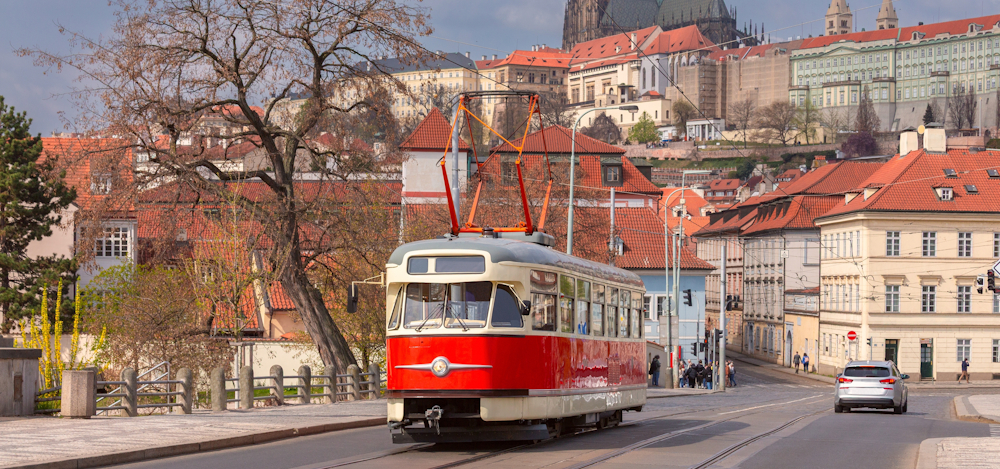
Prague tram by Wirestock Creators via Shutterstock

When travelling around Prague, expats will have the metro, tram, and buses at their disposal. All three are run by Prague Integrated Transit (PID) and Prague Public Transit Company (DPP). Using the network is affordable, efficient and will get expats where they need to go in no time.

The Lítačka smartcard is the most convenient way to pay for travel, but tickets can also be purchased individually without the need for a card. As the metro, tram, and bus systems are integrated, the same ticket can be used for any of them, and for transfers between them.

Metro

The metro is the fastest way to get around the city and will get expats where they need to go in a matter of minutes. It has three lines: A (green), B (yellow) and C (red), and travels around the city centre and to outlying suburbs.

Metro trains arrive every two to four minutes during peak hours, and every five to 10 minutes during off-peak hours. Operating hours are from 5am to midnight daily.

Tram

The Prague tram network has 35 standard lines that run throughout the entire city. It runs 24 hours a day.

Of the 35 lines, 26 are daytime trams, which run from 5am to midnight daily. They arrive every eight minutes during peak hours and every 10 to 20 minutes during off-peak times. The two busiest routes are twice as frequent, with trams arriving every four minutes during peak times and every five to ten minutes in off-peak hours.

The remaining nine lines are night trams, which cover the hours between midnight and 5am. Departures are every 30 minutes.

Bus

Bus service connects the outlying districts and the neighbourhoods between the centre and these districts. There are both urban and suburban buses serving Prague and its surroundings. Although the bus network is generally reliable, it is slower than the tram and metro, and buses can be delayed by traffic. That said, buses remain a useful means of transport for those living further afield as they connect to nearby metro stations. Here, travellers can hop right onto the metro network, provided their ticket is still valid.

The bus service runs 24 hours a day, with standard buses between 5am and midnight. Peak hour arrivals are between 10 and 20 minutes (or six to eight minutes on the most popular routes), with off-peak hours seeing buses arrive every 15 to 30 minutes.

After midnight, the night service takes over until normal service resumes at 5am. Night buses only run on specific routes and come around every 30 minutes.

Useful links


Taxis in Prague

Taxis are one of the pricier modes of transport in the city, but they’re a quick way to get around outside of rush hours or at night when the tram and bus schedules are limited.

It’s best to order a taxi directly rather than hail one off the street. Ensure the taxi driver turns on the meter at the start of the ride and ask for a receipt once payment has been made.

Uber is also available in Prague and is often cheaper than the local taxi companies. Uber is also helpful in avoiding translation problems.

Useful links


Driving in Prague

Traffic and driving in Prague

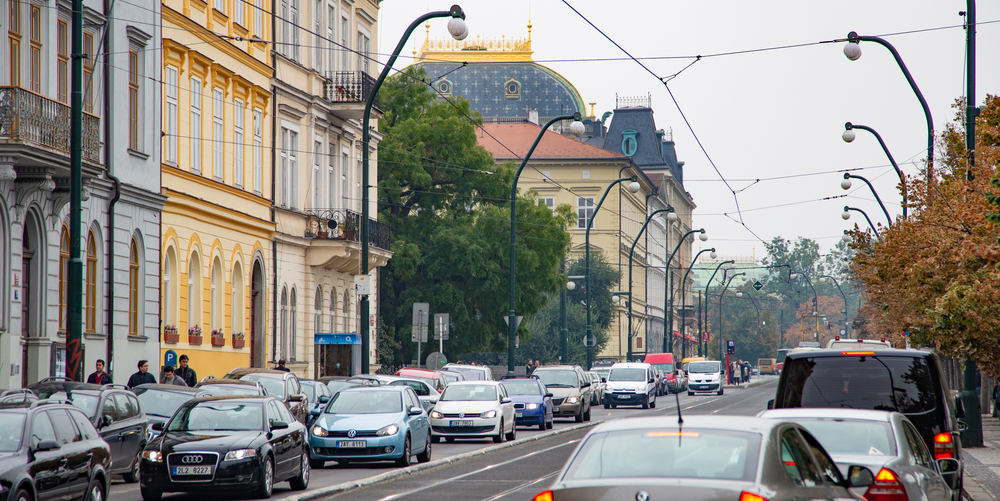
With a range of public transport options available at a reasonable price, many feel that owning a car in Prague is more hassle than it’s worth. While it may be useful to have a car for day and weekend trips out of the city, it’s quite unnecessary in the city itself. Nightmarish traffic during rush hours, a shortage of parking, and a city centre populated with one-way streets are just three of the reasons to ditch the car and use public transport to get around Prague.

Expats should watch out for pedestrians on the streets, as they always have the right of way, even if the traffic light is green. All car lights must be on while driving, and expats must keep an officially recognised first aid kit in their car at all times.

Driver’s licences

Those who do wish to drive in Prague should keep in mind that their foreign licence may not be valid in Prague for longer than three months, after which they’ll need an International Driving Permit or a Czech licence.

Transport and Driving in the Czech Republic

Useful links


Cycling in Prague

Although cycling is not a popular mode of transport among locals, expats will find that there are cycling lanes incorporated into many of the pavements in the city. It’s also possible to cycle in most of the pedestrian zones in the centre.

The city is fairly hilly, and since Prague’s public transport is efficient and affordable, cycling isn’t as popular here as in some other European capitals. Still, the number of cyclists in the city is rising.

Bikes can be taken on board on some types of public transport, although there are restrictions on when and where.

Useful links


Walking in Prague

Walking is one of the preferred ways to get around the city centre for locals and expats alike. Weather and time permitting, expats should invest in a pair of sturdy shoes, as the cobbles can cause feet to ache after a while. There is no better way to see the sights and take in some fresh air than on foot.