
When moving to a new country, mixed emotions such as excitement and nervousness are natural, and even seasoned expats may struggle with the decision of a particular move. In these situations, it can be helpful to learn about the specific quirks and characteristics of living in a particular place.
Every country has its positives and negatives, and the Czech Republic is no exception. Below is a list of some of the pros and cons of moving to the Czech Republic.
Accommodation in the Czech Republic
+ PRO: Good value for money
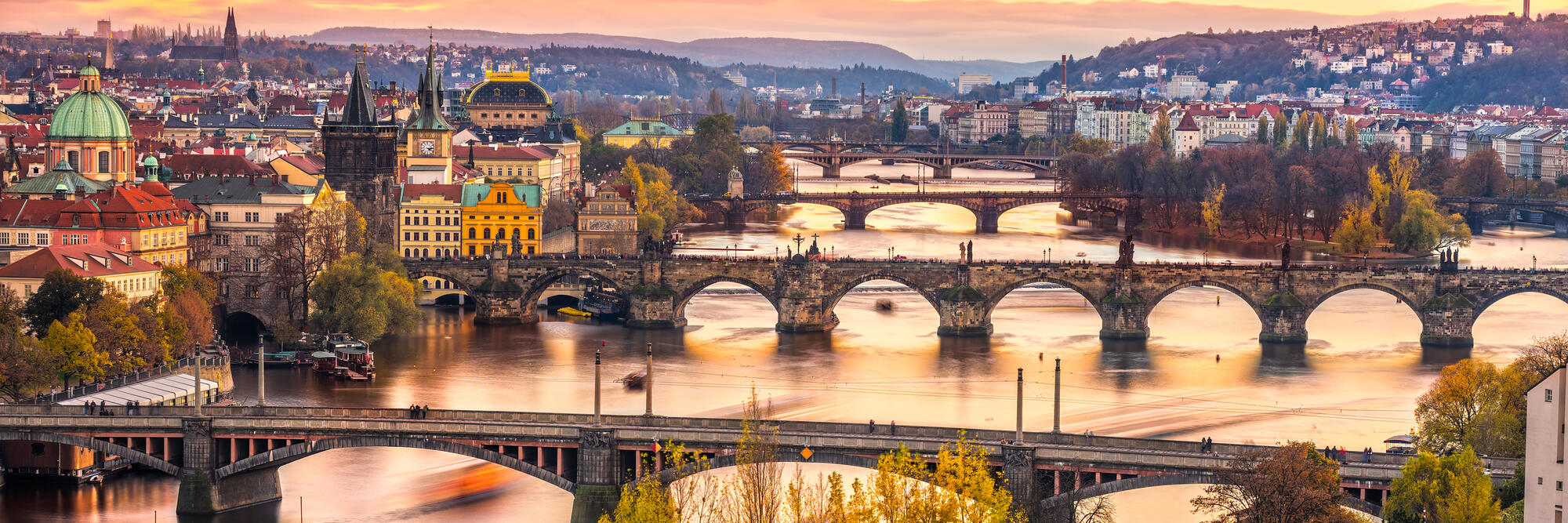
Accommodation in Prague is priced similarly to other major European cities. The rest of the Czech Republic is far cheaper than the capital, so expats can find accommodation at much lower rates elsewhere.
Living in Prague also means being at the centre of a rich and diverse culture with easily accessible attractions such as museums and historical sites. So no matter where in the Czech Republic an expat lives, they’ll find it’s excellent value for money.
- CON: Foreign-aimed accommodation tends to be pricier
Housing specifically advertised to foreigners is typically pricier than homes aimed at locals. Bargains can be found, but many of the websites that advertise them are usually in Czech.
Renting Accommodation in the Czech Republic
Lifestyle in the Czech Republic
+ PRO: Thriving social scene and lots of outdoor activities
Due to the influx of tourists and expats, the social scene in the Czech Republic is diverse. In Prague, expats will find a wide variety of restaurants, bars and clubs to choose from.
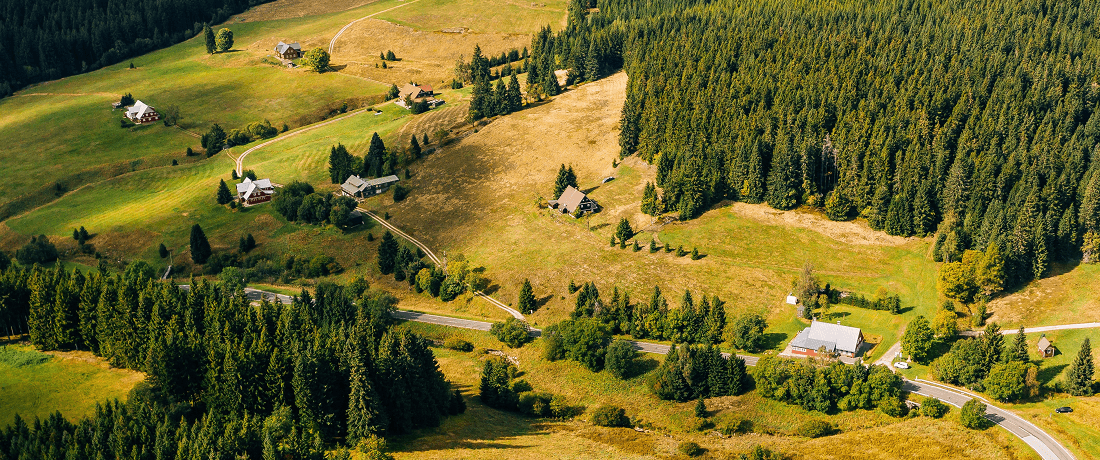
For the more nature-loving types, the country is bordered by mountains, and its forests are well preserved, which presents many opportunities for cycling around the countryside or hiking during the summer. In winter, there is cross-country running or skiing.
Shopping, Nightlife and Outdoor Activities in Prague
Safety in the Czech Republic
+ PRO: Low crime rate
The Czech Republic is a relatively safe country. Crime rates are low, and the European emergency telephone number, 112, is available for foreigners who don’t speak the local language.
- CON: Pickpockets in tourist areas
Opportunistic pickpockets are a problem in tourist areas of the Czech Republic. Expats should be mindful of their valuables when in crowded places.
Working in the Czech Republic

+ PRO: Great salary and benefits packages for expats
Most expats who take up employment in the Czech Republic are in senior positions. Foreigners are generally paid well. Companies may even cover an expat’s accommodation and other expenses during their stay in the country.
- CON: Bureaucracy in government departments
A fair amount of paperwork is required to secure a work permit and set up a home in the Czech Republic. Documents are often in Czech, which can be a barrier for expats who don’t speak the language.
Working in the Czech Republic
Work Permits for the Czech Republic
Culture shock in the Czech Republic
+ PRO: Plenty of expat organisations
A bit of culture shock when settling into life in a new country is normal, but newly arrived expats don’t have to go it alone. There are several expat organisations in the Czech Republic.
Most of these cater to a wide range of interests. They also have a strong online presence, which makes them easy to find. Expats find it easier to make friends in the Czech Republic once they attend one of the many events organised by expat groups.
- CON: Poor customer service
Perhaps a legacy of the Soviet era, customer service in the Czech Republic isn’t great and can be frustrating for expats used to good service. It is accepted as the norm, and it’s usually best to be patient rather than kicking up a fuss.
Transport in the Czech Republic
+ PRO: Public transport is cheap, efficient, easy to use, safe and clean
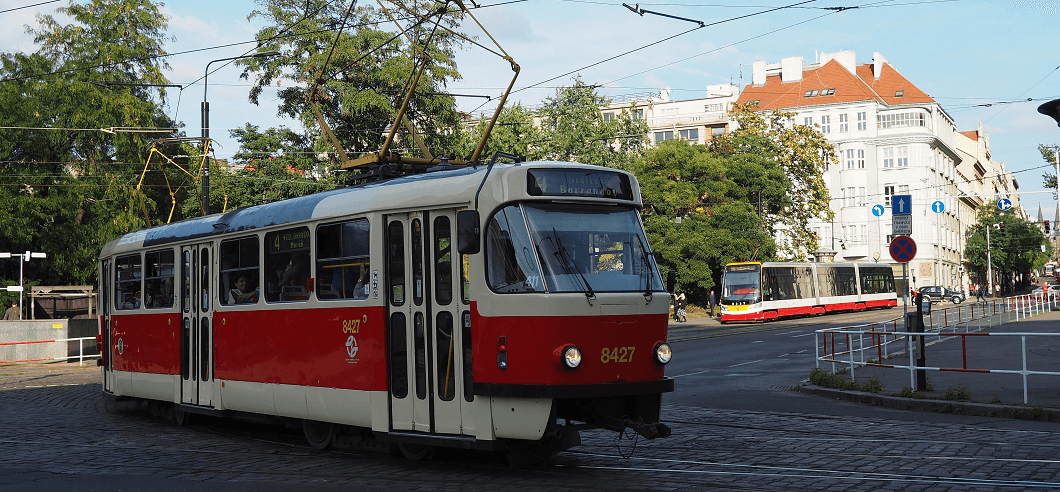
The Czech Republic’s public transport system is comprehensive and efficient. Schedules are strictly adhered to, so passengers can rest assured they will arrive at their appointments on time. Information on travel times and connections is easily accessible online, and regular schedules are posted at the stops.
- CON: Getting a local driver’s licence can be difficult
For expats from certain countries, meeting Czech driving requirements can be arduous. For the first three months of their residency, they may drive on an International Driver’s Permit. After this period, they will need a Czech licence to continue driving.
Some countries have an agreement with the Czech Republic allowing nationals to simply exchange their home-country licence for a Czech one. Anyone with a driver’s licence from an EU country can continue driving on their existing licence as long as it is valid. But those from non-EU countries without such an agreement will need to complete a set number of driving lessons before taking the theoretical and practical tests to assess their driving ability.
Transport and Driving in the Czech Republic
Getting Around in Prague
Healthcare in the Czech Republic
+ PRO: The healthcare system is good and inexpensive
The healthcare system in the Czech Republic is generally good. There are doctors in each district, but new arrivals are free to choose their personal doctor. Healthcare is subsidised, and copayments are low. Many doctors also speak English, even in cities outside Prague.
- CON: Impersonal approach can be off-putting
During a visit to a doctor, medical staff may come off as grumpy and waiting times at hospitals are long. Although most doctors speak English, nurses and medical staff might not.
Doctors can be curt and may appear to be unsympathetic, but this is a normal element of Czech medical culture. Those from a country where doctors always take time to discuss matters and answer questions should note that this is generally not how things work in the Czech Republic.
Healthcare in the Czech Republic
Hospitals in Prague
Cost of living in the Czech Republic
+ PRO: Affordable goods and services
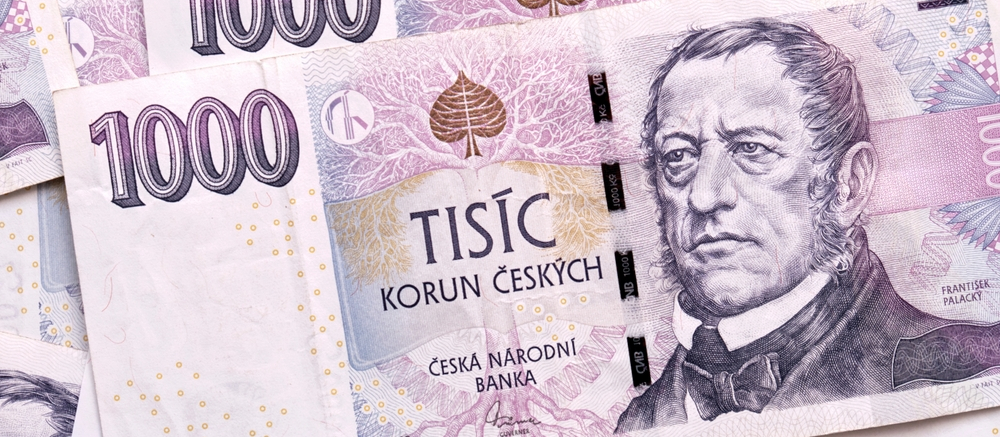
Everything from household goods to food, utilities, and healthcare is reasonably priced in the Czech Republic. Staples such as bread, potatoes, and meat are of good quality and are inexpensive.
Appliances, furniture, and electronics from familiar Western brands are easily accessible in malls and speciality shops. Furniture is also reasonably priced because there are many highly skilled artisans in the country.