
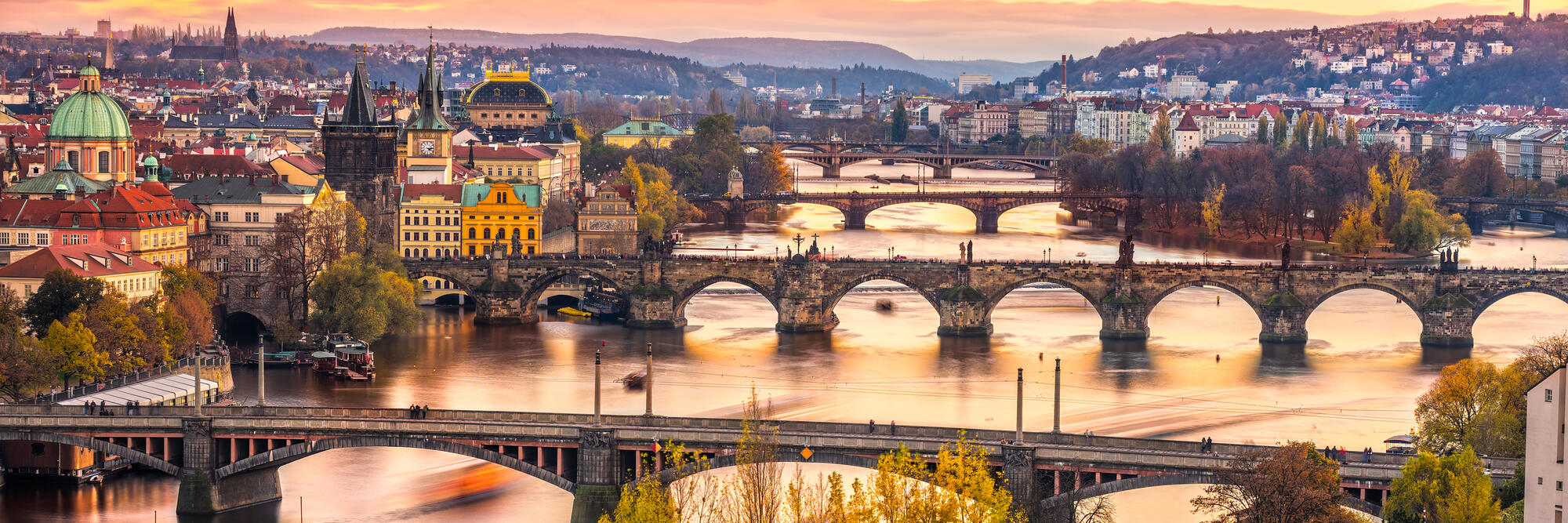
For expat parents, making the right decisions about education and schooling in the Czech Republic will be key to a smooth transition.
The quality of local public schools is good, and they can be attended at no cost. The language of instruction in public schools is Czech, though, and while very young children pick up a new language with ease, older children may struggle. Private and international schools in the Czech Republic are a popular alternative.
Public schools in the Czech Republic
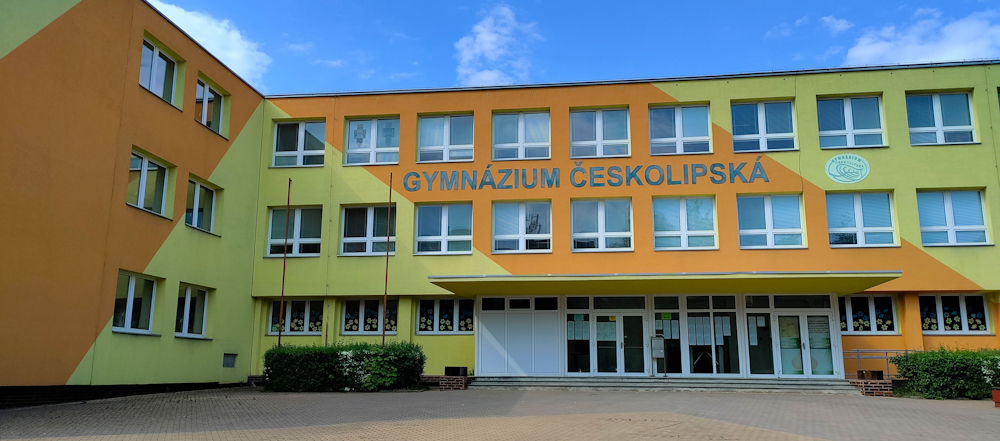
Education in the Czech Republic is managed by the Ministry of Education, Youth and Sports. Public education is compulsory and free from ages five to 15 or 16 (or the completion of lower secondary school).
Language
Teaching in the Czech Republic’s public schools is conducted entirely in Czech. Some expat parents are discouraged by this, but there are advantages to expat children being taught in Czech, especially if the family plans a long-term stay in the country.
Expat children who learn Czech at school have an easier time assimilating into the country’s culture and meeting local friends, although picking up the language can be challenging for older children. Foreign children learning Czech are given extra support through language preparation classes and specialised textbooks. The level of support depends on the student’s Czech language ability.
School system
Schooling in the Czech Republic has three main phases.
The first is preschool (mateřská škola) from ages two to six. Note that only the final year of preschool is compulsory, which means it’s the only year of preschool that’s free of charge in the public system. Before this, fees apply.
Elementary school (základní škola) spans ages six to 15. It’s divided into two stages: primary from Grades 1 to 5 and lower secondary from Grades 6 to 9.
Secondary school, from ages 15 to 18 or 19, splits into three branches, each with a different aim and outcome.
A maturita school-leaving certificate is required for further study after secondary school, either at a university or higher professional school. The maturita can be obtained through four years of study at either a general secondary school (gymnázium) or a secondary technical school (střední odborná škola – SOŠ).
General secondary schools, also known as grammar schools, prepare students for university, while technical schools focus on training students for specialised professional studies or future occupations.
Students attending a secondary vocational school (střední odborné učiliště – SOU) do so for three years. Afterwards, they graduate with an apprenticeship certificate and begin working.
Useful links
Private schools in the Czech Republic
Private education in the Czech Republic has a fairly short history, as the country’s first private schools only opened in 1990. There’s a wide range of private schools to choose from, many of which use alternative teaching methods, such as Montessori, or teach through a particular religious lens. Some private schools are bilingual, teaching in Czech and English or Czech and German.
The state provides a subsidy to private schools, with the rest of their funding being drawn from tuition fees. Expat parents who can’t quite fit international school fees into their budget but are still concerned about their children having difficulty with the Czech language may find these schools an ideal solution.
International schools in the Czech Republic
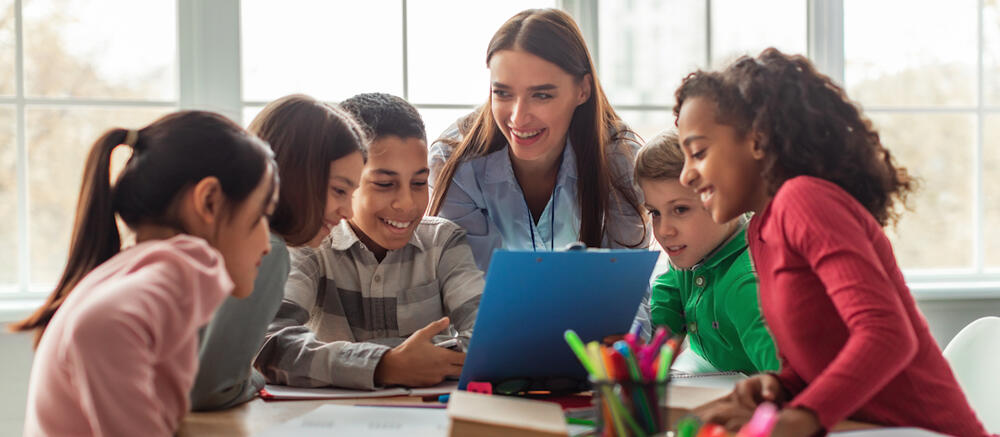
Most international schools teach in English and are perhaps most useful for expats planning to reside in the country for a relatively short period of time, as the continuity in curriculum minimises disruption to the child’s education.
Common curricula offered by international schools include the International Baccalaureate (IB), the American curriculum, and the British curriculum (English National Curriculum, IGCSE and A Levels). Prague, in particular, has a high concentration of international schools.
International schools can be expensive, so if you’re moving to the Czech Republic as part of an international relocation package, it’s worth negotiating school fees into the relocation contract.
It’s worth noting that international schools can vary widely in ethos, curriculum, quality and size. Although there are plenty of schools to choose from, space may be limited, so parents are advised to start the application process as soon as possible.
Special educational needs in the Czech Republic
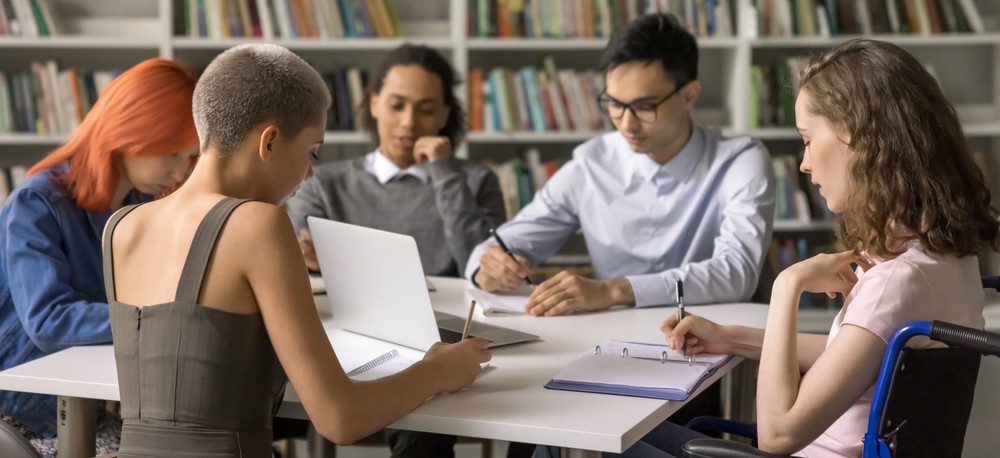
The Czech government is working towards fully integrating children with special needs into mainstream schools. Theoretically, all schools should have the necessary facilities, staff, and support provisions required to assist children with special needs. In practice, implementation can be patchy.
School counsellors are generally the first port of call in obtaining assistance for special needs, although language needs should also be communicated to the school’s principal directly.
If a more specialised education environment is preferred, special needs schools are another option. Some parents and children find that these schools can better meet their needs. The decision of whether to opt for a special or mainstream school is left up to the family, although specialists can provide recommendations and advice.
Useful links
Tutors in the Czech Republic
Tutors can be extremely helpful in assisting expat children to adjust to their new school and curriculum, as well as the language of instruction, if different from home. Both Czech and English tutors are available for a wide range of subjects.
To find a tutor, expats should ask teachers and fellow parents at their child’s school for recommendations. There are also numerous websites and tutor companies that advertise at-home or online private tutoring services.