
Living in Italy as an expat
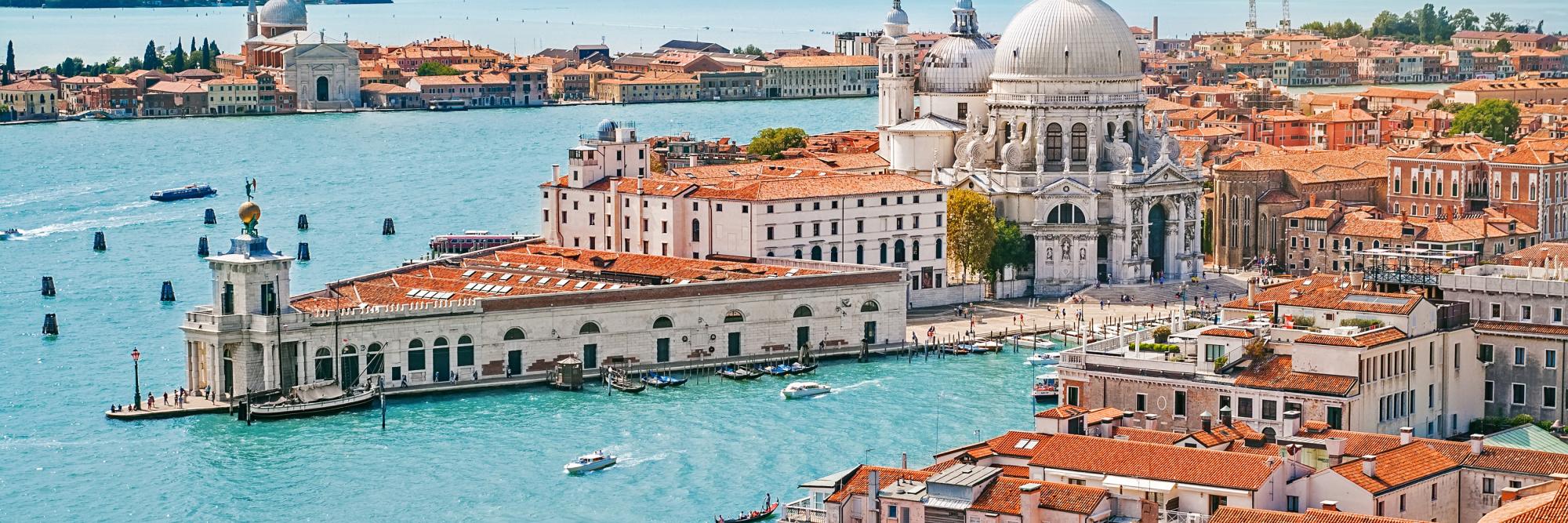
Moving to Italy is a dream for many expats. From Ancient Rome to the Renaissance, 'the boot' at the bottom of Europe has had a vast influence on European art, culture, and politics that continues to resonate.
Offering residents an attractive lifestyle with an emphasis on family, scenic beauty and world-famous cuisine, Italy lures expats with its passion for la dolce vita – the sweet life.
That said, your experience in Italy can vary markedly depending on your location. Those living in cities in the north of the country, such as Milan and Turin, will find that things are fairly fast paced, with business being a priority. The further south you go, the more the lifestyle becomes relaxed and typically Mediterranean, with locals taking longer lunch breaks and enjoying the passeggiata (a long, leisurely evening stroll).
Regardless of regional differences, one thing new arrivals are sure to find is that just about every occasion in Italy is a reason to celebrate with good food, wine, and family and friends.
Moving to Rome
Moving to Milan
Moving to Florence
Working in Italy
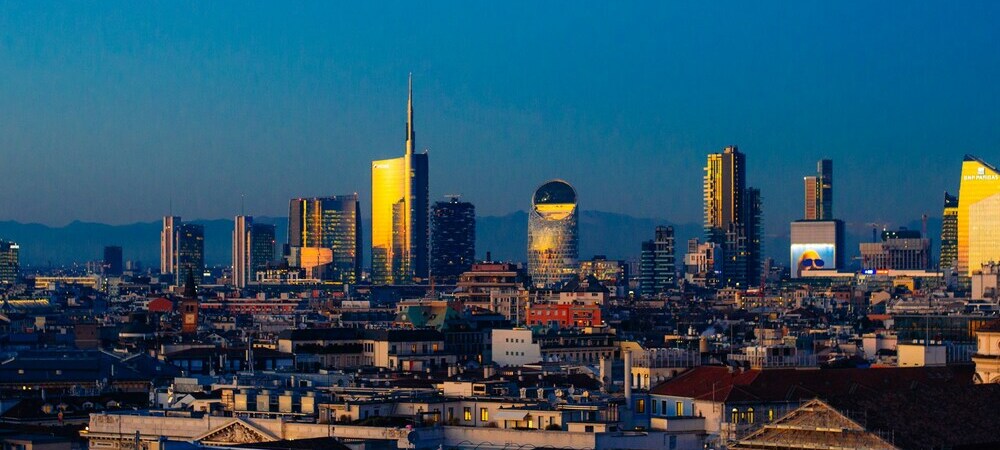
Finding work in Italy can be a little difficult at times, as there are quotas in place limiting the number of foreigners that can be employed each year. Italy's main industries include tourism, fashion, agriculture and manufacturing. Northern parts of the country have a more high-tech economy with a focus on IT and industry, while southern areas rely more on farming and food production.
The Italian focus on family extends into doing business in Italy. A substantial portion of Italian businesses are family-owned, from major corporations to the smaller enterprises that make up much of the local economy. Networking and building and maintaining relationships are key when trying to fit into the work culture in Italy. Hierarchies are as important as presenting yourself well.
Working in Italy
Visas for Italy
Work Permits for Italy
Italian culture
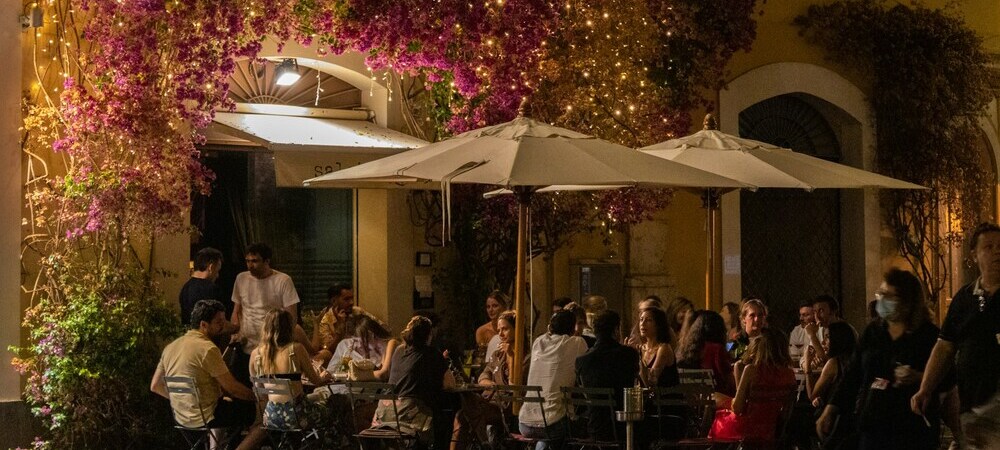
Italian culture can take some time to adjust to, especially when the language barrier adds to the challenge of everyday tasks such as finding housing, healthcare, or schools. Still, once you overcome the initial challenges, you'll often find life in Italy deeply rewarding.
The country's official language is Italian, and not all locals speak English. It's a good idea to learn at least some Italian, whether through language schools or private tutors, as fluency can help integrate into local communities more easily. Italians are expressive communicators, often using gestures and body language – understanding these cues can help you connect more naturally.
Fashion is a defining element of Italian culture. Professional and stylish dress is not limited to the workplace in Italy, and a confident presentation is valued in both social and business settings. Religion also plays a significant role, with Roman Catholicism strongly influencing day-to-day life in Italy. Holidays such as Easter and Christmas remain central to community life and are celebrated all over the country.
The topic of food is unavoidable when talking about Italy. The country is renowned for its flavourful and timeless dishes, and Italians take great pride in their cuisine. Expect to spend plenty of time with friends or coworkers cooking, eating, and drinking wine.
Local Culture in Italy
Business Culture in Italy
Finding accommodation in Italy
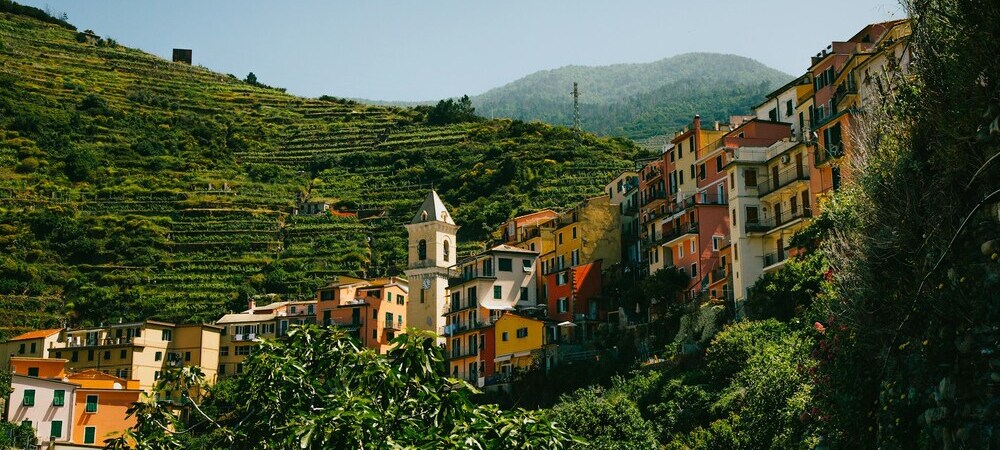
Apartments are by far the most common form of accommodation in Italy, with pastel-coloured buildings built in the 60s and 70s lining city streets. Despite the large volume of available housing, it can be tricky to find the right place to live in Italy. Detached homes are rare, usually limited to villas in the countryside. Terraced houses can be found in smaller towns, but freestanding homes remain the exception rather than the rule.
Rental prices vary widely – southern cities like Naples and Bari are somewhat affordable, while bargains in Rome, Milan, or Florence are hard to come by. Most expats look for properties online or through local agents, though agency fees can be high. Some relocation companies offer house-hunting, making them a viable option, too. It’s best to view properties in person before finalising agreements. Short-term, fully-furnished rentals are a good stepping stone while looking for more permanent accommodation.
Renting Expat Accommodation in Italy
Best Places to Live in Rome
Recommended Areas and Suburbs in Milan
Best Neighbourhoods in Florence
Cost of living in Italy
The lifestyle in Italy is a major draw for many expats, though the cost of living can be high. Accommodation is often the biggest expense, particularly in major metropolitan cities such as Milan, Rome, and Florence, while smaller towns and rural areas remain more affordable. Public transport is cheap and effective – making use of trains, buses, and trams on a regular basis can help keep commuting and travelling costs down.
Everyday costs like groceries are manageable, especially when shopping at local markets or buying locally produced goods. Lifestyle choices play a major role in overall expenses. You can find entertainment and dining options to suit all budgets, though the offerings are skewed toward the pricey side in the more popular cities. High-quality free public healthcare and education help make some additional breathing room in your budget.
Living in Italy with children
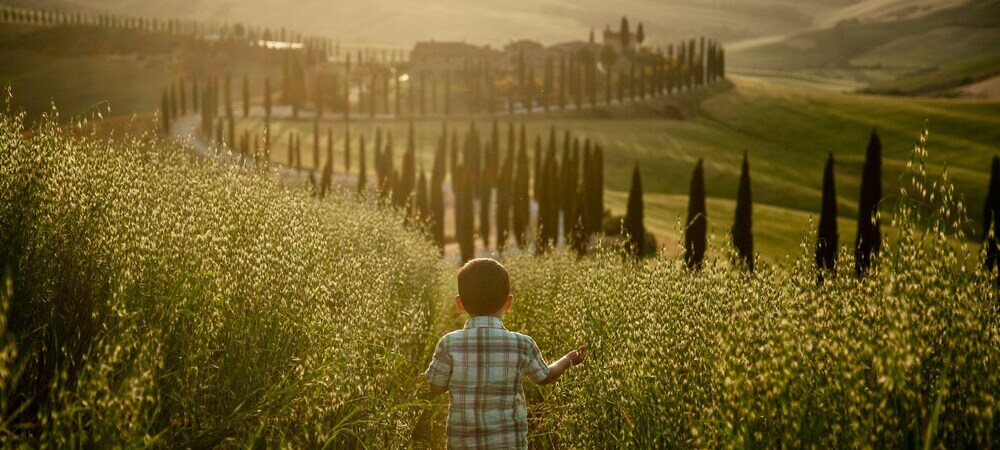
Italy is exceptionally well suited to families, and there is plenty for young and old alike to get up to in their free time. Italy is home to the globe's largest number of UNESCO World Heritage sites, not to mention plenty of museums, family-friendly eateries, parks, forests, and lakes for you to enjoy. Italian culture places great value on family; you're likely to encounter plenty of kind, compassionate, and friendly locals.
Public healthcare in Italy is either free or heavily subsidised, and of an exceptional standard, so there's no reason to fret if your little ones ever get sick. You'll need to register with the Servizio Sanitario Nazionale (SSN) once you're in the country to access free care. Private health insurance is recommended to bridge the gap between your arrival and registration with the national health service.
Finding a school in Italy
When relocating to Italy, you'll find a range of schooling options for your children. Public schools are free and widely available, but the language of instruction is Italian, which may pose challenges, especially for older children. If you prefer your children to follow the curriculum from your home country, there are numerous international schools in major cities such as Rome, Milan, and Florence that offer curricula from the US, the UK, and the International Baccalaureate.
Private schools guided by Catholic principles are common, as are institutions that base their curricula on alternative educational philosophies, like Waldorf or Montessori. The standard of schools in Italy is high across the board – your kids will be well looked after, even if your first-choice school isn't available.
Education and Schools in Italy
Getting around in Italy
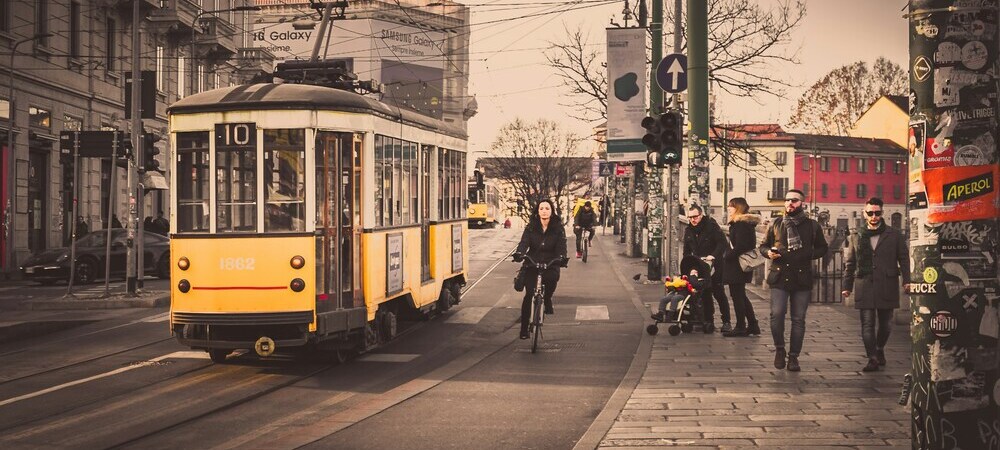
Italy has a well-developed and efficient public transport system, with metro networks, buses, trams, and trains serving most cities. If you live in a major city like Rome or Milan, public transport is usually sufficient for getting from A to B, making car ownership optional. If you do choose to drive, prepare for plenty of traffic, scarce parking, and an aggressive driving culture. Taxis and ride-hailing services are available but can be expensive, while cycling and walking are popular and healthy ways of getting around in historic centres.
Transport and Driving in Italy
Climate and weather in Italy
Northern Italy experiences long, cold winters with heavy snowfall, along with rain and occasional hail. Summers are mild, with 81°F (27°C) being the average high in July, the region's hottest month. A bit further south, cities such as Milan and Venice experience wet and foggy winters with close-to-freezing average temperatures and hot and humid summers. Locations like Naples, further south, have a moderate Mediterranean climate, with extremely hot, dry summers and mild winters.
Italy has much to offer, including amazing natural beauty, magnificent ancient architecture, and passionate locals. When relocating to 'The Boot', you're sure to be mesmerised by this fascinating country.
Fast facts
Official name: The Italian Republic
Population: About 60 million
Capital city: Rome (also largest city)
Other cities: Milan, Turin, Naples, Palermo
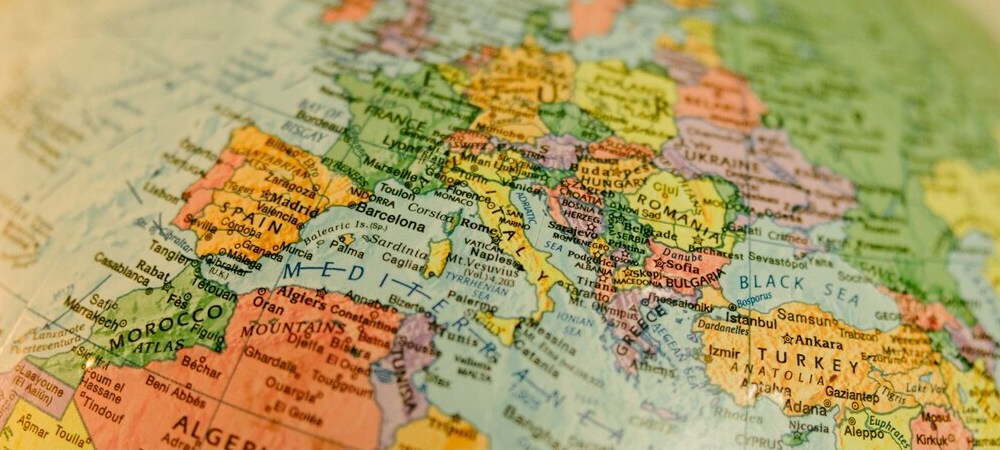
Neighbouring countries: Italy's famous boot-like shape is formed by a long Mediterranean coastline. France, Switzerland, Austria and Slovenia border the country to the north.
Geography: About 40 percent of Italy is mountainous, with the most notable mountains being the Alps in the north and the Apennine Mountains along the peninsula. Non-mountainous areas of Italy are usually flat plains.
Political system: Unitary parliamentary republic
Major religion: Roman Catholicism
Main languages: Italian is the official language, though certain regions have a high prevalence of German and French speakers. English is spoken mainly in tourist centres and large cities.
Money: The currency in Italy is the Euro (EUR), which is divided into 100 cents. ATMs can be found easily, even in small towns. All foreigners can open a bank account in Italy, but accounts for residents have extra perks, like lower interest rates and fees.
Tipping: Tipping is not necessary in restaurants as a service fee is usually added, but for good service, diners should round up the bill by a few euros.
Time: GMT+1 (GMT+2 from the last Sunday in March to the last Sunday in September).
Electricity: 230V, 50Hz. Plug points can vary, but the 'Type C' rounded two-pin plug is most common.
Internet domain: .it
International dialling code: +39
Emergency contacts: Dial 112 for the EU emergency line. Expats can reach the Italian police directly on 113, the ambulance on 118, and the fire brigade on 115.
Transport and driving: Cars drive on the right-hand side of the road in Italy. Expat drivers may find Italian driving culture aggressive, and parking is limited in the cities. Public transport infrastructure is well developed in major cities, but smaller rural towns have more limited options.