
- Hold down
Ctrlkey and select the sections you want to print. If using a Mac, hold down theCmdkey. - Use
Ctrl + Aor on Mac,Cmd + Ato select all sections (if you are using the Chrome browser). - Click "Apply" and the site will customise your print guide in the preview below.
- Click the "Print" button and a print pop up should appear to print to your printer of choice.
Articles about Italy
Pros and cons of moving to Italy
As with every country, there are pros and cons to living in Italy. Decades of Hollywood films have created an image of the country that's hard to shake. While Italy certainly is a sophisticated and beautiful place to live, not everything is always as perfect as the silver screen may make things seem.
Here are a few of the ups and downs of living in Italy.
Accommodation in Italy
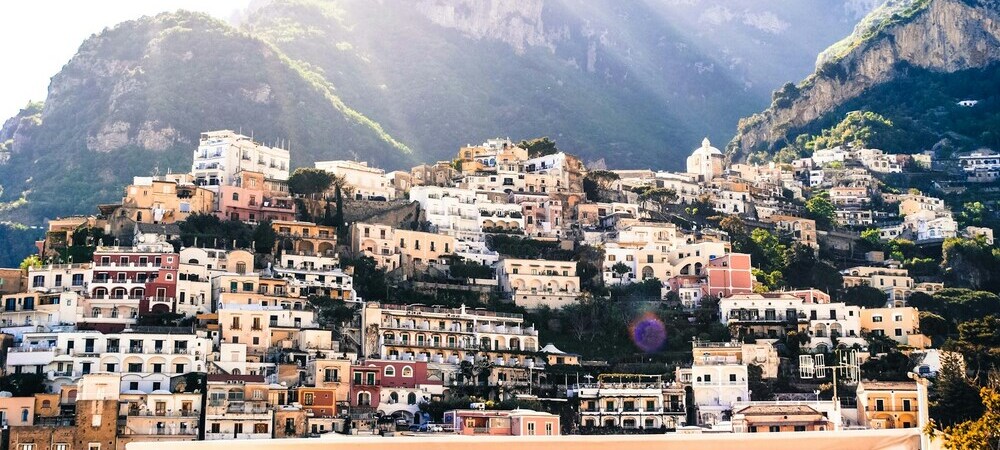
+ PRO: Well-maintained apartments
While the décor is often dated, it would be difficult to criticise the state of most of the apartments available to rent. Italians tend to be discerning buyers and tenants, and they expect their apartments to be in good working order.
- CON: Accommodation is expensive, small and dated
The vast majority of Italy's apartment blocks were built in the 1960s and 1970s from the same grey concrete mould. Although these apartments are small and sparse on modern furnishings, they still go for a premium.
+ PRO: Great variety of housing options
Even though the majority of rental properties in Italy are apartments, plenty of other options are available, ranging from beautiful villas and farms in Tuscany to modern studio flats and semi-detached houses in Milan.
Finding Expat Accommodation in Italy
Lifestyle in Italy
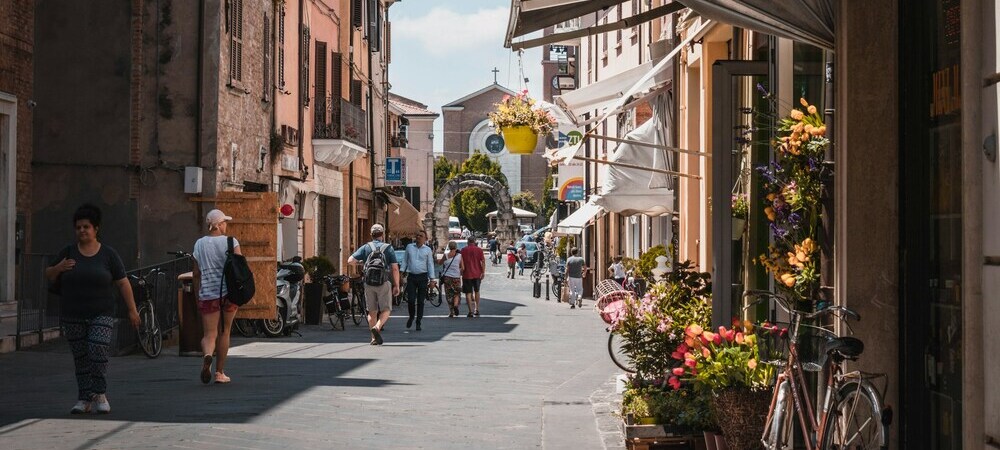
+ PRO: Buzzing social life
Italians tend to be incredibly social. Only torrential rain and snow can keep them indoors. Whether they're chatting to friends over a late dinner or going for a stroll down the main street, Italians don't tend to be homebodies. This enthusiasm for socialising is contagious, and you're likely to find yourself, gelato in hand, admiring the shops and impromptu street concerts late into the night.
+ PRO: World-class food
Italian food is one of the world's most well-known and distinctive cuisines. Regardless of where you choose to settle in Italy, you're likely to be spoiled with excellent restaurants, cosy cafés and bustling markets. The flavour doesn't stop at home – groceries and produce are generally fresh and high quality.
- CON: Few English speakers
Very few Italians are fluent in English. Expats in big cities will naturally be better off as city dwellers are more accustomed to tourists, but in some towns, there can be no English speakers for miles. You might also come across people who are abrupt when spoken to in English. This usually happens in the more popular cities such as Florence, Rome, and Venice, where the jaded locals can sometimes view tourists as a nuisance.
+ PRO: Amazing surroundings
No matter where you live in Italy, you'll be surrounded by natural beauty, incredible architecture, or a combination of both. From the picturesque shores of Lake Como to the historical sites of Rome or Venice, you'll never run out of fascinating things to look at.
- CON: Streets can be dirty
While it isn't fair to expect centuries-old cities to be spotless, Italy does have a real problem with grime. The mess is a combination of age, overcrowding and an inefficient approach to superficial cleaning.
Cost of living in Italy
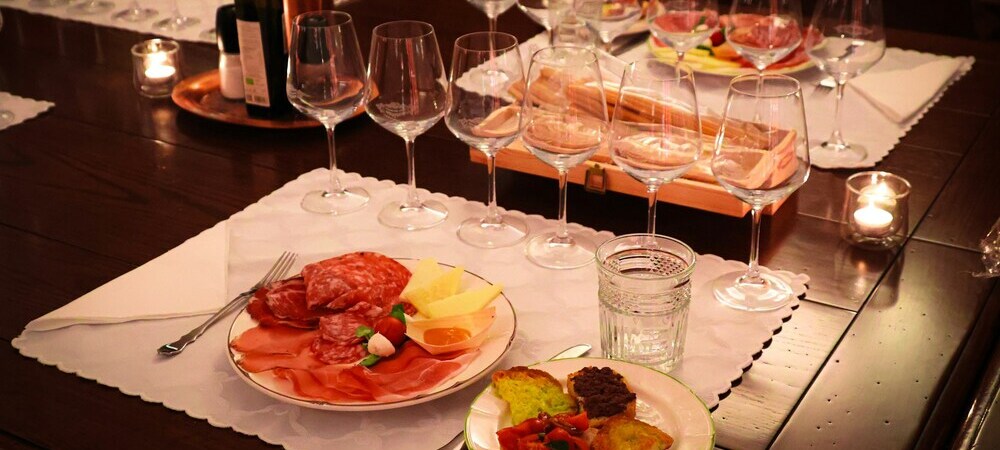
+ PRO: Cheap and tasty food
Italians have amazing supermarkets. Even the smallest supermarket in the smallest town has an incredible selection of fruit, vegetables, meat and cheese at affordable prices.
+ PRO: Free public schools and healthcare
Both public schools and public healthcare are free in Italy. As an added benefit, the public schools and hospitals in Italy are highly regarded. Many locals who can afford private schools and healthcare opt for public institutions instead.
- CON: Expensive amenities
Italy has limited resources, so while products made in the country might be affordable, imported goods are much more expensive. Resources such as fuel, gas, and electricity are also pricey.
Education in Italy
+ PRO: Excellent and affordable public schools
In Italy, children start learning to read and write at the age of three. Public education is free. Students are provided with a well-rounded education in the sciences, arts and history, as well as nutritious and varied school lunches. Most Italian cities also have reputable international schools, but in contrast to public schools, these can be expensive.
- CON: Expensive international and private options
Those looking for international or alternative curriculum schools will have plenty of options in Italy. That being said, international and private schools are expensive and often have extensive waiting lists. If your children are young enough to pick up Italian easily and you intend to stay in the country for a long time, public schools might be the better option.
Education and Schools in Italy
Working in Italy
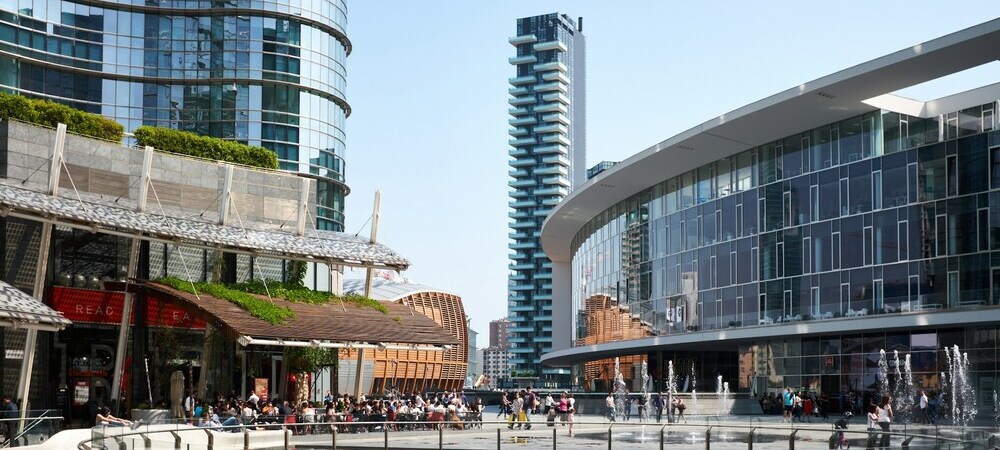
- CON: Finding a job can be challenging
Quotas on foreign workers make it difficult for expats to find employment in Italy. Many employers also require qualifications and the ability to speak Italian, further disadvantaging those without degrees or knowledge of the local language.
- CON: Slow bureaucratic processes
As bureaucracy permeates Italy, getting anything official done can be a confusing, frustrating, and drawn-out process. To avoid this, many expats ensure that they always have a reputable bilingual lawyer on hand whenever they sign documents.
+ PRO: Employers handle work authorisation
When hiring a foreign employee, the company does most of the legwork to secure work authorisation. Once an expat is given the green light to work in Italy, they can enter the country and apply for a residence permit.
Working in Italy
Doing Business in Italy
Visas for Italy
Work Permits for Italy
Transport and driving in Italy
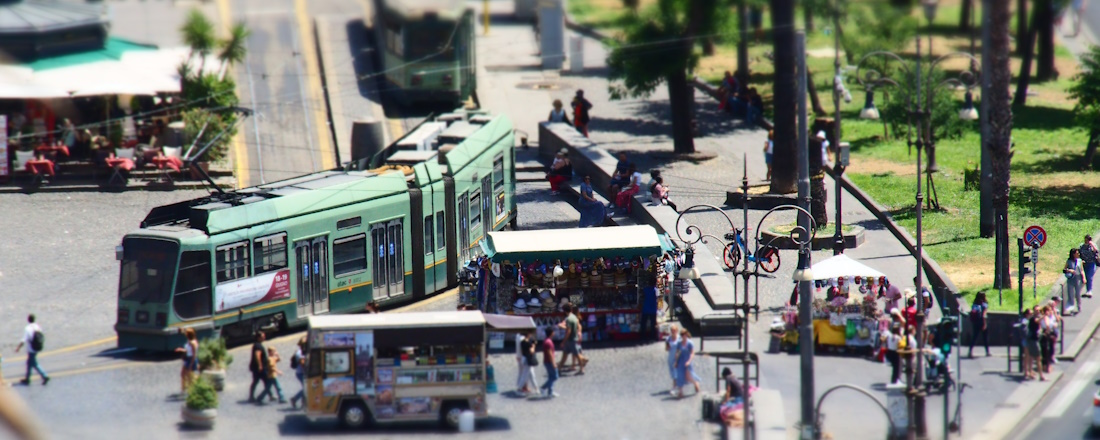
+ PRO: Good public transport
Although people love to complain about the state of Italian public transport, it is generally quite good. It might not be as efficient as some neighbouring countries' systems, but it's cheap, safe, and reliable and connects the entire country from north to south.
- CON: Driving can be risky, expensive, and time consuming
Italian driving culture can be aggressive, and drivers often speed and disregard the rules of the road. In major cities, traffic can be heavy, and good parking is expensive and hard to find. Despite this, many expats opt for a pricey personal vehicle to explore further afield.
Transport and Driving in Italy
Healthcare in Italy
+ PRO: High-quality public healthcare
Public healthcare in Italy is an unheralded success story. The country's public hospitals are excellent, and expats can easily access doctors, specialists, and dentists in even the most rural areas. Care is either completely free or heavily subsidised, meaning you'll enjoy the benefits of the country's healthcare system regardless of your income level.
Cuisine in Italy
Eating in Italy
a personal perspective from Camilla Helgesson Italy is all about variety and choice. The fact that it is a relatively 'new' nation means that its cuisine is extremely diverse, and enchanting regional characteristics are more enhanced. At the same time, however, there are unwritten 'rules' that everyone follows.
Nowhere is this more evident than when we talk about food.
It can be confusing, as the Italian kitchen is defined as l’arte della semplicità, or 'the art of simplicity'. But as a foreigner it may, at first, not feel as if things are simple, as the approach to food is patriotic, regional and complicated by many rules and factors.
Rules (to be broken)
For starters, either you can buy freshly produced asparagus or you can’t. Either you can buy fresh oranges, or you can’t. If it’s not the season for an ingredient, it will be close to impossible to find it, as Italians only believe in fresh, seasonal, locally produced and harvested fruits and vegetables. You don’t put cheese on your seafood dish. The pasta has to be al dente. You don’t eat your salad before the pasta. Each sauce has its 'own' dedicated pasta shape. There is the right way to have your espresso served in the bar.
Where I come from (Sweden) you usually put everything you are about to eat on the same plate - the meat, the potatoes, the gravy and the extras. In Italy, it all comes separate. In the restaurant you decide to go for the fish, then you decide what will be on the side - potatoes or eggplants or vegetables - everything on separate plates and rarely you’ll get any gravy. You may end up eating from four or five plates at the same time.
The best of local
The regions have a big influence on the kitchen, too. If you go south towards Naples, Italians make the extra effort to stop and buy the freshly produced Mozzarella, in its own region, and then take it along either to the beach or back home. Pizza is best in Naples, the lemons in Capri, the ham from Parma, the Parmesan cheese from the north region of Reggio-Emilia. Each region has its own specialty, and they take great pride in it.
Food in Italy is a ceremony and something that unites families and friends. In other countries you may go out together for a drink - here you go out for the sole purpose of enjoying a good meal together. Food here is a passion. I have Italian friends who can drive 30km just to enjoy the best ice cream available. Don’t be surprised to overhear a conversation between construction builders on their break about how to prepare the best tomato sauce.
Cuisine as a door to culture
I arrived in Italy in 2005 and quite soon realised that Italians have a unique relationship to food that I doubt you will find elsewhere. Italians approach food as religion. Italian food is a combination of the best ingredients possible, how you prepare them, your attitude to the food and how you eat it. To come to know Italian food and how to talk about it will be like a door to the culture of this country and its soul, and it will leave you transformed.Keeping in touch in Italy
Keeping in touch in Italy is easy – expats residing in the country enjoy seamless communication with their loved ones abroad, thanks to a plethora of modern and efficient channels at their disposal. With technological advancements, communication has never been so accessible, ensuring that distances shrink and familial bonds remain strong, regardless of miles.
Italians strongly emphasise family ties and social connections, a sentiment shared by expats living in Italy. Consequently, a robust and diverse communications infrastructure is not only desirable but essential, facilitating effortless interactions for both locals and expats with friends and family worldwide.
Internet in Italy
Italian internet infrastructure is quite good, ensuring reliable connectivity that aligns closely with its European counterparts. You can enjoy the luxury of unlimited internet usage as Italian internet service providers offer plans without data caps, allowing for uninterrupted streaming, browsing, and video calls without the threat of throttling.
Renowned for their high-speed services, Vodafone Italy, EOLO, Telecom Italia (TIM), Fastweb, WindTre, Tiscali and Linkem rank among the top internet providers. Each offers various plans catering to different needs, ensuring that you can find a service that suits your internet consumption habits.
The proliferation of WiFi hotspots enhances Italy's digital landscape. The Free Italia WiFi network simplifies internet access across the country, with just a simple registration needed for usage. Academia and transportation systems are not far behind, with universities offering free WiFi zones for students and the national railway service providing complimentary internet for those with Italian phone numbers during their commutes.
Useful links
Mobile phones in Italy
The mobile phone sector in Italy is dominated by prominent operators such as TIM, Vodafone, and WindTre, all of which offer competitive services that cater to a wide range of preferences and requirements.
You might be able to use your existing mobile phone when moving to Italy, particularly if you're relocating from another European country. However, network-locked devices will have to be unlocked before they can accept Italian SIM cards.
Acquiring an Italian SIM card mandates official documentation, typically a passport and proof of residence. Mobile phone providers offer consumers flexible options, including fixed-term contracts and pay-as-you-go plans.
Italian mobile service providers are renowned for their comprehensive packages, which often feature unlimited calls, substantial data allowances and messaging. Additionally, there are tailored packages for expats that offer cost-effective rates for international calls to stay connected with family and friends overseas.
Useful links
Postal services in Italy
Poste Italiane operates as the primary postal service provider in Italy, boasting a comprehensive network that ensures the delivery and receipt of mail domestically and internationally. While the service is generally reliable, expats are advised to exercise caution when sending valuable items. Opt for insured and trackable services whenever possible.
You should also be aware that the efficiency of postal services can vary, with occasional delays in delivery times. Additionally, the Italian customs system is known for its unpredictability, potentially causing extended holds on international parcels. To circumvent long waits at post offices, many Italians utilise online services for bill payments and postal transactions.
Useful links
English-language media in Italy
English-language media in Italy caters to the expat community, with major British and American newspapers and magazines stocked at select newsstands and in English bookstores in urban centres. Furthermore, expats have convenient access to Italian news in English online, though these publications are less commonly found in print.
For those interested in staying abreast of local and international news in English, several online portals and digital editions offer comprehensive coverage. Broadcast media also serves the expat community, with several English-language radio stations and television channels available via satellite and streaming services.
Education and Schools in Italy
Finding the right education and schooling in Italy is a priority for many new arrivals in the country. The education system in Italy comprises a large state sector and a smaller, more specialised private sector. Take some time to evaluate your priorities and those of your children before choosing an institution.
Italians tend to place a high value on education – the quality of both the public and private systems reflects this cultural trend.
Public schools in Italy
Schooling in Italy is compulsory from the age of six to 16.
There are four levels of education in Italy:
- Scuola dell’infanzia (three to six years old)
- Scuola primaria (6 to 11 years old)
- Scuola secondaria di primo grado (11 to 14 years old)
- Scuola secondaria di secondo grado (14 to 19 years old)
Public schools in Italy are free to attend, even for foreigners living in Italy who aren’t formal permanent residents. This applies to primary and secondary schools, although enrolment taxes apply after students reach the age of 16.
Most Italians send their children to state schools, and those who send their children elsewhere often do so because they prefer their child’s education to be rooted in alternative teaching methods or a religion, most commonly Catholicism.
Italian state schools operate under a centralised system that controls school curricula and final examinations. Despite attempts at uniformity, it is widely acknowledged that education in northern Italy is of a higher standard than in the south. Options and standards also vary in rural areas. Expats planning to live outside urban centres should consider this when choosing a school.
State-sponsored schools teach in Italian, and English is usually taught as a second language. Expat families who only plan to stay in Italy for a set amount of time usually find that state schools aren't suited to their needs.
On the other hand, if you're planning to live in Italy for the long term, don't overlook state schools, especially if your children are still fairly young. A lot of effort is made to integrate expat children using intensive Italian language classes, cultural activities, and remedial classes. Language can also be a valuable asset, and learning Italian can open doors for future educational opportunities and career development. Younger children will generally pick up Italian easily.
Useful links
Private schools in Italy

Private schools in Italy are mostly either run by religious organisations or mandated by alternative teaching methods, such as Montessori or Waldorf education. The religious schools are primarily Catholic, but many also encourage non-Catholic students to enrol.
For the most part, the standard of education does not vary much between state and private schools in Italy. Both systems follow the state curriculum, with private schools adding more elective subjects and extracurricular activities. Some Italians even consider private schools to be inferior to public schools, but your experience may vary.
Useful links
International schools in Italy
International schools in Italy are the obvious option if you're planning to live in the country for a short time or if you would prefer your children to continue with the curriculum of their home country. It is also a good way to ease the transition into life in Italy, as children attending these schools will be around others with similar backgrounds.
On the other hand, this can create a bit of a cultural bubble, with children not assimilating into Italian culture as a result. An ideal middle-ground solution for expats may be to enrol children in a school that combines the Italian curriculum with their home country’s curriculum, or a bilingual international school teaching in both the child’s native tongue and Italian.
High tuition fees are the norm for international schools, so if possible, you should try to negotiate an educational allowance as part of your employment contract when relocating to Italy.
A wide array of international schools can be found in Rome, Naples, and Milan, but many more are scattered all over Italy, with the highest concentration in urban centres. Curricula offered include American, British, French, Swiss, Japanese, and German, among others.
There is stiff competition for the limited places available in prestigious international schools, so it’s always best to start applications as early as possible. Admission requirements typically include previous school records and a personal interview, but vary from institution to institution, so you'll need to contact the schools you're interested in directly to find out more.
Best International Schools in Rome
Special educational needs in Italy

Those with disabilities have the right to receive a full education in Italy. Inclusive education is implemented in Italy to avoid segregating children with special needs. This requires a comprehensive range of interventions to diagnose children’s needs and provide support in the form of specialised teachers, transport, and adaptation of learning materials. Collaboration between the school, teachers, and families is critical.
Although few children with disabilities are in segregated settings, some kids may still face micro-exclusions. One reason for this is that, although the level of care is required to be uniform, it varies across regions. Language barriers can also further complicate inclusive education and special needs learning.
Useful links
- European Agency for Special Needs and Inclusive Education
- LEDHA (League for the Rights of Persons with Disabilities)
Tutors in Italy
Tutoring is common in Italy, especially among expat families. To help children integrate, parents can enlist the help of private tutors or arrange additional Italian lessons. This can still prove more cost-effective than paying the high tuition typical of international schools and, therefore, provide an alternative for families. Tutors can readily be found online.
Useful links
Diversity and inclusion in Italy
Diversity and inclusion in Italy are complex topics. The country offers a vibrant tapestry of cultural heritage, renowned cuisine, and picturesque landscapes. That said, like many countries, it is continuously evolving to enhance inclusivity and accessibility for all.
This guide delves into the various facets of Italian society, examining how the country accommodates individuals with disabilities, the LGBTQ+ community and expatriates, as well as how it addresses gender equality, mental health and workplace diversity.
Accessibility in Italy
Italy is one of the most accessible countries in Europe, and there are laws that guarantee the rights to independence and autonomy for people with disabilities. Despite significant progress, challenges persist due to social stigmas and a lack of infrastructure in certain areas.
Railways
Italy's railway system endeavours to accommodate passengers with disabilities through services like Sala Blu, which offers tailored assistance from departure to arrival. With prior arrangements, travellers can enjoy accessible platforms, dedicated seating, and assistance for boarding and alighting, ensuring a smoother travel experience across the country.
Buses
The bus network complements the accessible travel landscape with low-floor buses equipped with ramps, dedicated spaces for wheelchairs, and audible announcements for passengers with visual impairments. Additionally, tactile paving is often found at bus stops, improving navigation for those with visual disabilities. Cities like Rome, Milan, and Florence provide detailed information on accessible transport options on their public transport websites.
Airports
Major Italian airports provide tailored services to ensure that flying is accessible to all. From designated parking to assistance at check-in, security, and boarding, efforts are made to accommodate travellers' needs. Services are coordinated with airlines and should be arranged in advance to guarantee a smooth and comfortable experience. Italian airports are equipped with services and facilities to support passengers with limited mobility or other disabilities.
Public areas
Accessibility in public venues like hotels and restaurants varies; while many have adapted facilities, the historic nature of Italian architecture can present challenges. When planning a visit, it's prudent to check the accessibility features of accommodations and local transport, particularly in areas with cobblestone streets and uneven terrain.
Useful links
LGBTQ+ in Italy
Italy is one of Western Europe’s most socially conservative countries, and although being an LGBTQ+ individual is not a crime, it is still frowned upon by many people.
The LGBTQ+ scene in Rome is centred on the Via di San Giovanni, an area behind the Colosseum that has been designated as a LGBTQ+-friendly neighbourhood. Milan has Italy’s largest and most open LGBTQ+ scene, and the Porta Venezia neighbourhood is the most inclusive in the city – its metro station is even decorated with rainbow colours to highlight this.
Same-sex activity has been legal in Italy since 1890, and a civil union law was passed in 2016 that gave same-sex couples many of the same rights as married couples, though same-sex marriage remains impossible under Italian law for now. A recent poll showed that the majority of Italians are in favour of same-sex marriage (56 percent).
People have been allowed to change their gender legally since 1982, and Italy’s constitution prohibits discrimination on the basis of gender identity.
The European Union LGBTI Survey found that more than 60 percent of LGBTQ+ people in Italy rarely or never declare their sexual orientation, higher than the EU average of 53 percent. It also found that just over 20 percent of Italian LGBTQ+ individuals perceive some discrimination at work, which is around the average within EU countries.
Useful links
Gender equality in Italy
Gender equality in Italy has increased markedly in the last ten years, but the country still ranks below its Western European peers in the EIGE Gender Equality Index. There is growing acceptance of gender equality, especially in northern Italy, but in some sections of society, women are still expected to stay at home and care for the household and children rather than join the workforce and earn a salary. Only a little over 30 percent of women work full time in Italy, compared to more than 50 percent of men.
Women in Italy excel in both secondary and tertiary education, and 60 percent of Italian university graduates are female. Despite the difficulties, there are plenty of opportunities in the workplace for women, and the majority of university graduates go on to secure good jobs.
Useful links
Women in leadership in Italy
Women remain underrepresented in senior management roles, and although the gender pay gap has decreased in Italy, women are still paid around 10 percent less per hour than men. 60 percent of the gap is attributed to men and women with similar skills in the same firms being assigned different tasks and being compensated differently, and the other 40 percent is related to the concentration of women's employment in low-paying firms and sectors.
Female representation on the boards of Italy’s largest companies is around 40 percent, which puts Italy towards the top of the rankings among the G20 countries. Around 30 percent of senior managers in Italy are women.
Women occupy around a third of the seats in Parliament, which is a similar ratio to countries like the UK, Germany and the Netherlands.
Mental health in Italy
There is a level of stigma in Italy and a misunderstanding of mental disorders, which can prevent or delay people from seeking help. Expats can be at greater risk of mental health issues, especially depression and anxiety, which can be exacerbated by stress and loneliness.
International companies are becoming more aware of the impact of mental health issues, and many have adjusted their policies to provide better support. This includes ensuring that mental illness is well covered by the company’s chosen employee healthcare schemes, as well as promoting knowledge and decreasing stigma by holding in-house workshops.
Expats who are registered with an Italian GP (medico di famiglia) can make an appointment to see their GP, and, if necessary, the GP will refer patients to a suitable hospital or the local mental health centre (centro di salute mentale). Those who are not yet registered with an Italian GP can contact the local health authority (azienda sanitaria locale) to register. Once registered, the ASL will provide a list of state-enrolled doctors to select from.
There are also plenty of excellent English-speaking private psychologists, psychiatrists and other mental health professionals that can be contacted directly.
Unconscious bias training in Italy
The concept of unconscious bias is an implicit set of often stereotyped ideas that an individual carries about groups of people different to themselves. These ideas are not purposefully adopted but rather develop subtly over time, and people tend to hold unconscious biases about groups they never or rarely come into contact with. As a result, they’re often inaccurate and based on assumptions.
Unconscious bias can profoundly affect both personal and work conditions. In the workplace, unchecked bias undermines vital aspects of the company, with negative effects on employee performance, retention, and recruitment. In a bid to create a better work environment, many companies are beginning to institute unconscious bias training. There are also a number of online resources that can be used to improve self-awareness regarding bias.
Diversification of the workforce in Italy
There are around 2.5 million foreign workers in Italy in total, and the number of non-EU residents in Italy has increased by more than 40 percent over the last ten years. The number of non-EU nationals working for companies in Italy is highest for men working in the northeast of the country, at around 15 percent. The promotion of ethnic diversity and inclusion in the workforce still faces many obstacles, principally because of the bureaucratic procedures for hiring foreigners in Italy.
Safety in Italy
Italy is one of the safest countries in the world, but petty theft is common, and expats should avoid walking alone late at night, be street smart, and keep their valuables hidden. There are incidents of pickpocketing in busy or touristy areas and on public transport. There are low rates of violent crime, and incidents are much lower than in the US, for instance.
While Italy is a safe place for women, some men in Italy can be flirtatious, and it is not uncommon for women to hear 'Ciao bella'. It’s usually best to ignore the comment and carry on.
Calendar initiatives in Italy
4 February – World Cancer Day
28 February – Rare Disease Day
March – TB Awareness Month
17 May – International Day Against Homophobia
21 May – Global Accessibility Awareness Day
June – Gay Pride events in Rome and Milan
10 September – World Suicide Prevention Day
October – Breast Cancer Awareness Month
10 October – World Mental Health Day
14 November – World Diabetes Day
1 December – World AIDS Day
Work Permits for Italy
Citizens of the European Union (EU) don’t need a work permit to legally work in Italy since they have the right to work in EU member states. EU expats can simply apply for an Italian residence permit after arriving in the country, so that they can be formally registered as residing in the country. Expats from outside the EU must apply for a visa, work authorisation, and residence permit for Italy.
Work permits for Italy
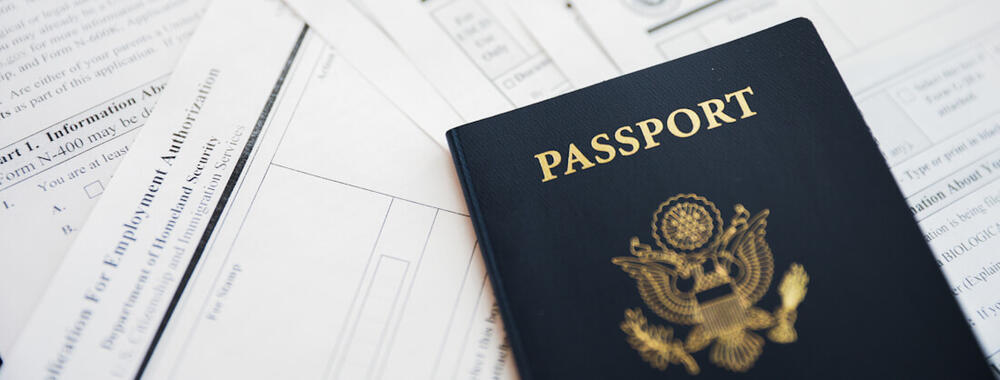
Every Italian province has an office that the government describes as a one-stop shop for immigration. This is the Immigration Desk (or Sportello Unico per l'Immigrazione). These offices are responsible for the entire process of hiring foreign workers in Italy.
While you'll need to submit certain documents, the employer takes responsibility for much of the application. Requirements can vary over time, but your employer should inform you of what is necessary. Generally, a copy of your ID or passport, proof of accommodation, and future employment details are required.
Before an application for a work authorisation can be made, your Italian employer must first apply for clearance (nulla osta) at their nearest immigration centre. This is because Italy limits the number of foreign workers that can be employed in any given year. Once clearance is granted and a visa is issued, you can enter the country. Once there, you'll need to head to your local immigration centre and apply for the relevant permesso di soggiorno (work-residence permit). Different categories of residence permits are available, including employee, seasonal worker, and self-employed.
Types of work permits
When applying for a permesso di soggiorno you'll have a few options, including:
- Lavoro Subordinato: For employees with long-term positions, subject to quotas
- Lavoro Stagionale: For short-term contractors, subject to quotas
- Lavoro Autonomo: For the self-employed, subject to quotas and tightly regulated
- EU Blue Card: For highly skilled professionals, exempt from quotas, but additional requirements may be necessary
Permit validity
Expats with a permit that is valid for a year or more are required to report to the Italian Ministry of the Interior (Ministero Dell’Interno), where they will agree to fulfil certain integration objectives, such as attending Italian language classes.
A working residence permit for seasonal work is generally valid for six months and can be extended by an additional three months. Permits for self-employment, employment under a local employer and family reunification are valid for a maximum of two years.
Work authorisation for Italy is position-specific, and any change to the employee’s position must be reported to immigration. If an expat loses their job in Italy, their residence permit will not automatically be revoked. Instead, it is possible to register as being unemployed and stay for as long as the permit allows.
Useful links
* Visa and work permit requirements are subject to change at short notice, and expats should consult their respective embassy or consulate for the latest details.
Weather in Italy
The climate in Italy is diverse and is divided into five distinct regions: the northeast, northwest, centre, south and the islands. In the northern mountainous regions of the Alps, villages and cities often experience long, cold winters with heavy snowfall, along with rain and hail. Morning lows in winter tend to be well below freezing, sometimes dropping as low as -22°F (-30°C). Summers are mild, with an average high of 81°F (27°C) in July, the region's hottest month. Even during this period, there may be snowfall.
Venturing further south, metropolitan areas like Milan and Venice experience significant weather variations. Severe wet and foggy winters with close to freezing average temperatures of around 36°F (2°C) and hot and humid summers with a few short bursts of cold spells and hailstorms. Summer temperatures can soar to 90°F (32°C).
Locations like Naples further south experience a moderate Mediterranean climate, with scorching, dry summers, and gentle winters. The warmest month in this region is August, which can bring blistering temperatures of up to 108°F (42°C). Winter lows, on the other hand, are usually around a manageable 48°F (9°C).
Spring and autumn, though fleeting, usher in the most pleasant weather in Italy, marking a mild respite between the extremes.
Visas for Italy
The requirements and process to get a visa for Italy will vary depending on the applicant’s country of origin and their reason for visiting Italy.
Citizens of the EU, and those from a designated list of countries drawn up by the Italian government, are afforded visa-free entry into Italy for varying periods. This list includes Canada, Japan, and New Zealand, among other countries.
EU citizens only need a passport valid for the duration of their stay plus three months to pass the border. No additional tourist visa or business visa is required. Citizens of the EU may also legally work in Italy without a work permit. All they would need to do is apply for a residence card to navigate bureaucratic channels and tap into certain parts of local life, like opening a bank account.
Citizens of countries not appearing on the visa-free list must apply for a Schengen visa to enter Italy for tourism or business purposes.
Schengen visas for Italy

There are several types of visas for Italy. The main types are the Uniform Schengen Visa (USV), the Limited Territorial Validity (LTV) visa and National Visas (NV).
The Uniform Schengen Visa (USV), or type C, is a short-term visa that is valid for up to 90 days and allows for travel to Italy and other Schengen states.
The LTV, however, limits travel to the specified Schengen country (in this case, Italy). Expats with the LTV are only able to travel within Italy or any other Schengen states that are specifically mentioned in terms of the visa application and agreement.
The National Visa (NV), or type D, is a long-term entry visa that allows the holder to stay in Italy for specific purposes, such as to study, work or permanently reside in the country. The type D visa may allow for travel to other Schengen countries.
Type C and D visas are split into several different categories, each of which has its own requirements. Prominent among these are the visas for business, subordinate work, independent work, working holiday and study. Visas can also be obtained for purposes of religion, culture, sports, or medical requirements or where a spouse is an Italian citizen.
Schengen visas (with the exception of the LTV visa) allow individuals access to other EU member states and member states of the EFTA.
Non-EU citizens who want to work in Italy will need to apply for a work permit.
Working in Italy
Doing Business in Italy
Useful links
- Visa for Italy – Official Italian Visa Portal
- Your Europe – Travel documents for non-EU nationals
- Ministry of Foreign Affairs
Residence permits for Italy
If staying in Italy for more than 90 days, expats will need to apply for a Permesso di Soggiorno (residence permit). Applicants have to provide a legitimate reason for their stay, and this will determine the length of the permit’s validity. For instance, a residence permit can be granted for seasonal work, study purposes, self-employment, open-ended employment or family reunification, and is valid for up to two years.
Residence permits need to be renewed at least 60 days before the expiry date. Applications for permanent residence can only be made after living in Italy for five years with a valid residence permit.
Regardless of whether you apply for a residence permit before or after you have arrived (the ability to do so depends on your nationality), you'll have to report to your local immigration centre within eight days of arriving in Italy. The residence permit can be applied for at a post office and is issued at your local police station. This requires filling out an application form specifying the type of permit required, and supplying proof of identification, fingerprints and photos.
Different types of permits may have different requirements. The residence permit is in the form of an electronic smartcard to guard against fraud. The duration of a working residence permit for Italy is valid for as long as the applicant’s entry visa, although extensions are possible. Residence permit holders have access to government services and benefits.
Many aspects of Italian life require having a residence permit, including opening a bank account, so applying for this as soon as possible is both necessary and useful.
Banking, Money and Taxes in Italy
*Visa requirements can change at short notice, and expats should contact their respective embassy or consulate for the latest details
Transport and Driving in Italy
Using public transport and driving in Italy are generally enjoyable experiences. Given the efficient and modern train and bus systems, you can reach most parts of Italy by public transport. Despite this, travelling by car is still a popular option, even though owning a car in a large city can be expensive and driving can be stressful.
Public transport in Italy
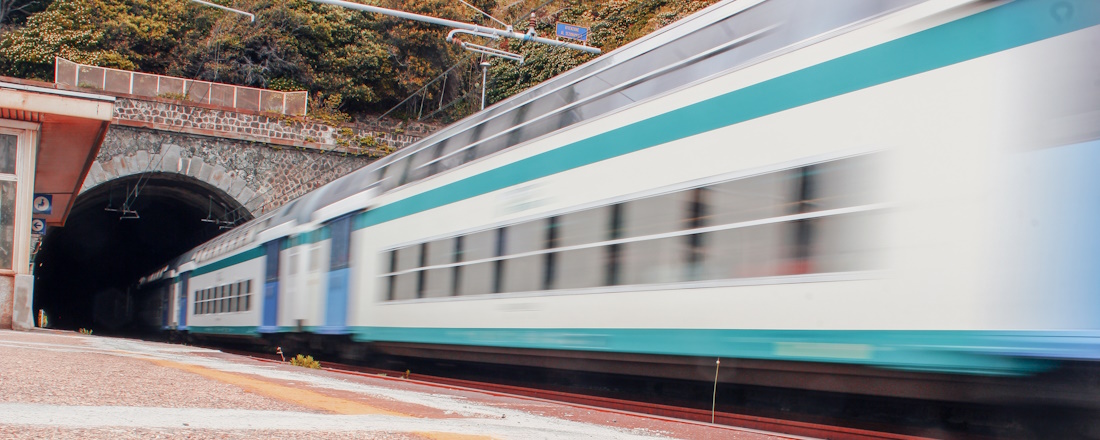
The Italian public transport system is well connected and varied. You can choose to travel by road, rail, air or water to locations all over the country.
Trains
Trains are the most efficient and cost-effective way to travel around Italy. The country's rail system is extensive, with options ranging from high-speed trains to slower regional services.
High-speed rail routes, such as those operated by Trenitalia's Frecciarossa (red) trains, connect many of Italy’s major cities, including Rome, Florence, Milan, and Bologna, at speeds up to 186 miles per hour (300 km per hour). Frecciargento (silver) and Frecciabianca (white) trains offer high-speed services as well, with top speeds of 155 miles per hour (250 km per hour) and 124 miles per hour (200 km per hour), respectively.
In addition to these high-speed options, Trenitalia's intercity trains play a crucial role in connecting both major and minor cities across Italy. These trains offer a balance of speed and affordability, travelling at up to 100 to 125 miles per hour (160 to 200 km per hour), with first- and second-class cars and more than 85 daily connections reaching over 200 stations nationwide. While reservations are required and included with ticket purchases, rail pass holders can board without a reservation. Be that as it may, it is highly recommended to reserve a seat for a guaranteed place, particularly during peak travel times.
Regular and regional trains are slower but more cost effective, ideal for short trips within cities or travelling between smaller towns. For those seeking the charm of undiscovered Italy, the intercity lines are a great way to explore the country's picturesque regions. Daytime and overnight trains cater to various schedules and destinations, including international routes to neighbouring countries.
Single tickets and rail passes offer flexibility and affordability for both frequent and occasional travellers. They can be purchased at train stations, through official vending machines or online, where reservations are automatically included with ticket purchases.
Buses
In Italy, intercity buses provide an indispensable service linking cities and towns, particularly for those keen to explore a region in depth or travel economically. Diverse regional bus companies, rather than a nationalised network, offer these connections, with services tailored to the intricacies and demands of local transport needs.
Travelling by bus in Italy can be slower than other forms of transport, but it remains a viable choice for budget-conscious travellers or those wishing to take scenic routes. In urban areas, the challenge is often navigating through traffic and the narrow streets of historic city centres, which can introduce delays.
When it comes to purchasing tickets, a variety of points of sale are available, including local bars, tobacconists and newsstands, as well as ticket machines at stations. Increasingly, companies are providing online sales, addressing the digital needs of modern travellers. Cities frequently offer 24-hour tickets, which are perfect for tourists looking to maximise their travel flexibility. It is essential to validate tickets once on the bus to avoid the possibility of fines.
Some of the most popular bus companies, such as Flixbus and Megabus, extend their reach beyond regional confines. They are part of a larger European network favoured for its efficiency and affordability.
Metro
Metro networks provide an efficient and rapid transit system in seven of Italy's cities, including the bustling centres of Rome, Milan, and Naples. Milan's network, in particular, stands out as the most extensive, boasting five lines and over 100 stations. Utilised by locals and visitors alike, the metro offers an economical, comfortable, and reliable means to traverse Italy's urban landscapes. Tickets are readily available from automated machines or booths at metro stations.
Trams
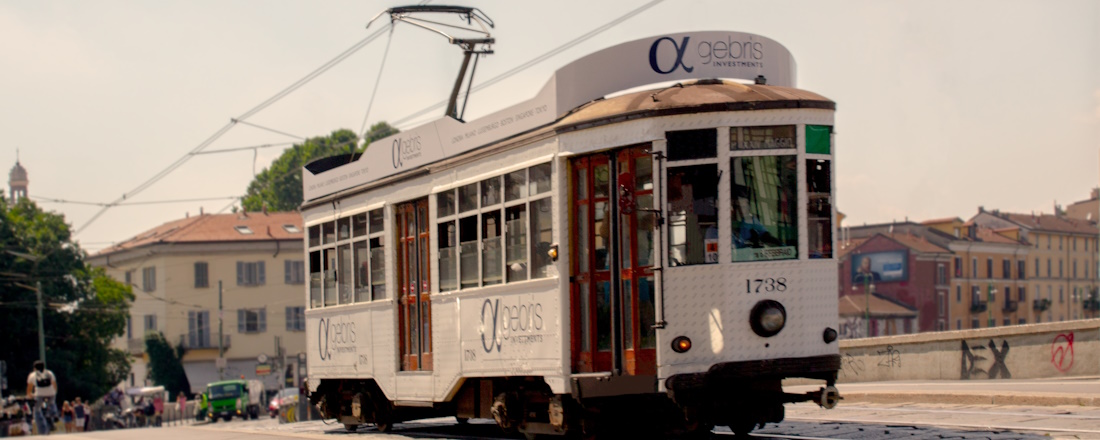
Trams are a scenic and convenient way to travel above ground in Italy's major cities, such as Rome, Milan, Naples, Turin, and Florence. Their routes are an integral part of the city's overall transport network, which operates in concert with digital navigation tools like Google Maps, ensuring efficient travel without the delays commonly associated with traffic congestion. Diverse ticket options cater to both short-term and long-term visitors, including single-use, daily, and monthly passes.
Ferries
For connecting to Italy's myriad islands, such as the scenic Sardinia, the historic Sicily, and the picturesque Elba, Aeolian, and Pontine archipelagos, ferries are the transport mode of choice. They also sail from Italy to a range of coastal countries, including routes from Slovenia, Croatia, Montenegro, Albania and Greece in the Adriatic and Ionian Seas, as well as from Spain, Tunisia, Malta and Morocco.
Regular ferry services ensure that island-hopping is both pleasurable and convenient, with additional local bus services providing the final link to more remote locales. Renowned for their high standards, ferry operators like Travelmar – Traghetti Salerno are well regarded by travellers, contributing to a seamless sea journey.
Useful links
Taxis in Italy
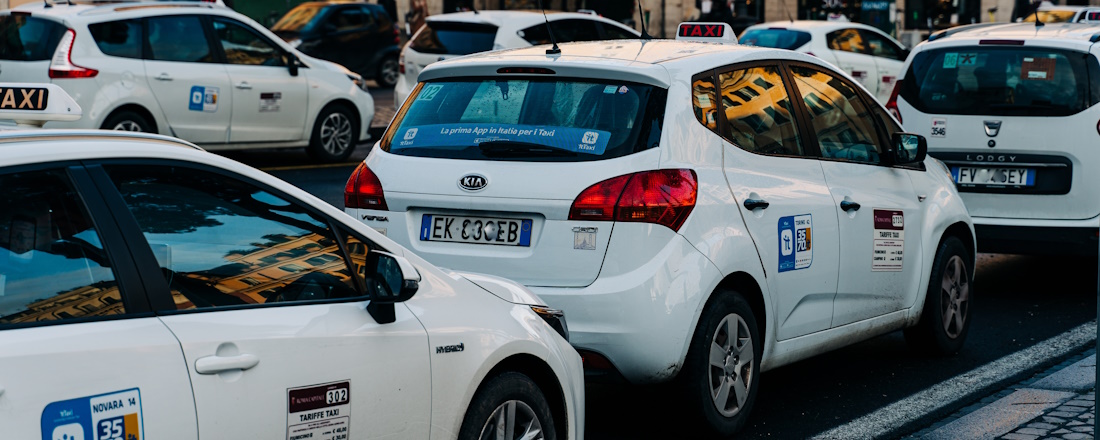
Metered taxis are an integral part of the transport landscape in Italian cities and are particularly well suited for brief, local trips. It's standard practice for expats and tourists alike to ensure the meter is activated to avoid unexpected charges. If the driver refuses or claims that the meter is broken, be sure to negotiate a flat fare before getting into the taxi.
Taxis can be found at official taxi ranks, providing a layer of assurance and predictability. In Italy, you generally can't hail a taxi off the street and need to make use of designated areas or order a taxi via phone from a reputable company. For added convenience, you can use taxi apps such as FreeNow and itTaxi, which streamline the process of hailing a cab.
Rideshares
For those seeking alternative travel options, rideshare apps offer an innovative solution. While traditional services like Uber are restricted, with only premium offerings in place due to local regulations, apps like BlaBlaCar and Scooterino offer unique travel experiences for city commuting and longer journeys. BlaBlaCar facilitates carpooling for intercity travel, encouraging a communal and eco-friendly approach, whereas Scooterino specialises in nimble scooter rides, perfect for navigating through bustling city traffic.
Useful links
Driving in Italy
Driving in Italy can be stressful, as the Italian driving culture may be more aggressive than what you're used to. Lack of parking in city centres is a concern, as are petrol expenses. Most expats use public transport to get around in cities and reserve driving for intercity travel or trips away.
Those looking for a faster way to get around while saving on petrol should consider driving a motorcycle or scooter. These are popular modes of transport in Italy, especially in the summer months.
Expats can ship their cars to Italy, but foreign vehicles may need adaptations to meet Italian requirements. The costs depend on the vehicle’s characteristics as well as the shipping company.
Tolls
Fast, well-maintained highways span the country’s landscape, but many charge tolls that can become expensive if you commute every day. When on a toll road, motorists will pass through an Alt Stazione (toll booth), where they collect a ticket. At the next exit, drivers submit the ticket at another Alt Stazione and pay the applicable toll.
Payment methods include cash, credit cards, and Telepass. Telepass is an electronic tolling system. It allows drivers to pass through toll points without stopping, either paying a flat rate or a distance-based rate.
Driver's licences
EU licence holders can drive in Italy using their licence from home. Non-EU expats can drive in Italy with their home-country licence accompanied by an International Driver’s Permit (IDP). IDP holders can drive for up to one year in Italy while EU licence holders can continue to drive on their licence until it expires.
To keep driving, you'll need to convert your licence to an Italian licence. Italy has reciprocity agreements with certain countries, allowing a direct driver's licence swap. Those from a country without such an agreement will need to take a driving test.
Useful links
Domestic flights in Italy
Air travel remains a speedy and popular option for covering Italy's longer distances, connecting the boot from the Alpine north to the Mediterranean south. Major airports in cities like Rome, Milan, Naples, and Venice offer a vast array of domestic and international flights, making them hubs for travellers looking to make the most of their time in the country.
The air network is bolstered by a mix of traditional and low-cost carriers, offering a range of options to suit various budgets and preferences. With the efficiency and frequency of flights, island destinations like Sicily and Sardinia are just a short trip away from the mainland, ensuring that even the most remote Italian charms are within easy reach.
Useful links
Moving to Italy
Living in Italy as an expat
Moving to Italy is a dream for many expats. From Ancient Rome to the Renaissance, 'the boot' at the bottom of Europe has had a vast influence on European art, culture, and politics that continues to resonate.
Offering residents an attractive lifestyle with an emphasis on family, scenic beauty and world-famous cuisine, Italy lures expats with its passion for la dolce vita – the sweet life.
That said, your experience in Italy can vary markedly depending on your location. Those living in cities in the north of the country, such as Milan and Turin, will find that things are fairly fast paced, with business being a priority. The further south you go, the more the lifestyle becomes relaxed and typically Mediterranean, with locals taking longer lunch breaks and enjoying the passeggiata (a long, leisurely evening stroll).
Regardless of regional differences, one thing new arrivals are sure to find is that just about every occasion in Italy is a reason to celebrate with good food, wine, and family and friends.
Moving to Rome
Moving to Milan
Moving to Florence
Working in Italy
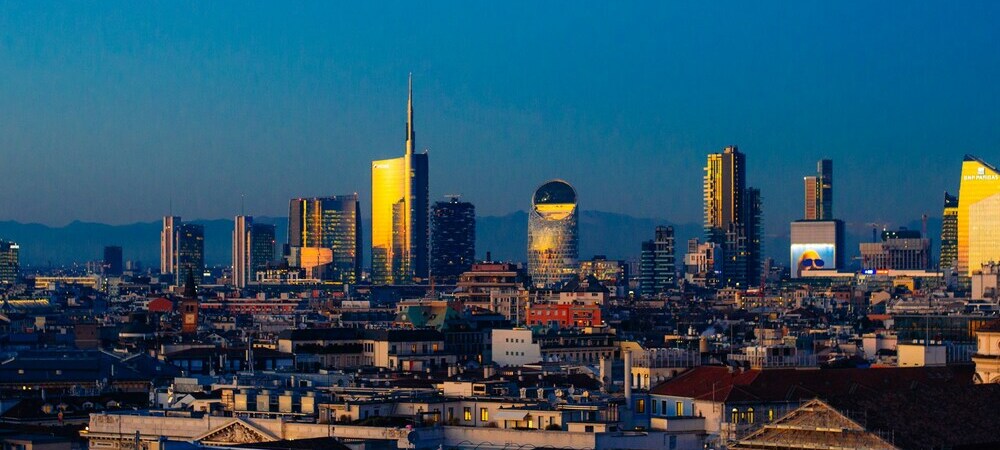
Finding work in Italy can be a little difficult at times, as there are quotas in place limiting the number of foreigners that can be employed each year. Italy's main industries include tourism, fashion, agriculture and manufacturing. Northern parts of the country have a more high-tech economy with a focus on IT and industry, while southern areas rely more on farming and food production.
The Italian focus on family extends into doing business in Italy. A substantial portion of Italian businesses are family-owned, from major corporations to the smaller enterprises that make up much of the local economy. Networking and building and maintaining relationships are key when trying to fit into the work culture in Italy. Hierarchies are as important as presenting yourself well.
Working in Italy
Visas for Italy
Work Permits for Italy
Italian culture
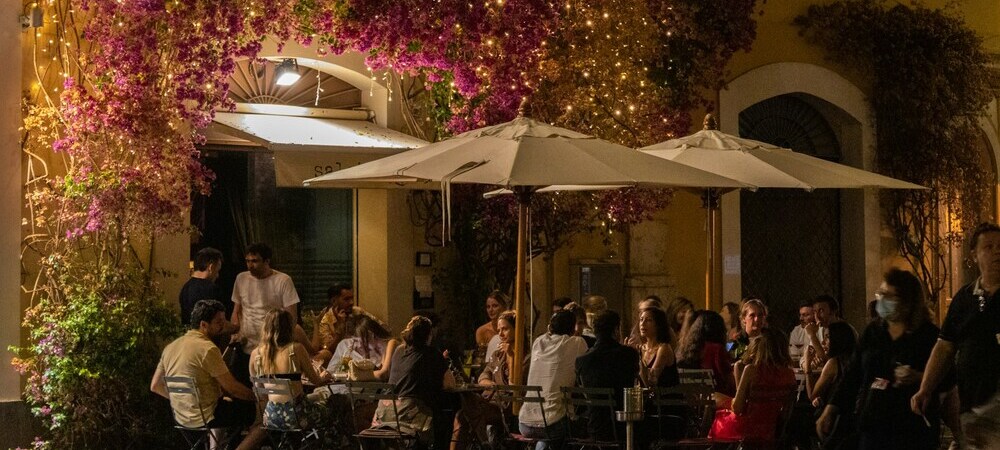
Italian culture can take some time to adjust to, especially when the language barrier adds to the challenge of everyday tasks such as finding housing, healthcare, or schools. Still, once you overcome the initial challenges, you'll often find life in Italy deeply rewarding.
The country's official language is Italian, and not all locals speak English. It's a good idea to learn at least some Italian, whether through language schools or private tutors, as fluency can help integrate into local communities more easily. Italians are expressive communicators, often using gestures and body language – understanding these cues can help you connect more naturally.
Fashion is a defining element of Italian culture. Professional and stylish dress is not limited to the workplace in Italy, and a confident presentation is valued in both social and business settings. Religion also plays a significant role, with Roman Catholicism strongly influencing day-to-day life in Italy. Holidays such as Easter and Christmas remain central to community life and are celebrated all over the country.
The topic of food is unavoidable when talking about Italy. The country is renowned for its flavourful and timeless dishes, and Italians take great pride in their cuisine. Expect to spend plenty of time with friends or coworkers cooking, eating, and drinking wine.
Local Culture in Italy
Business Culture in Italy
Finding accommodation in Italy
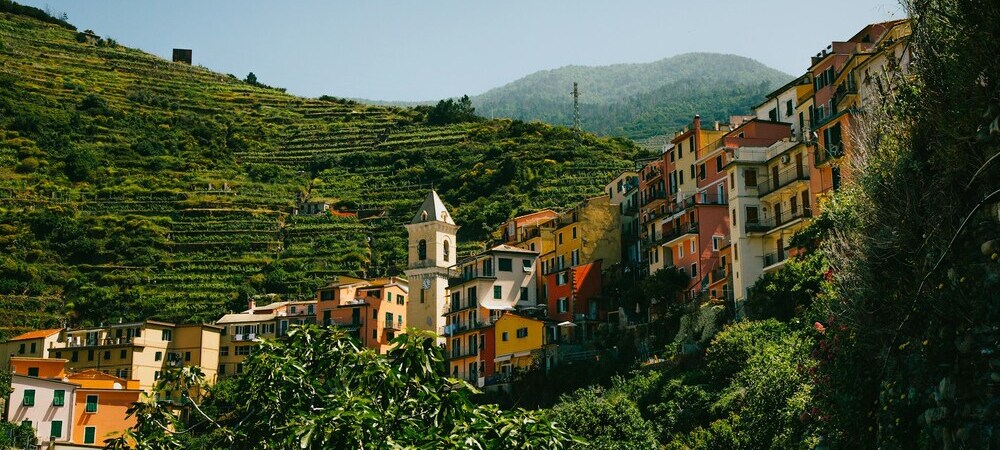
Apartments are by far the most common form of accommodation in Italy, with pastel-coloured buildings built in the 60s and 70s lining city streets. Despite the large volume of available housing, it can be tricky to find the right place to live in Italy. Detached homes are rare, usually limited to villas in the countryside. Terraced houses can be found in smaller towns, but freestanding homes remain the exception rather than the rule.
Rental prices vary widely – southern cities like Naples and Bari are somewhat affordable, while bargains in Rome, Milan, or Florence are hard to come by. Most expats look for properties online or through local agents, though agency fees can be high. Some relocation companies offer house-hunting, making them a viable option, too. It’s best to view properties in person before finalising agreements. Short-term, fully-furnished rentals are a good stepping stone while looking for more permanent accommodation.
Renting Expat Accommodation in Italy
Best Places to Live in Rome
Recommended Areas and Suburbs in Milan
Best Neighbourhoods in Florence
Cost of living in Italy
The lifestyle in Italy is a major draw for many expats, though the cost of living can be high. Accommodation is often the biggest expense, particularly in major metropolitan cities such as Milan, Rome, and Florence, while smaller towns and rural areas remain more affordable. Public transport is cheap and effective – making use of trains, buses, and trams on a regular basis can help keep commuting and travelling costs down.
Everyday costs like groceries are manageable, especially when shopping at local markets or buying locally produced goods. Lifestyle choices play a major role in overall expenses. You can find entertainment and dining options to suit all budgets, though the offerings are skewed toward the pricey side in the more popular cities. High-quality free public healthcare and education help make some additional breathing room in your budget.
Living in Italy with children

Italy is exceptionally well suited to families, and there is plenty for young and old alike to get up to in their free time. Italy is home to the globe's largest number of UNESCO World Heritage sites, not to mention plenty of museums, family-friendly eateries, parks, forests, and lakes for you to enjoy. Italian culture places great value on family; you're likely to encounter plenty of kind, compassionate, and friendly locals.
Public healthcare in Italy is either free or heavily subsidised, and of an exceptional standard, so there's no reason to fret if your little ones ever get sick. You'll need to register with the Servizio Sanitario Nazionale (SSN) once you're in the country to access free care. Private health insurance is recommended to bridge the gap between your arrival and registration with the national health service.
Finding a school in Italy
When relocating to Italy, you'll find a range of schooling options for your children. Public schools are free and widely available, but the language of instruction is Italian, which may pose challenges, especially for older children. If you prefer your children to follow the curriculum from your home country, there are numerous international schools in major cities such as Rome, Milan, and Florence that offer curricula from the US, the UK, and the International Baccalaureate.
Private schools guided by Catholic principles are common, as are institutions that base their curricula on alternative educational philosophies, like Waldorf or Montessori. The standard of schools in Italy is high across the board – your kids will be well looked after, even if your first-choice school isn't available.
Education and Schools in Italy
Getting around in Italy
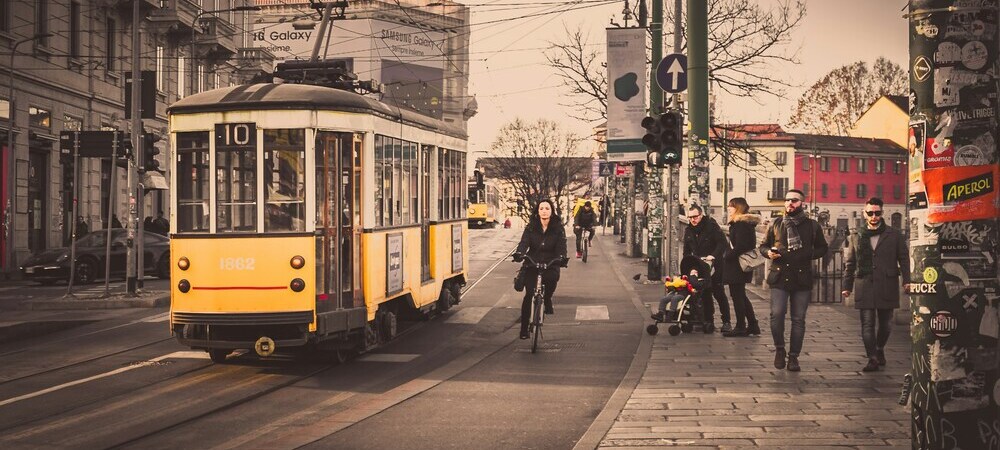
Italy has a well-developed and efficient public transport system, with metro networks, buses, trams, and trains serving most cities. If you live in a major city like Rome or Milan, public transport is usually sufficient for getting from A to B, making car ownership optional. If you do choose to drive, prepare for plenty of traffic, scarce parking, and an aggressive driving culture. Taxis and ride-hailing services are available but can be expensive, while cycling and walking are popular and healthy ways of getting around in historic centres.
Transport and Driving in Italy
Climate and weather in Italy
Northern Italy experiences long, cold winters with heavy snowfall, along with rain and occasional hail. Summers are mild, with 81°F (27°C) being the average high in July, the region's hottest month. A bit further south, cities such as Milan and Venice experience wet and foggy winters with close-to-freezing average temperatures and hot and humid summers. Locations like Naples, further south, have a moderate Mediterranean climate, with extremely hot, dry summers and mild winters.
Italy has much to offer, including amazing natural beauty, magnificent ancient architecture, and passionate locals. When relocating to 'The Boot', you're sure to be mesmerised by this fascinating country.
Fast facts
Official name: The Italian Republic
Population: About 60 million
Capital city: Rome (also largest city)
Other cities: Milan, Turin, Naples, Palermo
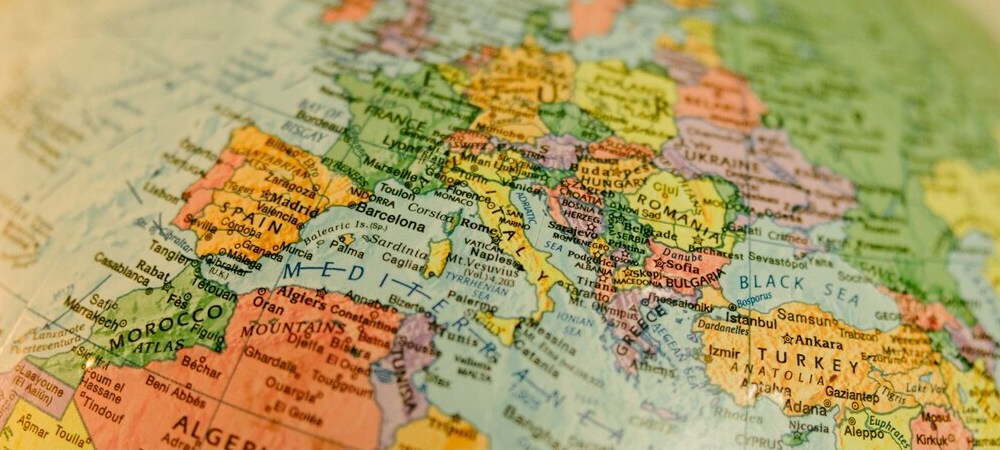
Neighbouring countries: Italy's famous boot-like shape is formed by a long Mediterranean coastline. France, Switzerland, Austria and Slovenia border the country to the north.
Geography: About 40 percent of Italy is mountainous, with the most notable mountains being the Alps in the north and the Apennine Mountains along the peninsula. Non-mountainous areas of Italy are usually flat plains.
Political system: Unitary parliamentary republic
Major religion: Roman Catholicism
Main languages: Italian is the official language, though certain regions have a high prevalence of German and French speakers. English is spoken mainly in tourist centres and large cities.
Money: The currency in Italy is the Euro (EUR), which is divided into 100 cents. ATMs can be found easily, even in small towns. All foreigners can open a bank account in Italy, but accounts for residents have extra perks, like lower interest rates and fees.
Tipping: Tipping is not necessary in restaurants as a service fee is usually added, but for good service, diners should round up the bill by a few euros.
Time: GMT+1 (GMT+2 from the last Sunday in March to the last Sunday in September).
Electricity: 230V, 50Hz. Plug points can vary, but the 'Type C' rounded two-pin plug is most common.
Internet domain: .it
International dialling code: +39
Emergency contacts: Dial 112 for the EU emergency line. Expats can reach the Italian police directly on 113, the ambulance on 118, and the fire brigade on 115.
Transport and driving: Cars drive on the right-hand side of the road in Italy. Expat drivers may find Italian driving culture aggressive, and parking is limited in the cities. Public transport infrastructure is well developed in major cities, but smaller rural towns have more limited options.
Banking, Money and Taxes in Italy
Modern banking traces its origins to the Renaissance in Italy. In fact, the world's oldest functioning bank still does business today and has been open since 1472. The country's contemporary banking sector is modern and efficient, so you shouldn't expect much stress when dealing with banking, money and taxes in Italy.
Money in Italy
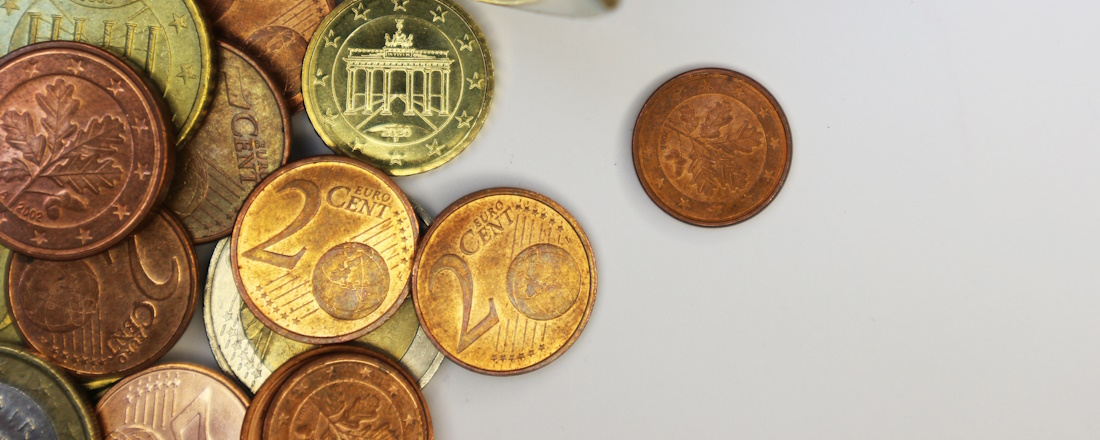
The official currency of Italy is the Euro (EUR), as in other member states of the European Union. One euro is divided into 100 cents, also known in Italian as centesimi.
• Notes: EUR 5, EUR 10, EUR 20, EUR 50, EUR 100, EUR 200, and EUR 500
• Coins: EUR 1 and EUR 2, as well as 1, 2, 5, 10, 20, and 50 cents
In Italy, large figures are separated into thousands with a full stop rather than a comma.
Banking in Italy
Major banks in Italy are in and around big cities, with local branches dispersed throughout the country. The better-known banks in Italy are the Banca Nazionale del Lavoro, Intesa Sanpaolo, Unicredit, and Banca Monte dei Paschi di Siena. International banks such as Deutsche Bank and Citibank also operate in the country.
Banking hours are generally between 8am and 1.30pm from Monday to Friday, depending on the bank. Some banks are open for another hour in the afternoon. Mornings are generally the best time to do banking.
Italian banks are notorious for charging high interest rates, so it's a good idea to shop around before signing any contracts or taking out any loans.
Opening a bank account
Expats can open a bank account in Italy regardless of citizenship or residence status. Non-resident accounts (conto corrente non residenti) are popular with expats since they usually pay interest and are not subject to local interest taxes. Often, this type of account allows for use in both euros and foreign currency.
If you plan to live in Italy for an extended period, you may prefer to use a resident account. There are several types of resident bank accounts, including current, joint, savings, and deposit accounts.
Choosing which bank to use can depend on its usability, if it provides services in one’s home language, and its fees.
Banks in Italy don't usually allow individuals to open accounts online. Instead, you may need to go to the branch in person with your passport and codice fiscale (tax code). Proof of an Italian address may also be required. Applicants will have to provide personal information and fill out application forms. These are generally in Italian, so it may be a good idea to bring a fluent friend along.
Different banks will have different procedures, and some will be more familiar with working with foreign clientele than others. As a result, it's best to compare the packages and requirements on offer at different banks.
ATMs and credit cards
ATMs in Italy are known to locals as bancomats. They are widely available in cities and towns. They are user-friendly – you can choose your preferred language at the beginning of the transaction.
As is the case in many other countries, larger stores in Italy usually accept debit and credit cards. The most common card companies in Italy are CartaSi, Visa, and MasterCard. Diners Club and American Express are also available in certain areas.
Card cloning occasionally occurs in Italy, so expats should be vigilant when paying with credit cards or drawing money from an ATM.
Useful links
Taxes in Italy

Taxes in Italy are collected by the Italian Agency of Revenue (Agenzia delle Entrate), which has offices at national, regional, and provincial levels.
When relocating to Italy, you'll need a tax number. This is needed for most paperwork, such as opening a bank account, signing official contracts, and starting a new job. Take your passport or ID document to a provincial tax office (ufficio imposte) and fill out an official form to apply for one.
It is possible to apply for the tax number at the Italian embassy in your home country.
Income tax in Italy is progressive, which means that the more you earn, the more tax you may be subject to. Expats who are subject to taxation in Italy will have to pay direct taxes to the central tax authority, as well as regional and local taxes.
Foreign residents who live in Italy for more than 183 days a year are only required to pay tax on income they earn in the country. Permanent residents are expected to pay tax on income derived locally as well as internationally. Italy has, however, entered into double-taxation avoidance agreements with several countries to ensure that foreign citizens are not taxed on their income twice.
Given the complexity of dealing with tax, especially in a different language, it's worth seeking professional advice to navigate the taxation system in Italy.
Useful links
Working in Italy
Working in Italy is a promising prospect for many, as the country's economy is one of the strongest in the EU. Despite this, Italy does struggle with a high unemployment rate and slow growth rates relative to the rest of Western Europe. There are also significant disparities between the northern and southern regions of the country.
Job market in Italy
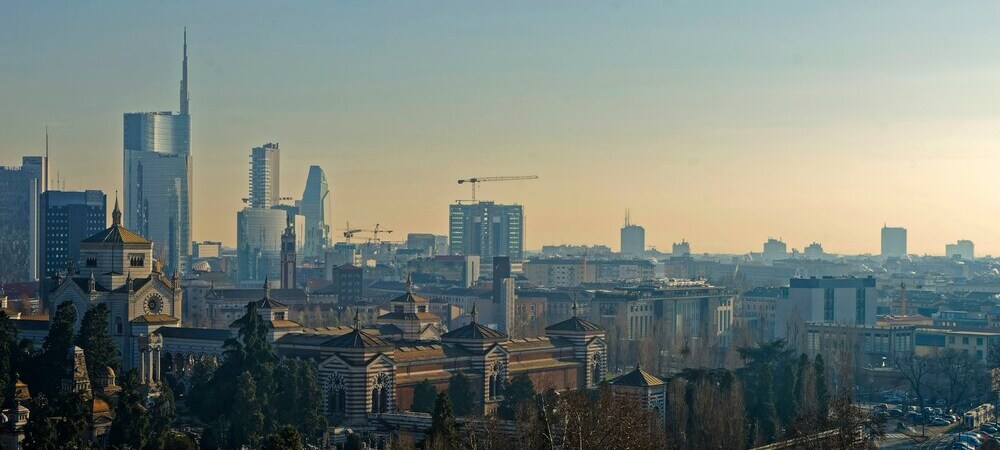
Italian companies such as Ferrari and Prada are world renowned, and the country is well known for being a global fashion centre and manufacturer of automobiles. This, however, does not give a complete picture of the job market in Italy, since different industries operate in different regions. The country has a relatively small number of international corporations, while small and medium enterprises create the most jobs.
Northern Italy is well developed, industrialised, and responsible for most exports. Southern Italy, on the other hand, is economically much weaker, far more agricultural and struggles with much higher rates of unemployment. As a result, many new arrivals work in Italy’s northern regions and in Rome, the Italian capital.
With a lack of natural resources throughout the country, the main driver of the Italian economy is its service sector. Tourism plays an especially significant role, with the wealth of cultural attractions in Italy drawing in millions of tourists every year.
The manufacturing sector also plays a crucial role in Italy’s economy, with the country’s biggest exports including cars, furniture, food, and, unsurprisingly, fashion. While the agricultural sector makes a relatively small contribution to Italy’s GDP, Italy is one of the world’s largest producers of wine, olive oil, and fruit, especially in the country’s south.
The industries that have traditionally been the most open to foreigners are tourism, finance, media and communication, and international business. That said, the current economic climate does make finding a job in Italy as a foreigner quite challenging.
Teaching English in Italy is an increasingly popular option for expats seeking employment in the country. Given higher levels of competition for jobs, those with the relevant qualifications and experience are most likely to find work as teachers.
Finding a job in Italy

While it is changing slowly, a large proportion of Italians don’t speak English very well, if at all. Italian remains the official language of business, and as a result, foreigners seeking employment in Italy are often expected to be fluent in the local language. As a rule, Italian businesses are biased towards qualifications over experience. Those who are most likely to find employment in Italy have one or more degrees and speak a serviceable amount of Italian.
There are several avenues that expats searching for jobs in Italy can explore. Online job portals are the most accessible and practical means of looking for jobs. Agencies and recruiters are also viable options. Some expats look for short-term jobs first to get experience in the Italian workplace before trying to land a longer-term appointment.
While EU citizens have the right to work in Italy, non-EU citizens must obtain a work permit.
Useful links
Work culture in Italy
Business culture, like Italian society in general, respects age, seniority, and expertise. New arrivals will notice this extends to the workplace, where hierarchical structures are the norm. It is always important to dress well, as appearances and first impressions are important to Italians.
Business hours in Italy are usually between 8am and 1pm and from 3pm to 7pm, depending on the business and the industry. Many businesses, especially in the retail sector, close on Monday mornings. While this is less the case at major firms in big cities, Italians traditionally take a two-hour lunch, contributing to the somewhat unorthodox working day.
Healthcare in Italy
Healthcare in Italy is overall well managed. The public sector has an excellent reputation, although the quality of care can vary by region. Private healthcare in Italy is equally well regarded, but can be prohibitively expensive without proper insurance. Most Italians use public healthcare, while those who can afford it make use of both systems.
Public healthcare in Italy

The national health service in Italy, Servizio Sanitario Nazionale (SSN), provides residents with free or low-cost healthcare, including access to general practitioners (GPs), treatment at public hospitals, subsidised medicines, lab services, ambulance services, and certain specialist care.
Although the SSN is a socialised system, regional governments are in charge of managing it on a provincial level, so the standard of treatment isn't uniform throughout the country. For instance, public hospitals in Italy’s northern and central regions are known to offer higher standards of care than those in the south. As a result, you might prefer to seek treatment in cities like Milan.
Private healthcare in Italy
Private healthcare in Italy is staffed with well-trained doctors and is on par with the finest in the world. There are several impressive specialist facilities in large urban centres, while university hospitals are also highly reputable.
Private healthcare lets you avoid the queues and complications of the public system. It also provides for greater comfort and personal choice regarding doctors and facilities. For these reasons, although public healthcare in Italy is free for expat residents and Italians alike, most foreigners and many Italians who can afford it still opt to utilise private healthcare.
Private procedures vary in cost, although the Ministry of Health sets a minimum charge for all operations in this sector. Despite this, it can get awfully expensive, and health insurance is a must. In many cases, employers are obligated to finance health insurance for their employees, but if not, you should ensure that you're covered.
Health insurance in Italy
EU citizens can use their European Health Insurance Card (EHIC) to access state healthcare during a short-term visit of 90 days or less. UK citizens can use their Global Health Insurance Card (GHIC), which replaced the EHIC for UK citizens post-Brexit. Non-EU expats in Italy for a short visit should have private health insurance valid for the duration of their stay.
When moving to Italy, expats will need to formally register for the SSN. Expats who have their residence status finalised and have an Italian tax number (codice fiscale) can apply for an Italian health insurance card (tessera sanitaria). To do so, you need to go to your nearest local health authority (Azienda Sanità Locale) and apply for the card. Various documents, including your residence permit, tax number, official identification, and proof of employment, are required. If you want to claim benefits for your family, you'll need a family status certificate (certificato di stato di famiglia), which includes the personal details of relatives.
After registering, applicants must choose a family doctor and, if applicable, a paediatrician. They are then issued their Italian health insurance card, which must be presented to receive care under the SSN. The tessera sanitaria is either valid for the duration of the holder's residence permit or for six years for EU or Italian citizens.
Pharmacies in Italy
Under the Italian healthcare system, medicines prescribed by a GP are provided free of charge or at subsidised rates. Over-the-counter medicines, on the other hand, must be paid for in full. There are many pharmacies (farmacia) around Italy, including some 24-hour pharmacies, especially in the major cities.
Vaccinations for Italy
Italy has a well-established vaccination program for its citizens, and visitors are typically not required to have any specific vaccinations to enter the country. Nevertheless, for expats and long-term visitors, it's a good idea to ensure routine vaccinations, such as measles, mumps, rubella (MMR), and diphtheria, tetanus, and pertussis (DTaP), are up to date.
It is always recommended to consult with a healthcare provider about any specific vaccinations or health precautions before travelling. While Italy doesn't have many tropical diseases, it's best to be prepared, especially if travelling to or from areas with specific health risks.
Emergency medical services in Italy

For emergency medical services in Italy, expats can dial 118, but English-speaking operators might not be available. If you don't speak Italian, call the European emergency number 112 instead.
The arrival of emergency services in life-threatening situations can vary and is, depending on congestion, reasonably fast in urban areas but much slower in rural areas.
Shipping and Removals in Italy
Managing shipping and removals in Italy can be fairly complex, but the country's plentiful seaports make the process a bit easier. Deciding which option is best depends on your needs regarding the quantity of goods, time frame, budget, and country of origin.
Shipping to Italy
When moving to a foreign country, you'll need to make some important decisions regarding your belongings. Some items may have significant sentimental value, while others might be useful appliances that seem more convenient to ship over instead of buying new. Consider carefully whether shipping is worth the effort. You can find semi- or fully furnished accommodation in Italy, and household goods are easy to come by.
Hiring relocation companies in Italy

When choosing a company, you'll likely find that relocation companies, rather than removals companies, provide the most comprehensive services. Relocation companies can help not only ship possessions but also assist with getting settled, finding accommodation, conducting school searches, and finding opportunities for language classes, among other matters.
Hiring shipping and removals companies in Italy
To streamline the process of shipping to Italy, draw up a detailed inventory of household items. A reputable company can then provide an accurate quote based on the load size and distance. Shipment costs to Italy may be affected by size, weight, and volume, and you should check the relevant regulations and restrictions with your shipping company. Some companies offer a ‘groupage service’, where possessions are allocated space in other containers. This is a cheaper option, but it typically means waiting longer for goods to arrive.
Insuring goods in transit to Italy
When moving ot Italy, it is recommended that you insure your items at a cost of around one to two percent of the total value of the goods. You may also consider using a different insurance company than the one used for shipping and transport.
Customs regulations in Italy

To avoid any problems, remember to research the current customs regulations pertaining to Italy before shipping your goods. You should also ensure that your shipping company of choice has border clearance and understands customs formalities in Italy.
You'll need to provide some documents to your chosen shipping company. This often includes a passport copy, work and residence permits, an inventory list translated into Italian, a codice fiscale (Italian tax number) and a residency certificate, although additional documents may also be required.
You can ship your household goods to Italy with no import tariffs if you have owned them for over 12 months and they are not intended for resale. It's ideal to be able to provide receipts for each item showing the date of purchase.
Restricted items include all consumable goods (including alcohol). New furniture and household items will be subject to duty taxes, and the import of all electronic equipment will require an import permit from the Italian Ministry of Posts and Communications and possibly a purchase receipt.
Shipping electronic goods to Italy
When shipping electronic goods and appliances, remember that the voltage in Italy may differ from that in your home country. Standard electricity in Italy is 230V – you'll need a transformer if your devices are rated for different voltages. Simply finding a plug adapter will not render the appliance compatible.
Shipping electronic goods is possible, but be sure that they are covered by insurance and that receipts can be provided.
Shipping pets to Italy
You can bring your furry friend (or friends) into Italy; however, there are specific regulations involved. Pets must be over three months old and must have a valid veterinary certificate with details of the owner, the animal, and their vaccinations. A rabies vaccine is among the required vaccinations when bringing your pet into Italy. If it's your pet's first time being vaccinated for rabies, they must wait three weeks before entering Italy.
A microchip for identification is essential, and while being transported, pets must be tagged with the owner’s details. Once your pet has arrived in the country, an Italian vet will issue an EU Pet Passport, which allows travel around Europe.
Ensure that you choose a shipping company that takes pets or hire a specialised pet transport company to safely relocate your furry friends to Italy. Finding a provider that streamlines the process is essential – reducing stress is a top priority when moving animals overseas.
Shipping vehicles to Italy
Having your own personal vehicle in Italy is a great option for those who want to explore the country independently. Having a car gives you the freedom to move freely and not be limited by public transport. That said, if you settle in a big Italian city, you may not need or want to drive.
Buying a car is an option, but many European expats choose to drive their own car to Italy. Another option is to get a shipping company to import the vehicle to Italy. This becomes a necessity if you're moving from further afield.
Shipping companies can help take the weight off your shoulders when moving a vehicle to Italy. Many companies are flexible and can arrange to ship household goods and vehicles in the same storage container to save space and fees. Specialised frames for vehicles such as motorcycles can be custom made.
If you wish to keep your car in Italy for over half a year, it must be registered in Italy and de-registered in your home country. You'll need to go to the Italian Licencing Authority (Motorizzazione Civile) office and the Public Automobile Registry (Pubblico Registro Automobilistico) within six months of the vehicle's arrival. Required documentation is subject to change over time; get up-to-date information directly from the vehicle registry offices.
Local culture in Italy
It can take some time to adjust to the local culture in Italy. Settling into a new country is often challenging, particularly when cultural differences are compounded by the difficulty of learning another language. Even seemingly simple transactions, such as finding a house, doctor, dentist, school, and bank, can seem daunting.
The initial phase of acclimatising to Italian culture might seem like navigating through a labyrinth, but once expats overcome the initial hurdles, the rich cultural tapestry of Italy often becomes a fulfilling experience. It's a journey of discovering the finesse of Italian cuisine, the warmth of its people, the historic saga encapsulated in its architecture and the lyrical melody of the Italian language. Each day unfolds new facets of Italian traditions, from the aroma of a freshly brewed espresso to the serene ambience of an afternoon riposo.
Language in Italy
Italian is the official language of the country and is spoken by most of the population, although dialects can differ between regions.
There are many language schools throughout the country that provide memorable and useful insights into Italian culture. Alternatively, you can opt for private lessons with a hired tutor in the comfort of your own home.
Italians are also known for being expressive communicators, often using gestures and body language to emphasise their points. Being able to interpret these non-verbal cues can provide deeper insight into conversations and the attitudes of the people you are interacting with. Moreover, reciprocating with some universally understood Italian gestures can also be a fun and engaging way to immerse yourself in the local culture.
Dress in Italy

When you think of fashion, you think of Italy – this connotation exists for good reason. Italy is home to several leading fashion houses. High fashion and professional dress are common in workplace settings. Your general body language speaks to style too, so remember to carry yourself with confidence and walk the walk. This is important among both men and women.
Meeting and greeting in Italy
Italians are more formal in addressing new acquaintances and colleagues than you might be used to from back home. Someone using an informal greeting like 'ciao' (similar to 'hi' or 'bye' in English) to someone they have just met will often be interpreted as rude rather than friendly. Ciao is reserved for use among friends, and a formality-neutral greeting with the same use case is 'salve' ('greetings').
When introduced to an Italian in a formal setting, a person would shake hands and say, 'Buongiorno' (good day) before 4pm or 'Buona sera' (good evening) after. Once acquainted, kisses on the cheek are typically exchanged in greetings and when saying goodbye.
Titles are used when addressing people, particularly older people. In the case of professionals, a director would be referred to as direttore, a doctor is dottore, while an architect would be called architetto, and so on. When addressing someone without knowing their title, a man can be referred to as signore and a woman as signora.
Religion in Italy
 Most of the population of Italy is Roman Catholic and Christian, although the number of Italians who practise their religion is decreasing. Still, religion plays a major role in culture, business, and how people live. Italy is a secular country, but given its ubiquitous churches and the influence of the Vatican City, religion is undeniably significant.
The essence of religion in Italy extends beyond the solemn halls of its churches into the daily lives of its people. The religious festivals, the ringing of church bells and the reverence for religious figures all weave into the societal fabric. You'll note that religious holidays and festivals are celebrated with fervour and tradition. Easter and Christmas are particularly significant, with unique regional observances.
Bureaucracy in Italy
While expats often complain about the bureaucratic inefficiency they encounter in the country, Italy has a strong bureaucratic tradition. Italians are aware of the problem, and public office is typically associated with inefficiency. Nevertheless, the paperwork is largely considered a necessary, if unpleasant, part of life. You should expect paperwork and bureaucratic procedures to take some time.
Time in Italy
Coupled with bureaucracy is Italian time: there is no rush. Italian time makes allowances for siestas, called riposo locally, so banks are generally only open in the mornings and shops are closed between 1pm and 3.30pm. During this time, many families take a nap and should not be disturbed.
Food in Italy
 Food is indeed the way to the heart in Italy, and it goes far beyond pizza and pasta. A wide variety of soup, bread, meat, and fish dishes are also commonly eaten. Food is a way to create a warm, welcoming environment, maintain family relationships and friendships, and establish new relationships, too. You're unlikely to enter an Italian home without being offered something to eat or drink.
The culinary journey in Italy is akin to an exploration of regional identities. Each region prides itself on its unique dishes, ingredients, and culinary techniques. From the hearty meals of Tuscany to the seafood delights of Sicily, Italian cuisine is a palette of flavours waiting to be discovered. Meal times are not just about satiating hunger – they're a cherished moment of family bonding, sharing, and celebrating the day's events.
Regional diversity in Italy
Italy is a tapestry of regional cultures, each with its distinct traditions, dialects, and culinary delights. The difference between regions can be quite pronounced, and understanding this regional diversity is crucial for assimilating well. It's not just about knowing Italian culture, but the particular customs and idiosyncrasies of the region you live in. This regional pride is a cornerstone of Italian identity, and acknowledging it shows a deeper understanding and respect for Italian culture.
The regional diversity extends to the way of life, dialects, folklore, and local festivals that mark the calendar year. Expats delving into the local culture will find a treasure trove of regional traditions. The mask festival of Venice, the truffle fair in Alba, the historical re-enactments in various towns and the vibrant folk music and dances are testaments to Italy's regional richness.
The experience of attending a local sagre (food festival), participating in a historical procession or simply enjoying the regional specialities offers a deeper appreciation of the Italian way of life, where the old and the new harmoniously coexist.
LGBTQ+ in Italy
Italy is gradually becoming more accepting of LGBTQ+ individuals, with legal protections against discrimination in employment and housing. Same-sex civil unions have been legally recognised since 2016, granting couples many of the rights associated with marriage.
That said, full equality in some areas of Italy is lacking, likely due to the strong prevalence of Christian values in general and Catholicism in particular. Same-sex couples cannot legally marry or adopt children, and there is no official recognition of nonbinary gender identities. Transgender individuals must undergo medical procedures to change their legal gender, and conversion therapy is not explicitly banned. Social attitudes vary by region, with larger cities like Milan and Rome generally more welcoming than rural areas.
LGBTQ+, Diversity and Inclusion in Italy
Women in Italy
Italy is making notable progress toward gender equality, but challenges remain. Women face disparities in employment opportunities and wages, and progress toward closing the gender pay gap is slower than EU targets. Representation in leadership positions also lags, both in politics and business, and men still occupy most senior roles. While cultural attitudes toward gender equality are gradually shifting, systemic barriers persist.
Cost of living in Italy
The cost of living in Italy varies dramatically depending on where you are in the country, and generally whether you live in the more affluent north or the south. Northern Italy, particularly cities like Milan and Rome, typically sees higher costs compared to rural areas, partly due to tourism. As a result, you’ll find that prices in these bustling cities reflect their popularity and economic stature.
Italy ranks high on the cost of living indexes for Europe, although it remains substantially cheaper than many other Western European countries. Milan is typically ranked as the country’s priciest city, while Rome follows closely behind.
Cost of accommodation in Italy
Accommodation will likely take a hefty slice of your budget, often around a quarter to a third of what you spend monthly. That being said, housing prices and rents vary widely, especially between urban and rural areas. Renting in Milan might set you back twice as much as in Naples, while in Rome, a small city-centre flat could cost three times more than a similar one in a more rural spot. Property prices have been rising steadily in major cities, especially in the more affluent northern cities.
Demand for both retirement and second homes has been increasing. More people, including Italians and expats, are looking at rural areas for better value for money.
Renting Expat Accommodation in Italy
Cost of transport in Italy
The cost of private transport in Italy can be steep. Fuel prices are some of the highest in the world, and buying a car is no small expense either. Insurance is another costly affair, with payouts being processed notoriously slowly. So, if you plan to drive, be prepared for these additional expenses.
On the flip side, public transport is a more affordable option. Buses and subways offer reasonably priced travel in most cities. If you’re travelling regionally and have some time to spare, it’s a good idea to avoid Eurostar trains, as they can be double or triple the price of slower regional trains.
Transport and Driving in Italy
Cost of groceries and clothing in Italy
When it comes to groceries, buying local and in-season produce is a tried-and-true method for cutting costs. Inflation has added some pressure on grocery costs, particularly for imported items.
Major supermarket chains like Conad, Coop, and Esselunga provide good value, with Carrefour often ranking as the most affordable option for weekly shopping. Many expats find that learning to shop like locals – frequenting neighbourhood markets and buying seasonal produce – can significantly reduce grocery bills compared to sticking to familiar international brands.
Fashion-wise, Italy is known for its style, but you don’t need to splash out on designer labels to dress well. Locally made clothing from chain stores offers good value. Factory outlets, especially in Florence, offer excellent opportunities to find discounted designer items, and you can snag some bargains during the end-of-season sales in January and July.
Cost of eating out and entertainment in Italy
The cost of eating out can vary greatly depending on where you go. Restaurants in touristy areas will typically charge more, especially near famous landmarks. If you’re looking for a more affordable meal, try restaurants away from these hotspots.
For entertainment, tickets to theatres or events can be on the pricey side, and entry to popular tourist attractions, such as major museums and galleries, is generally expensive as well. Children can often enter free of charge, making a day out with the little ones a bit more affordable.
Business dining follows similar patterns to leisure dining – expect to pay premium prices in central business districts like Milan’s Porta Nuova or Rome’s Esposizione Universale Roma. However, many Italian business meetings take place over long lunches at neighbourhood trattorias outside of tourist zones, where prices remain reasonable. Professional networking events and conferences are becoming increasingly common in major cities, with costs comparable to those in other European business centres.
Cost of education in Italy
If you send your children to public schools in Italy, the costs will be minimal. Like local children, expat kids can attend public schools for free until they finish primary school, after which you’ll pay a small yearly fee. Keep in mind that you’ll still need to buy extras such as textbooks.
If you opt for private or international schooling, expect substantially higher fees, especially at international institutions. Negotiating an education allowance as part of your relocation package to help cover these costs is a good idea.
International schools typically charge high fees, with additional costs for registration, lunch programmes, and after-school activities. American- and British-curriculum schools are particularly popular among globally mobile families. Many corporate relocation packages include education allowances specifically because these costs can represent a significant portion of an expat family’s budget.
Education and Schools in Italy
Cost of healthcare in Italy
The cost of healthcare in Italy can vary widely depending on whether you use public or private services. Public healthcare is either free or heavily subsidised, but the quality of care can vary by region, with the north and central areas typically offering better services than the south.
Depending on your type of registration in the country and whether or not you're employed, you might need to pay an annual fee for voluntary enrolment in the public system. This makes private health insurance an increasingly attractive option for many internationally mobile professionals. The fee applies regardless of income level, although reduced rates may be available for students and au pairs.
If you choose private healthcare, you’ll skip the queues and have access to top-notch medical professionals, but it won’t come cheap without insurance. Health insurance premiums depend on factors such as age, health status, and lifestyle habits, so it’s worth considering your options carefully.
Cost of living in Italy chart
Prices are listed in euros (EUR) and may vary depending on the product and service provider. The list below shows average prices for Rome in May 2026.
| Accommodation (monthly rent) | |
| Three-bedroom apartment in the city centre | EUR 2,300 |
| Three-bedroom apartment outside the city centre | EUR 1,600 |
| One-bedroom apartment in the city centre | EUR 1,200 |
| One-bedroom apartment outside the city centre | EUR 800 |
| Food and drink | |
| Eggs (dozen) | EUR 4 |
| Milk (1 litre) | EUR 1.60 |
| Rice (1kg) | EUR 2.70 |
| Loaf of white bread | EUR 1.80 |
| Chicken breasts (1kg) | EUR 10 |
| Cheese (500g) | EUR 8 |
| Eating out | |
| Three-course meal for two at a mid-range restaurant | EUR 70 |
| Big Mac Meal | EUR 10 |
| Coca-Cola (330ml) | EUR 2.50 |
| Cappuccino | EUR 2 |
| Local draft beer (500ml) | EUR 5 |
| Utilities/household | |
| Mobile phone monthly plan with calls and data | EUR 10 |
| Internet (uncapped ADSL or cable – average per month) | EUR 30 |
| Basic utilities (average per month for a standard household) | EUR 190 |
| Transportation | |
| Taxi rate (per kilometre) | EUR 1.50 |
| City-centre public transport fare | EUR 1.50 |
| Gasoline/petrol (per litre) | EUR 1.70 |
Doing Business in Italy
Doing business in Italy can be challenging. Despite its glamorous image and exciting investment opportunities, Italy has some deeply rooted structural problems that can negatively impact business dealings.
Factors affecting business – like corruption, political interference, organised crime, and unemployment – manifest differently across Italy, highlighting the economic disparities between the prosperous north and the less developed south. In addition to the country’s economic realities, you'll also have to navigate the complex practices of business etiquette and business culture in Italy.
Fast facts
Business hours
Usually from 8am to 7pm with a two-hour lunch break, although this might not be the case with larger businesses in major cities.
Business language
Italian is the language of business in Italy. While many Italians do speak English, fluency varies. Learning some key phrases in Italian can be beneficial when conducting business.
Greetings
A standard handshake is used for greetings, introductions, and goodbyes. Close associates and friends may greet each other with a kiss on both cheeks. Use formal titles when addressing associates – signore (Mr) or signora (Mrs) plus surname – until invited to do otherwise.
Dress
Italians are known for being stylish. ‘La bella figura’ is a guiding philosophy for many Italians and involves always putting your best foot forward – from appearance to interactions. Formal, classic dress is usually a safe bet, and you should make an effort to look sharp even in casual settings.
Gifts
Gifts are not necessarily expected, especially in the beginning stages of negotiations. It may be best to give a gift in return for receiving one first. Quality and presentation are essential, although gifts do not have to be lavish. Sharp objects, chrysanthemums, red roses, and black packaging should be avoided. Common gifts include alcohol, desk accessories, and books. Gifts are opened right away.
Gender equality
Women are underrepresented at higher levels of business in Italy, although there are notable exceptions to this. Expat businesswomen are generally treated with respect and courtesy, though they should not be surprised if they are complimented on their appearance.
Business culture in Italy

The general business culture in Italy can differ significantly from what you may be used to. Understanding Italian business culture and how Italian businesses interact with others is crucial for expats to adapt to their new environment and overcome common obstacles.
Communication
The communication style in Italian business is highly expressive, with a preference for gesturing and emotional debate. These can border on the theatrical and are common in business interactions. Italians usually prefer face-to-face, verbal communication to impersonal, written exchanges.
Hierarchy
The centrality of the family unit in Italian society profoundly influences Italian business hierarchies and underscores the importance of relationships in business dealings. In practical terms, many companies in Italy are family-owned small to medium enterprises, and even some of the biggest corporations are also family owned. As a result, decisions tend to be made from the top down by business owners or a small core of decision-makers who are often family.
Seniority is respected in Italian business, although the power of an individual manager often depends on their relationships with those above them. As a result, a lot of time is spent networking and maintaining business relationships in Italy.
Relationships
The family-oriented nature of business in Italy means that relationships are highly valued. Outsiders should expect to spend a fair amount of time networking and getting to know their associates. For this reason, a lot of time is spent getting acquainted at meetings, especially in the early stages of the business relationship.
Meetings
Conducting business meetings in Italy may involve flexible agendas and frequent interruptions, reflecting a unique aspect of Italian business meeting etiquette. It is not uncommon for decisions to be made before a meeting takes place, so they often serve the purpose of confirming decisions and informing those who are present. While the Italian meeting space might seem informal, expats should still take meetings seriously and be punctual.
Attitude to foreigners
The Italians' generally positive attitude towards international businesspeople is shaped by the country's experience with tourists, which can affect your experience working as an expat in Italy.
Dos and don’ts of business in Italy
- Do have a sense of humour
- Do talk about movies, art, travel, and the positive aspects of life in Italy
- Don’t ask overly personal questions
- Do dress well and display confidence – la bella figura is about more than looks alone
- Don’t talk about the mafia, politics, or personal finances
- Do stand when an older person enters the room, and pay attention to children if there are any present