
Accommodation in Rome is as varied as its rich culture and architecture. From ancient apartments nestled in bustling historic centres to modern dwellings in serene suburbs, Rome offers a wide range of housing options to suit all preferences and budgets. That said, the city’s competitive real estate market is tough.
The city’s charm and heritage often come with a price, especially in popular expat neighbourhoods. You’ll need to balance the allure of living in proximity to iconic landmarks and vibrant cultural hubs with the reality of higher living costs. Finding the right accommodation in Rome requires a keen eye for detail, an understanding of the local market, and often a readiness to act swiftly when the right property pops up.
With patience and the right strategy, you’ll be able to find your ideal haven in this historic city.
Areas and suburbs in Rome
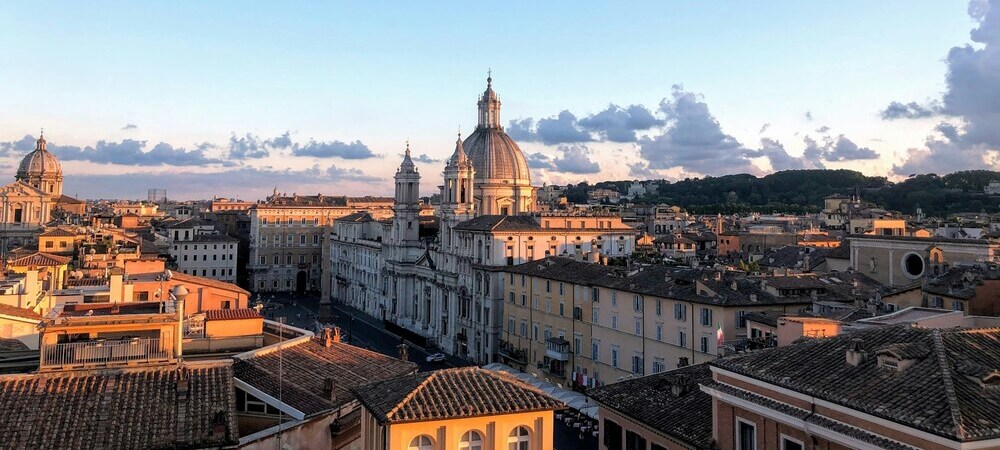
Rome overflows with history and culture, and offers a diverse range of areas and suburbs, each with its own unique charm. The city is divided into several districts, known as municipi, which are further subdivided into neighbourhoods or quartieri.
In the heart of Rome, the historical centre is a favourite among expats who seek a quintessential Roman experience amidst ancient landmarks. This area, however, comes with a premium price tag due to its proximity to iconic attractions and a bustling lifestyle.
Options abound for those looking to blend city life and quieter residential settings. Prati, near the Vatican, is known for its elegant buildings and is popular among expats due to its proximity to international schools and shopping streets. Parioli, a more upscale district, offers similar convenience and is also renowned for its lush green spaces and chic restaurants.
If you prefer a more bohemian, vibrant lifestyle, you’ll gravitate towards Trastevere. With its narrow cobblestone streets and lively piazzas, this picturesque neighbourhood boasts a more relaxed and artistic atmosphere, albeit at rising rental prices due to its growing popularity.
For those seeking affordability without compromising accessibility, areas like San Giovanni and Testaccio are excellent choices. These neighbourhoods are more authentically Roman, with traditional markets and a plethora of local eateries lining the streets. These areas are well connected to the city centre without compromising the residential feel.
Best Expat Areas and Suburbs in Rome
Types of accommodation in Rome
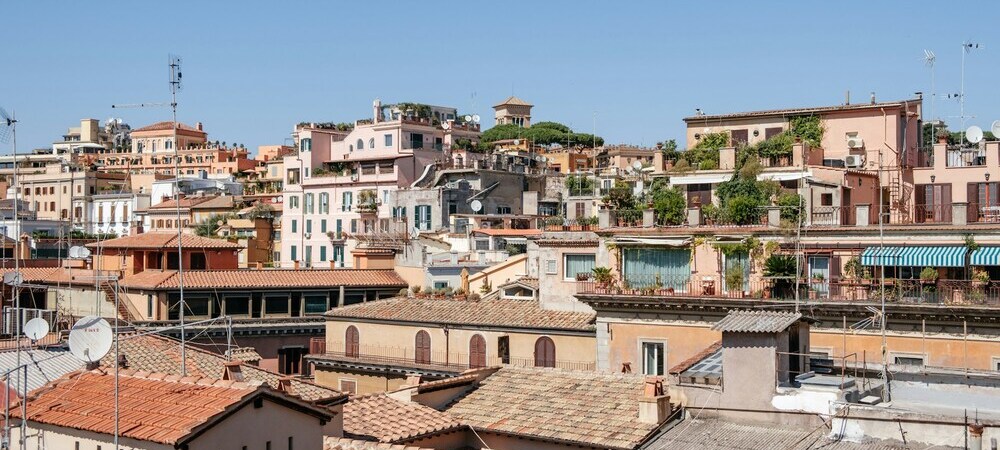
Like so many brilliant modern-day conveniences, apartment blocks may have been an invention of classical Rome. Many of the city’s accommodation options are likely to be apartments of some sort, although detached and semi-detached houses and spacious villas can be found in the city’s suburbs. A fair amount of accommodation in Rome is in historic buildings. These have their own unique charm, but may require frequent maintenance.
As a quaint and convenient quirk to the standard apartment block, many apartment buildings in Rome reserve the ground floor and basement for commercial use – meaning expats may be living above bakers, butchers, gelaterias or greengrocers. The higher up in the apartment block you move, the higher the rent becomes, as units further above ground level experience less noise and light pollution.
No two accommodation options in Rome are the same, and you’ll undoubtedly want to spend some time selecting the perfect area and suburb to settle in.
Finding accommodation in Rome

The most common and popular way of finding rental accommodation in Rome is by looking for properties online. Real estate agencies are another good option – fees are usually around one month’s rent. Relocation companies also often offer house-hunting services as part of their packages. Check with your provider; you might be able to hand off your accommodation search responsibilities to them.
It’s a good idea to start your accommodation search well before moving to Rome, especially if you have specific requirements, like proximity to your workplace or international schools. Many landlords and real estate agents expect tenants to have references and proof of income or employment. It’s also common to initially secure temporary accommodation while exploring different neighbourhoods and finding a long-term rental that suits your needs.
Accommodation in Rome comes either furnished or unfurnished. Unfurnished options typically include no appliances at all, and they may not be the preferred choice for those staying only a short while.
Useful links
- Immobiliare.it Property Portal
- Idealista Rentals Rome
- Casa.it Rome Rentals
- Wanted in Rome Accommodation Classifieds
Renting accommodation in Rome
Making an application
To apply for rental accommodation in Rome, prospective tenants should prepare a dossier including personal identification, proof of income or employment, and previous rental references. This documentation is crucial to assure landlords of the tenant’s reliability and financial stability. When viewing properties, it’s advisable to express interest promptly and provide this dossier to the landlord or agent. Due to high demand, especially in popular areas, properties can be rented quickly, so swift action is often necessary.
The landlord and the tenant should inspect the property together and draw up an inventory that both parties agree on. Finally, a proposal (proposta) is drafted and submitted to the landlord for acceptance, and a holding deposit is paid. The housing market and high property demand in Rome tend to favour the landlord, leaving little room for negotiation, even if prices seem high.
Leases
When searching for accommodation in Rome, it’s essential to understand the rental contract terms. Typically, contracts are for either four years or three years. The four-year contract offers more stability, automatically renewing for another four years unless the tenant or landlord provides notice. The three-year contract, more common for furnished properties, includes an initial three-year term, extendable for two more years. Shorter leases are available for stays between one and 18 months, although these may be quite expensive. Renters should ensure they are clear about the contract type and duration before signing.
Deposits and fees
The cost of renting in Rome varies significantly depending on the location and the size of the property. In general, central areas and those near major tourist attractions command higher rents. Potential tenants should budget for additional costs such as utilities, which are typically not included in the rent, and a deposit.
You can expect to pay up to three months’ rent as a security deposit, and some landlords expect tenants to give bank references for collection purposes. Real estate agent fees are typically one month’s rent and are split between the landlord and the tenant.
Terminating the lease
If you need to end your lease early in Rome and you have no additional clauses in your rental agreement, you’ll need to provide six months’ notice and proof that you’re terminating the lease for gravi motivi (serious reasons), like illness or job changes. Inspect the property with your agent or landlord before leaving, to avoid disputes over damages. The security deposit, minus deductions, should be returned to you no more than 30 days after termination of the contract.
Renting Expat Accommodation in Italy
Utilities in Rome

Utility bills in Rome are most commonly paid for by the tenant. This, along with the high demand for accommodation in Rome, means that renting in the city can be expensive. The cost of utilities varies depending on the size of the property and usage. It’s a good idea to inquire about the average utility costs for a specific property before signing a rental agreement, as these costs can significantly impact the overall living expenses.
Electricity
Electricity supply in Rome is reliable, with ENEL being the primary provider. Rates for electricity are determined based on consumption and time of use, with higher rates during peak hours. Tenants should consider energy-saving measures to keep costs manageable, such as using energy-efficient appliances and lights. Setting up an electricity account requires a few documents, including a Codice Fiscale (Italian tax code) and a valid ID.
When moving into a new property, it’s essential to transfer the electricity contract to your name. This process involves contacting the provider with your details and the property’s previous account number. Failure to do so can result in disconnection and reconnection fees.
Gas
Gas in Rome is used primarily for heating and cooking. Like electricity, the cost depends on consumption. Gas providers in Rome include companies like Italgas and Eni. Setting up a gas account is similar to setting up an electricity account, requiring personal identification and a Codice Fiscale.
Safety inspections for gas appliances and connections are mandatory and typically the landlord’s responsibility. However, tenants should ensure that these inspections are up to date, especially when moving into a new property, for safety and legal compliance.
Water
In Rome, the water supply is generally included in the condominium fees if living in an apartment. For standalone properties, water bills are issued bi-monthly, quarterly, or biannually, and are based on consumption. The water in Rome is safe to drink, and there are numerous public fountains throughout the city providing fresh, potable water. Setting up a water account typically requires similar documentation to electricity and gas services.
Rome’s water supply is managed by Acea, and new tenants should ensure that the water bill is transferred to their name when moving into a property to avoid any disruption in service.
Bins and recycling
Waste disposal in Rome is managed by AMA. The city has a comprehensive waste separation system, with bins for organic waste, paper, plastic, glass, and non-recyclable materials. It’s important for residents to adhere to the recycling guidelines to avoid fines. Waste collection schedules vary by neighbourhood, and AMA provides detailed information on its website.
For larger items or special waste, there are designated disposal areas and services available. Familiarise yourself with the local waste disposal rules and schedules to ensure proper compliance and contribute to the city’s environmental efforts.