Living in Rome as an expat
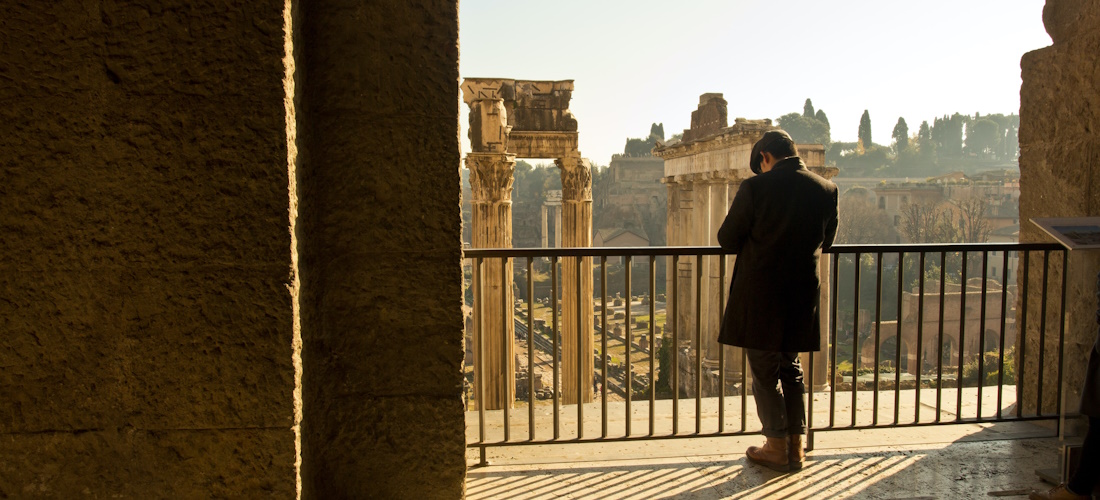
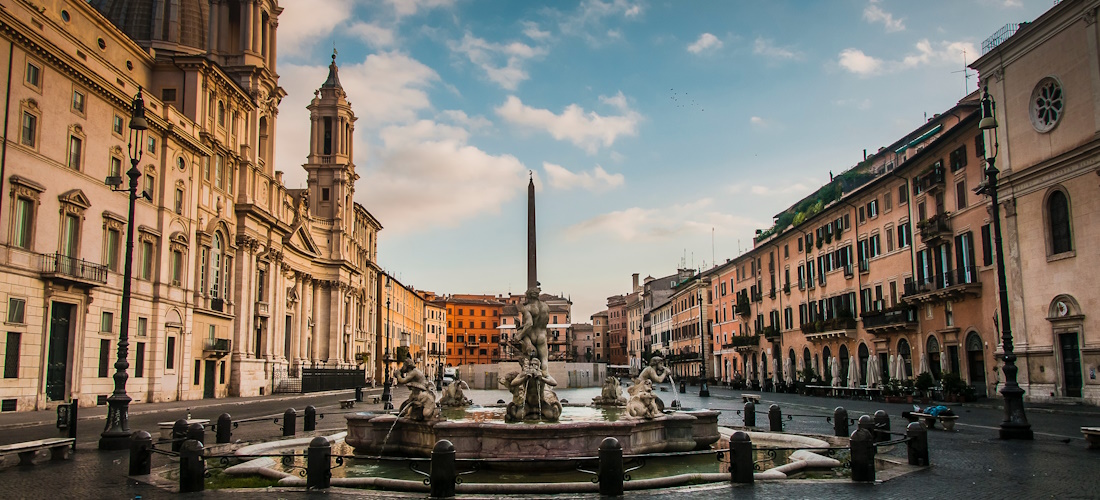
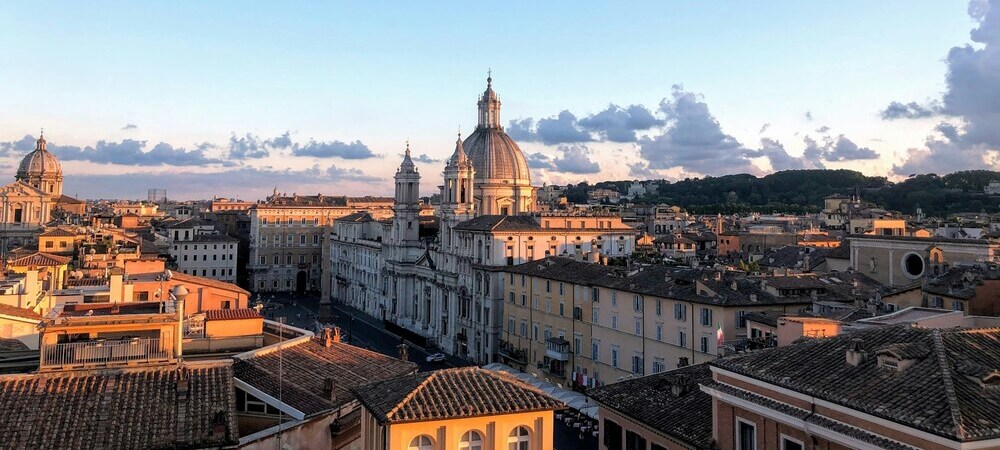
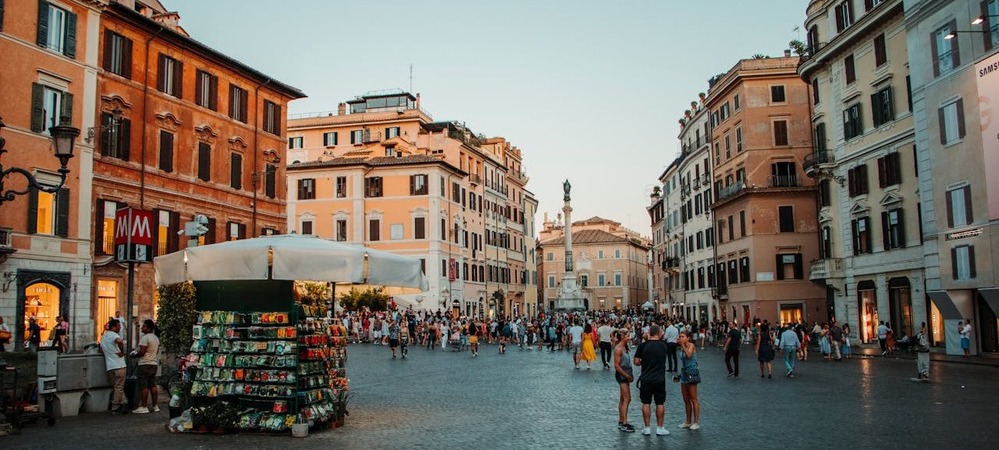
Becoming entranced by the imagery of a living, breathing ancient city is part and parcel of moving to Rome. Magnificent ruins and foundations built on the rich, fabled history of a city that was once the centre of the world are immediately invigorating. You’d be hard-pressed not to allow yourself to fall for regal Rome and its noble roots. The city’s lively streets, lined with centuries-old architecture, offer a daily journey through time, while the modern pulse of Rome provides an exciting lifestyle.
Living here does come with certain challenges: the city’s bureaucracy is notorious for being complicated and unapproachable. This can make seemingly simple tasks, such as finding accommodation, registering children for school, and obtaining identity documents, exceptionally frustrating. Many basic operations are riddled with inefficiency, and Rome’s appeal as a tourist destination makes it quite expensive.
That said, expats who have moved to Rome and never left will insist that the worries of day-to-day life can easily be washed away in the magic of the metropolis. With excellent public healthcare, a fantastic food and wine culture, and the residents’ appreciation for art and beauty, there are endless opportunities for things to see and do. This is coupled with the fact that getting around the metropolis is easy, as public transport is both comprehensive and affordable.
Working in Rome
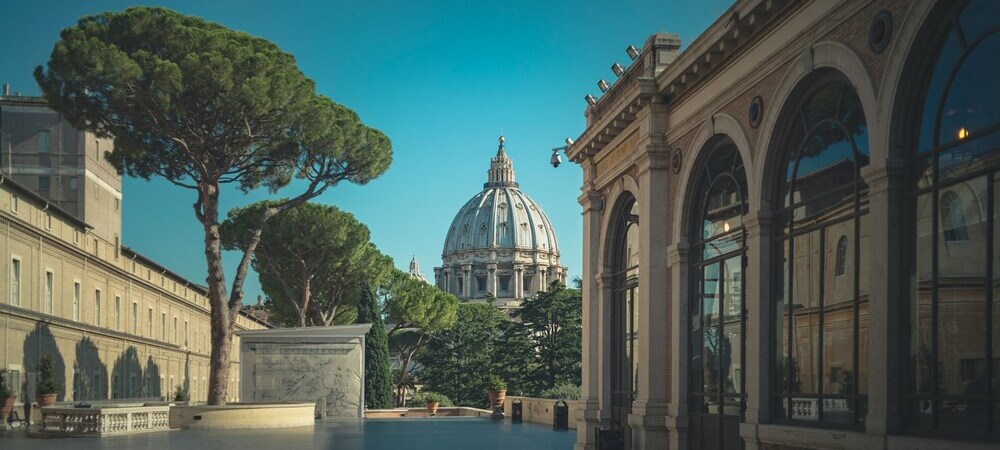
Rome has a large expat community, which means stiff competition for jobseekers. Those with strong academic qualifications and professional experience will have the best chance of getting a job in the Italian capital. Degrees in marketing, communications, and technology are particularly valued, while experience in tourism and hospitality also opens doors. Teaching English is another common route to employment, but a TEFL certificate and prior teaching experience are usually required. Securing a position before relocating is often the safest approach.
Work culture in Rome reflects the city’s unique blend of history and modernity. Hierarchy and formality matter, but personal relationships are equally important. Networking is part of daily business life, and employers often encourage balancing productivity with leisure and family. Rome’s pace may feel slower than other European capitals, but professionalism and hard work are respected.
Working in Rome
Doing Business in Italy
Lifestyle in Rome
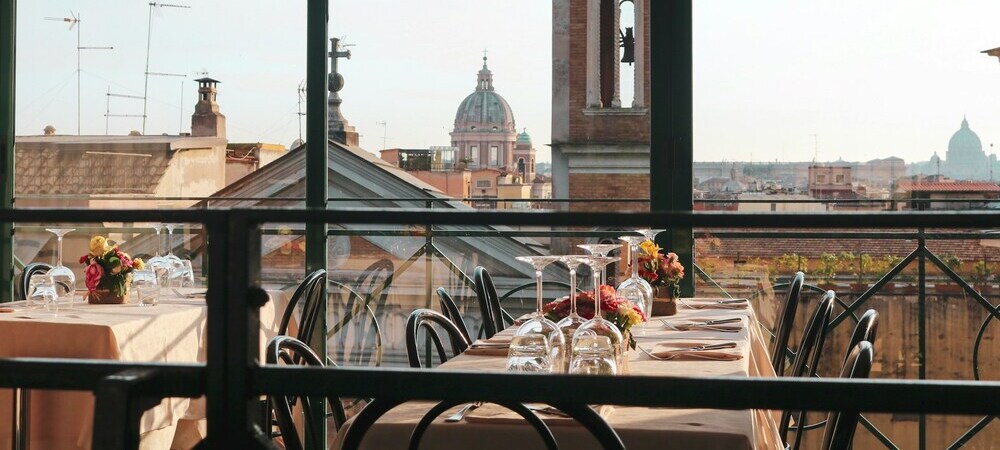
The lifestyle in Rome is one of the city’s major drawcards. Culinary experiences, famous art and architecture, and social life are all part of daily life in the Italian capital. You’ll find yourself immersed in a culture that celebrates history, art, and la dolce vita – the sweet life. The opportunity to live amidst such cultural wealth and historical significance is a unique experience that continues to attract a diverse international community.
Rome is a popular shopping destination, boasting a wide selection of shops, boutiques and shopping streets. Luxury brands like Prada and Gucci inhabit storefronts on streets like Via dei Condotti, while smaller, more intimate shops can be found across the city.
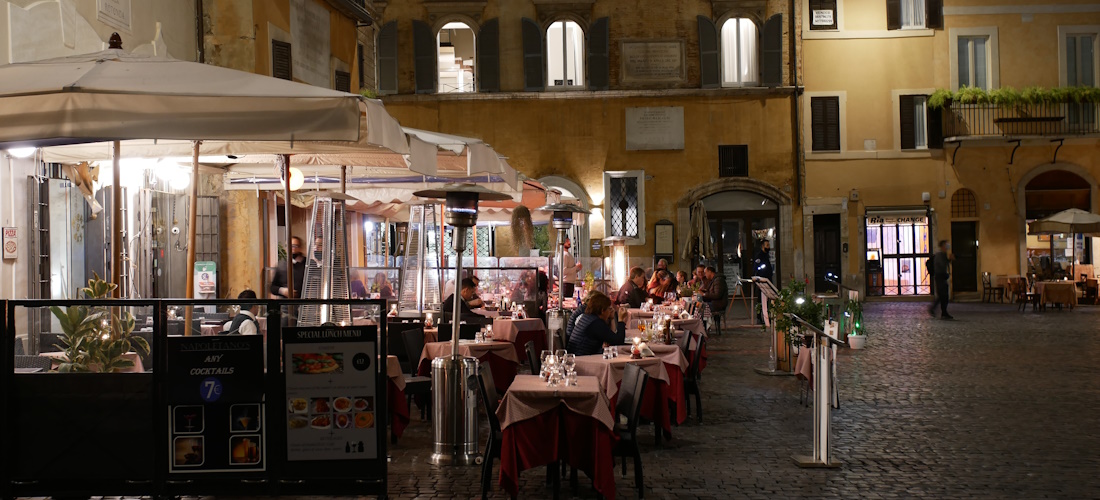
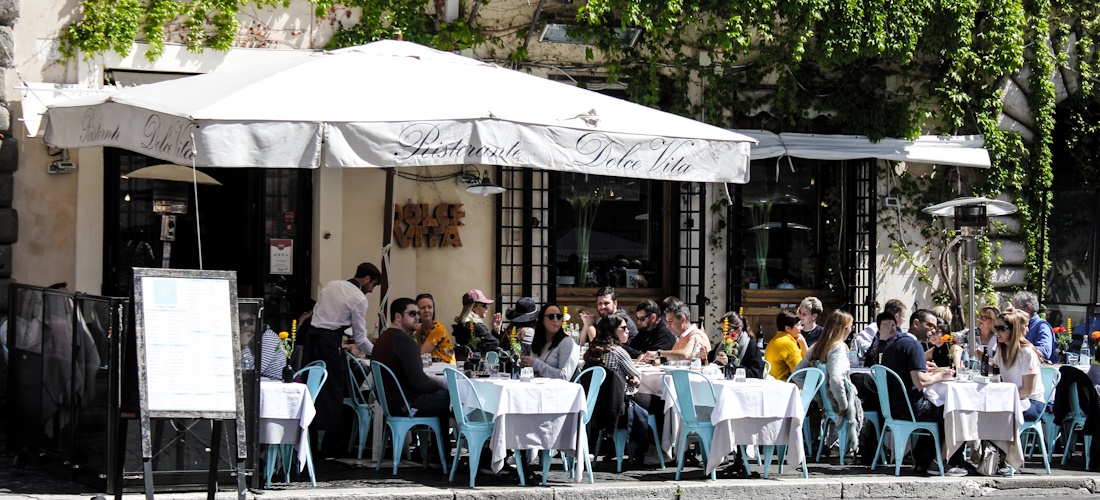
Foodies moving to Rome will be spoilt for choice; cafés line the streets, fine dining restaurants abound, and trendy bars dot the city. All preferences are catered to; from quick espressos to multi-course Italian dining experiences, you’ll be sure to find something that suits your taste and budget.
History buffs often choose Rome as their destination of choice – the list of ancient sites with cultural or historical significance is never-ending. The Colosseum, the Pantheon, and Vatican City are only some of the historical and cultural attractions that you can explore in Rome.
Lifestyle in Rome
See and Do in Rome
Weekend Breaks near Rome
Finding accommodation in Rome
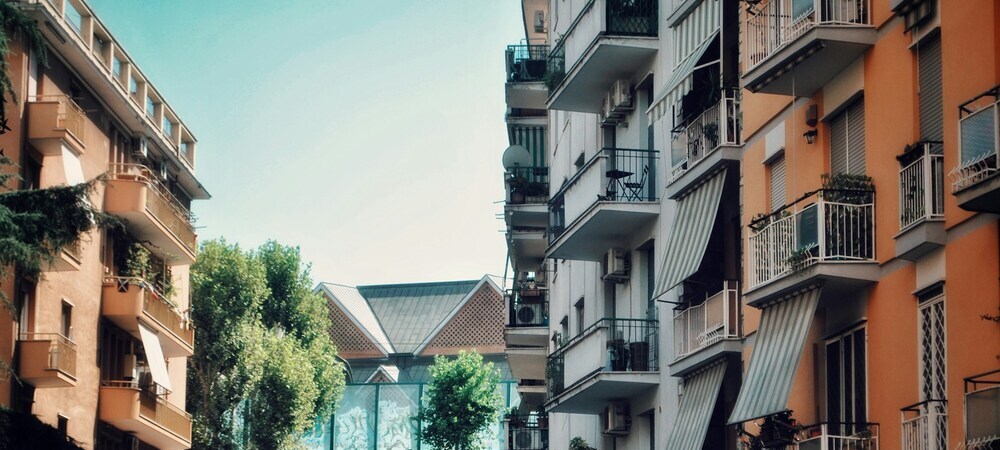
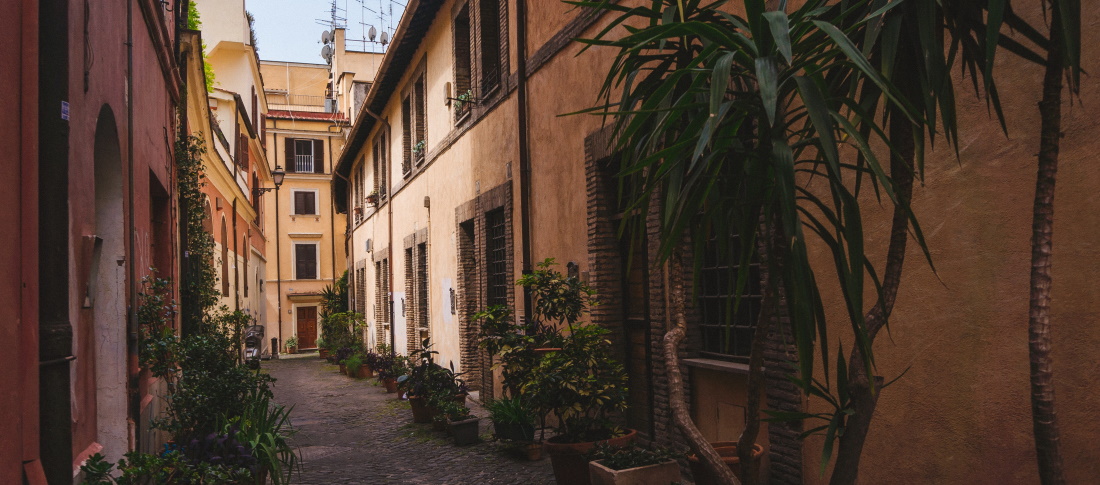
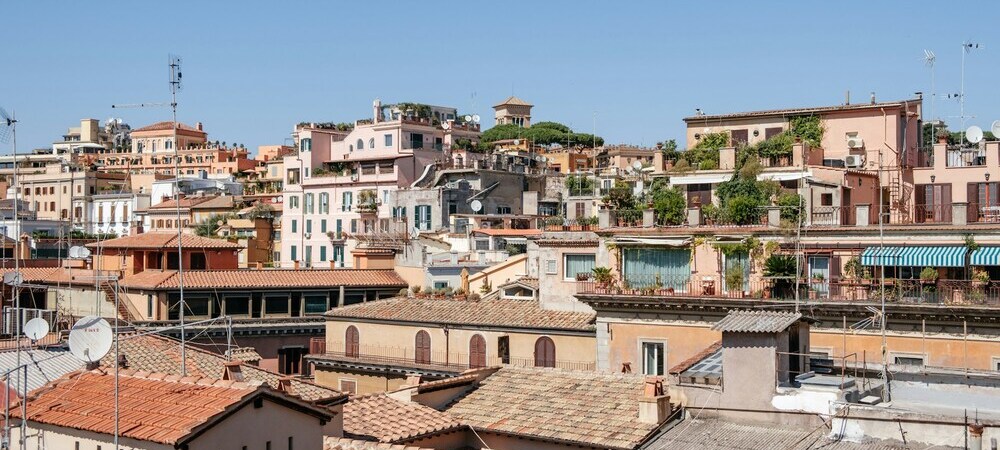
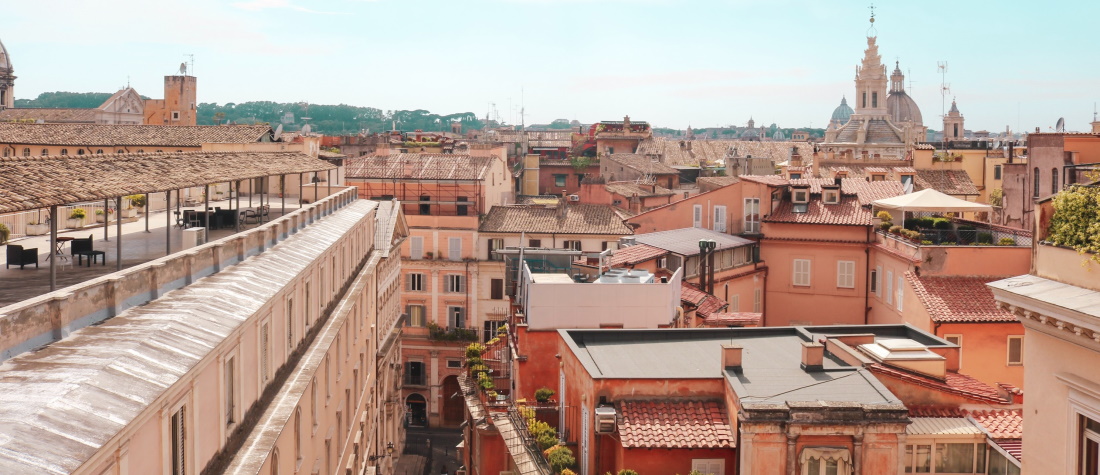
Finding accommodation in Rome can be challenging and rewarding at the same time. The housing market is competitive, but fantastic options are available across the city’s many neighbourhoods and suburbs. Apartments are most common, ranging from historic buildings to modern blocks. Apartment buildings in Rome often feature ground-floor or basement shops or cafés, with upper floors commanding higher rents thanks to reduced noise and better light. Villas and detached houses are available further out and offer more space for families.
Searching for housing online is likely to be your best bet, although local estate agents or your relocation company can help with the process once in Rome. Agency fees are split between landlords and tenants and are usually around one month’s rent. Landlords often request references and proof of income as part of the application process.
It’s common to secure short-term accommodation first while visiting neighbourhoods before committing to a long-term lease. Rentals come furnished or unfurnished, with the latter often lacking appliances, making them less suitable for short stays.
Renting Expat Accommodation in Rome
Best (and Worst) Areas and Suburbs in Rome
Cost of living in Rome
Rome’s incredible popularity as a tourist destination inflates the cost of living, and the constant stream of tourists can become a source of frustration. That being said, Rome is much less expensive than many of Europe’s other capital cities, such as Paris or London, and expats moving to Rome will encounter a generally stable economy. Rent will likely take up a significant chunk of your salary, and if you opt for a car, so will driving. On the other hand, public transport and healthcare are both excellent and largely affordable.
Groceries are generally of a high quality and can be bought cheaply, especially if you opt for local and seasonal produce. Imported goods, electronics, and designer clothing are more expensive, so remember to budget carefully if you like to treat yourself to a new wardrobe or a mobile phone every once in a while.
Living in Rome with children
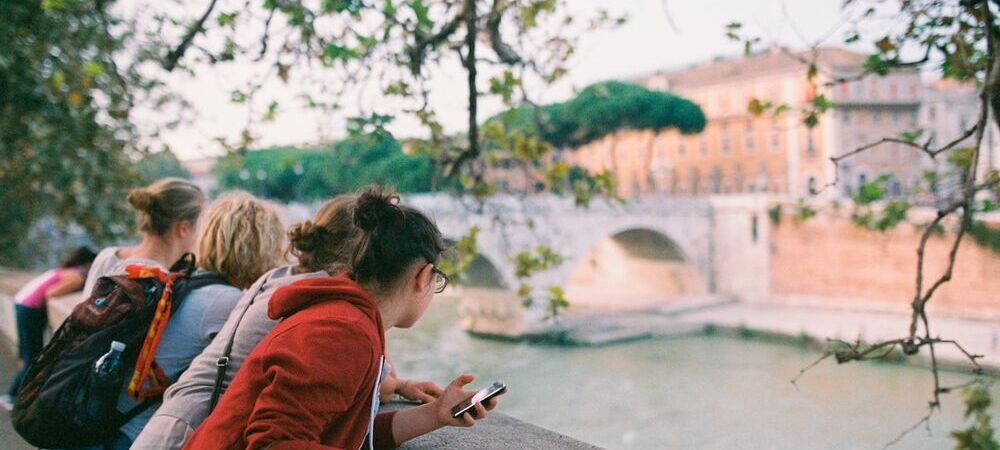
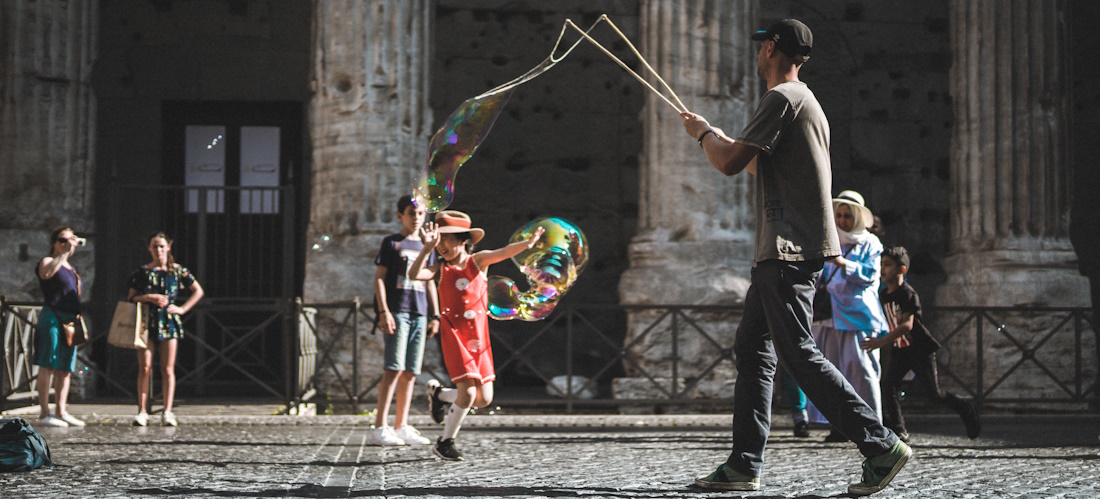
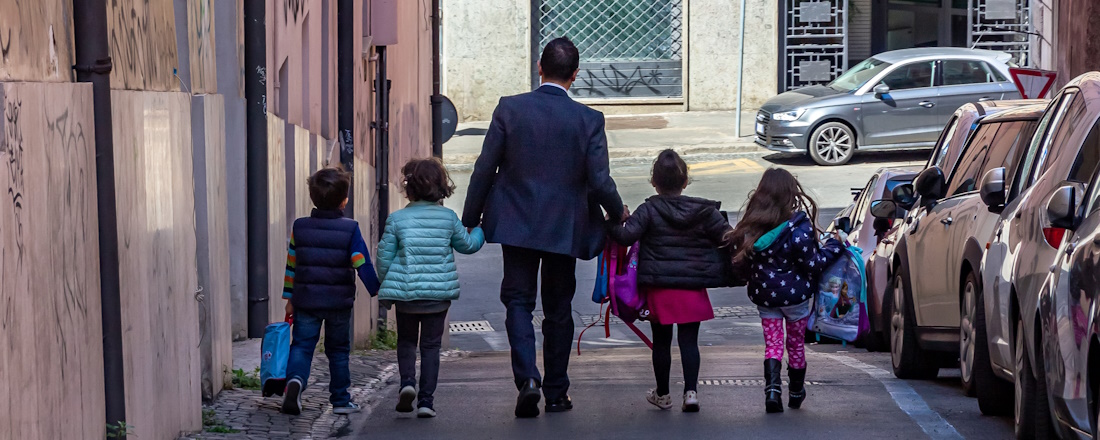
Rome is a wonderful city to raise a family in, with plenty to keep the kids occupied. An abundance of interesting museums, most of which are free for kids, as well as parks, theme parks, hiking trails, and more, are sure to keep expat families busy in their spare time. Public healthcare is heavily subsidised, a feature of Italy that helps reduce the financial burden if your little ones get sick and need to visit a doctor. Kids young enough to pick up Italian effortlessly are likely to have a fairly easy time making friends or keeping up at school.
Kids and Family in Rome
Healthcare and Popular Hospitals in Rome
Finding a school in Rome
Public schools in Rome teach in Italian and are free from primary level through university, although small enrolment taxes apply from age 16. Standards are generally high, with many locals favouring public schools over private or international schools.
Private schools in Rome follow the national curriculum, but often adopt alternative teaching approaches such as Montessori or Waldorf. Catholic schools are also common. International schools offering the British, American, or International Baccalaureate programmes are also available. They are a good choice if you want your child to continue with a familiar curriculum in their home language. These schools typically feature smaller classes, modern facilities, and extensive extracurriculars, although fees can be significant.
Inclusive education is a priority across all school types, and children with special educational needs are integrated into normal classrooms. Support is offered by specialised staff, and tailored learning plans are developed in collaboration with parents and external professionals.
Education and Schools in Rome
International Schools in Rome
Getting around in Rome
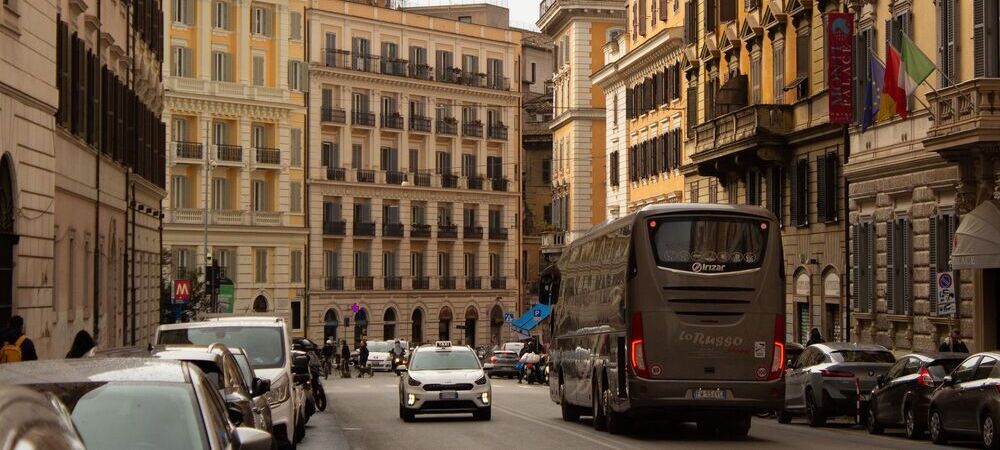
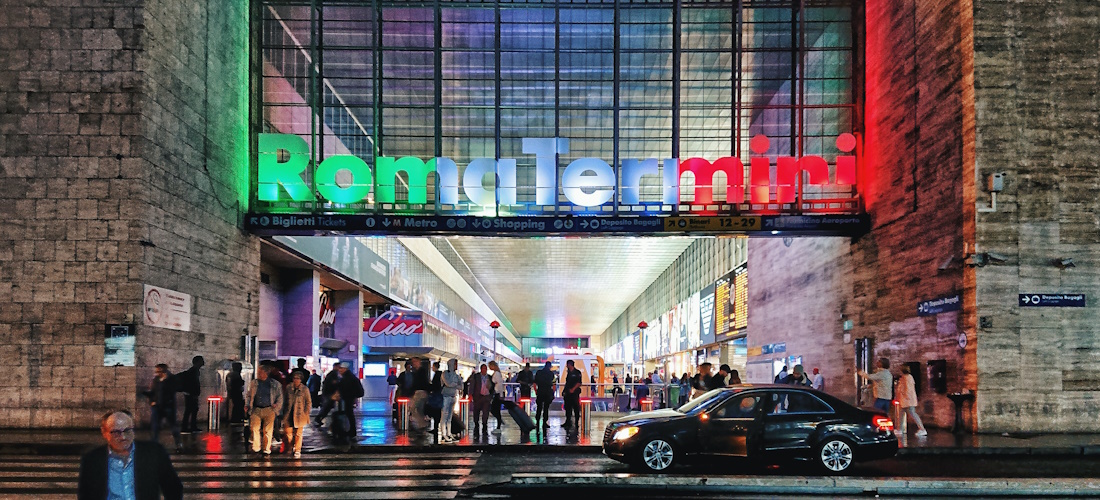
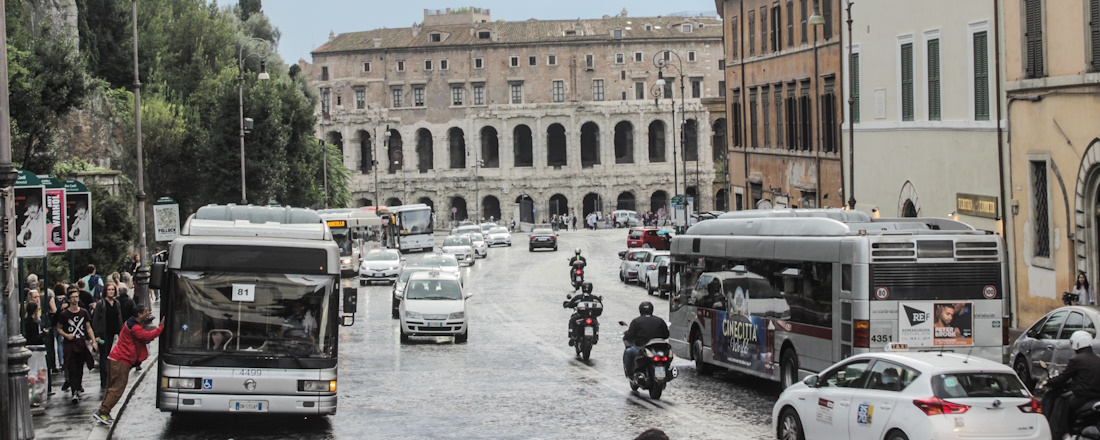
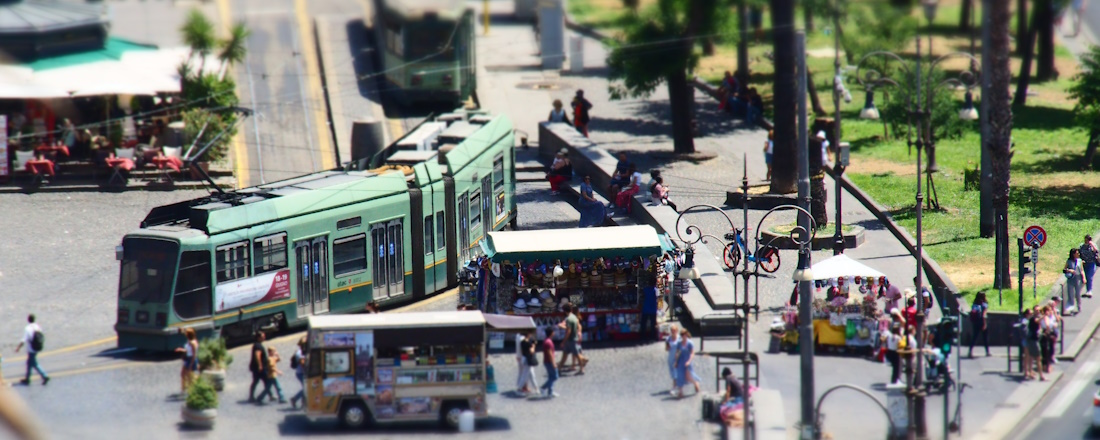
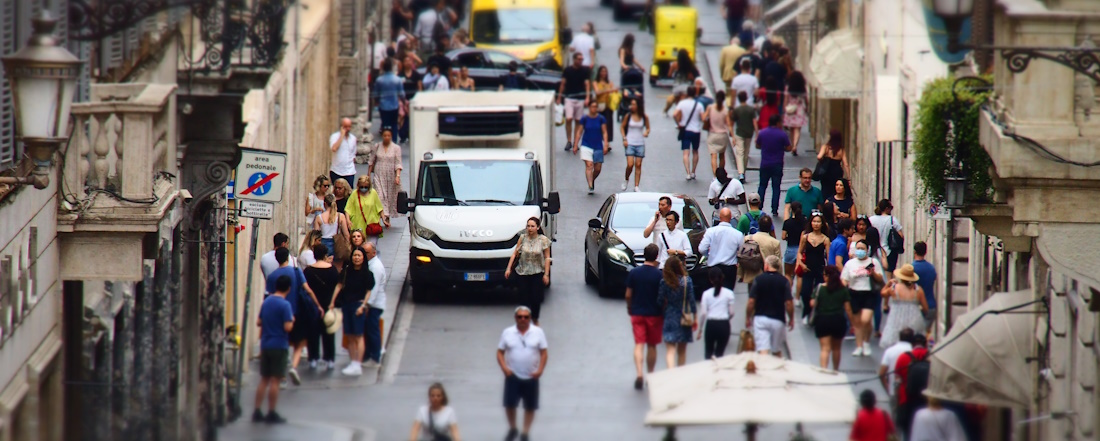
Getting around Rome is fairly straightforward thanks to the city’s integrated public transport system, which includes a metro, buses, trams, and trains. Tickets are valid across most services, making commuting simple and affordable. The metro, with three lines, is the backbone of the network, while buses and trams provide extensive coverage, although the city’s heavy traffic can slow them down. Trains connect the city with the surrounding towns and countryside and are useful for longer journeys.
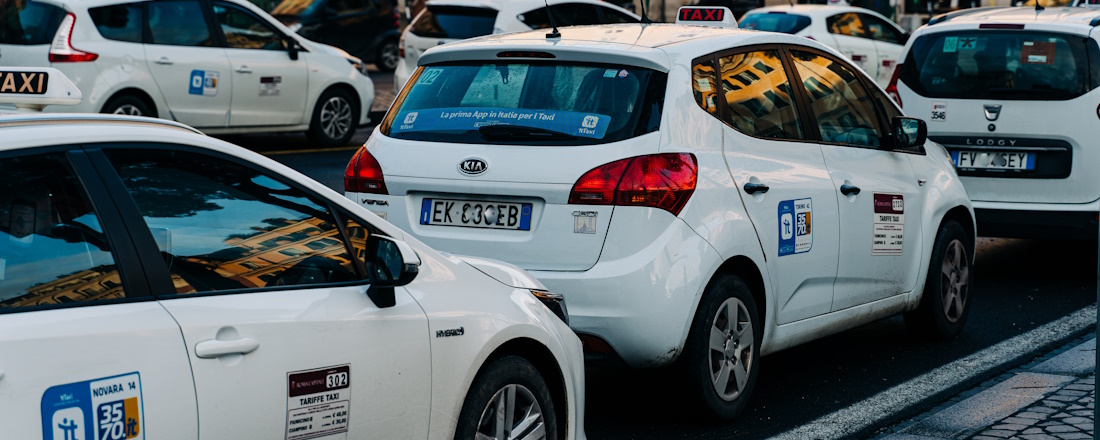
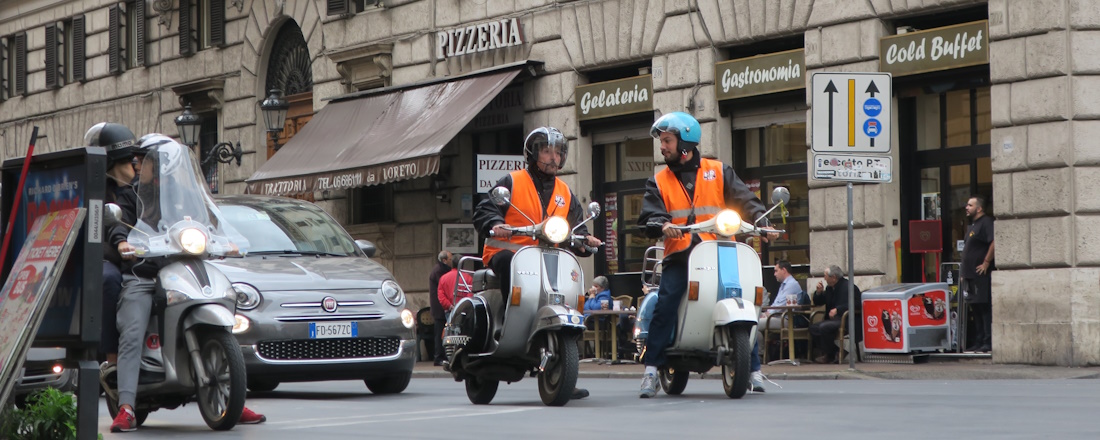
Taxis are available, but they need to be booked at ranks or through apps rather than hailed off the street. Premium ride-hailing services such as Uber Black also operate, although fares are high. Walking is often the best way to get around the city centre, while cycling and scooter-sharing schemes are growing in popularity.
Driving, on the other hand, is best avoided due to congestion and limited and expensive parking. For most expats, Rome’s public transport and shared mobility options are more than sufficient.
Climate in Rome
Rome enjoys a Mediterranean climate, with mild winters and hot, dry summers. January is the coldest month, and July and August are the warmest. The weather in Rome during summer can be uncomfortably hot, with temperatures often exceeding 95°F (35°C), while winter is mild, and the average December temperature hovers around 55°F (13°C). The rainy season in Rome generally occurs in winter, with the heaviest precipitation in October or November.
Rome is a magical destination, steeped in history, architecture, and art and is best suited to those who can keep marvelling at the wonder of the age-old city and its surroundings. Rome has an enchanting effect, enticing many expats to stay longer than they first intended.










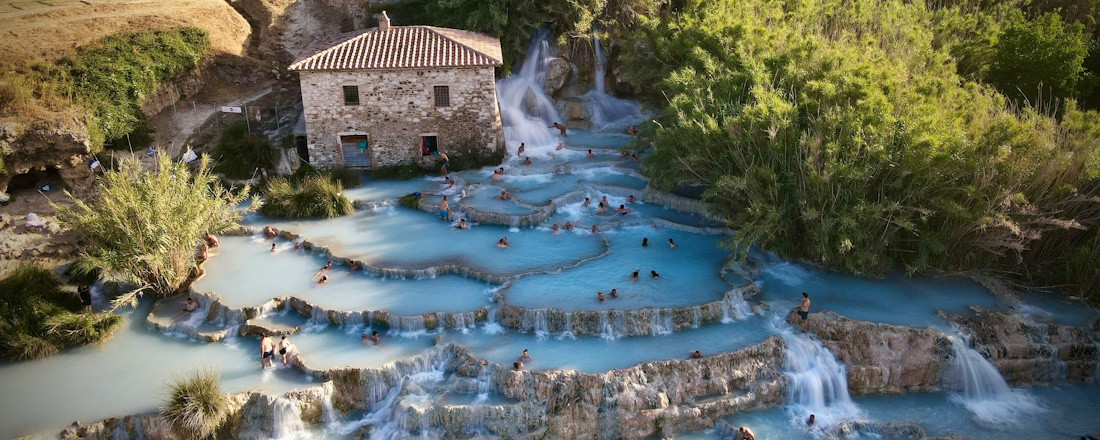 The Tuscan Maremma

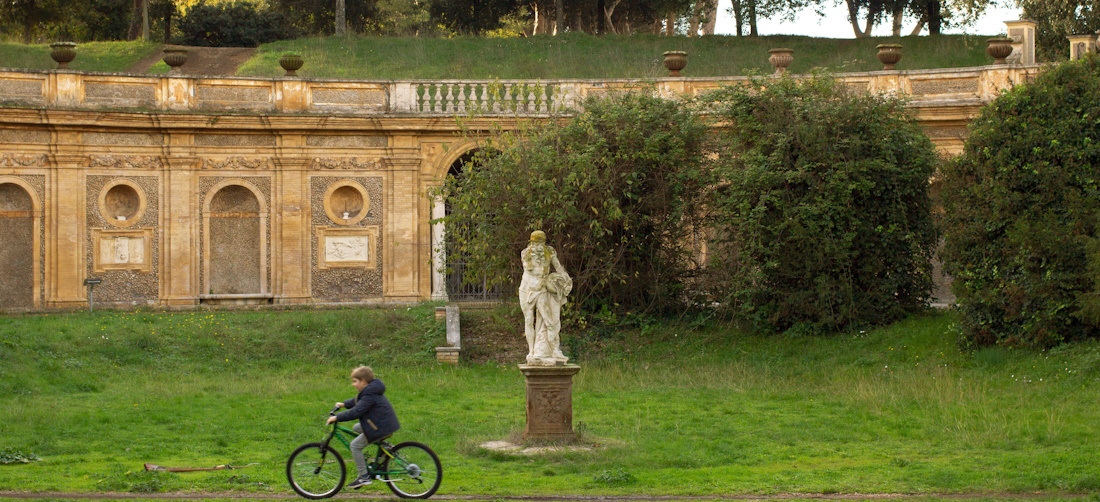 For a touch of whimsy and wonder, the Bioparco di Roma offers an enchanting escape where children can marvel at a variety of wildlife in the heart of the city. It’s not only an opportunity to see animals but also a chance to learn about conservation efforts.
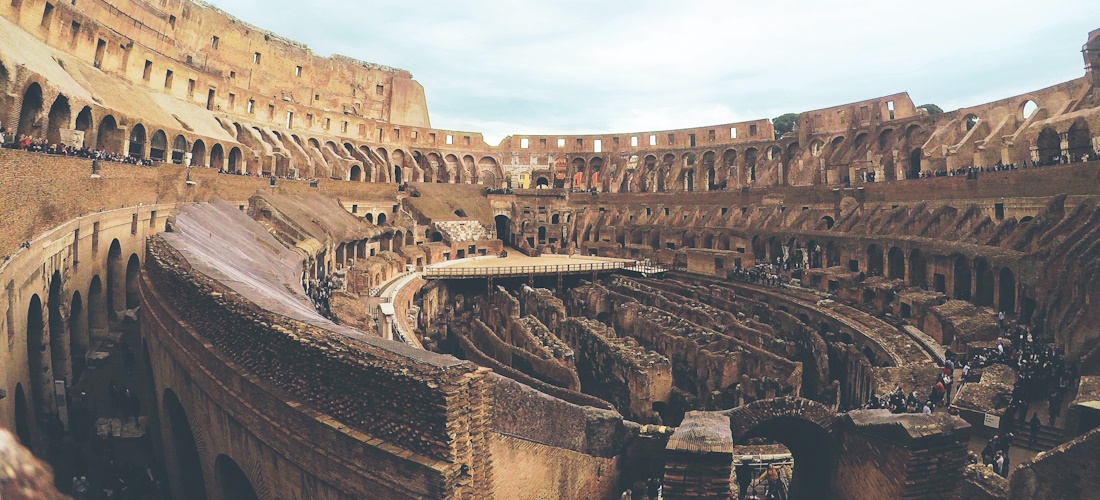 The Colosseum