
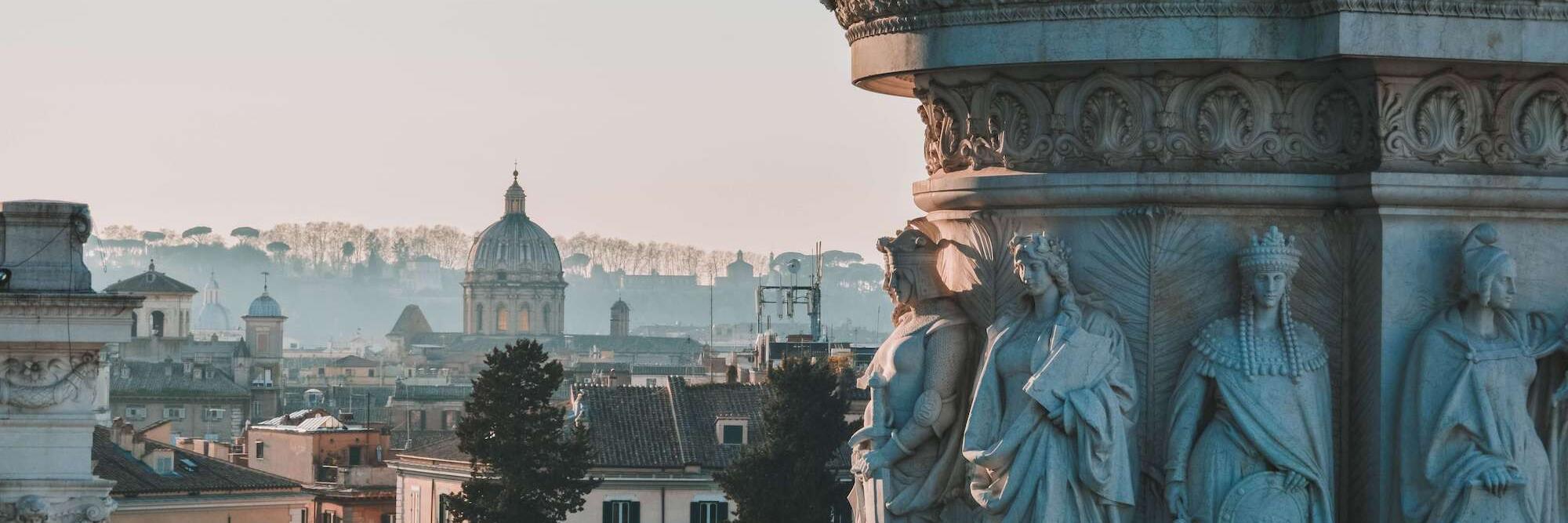
Education and schools in Rome have roots that reach back centuries to the time of classical empires. Along with the Greeks, the Romans were among the first to organise a formal system of learning that looked to accomplish more than simply promote the passing of knowledge from parents to their children.
Today, that tradition of education continues in the Eternal City, and expats will find a robust state school system as well as a large selection of international and bilingual schools to choose from.
Public schools in Rome

State education in Rome is free from primary school to university (although enrolment taxes become mandatory from age 16) and is available to all legal residents. The city’s schooling system is widely regarded as being on par with the standards of its private and international counterparts.
Expats who plan to live in Italy for the long term or who simply prefer their child to be immersed in the Italian language and culture should consider public schools as an option. It’s worth keeping in mind that Italian public schools may teach through a religious lens – offering elective Catholic Religion Classes, which might make them less suitable to expats from some parts of the world. That being said, the system is highly regarded, with some Italians even preferring public schools to private ones.
Useful links
Private schools in Rome
There is often little difference between public and private schools across Italy, as both receive state funding. This means that private schools must adhere to the curriculum and educational standards set by the Italian government. Unlike public schools, private schools tend to operate under a specific pedagogical philosophy, such as the Montessori or Waldorf systems. Private Catholic schools are also common.
The local private school sector in Rome is distinguished by its rich history and diversity, with many schools offering unique educational philosophies and specialisations. Private schools in Rome often offer smaller class sizes than their public counterparts, providing more individualised attention to students. They may feature advanced facilities and extracurricular opportunities, making them a popular choice for families seeking a comprehensive educational experience without the lofty fees associated with international curriculum schools.
International schools in Rome
There are many international schools in Rome, and most of these uphold exceptional educational standards. These schools vary in terms of curriculum, educational philosophy, and language of instruction.
For instance, some schools follow the English National Curriculum while others offer the American curriculum. There are also schools that offer the International Baccalaureate (IB) curriculum from Early Years through to the IB Diploma Programme. Many native Romans also choose to enrol their children in these schools.
For expats planning to live and work in Rome for only a short time, this is undoubtedly the best choice, as the disruption to the child’s education is minimised by studying a familiar curriculum in their home language.
The small class sizes and high quality of facilities do come at a price, so you should be prepared to spend a considerable amount on fees, depending on the school and the grade level of your child.
Popular International Schools in Rome
Special educational needs in Rome
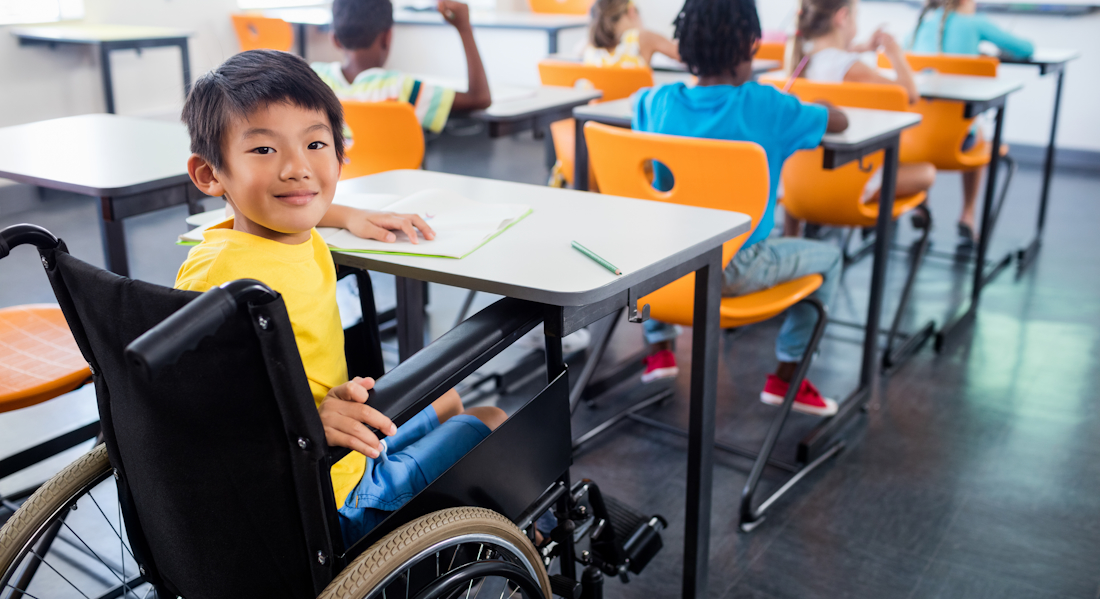
Inclusive education is deemed important in Italy, ensuring that children with disabilities can receive a proper education integrated with everyone else. Rather than separating children with special educational needs, schools of all types, whether international, public, or private, are required to offer various support systems.
Schools in Rome adapt to students’ needs and can provide services to meet them. However, expat parents should contact schools directly to discuss the sorts of needs they have and the capacity of the school to meet those needs.
Many schools in Rome have specialised staff, such as therapists and special education teachers, dedicated to assisting students with physical or developmental disabilities. Additionally, schools often work in close collaboration with parents and external support services to create customised learning plans tailored to each child’s unique needs. This collaborative approach ensures that all students receive the support they need to succeed academically and socially.
Useful links
Homeschooling in Rome
Homeschooling, known as istruzione parentale in Italy, is legal but not common or widely used, although there was a notable increase in homeschooling during the COVID-19 pandemic. Parents have the right to educate their children outside an established school setting, but they must notify their appropriate school authorities each year if they intend to do so.
Parents must have both the technical and economic capacity to homeschool their children. In other words, they must have completed a schooling level beyond that which they are teaching their children, as well as have the financial capacity to educate their children. Although these rules and guidelines are in place, they are fairly relaxed, and parents don’t need to provide documentation to justify themselves.
Tutors in Rome
Like in other cities around Italy, tutoring is common. Many students can benefit from extra support and classes from a tutor, particularly during exam time or early on in their stay in Italy. You can check out the plethora of online portals to find a suitable tutor. Bear in mind that tuition must be on the terms of both the family and the tutor regarding matters like scheduling, so a degree of flexibility is required when looking for the perfect tutor.