

Citizens of the European Union (EU) don’t need a work permit to legally work in Italy since they have the right to work in EU member states. EU expats can simply apply for an Italian residence permit after arriving in the country, so that they can be formally registered as residing in the country. Expats from outside the EU must apply for a visa, work authorisation, and residence permit for Italy.
Work permits for Italy
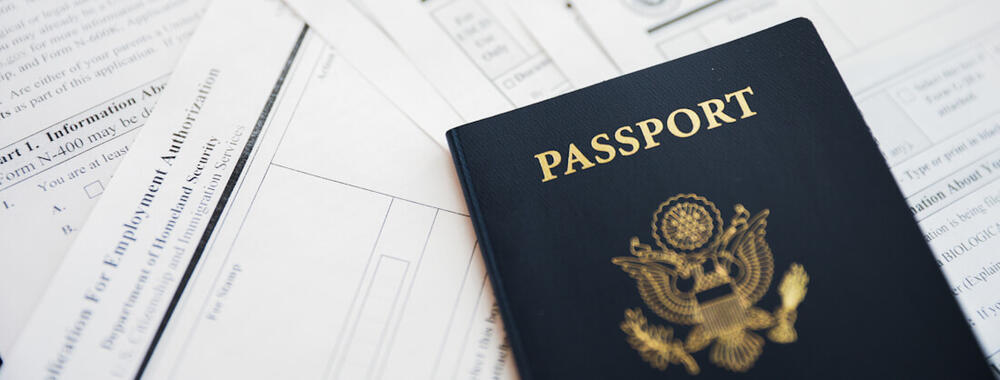
Every Italian province has an office that the government describes as a one-stop shop for immigration. This is the Immigration Desk (or Sportello Unico per l'Immigrazione). These offices are responsible for the entire process of hiring foreign workers in Italy.
While you'll need to submit certain documents, the employer takes responsibility for much of the application. Requirements can vary over time, but your employer should inform you of what is necessary. Generally, a copy of your ID or passport, proof of accommodation, and future employment details are required.
Before an application for a work authorisation can be made, your Italian employer must first apply for clearance (nulla osta) at their nearest immigration centre. This is because Italy limits the number of foreign workers that can be employed in any given year. Once clearance is granted and a visa is issued, you can enter the country. Once there, you'll need to head to your local immigration centre and apply for the relevant permesso di soggiorno (work-residence permit). Different categories of residence permits are available, including employee, seasonal worker, and self-employed.
Types of work permits
When applying for a permesso di soggiorno you'll have a few options, including:
- Lavoro Subordinato: For employees with long-term positions, subject to quotas
- Lavoro Stagionale: For short-term contractors, subject to quotas
- Lavoro Autonomo: For the self-employed, subject to quotas and tightly regulated
- EU Blue Card: For highly skilled professionals, exempt from quotas, but additional requirements may be necessary
Permit validity
Expats with a permit that is valid for a year or more are required to report to the Italian Ministry of the Interior (Ministero Dell’Interno), where they will agree to fulfil certain integration objectives, such as attending Italian language classes.
A working residence permit for seasonal work is generally valid for six months and can be extended by an additional three months. Permits for self-employment, employment under a local employer and family reunification are valid for a maximum of two years.
Work authorisation for Italy is position-specific, and any change to the employee’s position must be reported to immigration. If an expat loses their job in Italy, their residence permit will not automatically be revoked. Instead, it is possible to register as being unemployed and stay for as long as the permit allows.
Useful links
* Visa and work permit requirements are subject to change at short notice, and expats should consult their respective embassy or consulate for the latest details.