

Most expats find the local culture in Botswana easy to settle into, although even the smoothest move abroad has an adjustment period.
Botswana’s five national principles are democracy, development, self-reliance, unity, and botho (the quality of being a good person). Someone with botho is courteous, humble, self-disciplined, and respectful of others. They look out for their community as well as themselves. Respect these principles, and you’ll adjust to your new life quickly.
Language barrier in Botswana
English speakers will only have a small language barrier to deal with in Botswana. English is the official language and the default in business, and Setswana is the national tongue. Botswana’s citizens are known as Batswana (Motswana in the singular), and more than three-quarters of them speak Setswana at home. Kalanga is a distant second.
Expats can get by without Setswana, but Batswana appreciate the effort when newcomers learn a few phrases. Dumela (hello) and Ke a leboga (thank you) are good places to start. English is less widely spoken in rural areas, and some older residents speak very little of it.
Food in Botswana
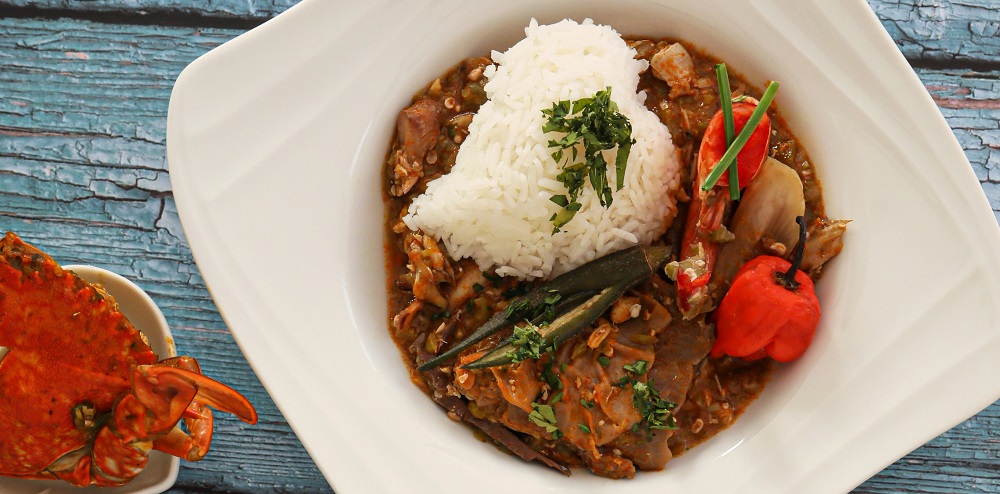
The food in Botswana has plenty in common with the rest of Southern Africa, but the national dish is all its own. Seswaa is beef or goat meat that’s boiled with salt until tender and then pounded into shreds. It's traditionally prepared by men in a three-legged iron pot over an open fire. Families serve it with pap or bogobe (maise or sorghum porridge) at weddings and funerals, and it’s a staple of Independence Day celebrations.
Mopane worms, which Batswana call phane, are another local speciality. These plump emperor moth caterpillars are usually dried and salted as a snack or stewed with tomato and onion.
Local dishes are part of the fun, but you won’t need to overhaul your diet. There are supermarket chains like Choppies, Sefalana, Spar, and Woolworths that stock familiar brands, and much of what’s on the shelves is imported from South Africa. Gaborone also has a solid range of international restaurants. Botswana is landlocked, so fresh seafood is harder to find and expensive.
Traditional values and family in Botswana
Batswana take pride in their hospitality, and respect for elders is central to traditional values and family life in Botswana. In the workplace, Batswana show the same respect for seniority, so you should treat older colleagues and clients with extra deference.
Extended families are close-knit, and many city dwellers head back to their home villages or the family cattle post at weekends. Cattle are a status symbol, and a big herd is the traditional mark of wealth. Most villages still have a kgotla where residents meet to discuss local affairs and the kgosi (chief) settles disputes.
Traditional customs are still influential in rural areas. Younger Batswana in the cities are more likely to live Western-style lives. More than 86 percent of Batswana identified as Christian in the 2022 census, although many also honour badimo (ancestral spirits).
Meeting and greeting in Botswana
The first rule of meeting and greeting in Botswana is to say hello before anything else. Anyone who skips the greeting and jumps straight to a question is likely to get a frosty reception, regardless of whether they're talking to a shop assistant, a government official, or their friend.
When greeting locals, use Dumela rra with a man and Dumela mma with a woman. For a group, add '-ng' to make Dumelang. A common follow-up question is O tsogile jang (how did you wake up?), and the usual reply is Ke tsogile sentle (I woke up well).
Handshakes in Botswana are gentler than many Westerners expect, and using too firm a grip can come across as having something to prove. Batswana often support their right arm with their left hand as a mark of respect, particularly when they greet elders. Friends sometimes switch to a thumb grip midway through the handshake and then back again.
Pass and receive things with your right hand or both hands, since Batswana consider it impolite to use the left hand on its own. Younger Batswana may avoid direct eye contact with elders as a sign of respect, so don’t read a lowered gaze as evasiveness.
Time in Botswana
Many newcomers need a while to adjust to time in Botswana, where 'African time' is the norm. Botswana life is unhurried, and village life is slower still, so expats would do well to leave any impatience at the border.
Colleagues and clients are generally punctual for formal business meetings, but social plans are far more elastic. Guests invited to a 7pm dinner may turn up an hour or more late, and nobody will bat an eyelid.
Bureaucracy in Botswana
Expats who have to deal with bureaucracy in Botswana should brace themselves for long queues and plenty of paperwork. Officials usually want certified copies of every document in an application, and work permit applicants may need to have their papers certified in their home country first. Permit decisions are often slow, so it’s best to apply well ahead of any deadline.
Your employer will generally take care of your work and residence permit application, and many hire immigration consultants or relocation companies to manage the process. Some services have been moved online, and the Department of Immigration and Citizenship accepts certain visa applications through its eVisa portal.
Officials respond far better to a warm greeting and a calm manner than to visible frustration. Batswana also place a lot of value on personal connections, and a colleague who knows the system can save you hours.
Visas, Work Permits, and Residence Permits for Botswana
Arts in Botswana
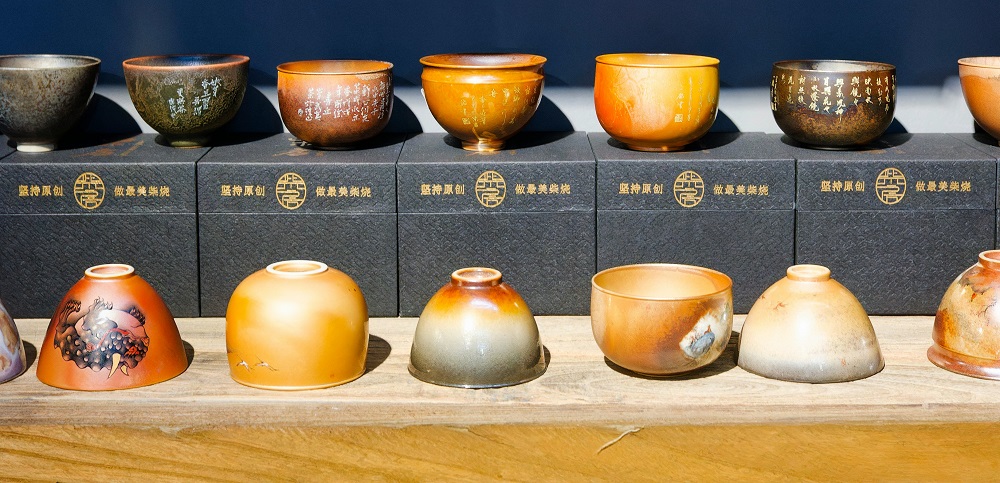
Many Batswana are highly skilled artists and craftspeople, and the arts in Botswana are traditionally expressed through dance, music, poetry, pottery, carpentry, and craftwork. Expats who rent an unfurnished home won’t struggle to find well-made, locally crafted furniture.
Basketry is the standout craft. Women in the northwest of the country weave baskets from mokola palm and colour them with dyes made from roots and bark. Many of the patterns have lovely, descriptive names such as Forehead of the Zebra and Knees of the Tortoise. Gabane and Thamaga are both a short drive from Gaborone, and modern ceramics are made there.
LGBTQ+ in Botswana
The courts have led the way on LGBTQ+ rights in Botswana. The High Court struck down the laws against same-sex relationships in 2019, and the Court of Appeal upheld that ruling in 2021. The old provisions were formally deleted from the Penal Code in 2026.
Employers can’t legally dismiss staff over their sexual orientation, although gender identity has no equivalent protection. Transgender people can change the gender marker on their identity documents, although the process is still slow and difficult. Same-sex marriages and civil unions aren’t legally recognised.
Social attitudes are slower to change. About half of the Batswana surveyed by Afrobarometer in 2021 said they liked LGBTQ+ individuals or felt indifferent towards them. That’s high by some standards, but it’s a long way from universal acceptance.
For best results, LGBTQ+ couples should refrain from big public displays of affection. Rural areas are a lot more conservative than the cities, so discretion is especially wise there. Gaborone has the most visible LGBTQ+ community, and LEGABIBO runs events and support services in the capital.
Useful links
Women in Botswana
Women's rights in Botswana are worse off than you might expect. Married women have only been able to apply for land in their own right since the government amended the Land Policy in 2020. Until then, a wife couldn’t get a plot if her husband already had one. Only three women won constituency seats in the 2024 election, and women hold fewer than one in 10 seats in the National Assembly.
Gender-based violence is a serious problem in Botswana. About two in three women in a national survey said they’d experienced it at some point, and most of the abuse came from their partners. Expat women should drive or take a taxi after dark rather than walk alone, and avoid poorly lit areas.
The workplace is quite a different story. Botswana has one of the highest shares of women managers in the world, and women hold around half of all management roles. Women still earn less than men on average though, and many are expected to carry the load of household work.