
The climate in Italy is diverse and is divided into five distinct regions: the northeast, northwest, centre, south and the islands. In the northern mountainous regions of the Alps, villages and cities often experience long, cold winters with heavy snowfall, along with rain and hail. Morning lows in winter tend to be well below freezing, sometimes dropping as low as -22°F (-30°C). Summers are mild, with an average high of 81°F (27°C) in July, the region's hottest month. Even during this period, there may be snowfall.
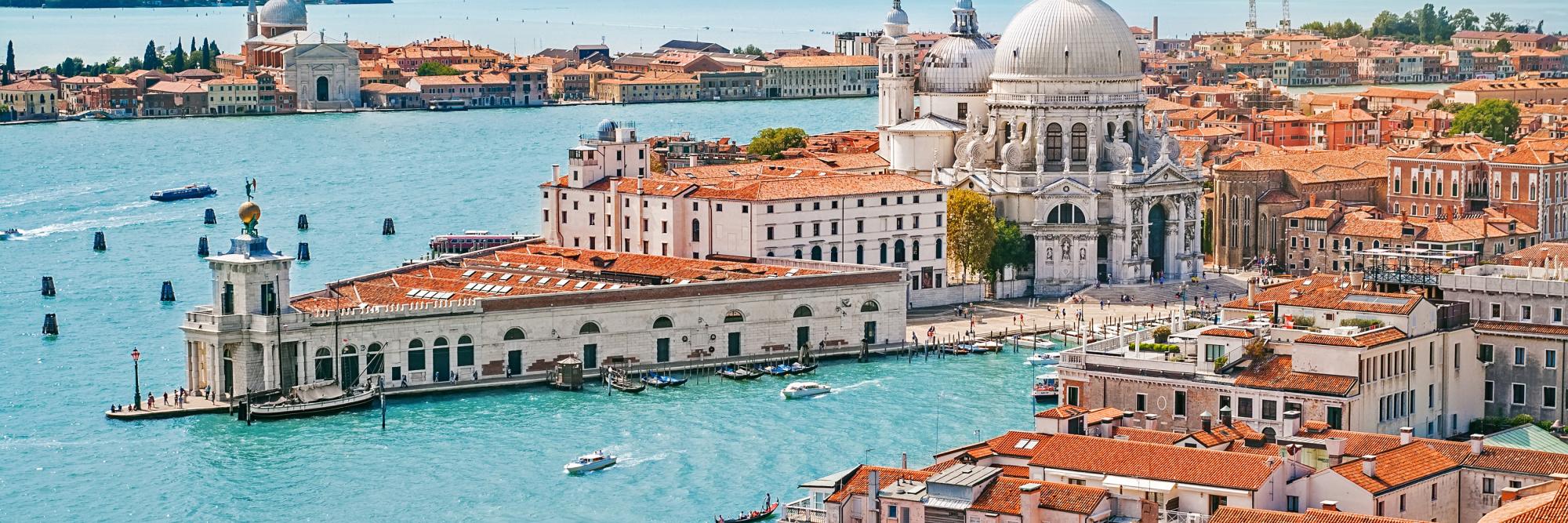
Venturing further south, metropolitan areas like Milan and Venice experience significant weather variations. Severe wet and foggy winters with close to freezing average temperatures of around 36°F (2°C) and hot and humid summers with a few short bursts of cold spells and hailstorms. Summer temperatures can soar to 90°F (32°C).
Locations like Naples further south experience a moderate Mediterranean climate, with scorching, dry summers, and gentle winters. The warmest month in this region is August, which can bring blistering temperatures of up to 108°F (42°C). Winter lows, on the other hand, are usually around a manageable 48°F (9°C).
Spring and autumn, though fleeting, usher in the most pleasant weather in Italy, marking a mild respite between the extremes.