

Getting around in Rome is easy, thanks to the city’s comprehensive and efficient public transport network. The metro system is extensive and runs frequently, with suburban train routes that stretch into the outskirts. Some buses run to areas not connected by train. The city runs an integrated transport system, and tickets are valid on city buses, trams, the metro, and some trains.
Public transport in Rome
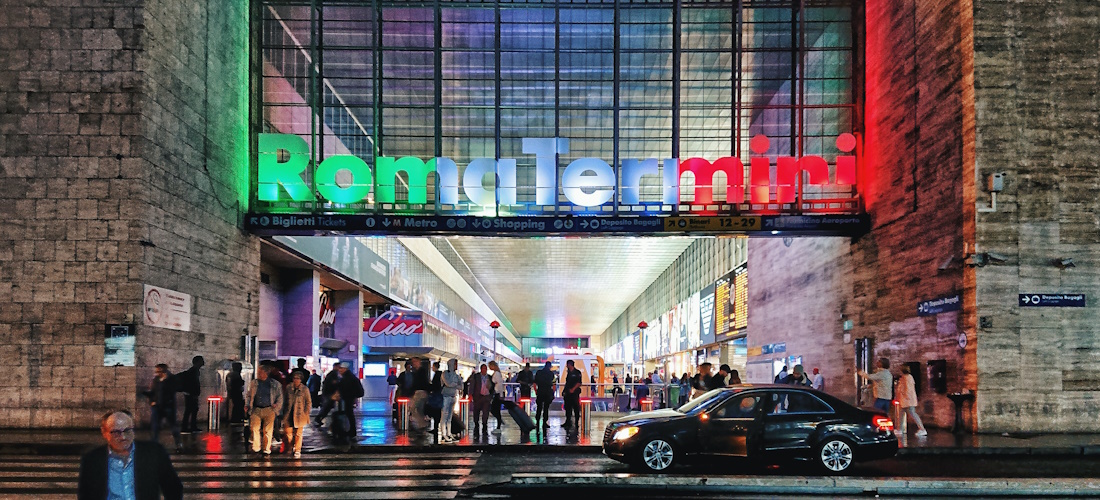
Rome offers various transport tickets and travel cards to suit different travel needs and durations. Single-journey tickets (BIT) are valid for 100 minutes and allow unlimited transfers, except for re-entries into the metro.
Day passes (MetroBus 24, 48 and 72 hours) provide unlimited travel for their respective durations, while a weekly pass is ideal for longer stays. The Roma Pass, specifically for tourists, includes free public transport and benefits such as line-skipping and discounts on some attractions. Tickets can be bought at metro stations, newsagents and ATAC booths.
Metro
The Roman metro is well organised, but may not always be punctual. Trains depart regularly, and many stops are appropriately named after the monument that they’re closest to.
It’s worthwhile noting that the metro goes around rather than through the historic centre. At the end of many lines, there are connecting suburban trains. For those new to the city, it’s helpful to know that the metro operates until midnight, with extended hours on Friday and Saturday nights.
Metro tickets can be purchased at every station, and the contactless system allows easy entry and exit. The BIT ticket is often sufficient for single metro journeys, while the MetroBus tickets offer unlimited rides for 24, 48, or 72 hours.
Trains
The suburban train line, run by Trenitalia, connects the outskirts of Rome with the metro and the rest of Italy. Timetables and maps can be viewed on the Trenitalia website. These regional trains are a boon for those wishing to explore beyond the city limits, offering access to nearby towns and scenic areas.
Train tickets for suburban lines are compatible with the BIT ticket and the MetroBus passes, allowing seamless integration with other forms of public transport in the city.
Trams
Rome has a limited tram system. Although trams can squeeze into some of the city’s smaller roads, the routes don’t link up neatly with the metro. However, they provide a scenic way to see parts of the city not easily accessible by the metro, and they’re particularly useful for reaching destinations in the Trastevere neighbourhood and along the Tiber River.
Tram travel is included in the BIT and MetroBus tickets, making it an affordable option for short trips or as part of a longer journey combining multiple modes of transport.
Buses
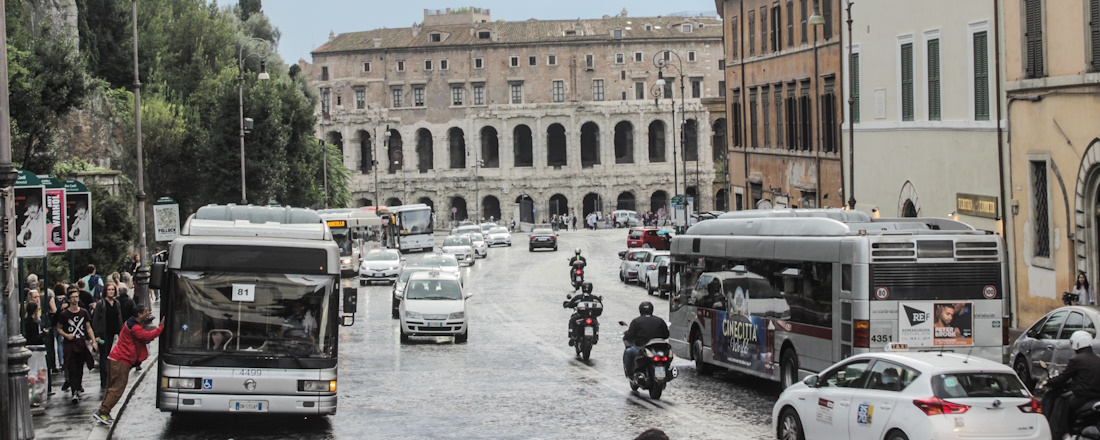
Buses are the least practical form of public transport in Rome. The metro has made them redundant in some areas, and between the traffic and the tiny streets, buses can be a slow way to get around. That said, routes are extensive, and lists of routes and timetables are available online. They remain an essential part of the transport network, reaching areas not serviced by the metro, and are particularly useful during the metro’s off-hours.
Like trams and the metro, buses accept the BIT and MetroBus tickets, making them a flexible option for navigating areas not covered by rail.
Useful links
Taxis in Rome
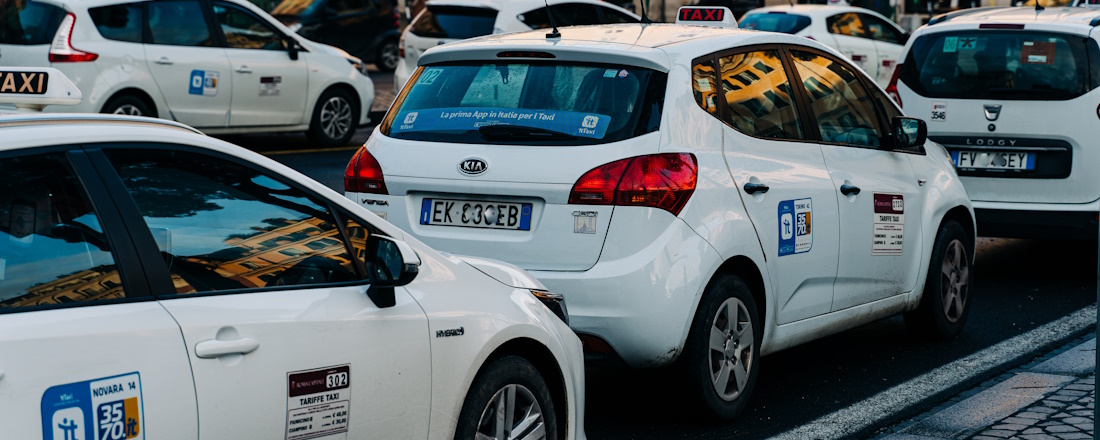
With an extensive public transport network, taxis are usually the last resort in Rome. They’re expensive, and drivers have been known to overcharge foreigners. If you opt to hail a taxi, always look for the official white or yellow cabs and insist that the meter be used or at least negotiate a flat fare before setting off.
When using taxis, it’s essential to understand the fare structure. The cost of a ride in Rome is calculated by a taximeter, with base fares depending on the time of day. Additional costs may apply for extra luggage or passengers. In some cases, official cab fares offer a 10 percent discount, such as rides to public hospitals or for women travelling alone at night. For airport transfers, fixed fares are in place to key destinations within Rome.
Alternatively, ride-hailing services such as Uber’s premium Black, Van, and Lux options operate in Rome. Legislation protecting normal taxis is in place in Rome, meaning that ride-hailing services effectively amount to hiring a temporary personal driver, which explains the increased cost and the more limited, high-end offering.
Useful links
Driving in Rome

Italian cities are generally not car friendly, and Rome is no exception. The city was built long before cars came into existence, and attempts to accommodate them have created a confusing mess of one-way streets, impossibly tight alleys, and tricky roundabouts. Parking is also limited and expensive. The city’s streets are known for pushy drivers and congestion, especially during rush hours between 7am and 9am and 5pm and 7pm, adding to the driving challenges.
The price of fuel in Rome is relatively high – opting for a compact car saves on fuel and reduces parking hassles. Electric vehicles are also popular for their lower operating costs and environmental benefits. The network of charging stations in the city is constantly expanding, and they’re a great choice for those who wish to drive.
Moreover, a congestion charge system, the ZTL (Zona Traffico Limitato), is in place in Rome to reduce traffic, limiting access to certain areas. Hefty fines are charged if individuals drive through these zones without a permit. This management strategy encourages the use of Rome’s extensive and convenient public transport network.
Driver’s licences
To drive with your home country’s licence in Rome and Italy as a whole, you’ll need to secure an International Driving Permit (IDP). If you plan to stay longer than the validity of your IDP, you’ll need an Italian driver’s licence. Check if your home country has a reciprocal agreement with Italy – you might be able to simply convert your licence. EU or EAA licence holders have more time; they need only replace their current licence with an Italian one once it expires.
Useful links
Cycling, scooters and Vespas in Rome
Bicycles
In the past, bicycle paths in Rome were few and far between. Recent initiatives in Rome have led to more cycle paths being constructed. Cycling can be a good option for short trips or as part of your commute, as bikes are permitted on some forms of public transport. Numerous rental agencies provide traditional and electric bikes, allowing expats to easily navigate the city’s streets and historic areas. The availability of bike-sharing services further enhances cycling accessibility in Rome.
Electric scooters
Electric scooters are a popular option among residents and visitors alike, especially given Rome’s scooter-sharing system. By simply downloading an app, you can access and ride e-scooters at affordable prices. These services, such as Helbiz, Lime and Bird, offer a convenient and eco-friendly means of exploring the city.
Vespas and motorcycles
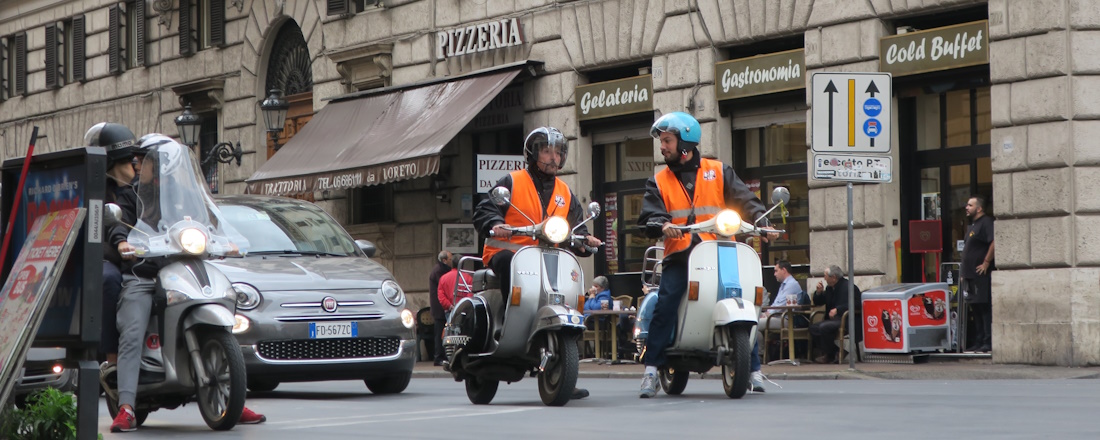
Another alternative is using Vespas – it’s hard to think of Rome without these iconic scooters. There are many rental agencies for them dotted around the city. Despite their prevalence, Rome’s chaotic driving conditions make it difficult to drive by scooter. Nonetheless, for the experienced rider, getting through Rome on a Vespa can be an exhilarating way to experience the city.
Useful links
Walking in Rome
The feasibility of walking as a mode of transport in Rome depends on where you live and how fit you are. Most people walk through the central district, but sights like the Vatican and the Colosseum are farther out. Unless you live in the centre of Rome, you’ll need to rely on public transport for at least part of the way.
The city’s layout, with its narrow streets and hidden piazzas, is best explored on foot, offering an intimate glimpse into Rome’s daily life and historic charm. Even areas like Trastevere and Monti, while slightly off the beaten path, are comfortably accessible on foot, revealing local artisan shops, quaint cafés and traditional trattorias.
Remember to be alert when crossing the road. Don’t jaywalk or use designated crossings without making sure the road is clear, as Italian driving culture often asserts that drivers, not pedestrians, have the right of way.
Pedestrian safety is paramount in Rome, and while crosswalks are common, how well drivers respect them can vary. Stay vigilant, especially on busy thoroughfares, and make eye contact with drivers before crossing. Following the locals can also be a practical way to gauge the right moment to cross.