
- Download our Jakarta Schools Guide
Living in Jakarta as an expat
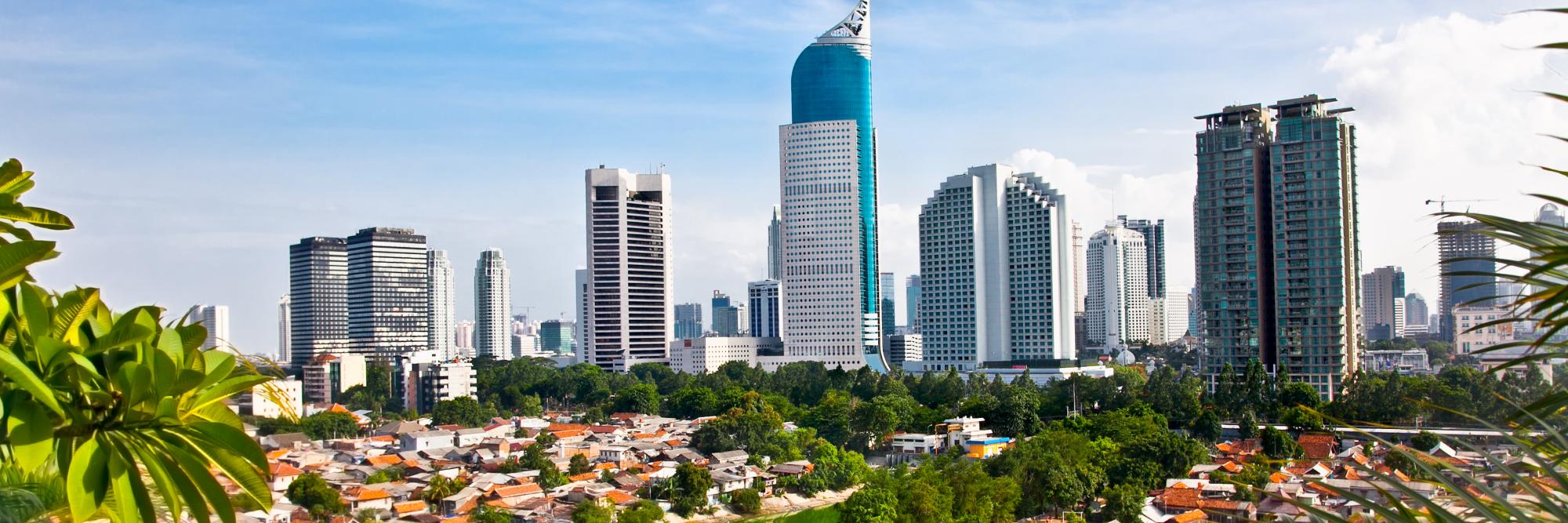
Moving to Jakarta is not for the faint-hearted. Often referred to as the ‘Big Durian’, it is a city of contrasts and immense diversity that embodies the heart and soul of Indonesia. This bustling metropolis, much like its fruity moniker, can be an acquired taste. Long the country’s capital, Jakarta officially ceded that title to the new city of Nusantara, although the transition is gradual and the city still functions as Indonesia’s economic and cultural centre. Skyscrapers tower over traditional markets and teeming streets.
While it lacks some of the polished charms of other major international cities, Jakarta offers a raw and authentic experience. The streets buzz with the sounds of daily life. Vendors call out their wares over the hum of motorbikes, and five times a day, the call to prayer rises from mosques across the city.
Living in Jakarta as an expat is colourful and somewhat exotic, yet new arrivals might not find many of the apparent charms of other large cities around the world. It can be noisy and polluted, and getting around the city can be difficult due to the congested roads. Unless very brave, most expats don’t drive themselves; ride-hailing apps such as Gojek and Grab have largely replaced the traditional hired driver for day-to-day travel.
Working in Jakarta
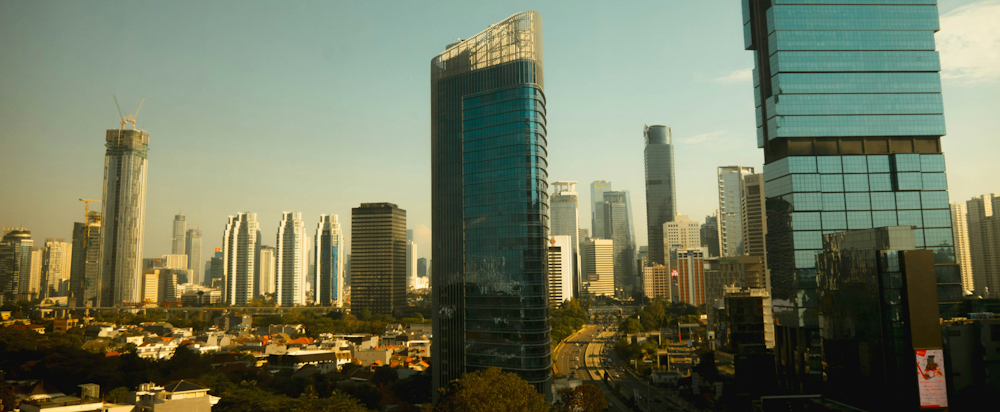
Expats in Jakarta generally find jobs in the finance, technology, engineering, education, and energy sectors. The process for getting a work permit and visa for Indonesia is often arduous; there are strict rules that govern the employment of foreigners due to the high unemployment rate in the country.
Finding accommodation in Jakarta
Jakarta offers plenty of choice in terms of finding rental accommodation, as properties range from luxury penthouse apartments and houses with pools and gardens to rooms in guesthouses with shared bathrooms and dining facilities.
Renting Expat Accommodation in Jakarta
Cost of living in Jakarta
The cost of living in Jakarta depends very much on lifestyle choices, as the city is largely affordable. Be that as it may, Jakarta is not a cheap place to live if expats shop only at Western-style supermarkets or high-end shops. Local shops are quite affordable, though, and the city’s many markets make for a colourful shopping experience. Imported goods can be expensive, but Indonesian products are considerably cheaper.
Lifestyle in Jakarta
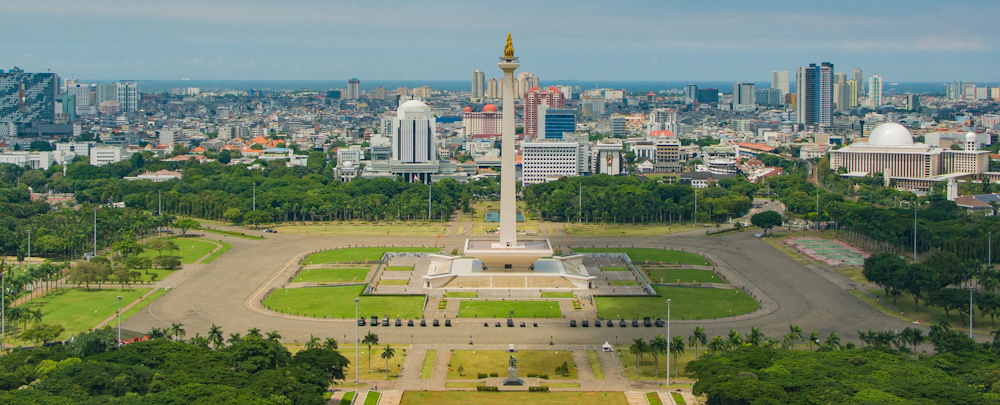
The lifestyle in Jakarta keeps most expats well entertained. For those in need of retail therapy, there’s everything from upscale malls with international brands to bustling traditional markets. As night falls, the city comes alive, and there is no shortage of bars and live music. Foodies can find everything from street food stalls with local treats to high-end restaurants with global cuisines.
Jakarta’s calendar is dotted with annual festivals and events, many of them free. These range from cultural celebrations to film festivals. Those after cultural or recreational exploits have plenty to choose from, from history museums to the scenic Thousand Islands just off the coast.
Lifestyle in Jakarta
Attractions in Jakarta
Living in Jakarta with children
Family life in Jakarta has its own joys and challenges. Beyond the international schools, the city has plenty of family-friendly activities; parks and zoos abound, and community clubs welcome newcomers.
Healthcare is also pricey in Jakarta, and serious medical emergencies may require evacuation to a neighbouring country such as Singapore. Expats are strongly advised to take out comprehensive medical insurance if this is not already provided through their employer.
Healthcare in Jakarta
Family-Friendly Activities in Jakarta
Finding a school in Jakarta
Finding a school in Jakarta is a priority for most expat parents, and the majority opt for an international school. Tuition fees are likely to cause the most considerable dent in the household budget, as international schools are expensive.
International Schools in Jakarta
Getting around in Jakarta
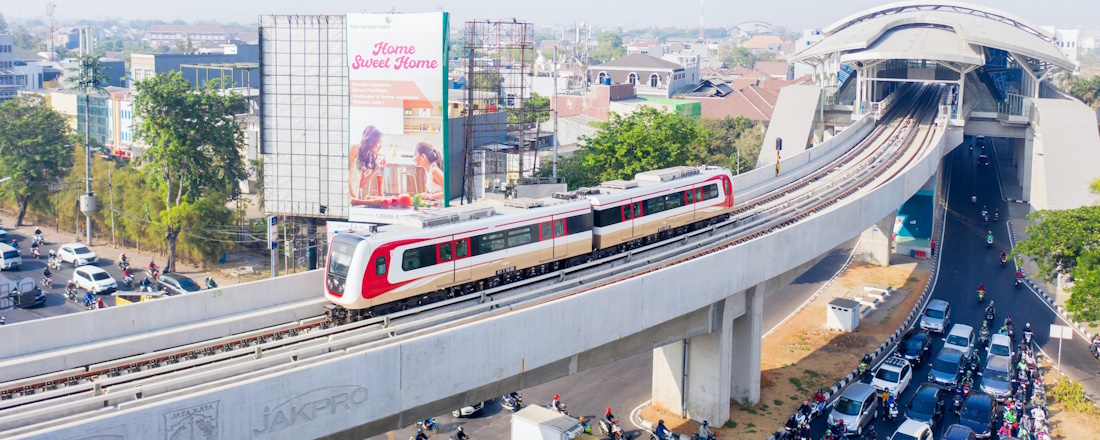
Getting around in Jakarta has got easier in recent years, although traffic congestion is still legendary. The MRT (Mass Rapid Transit), which opened in 2019, runs a north-south line from Lebak Bulus to Bundaran HI and is clean and reliable. Transjakarta, the city’s bus rapid transit (BRT) network, covers over 90 percent of Jakarta’s area, and some corridors run 24 hours a day. Both systems accept cashless payment through the integrated JakLingko platform.
For most expats, ride-hailing apps Gojek and Grab are the backbone of daily travel. Driving yourself is possible but difficult, as Jakarta enforces an odd-even licence plate system on major roads during peak hours.
Weather in Jakarta
Jakarta’s tropical climate is hot and humid year-round, with slight variations in temperature from month to month. The city has a pronounced wet season from roughly November to March, when heavy rainfall can cause serious flooding; entire neighbourhoods have been inundated in recent years. The dry season, from around June to September, brings more sun and is the best time for beachgoing and island hopping in the nearby Thousand Islands.
Life in Jakarta can be hectic and is not for the faint-hearted, but there are also many fascinating corners to discover and new friends to be made. Whatever you choose to make of it, nobody could claim that life in the Big Durian is dull.