

Managing banking, money and taxes in Indonesia can be an exercise in patience, but once you become more accustomed to how things are done, it'll become easier to figure out the financial side of expat life in Indonesia.
The procedures involved in the Indonesian banking system might seem a tad unconventional, particularly for those accustomed to Western banks’ digital swiftness. Nevertheless, Indonesia is steadily catching up, and banks increasingly offer mobile banking and online facilities as standard features. As with everything in this vast tropical archipelago, patience and perseverance are key to a smooth banking experience.
Money in Indonesia
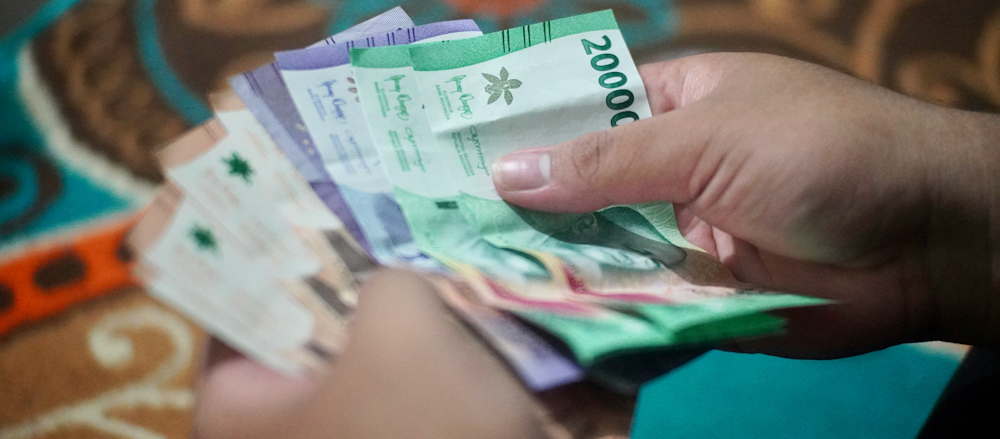
The official currency is the Indonesian Rupiah (IDR), which is technically divided into 100 sen, although sen haven’t been used in decades and won’t crop up in daily life.
- Notes: IDR 1,000, IDR 2,000, IDR 5,000, IDR 10,000, IDR 20,000, IDR 50,000, and IDR 100,000
- Coins: IDR 100, IDR 200, IDR 500 and IDR 1,000
Banking in Indonesia
Banking in Indonesia offers newcomers plenty of options, with a good spread of local and international institutions to choose from. Expats can open an account in rupiah or US dollars. Some other foreign currencies are also provided for. Savings accounts, cheque accounts, foreign exchange, debit cards and credit cards are all available in the country.
Bank Central Asia (BCA) and Bank Mandiri are the most popular choices among expats, both with widely praised mobile apps and extensive ATM networks. International banks such as HSBC and CIMB Niaga also cater to foreign clients and tend to have English-speaking staff and smoother international transfer facilities.
Opening a bank account
For many newcomers, understanding how to open a bank account in Indonesia can seem daunting, but the process is usually straightforward. Upon selection of the bank, an initial deposit is generally required. Once the account is open, online and mobile banking, and a passbook (if required), are provided.
Most of the staff at international banks in Indonesia speak English. The documents required to open a bank account in Indonesia can vary, but typically include proof of employment, a passport, and a residence permit.
It’s recommended to prepare the following documents before opening an Indonesian bank account:
- Passport: Original and a photocopy of the applicant’s passport with at least six months’ validity.
- KITAS/ITAS (Temporary Stay Permit): The KITAS (Kartu Izin Tinggal Terbatas) is the physical card most banks will ask for, while ITAS refers to the permit itself. Both the original and a copy will be needed.
- Reference letter: A letter from the applicant’s employer or sponsor in Indonesia confirming their employment or sponsorship status.
- Proof of address: This could be a utility bill, rental agreement, or a letter from the employer.
- NPWP (Tax ID): Indonesia’s tax identification number (Nomor Pokok Wajib Pajak) is not always mandatory for account opening, but is increasingly requested.
There is some variation from bank to bank, but the following process is generally followed:
- Selecting the bank: Research and choose a bank based on personal preferences, available services, and recommendations. Local and international banks are available.
- Submitting documents: Hand over the necessary documents listed above. The bank representative might also request additional documents based on specific bank policies.
- Verification: The bank will process and verify the submitted documents. The verification process can take anywhere from a few hours to a few days.
- Visiting the bank branch: While some preliminary steps might be taken online, a visit to the bank in person is typically required to finalise the account opening process.
- Account activation: The bank account will be activated once verification is complete. The account holder will receive banking instruments, such as a chequebook and a debit card, and, if applicable, access to online banking.
It’s always prudent to check with the chosen bank beforehand to clarify any specific requirements.
ATMs and credit cards
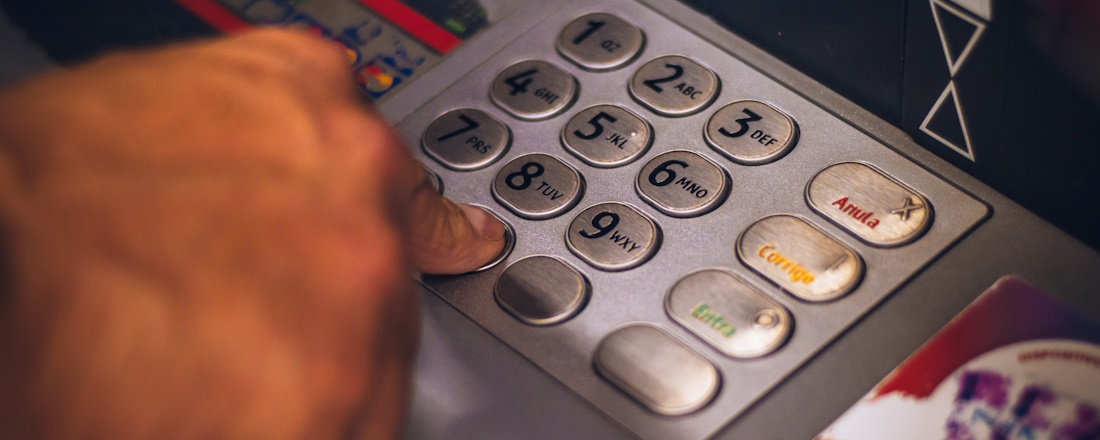
Indonesia’s ATM network is quite extensive, and it’s easy to withdraw cash. ATM skimming is a known risk in tourist areas, so it pays to use machines inside bank branches or shopping centres rather than standalone units on the street.
Credit cards, especially Visa and MasterCard, are widely accepted in urban areas and tourist spots. Cash is still king in more remote locations and smaller businesses. Let your bank know your plans before travelling to avoid unexpected account freezes.
Useful links
Taxes in Indonesia
Taxes in Indonesia can be a thorny affair for expats. Residents are taxed on worldwide income, while non-residents pay tax only on income earned in Indonesia. Indonesia also has double taxation agreements with many countries that can affect your actual liability, so hiring a tax professional familiar with local and global tax regulations is well worth it. Taxation in Indonesia is based on the principle of residency. If you live and earn in Indonesia, you’ll need to file returns on time to avoid penalties.
Due to extensive social programmes and a high tax rate, high-earning expats should budget to pay about one-third of their income in taxes and contributions, not counting other taxes like value-added tax (VAT) and luxury goods sales tax (LST).
Employers in Indonesia are required to contribute 2 and 4 percent of an employee’s income to pension and healthcare respectively. Employees contribute 1 percent to each. Employers also contribute roughly 10 percent of your salary to social insurance schemes that cover old age savings, work accident protection and death benefits.
Expats who stay in Indonesia for more than 183 days in any 12-month period are considered tax residents of Indonesia. Income tax rates in Indonesia range from 5 to 35 percent for residents, depending on an individual’s net income. Non-residents, meaning foreigners who spend less than half of the year in Indonesia, are taxed at a flat rate of 20 percent of their Indonesian income.
Other than income tax, there are additional taxes to be aware of, including VAT and LST. VAT is a consumption tax imposed on most goods and services in Indonesia and is usually factored into the prices of products on the shelf. From 2025, VAT is 12 percent for luxury goods; standard goods and services are taxed at an effective rate of 11 percent. LST is applied to certain high-value items, including some real estate, automobiles and alcohol, among others. LST rates vary widely and can reach as high as 125 percent.