

The local culture in Indonesia can hit you like a wall of sound, scents, and colour all at once. This is especially true if you’re heading to Jakarta, a city of more than 11 million people at its core and a wider metro area, Jabodetabek, that swells beyond 35 million. Poverty and poorer areas are a common sight, and they starkly contrast with the modern towers that shape Jakarta’s skyline.
Air quality is another adjustment worth preparing for. Jakarta regularly exceeds the WHO safe limits for particulate matter several times over, and the dry season (June to September) is typically the worst. An air purifier at home and a pollution monitoring app are wise investments.
On the plus side, the local culture is defined by genuine friendliness and openness. You should feel safe and welcome in your neighbourhood, and making local friends is a great way to settle in. Jakarta and other major cities are relatively safe by the standards of similarly sized metropolises, and popular expat neighbourhoods tend to be well policed. Petty theft is the main risk; violent crime against foreigners is rare.
Time in Indonesia
Time can be a flexible concept in Indonesian culture, so much so that the phrase jam karet (rubber time) has become famous in the country. You can expect meetings to be cancelled without notice and for business associates and local friends to run late. That said, multinational offices and internationally experienced colleagues increasingly keep to tighter schedules; rubber time stretches further in social settings than in the boardroom.
Indonesians are mostly relaxed about time and would rather spend extra minutes speaking to someone and building a relationship than being punctual for their next appointment.
Language barrier in Indonesia
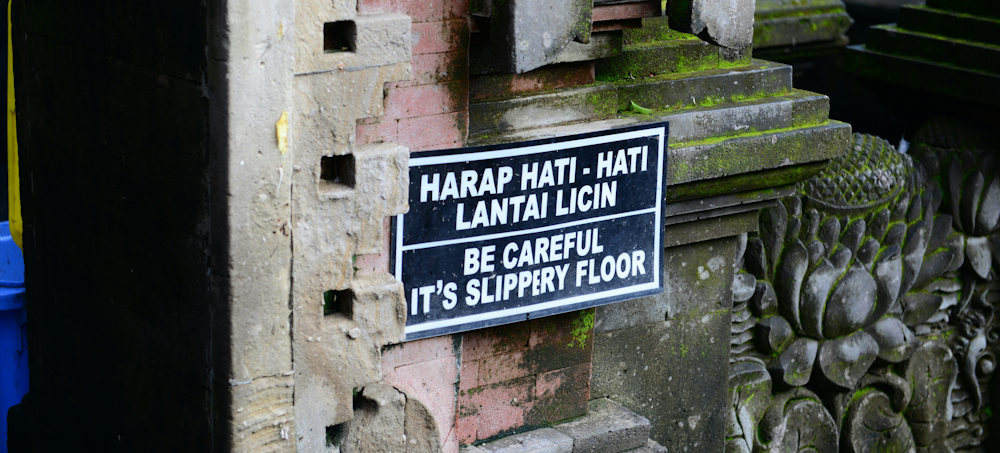
There’s less of a language barrier in Indonesia than you might expect. The official language is Bahasa Indonesia, but English is widely spoken in business circles and urban centres. Javanese, with around 80 million speakers, is the most widely spoken mother tongue in Indonesia. Other regional languages, like Sundanese, Madurese, and 700 others, are spoken across the archipelago.
For expats, learning a few phrases in Bahasa Indonesia will make everyday tasks like shopping or giving directions to a taxi driver much easier. It’s also a fine way to build rapport with locals.
Communication in Indonesia
Communication in Indonesia is heavily informed by the concept of ‘saving face’. It is a serious breach of etiquette to publicly criticise or reprimand someone. This custom also often results in Indonesians being quite vague if they have a problem, or telling someone what they want to hear, even if they have no intention of following through. Rather than a direct refusal, an Indonesian might say ‘maybe’ or ‘we’ll see’. The word ‘yes’ can also be slippery; it sometimes means ‘I heard you’ rather than ‘I agree’.
Face-to-face interactions are highly valued, especially in the business world. You are more likely to get attention and results from an in-person meeting than from an email or phone call. WhatsApp is the default channel for both personal and professional communication, and a prompt reply on WhatsApp will often get you further than a well-crafted email.
Meeting and greeting in Indonesia

Meeting and greeting etiquette in Indonesia is rooted in Indonesia’s cultural values of respect and humility. The standard greeting is a handshake with a slight bow of the head.
When men greet each other, a handshake with the right hand is the most common form of greeting. Both men sometimes put their palms to their hearts after shaking hands as a sign of respect. A handshake is also a standard greeting between women, although sometimes just a nod of acknowledgement is used.
When men and women greet each other, handshakes are acceptable, but expat men should always wait for the woman to initiate it. If a woman puts her hands in front of her chest in a prayer position, it means she would prefer not to shake hands; just return the gesture.
It’s also common to see men holding hands or walking arm in arm with male friends. In Indonesian culture, it’s a gesture of friendship, not romance.
Bureaucracy in Indonesia
Bureaucratic red tape in Indonesia is a drag on growth and a headache for newcomers. Besides slowing down everyday tasks, it also causes problems for expats who are trying to get entry visas or work permits.
It’s time well spent to work with a local immigration consultant or seek guidance from colleagues in Indonesia. The country’s visa rules are in constant flux, so staying informed through a trusted local adviser is the way to go.
Religion in Indonesia
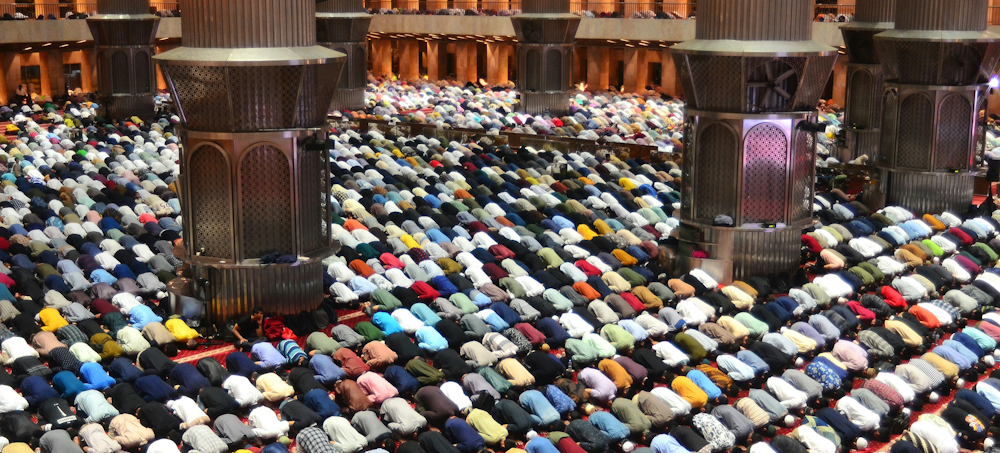
Indonesia has the world’s largest Muslim population, and although religion in Indonesia shouldn’t affect day-to-day life too much, foreigners would do well to dress modestly and respect Muslim customs.
Ramadan is the most visible religious observance. During the month of fasting, many local eateries close during daylight hours, work schedules are often shortened, and those who don’t observe the fast are asked to be discreet about eating and drinking in public. Eid al-Fitr, known locally as Lebaran, marks the end of Ramadan and brings the country to a near standstill as millions travel home for the holiday.
There are also significant Hindu communities in areas like Bali, as well as Christian and Buddhist populations. Nyepi, the Balinese Hindu New Year (Day of Silence), sees the entire island shut down for 24 hours: no flights, no traffic, no activity.
LGBTQ+ in Indonesia
Indonesia does not criminalise same-sex relations at the national level, but the social climate is conservative, and public attitudes are overwhelmingly hostile; a 2025 Pew survey found more than 90 percent of respondents considered homosexuality morally unacceptable. The province of Aceh enforces Sharia law and punishes same-sex acts with public caning.
Elsewhere, LGBTQ+ people have been targeted under broad pornography and public morality statutes. Indonesia’s revised criminal code, which took effect in January 2026, criminalises sex and cohabitation outside marriage. Since same-sex couples cannot legally marry, this provision carries additional weight for LGBTQ+ individuals.
Prosecution requires a formal complaint from a spouse, parent or child, and the government has said tourists will not be targeted, but expats in relationships with local partners should be aware of the law’s reach.
LGBTQ+, Diversity and Inclusion in Indonesia
Women in Indonesia
Indonesia has made some legal strides on gender equality. A 2022 law on sexual violence introduced workplace protections, and women hold around 20 percent of parliamentary seats. In practice, though, traditional expectations still run deep. Female labour force participation seems stuck around 50 percent, well below the male rate, and women hold a small fraction of corporate leadership roles.
In business settings, expat women may occasionally encounter assumptions about gender roles that feel outdated. Major cities like Jakarta are more progressive, but in rural areas, conservative norms are more pronounced.