
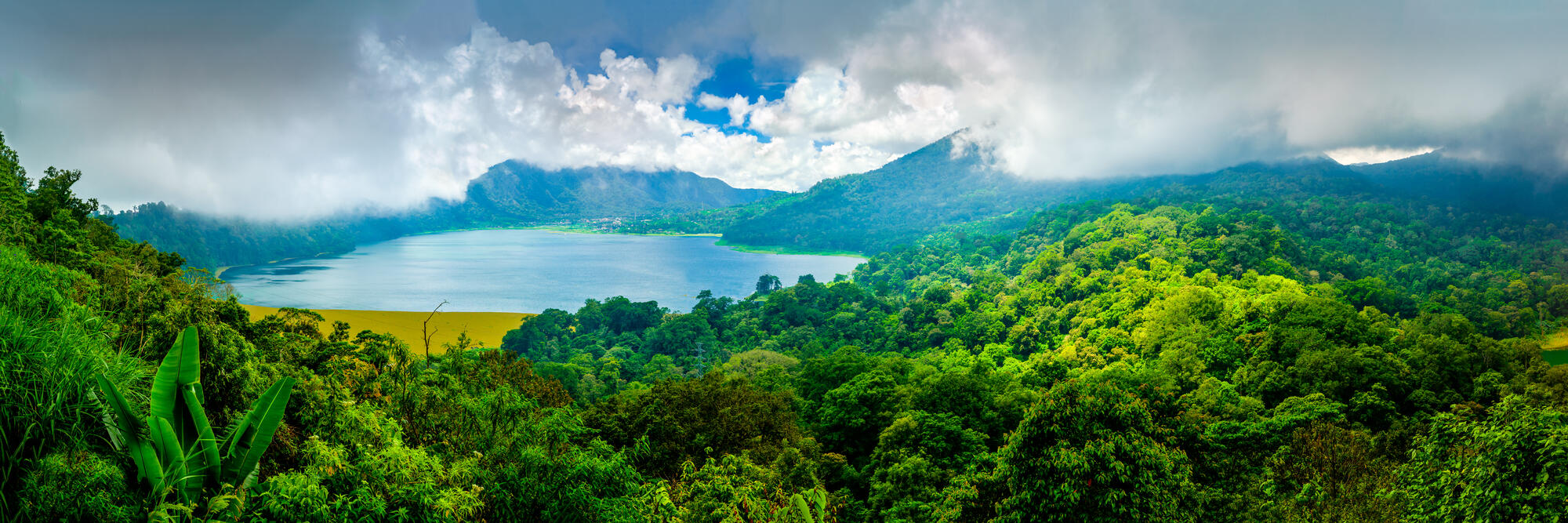
By and large, safety in Indonesia is not a major concern for expats as long as they stay informed and alert. There are some security considerations worth bearing in mind, but most visitors and residents spend their time in the country without incident. Conditions do vary across the archipelago. Expat hubs like Bali and Jakarta are worlds apart from more remote or conflict-affected provinces.
Natural disasters, including earthquakes and flooding, can occur. Other risks to be aware of include petty crime and, in rare instances, terrorism.
Crime in Indonesia
Crime in Indonesia is mostly petty in nature, and rates are relatively high in busy urban areas. Pickpocketing is widespread, as is bag snatching, which is often done from the back of a motorbike. Stay aware of your surroundings, and wear a cross-body bag that sits close to your body. Use app-based ride-hailing services rather than hailing taxis from the street to reduce the amount of time you spend as a target on the pavement.
ATM fraud is another possible issue, although most banks have taken steps to improve the security of their machines in recent years. When using any ATM, check for suspicious persons nearby and inspect the machine before use.
Credit card fraud is also a concern, and paying with cash where possible is the safest bet. Monitor your accounts closely and inform your bank immediately of any unauthorised activity.
Drink spiking is another risk to be aware of, particularly in nightlife areas of Bali, Lombok, and the Gili Islands. The UK FCDO and the Australian government have both flagged reported cases linked to sexual assault and robbery. Keep an eye on your drink and never accept one from a stranger. There is also a risk of methanol poisoning: cheap, counterfeit spirits that turn up even in licensed bars and hotels.
Road safety in Indonesia
Road safety in Indonesia is a serious concern. Traffic is busy and chaotic, particularly in urban centres, and traffic rules are rarely enforced. Roads are overcrowded, and motorbikes routinely overtake on both sides. WHO data estimates roughly 31,000 road fatalities per year, and expat forums consistently call the roads the single most dangerous thing about living in the country. Wet season weather and poor road surfaces add to the problems.
Many expats hire a local driver; some multinational employers actively require it. Foreign nationals who wish to drive themselves will need an International Driving Permit (IDP), and a helmet is required when riding a motorbike.
Terrorism in Indonesia
Terrorism in Indonesia is a background risk rather than a day-to-day preoccupation for most expats in major urban centres; forum consensus bears this out. The country spans thousands of islands, and conditions vary enormously: Jakarta bears little resemblance to a remote highland province. Papua’s highland and central provinces are a particular case. The US State Department rates them Level 4 (Do Not Travel) due to an active armed conflict between Indonesian security forces and separatist groups that has displaced over 100,000 civilians. Independent media access to the region is heavily restricted.
The Indonesian government has made real strides in counterterrorism, and Jamaah Islamiyah was formally dissolved in 2024. Attacks do still happen, though, and they are unpredictable. Places frequented by tourists and expats are potential targets, including embassies, shopping malls, hotels, airports, and popular tourist areas. Stay vigilant, particularly during holiday periods.
Useful links
Natural disasters in Indonesia
Natural disasters in Indonesia are a fact of life. The country sits on the Pacific ‘Ring of Fire’ and has roughly 130 active volcanoes. Earthquakes are frequent. As an archipelago, a high percentage of Indonesia's land is coastal, so tsunamis resulting from large earthquakes can be catastrophic.
Flooding is also a problem during the rainy season, and flash floods and landslides occur frequently. Jakarta is hit particularly badly. The city is sinking; parts of North Jakarta have subsided by around eight feet (2.5m) over the past decade. Annual floods are a near certainty.
Pay attention to weather warnings and make sure you have a plan in place for natural disasters. The BMKG (Indonesia’s meteorological and geophysical agency) runs an app and website with real-time earthquake, tsunami and weather alerts in English. It’s well worth downloading before you arrive.
Useful links
- BMKG: Indonesia Meteorological, Climatological, and Geophysical Agency
- InaTEWS: Indonesia Tsunami Early Warning System
Emergency numbers in Indonesia
- General emergency number: 112
- Police: 110
- Ambulance: 118 or 119
- Fire: 113
- Search and Rescue (BASARNAS): 115