
- Download our Moving to Egypt Guide (PDF)
Transport and driving in Egypt are important issues for expats to consider. While driving in Egypt can be dangerous and chaotic, the country has an extensive road network, and expats can travel by car or bus between most cities.
That said, expats should bear in mind that Egypt has a significantly higher road fatality rate than most Western countries, and road safety is a serious concern. Expats should take extreme caution when driving. In fact, when travelling long distances, taking the train, a riverboat, or a plane is recommended.
Public transport in Egypt
The public transport system in Egypt is extensive and affordable. It’s relatively easy to get around the country by train or bus. That said, public transport is not always the most comfortable way to travel in Egypt.
Metro
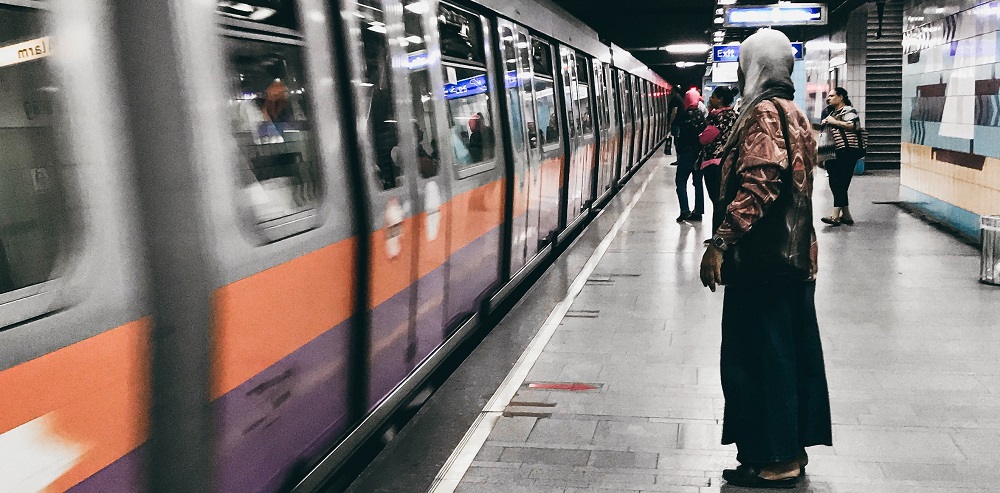
Cairo is home to a metro system, one of only three fully fledged metro systems in all of Africa. The metro has more than 80 stations across three lines and carries millions of passengers a day. The metro is fast and convenient. Two cars of each train are reserved for women (usually the 4th and 5th). The 5th car reverts to mixed use after 21:00.
Buses
Numerous bus routes in Egypt connect the country’s major cities, but many of these intercity buses can be overcrowded and uncomfortable. Fortunately, deluxe buses also exist on some routes between certain cities. They cost more, but the tickets are still relatively inexpensive and well worth the added amenities of air conditioning, onboard toilets, and in some cases, WiFi.
Tickets can be purchased at bus stations or on the bus itself, although it is better to book tickets in advance to guarantee a seat on busy routes. There are almost always inspectors on the bus, so expats should ensure that they have paid the correct fare and are carrying their passports in case the bus stops at a military checkpoint.
Local buses also operate within cities, and most cities also have minibus services available.
Trains
Egypt’s train network, operated by Egyptian National Railways, is affordable and extensive. The network spans more than 5,000 miles (9,500km) of track. Some trains have air conditioning; these trains are divided into first and second class. Trains without air conditioning have second and third-class compartments.
Boats
Those who want to travel via something more exciting than a bus or a train should consider taking a boat down the Nile River. Expats can travel on a cruise ship, traditional felucca, or a steamboat.
Useful links
Taxis in Egypt
Taxis are widely available in Egypt’s major cities. Expats should try to build a relationship with a trusted taxi driver so they always have someone reliable to call if they need to get somewhere quickly or need a driver for the day. Taxis are typically white and blue or yellow and black.
Another viable option is using a ride-hailing app such as Uber or Careem, a popular ride-hailing service widely used across the Middle East. These apps minimise miscommunication and give the passenger more control over the route and rate.
Useful links
Driving in Egypt
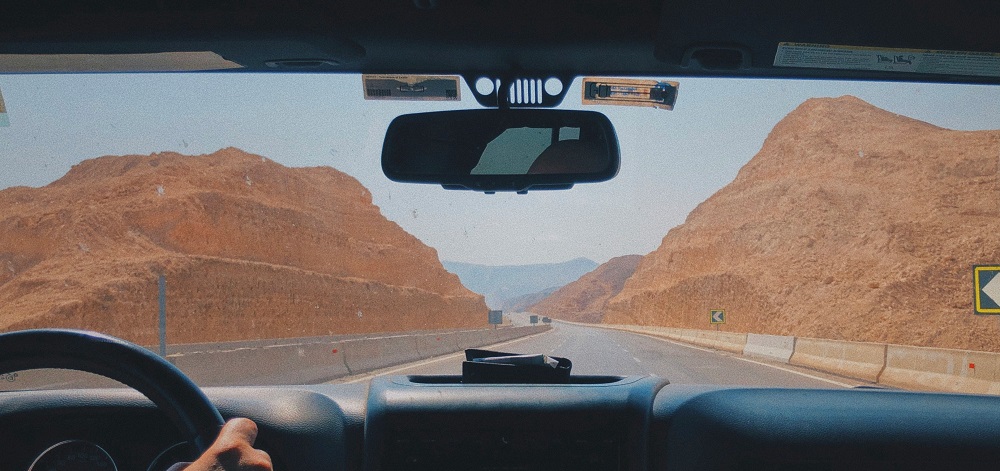
Driving in Egypt can be daunting. For this reason, some companies provide employees with a driver, but many people still choose to drive themselves, and some employers even cover defensive driving lessons to better equip expats for driving in Egypt.
Egyptians drive on the right-hand side of the road, and road signs are usually in both Arabic and English and are fairly similar to those used in Europe.
Road hazards in Egypt
Expats need to be extra vigilant when driving in Egypt as there are many road hazards to contend with. These include a lack of stop signs and traffic lights, drivers’ disregard for lane markings, and obstructions on the road.
Drivers are also likely to encounter stationary vehicles in the middle of the road, trucks driving the wrong way down one-way streets, and minibuses stopping suddenly to allow passengers to disembark in the middle of the road. Drivers in Egypt are also reluctant to use their headlights in the dark, and are also not consistent about indicating before turning. It is best to avoid driving at night if possible.
Driver’s licences
Expats who decide to brave the Egyptian roads can drive in the country with a valid licence from their home country and an International Driving Permit (IDP) for up to six months. Egypt currently has no licence exchange agreements with other countries, so all expats who plan to drive in the country will need a local driver’s licence.
Drivers must take a practical and written test to secure their Egyptian driver’s licence; the written test is in Arabic, so expats who are unfamiliar with the language may find it particularly challenging. Applicants will also need to provide a medical certificate with an eye test and blood type verification.
Useful links
Domestic flights in Egypt
Domestic flights in Egypt connect Cairo with popular destinations such as Luxor, Aswan, Hurghada, and Sharm El Sheikh. EgyptAir, the national carrier and a Star Alliance member, operates most domestic routes. Several smaller airlines also serve domestic destinations. Flights are generally short; Cairo to Luxor, for example, takes around an hour. For expats travelling long distances, flying is often the fastest and most comfortable option.