
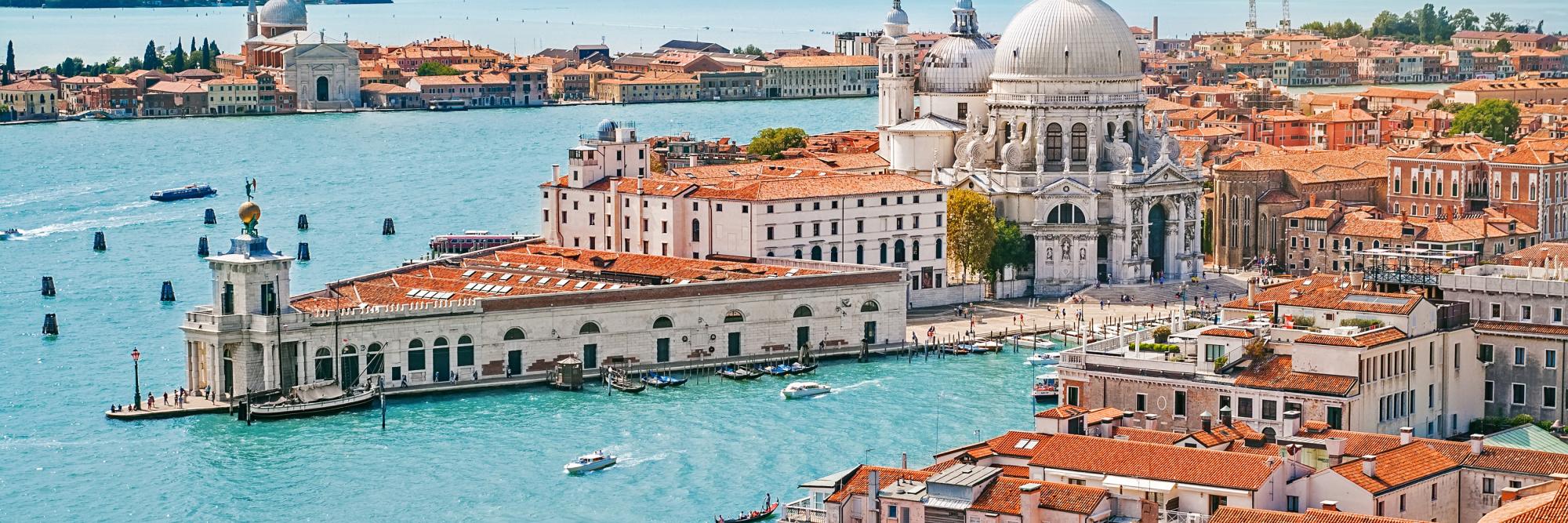
Healthcare in Italy is overall well managed. The public sector has an excellent reputation, although the quality of care can vary by region. Private healthcare in Italy is equally well regarded, but can be prohibitively expensive without proper insurance. Most Italians use public healthcare, while those who can afford it make use of both systems.
Public healthcare in Italy

The national health service in Italy, Servizio Sanitario Nazionale (SSN), provides residents with free or low-cost healthcare, including access to general practitioners (GPs), treatment at public hospitals, subsidised medicines, lab services, ambulance services, and certain specialist care.
Although the SSN is a socialised system, regional governments are in charge of managing it on a provincial level, so the standard of treatment isn't uniform throughout the country. For instance, public hospitals in Italy’s northern and central regions are known to offer higher standards of care than those in the south. As a result, you might prefer to seek treatment in cities like Milan.
Private healthcare in Italy
Private healthcare in Italy is staffed with well-trained doctors and is on par with the finest in the world. There are several impressive specialist facilities in large urban centres, while university hospitals are also highly reputable.
Private healthcare lets you avoid the queues and complications of the public system. It also provides for greater comfort and personal choice regarding doctors and facilities. For these reasons, although public healthcare in Italy is free for expat residents and Italians alike, most foreigners and many Italians who can afford it still opt to utilise private healthcare.
Private procedures vary in cost, although the Ministry of Health sets a minimum charge for all operations in this sector. Despite this, it can get awfully expensive, and health insurance is a must. In many cases, employers are obligated to finance health insurance for their employees, but if not, you should ensure that you're covered.
Health insurance in Italy
EU citizens can use their European Health Insurance Card (EHIC) to access state healthcare during a short-term visit of 90 days or less. UK citizens can use their Global Health Insurance Card (GHIC), which replaced the EHIC for UK citizens post-Brexit. Non-EU expats in Italy for a short visit should have private health insurance valid for the duration of their stay.
When moving to Italy, expats will need to formally register for the SSN. Expats who have their residence status finalised and have an Italian tax number (codice fiscale) can apply for an Italian health insurance card (tessera sanitaria). To do so, you need to go to your nearest local health authority (Azienda Sanità Locale) and apply for the card. Various documents, including your residence permit, tax number, official identification, and proof of employment, are required. If you want to claim benefits for your family, you'll need a family status certificate (certificato di stato di famiglia), which includes the personal details of relatives.
After registering, applicants must choose a family doctor and, if applicable, a paediatrician. They are then issued their Italian health insurance card, which must be presented to receive care under the SSN. The tessera sanitaria is either valid for the duration of the holder's residence permit or for six years for EU or Italian citizens.
Pharmacies in Italy
Under the Italian healthcare system, medicines prescribed by a GP are provided free of charge or at subsidised rates. Over-the-counter medicines, on the other hand, must be paid for in full. There are many pharmacies (farmacia) around Italy, including some 24-hour pharmacies, especially in the major cities.
Vaccinations for Italy
Italy has a well-established vaccination program for its citizens, and visitors are typically not required to have any specific vaccinations to enter the country. Nevertheless, for expats and long-term visitors, it's a good idea to ensure routine vaccinations, such as measles, mumps, rubella (MMR), and diphtheria, tetanus, and pertussis (DTaP), are up to date.
It is always recommended to consult with a healthcare provider about any specific vaccinations or health precautions before travelling. While Italy doesn't have many tropical diseases, it's best to be prepared, especially if travelling to or from areas with specific health risks.
Emergency medical services in Italy
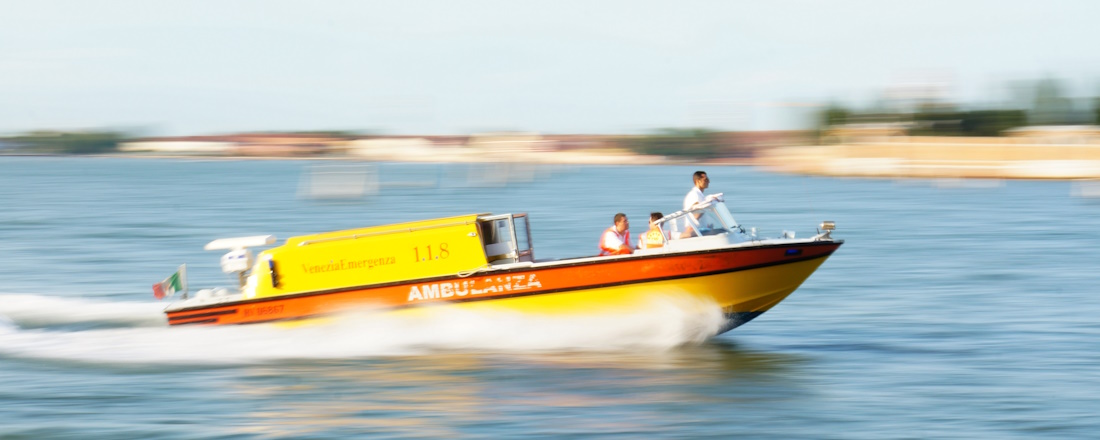
For emergency medical services in Italy, expats can dial 118, but English-speaking operators might not be available. If you don't speak Italian, call the European emergency number 112 instead.
The arrival of emergency services in life-threatening situations can vary and is, depending on congestion, reasonably fast in urban areas but much slower in rural areas.