

With many different options for getting around in Prague, expats can rest assured that they can get wherever they need to go in the city with relative ease. While it’s easy to navigate the city centre on foot, expats wanting to venture further than Prague 1 can make use of the city’s world-class public transport system.
Public transport in Prague
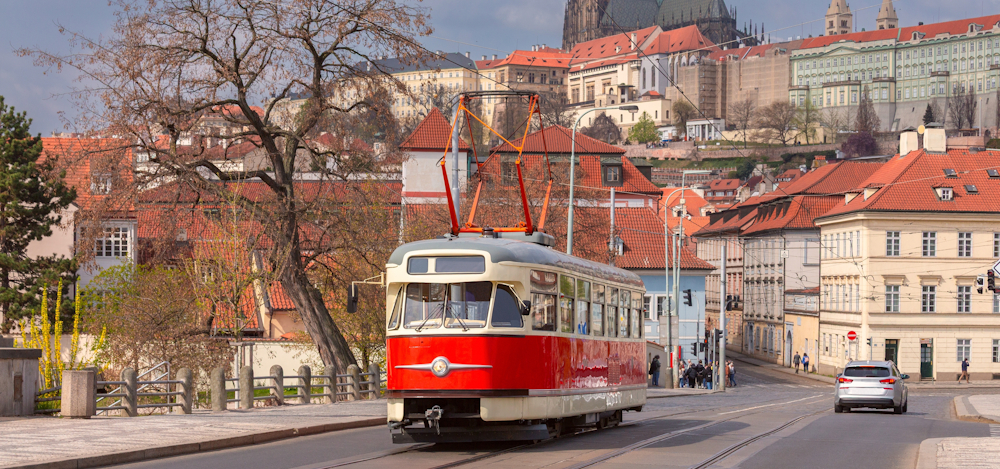
When travelling around Prague, expats will have the metro, tram, and buses at their disposal. All three are run by Prague Integrated Transit (PID) and Prague Public Transit Company (DPP). Using the network is affordable, efficient and will get expats where they need to go in no time.
The Lítačka smartcard is the most convenient way to pay for travel, but tickets can also be purchased individually without the need for a card. As the metro, tram, and bus systems are integrated, the same ticket can be used for any of them, and for transfers between them.
Metro
The metro is the fastest way to get around the city and will get expats where they need to go in a matter of minutes. It has three lines: A (green), B (yellow) and C (red), and travels around the city centre and to outlying suburbs.
Metro trains arrive every two to four minutes during peak hours, and every five to 10 minutes during off-peak hours. Operating hours are from 5am to midnight daily.
Tram
The Prague tram network has 35 standard lines that run throughout the entire city. It runs 24 hours a day.
Of the 35 lines, 26 are daytime trams, which run from 5am to midnight daily. They arrive every eight minutes during peak hours and every 10 to 20 minutes during off-peak times. The two busiest routes are twice as frequent, with trams arriving every four minutes during peak times and every five to ten minutes in off-peak hours.
The remaining nine lines are night trams, which cover the hours between midnight and 5am. Departures are every 30 minutes.
Bus
Bus service connects the outlying districts and the neighbourhoods between the centre and these districts. There are both urban and suburban buses serving Prague and its surroundings. Although the bus network is generally reliable, it is slower than the tram and metro, and buses can be delayed by traffic. That said, buses remain a useful means of transport for those living further afield as they connect to nearby metro stations. Here, travellers can hop right onto the metro network, provided their ticket is still valid.
The bus service runs 24 hours a day, with standard buses between 5am and midnight. Peak hour arrivals are between 10 and 20 minutes (or six to eight minutes on the most popular routes), with off-peak hours seeing buses arrive every 15 to 30 minutes.
After midnight, the night service takes over until normal service resumes at 5am. Night buses only run on specific routes and come around every 30 minutes.
Useful links
Taxis in Prague
Taxis are one of the pricier modes of transport in the city, but they’re a quick way to get around outside of rush hours or at night when the tram and bus schedules are limited.
It’s best to order a taxi directly rather than hail one off the street. Ensure the taxi driver turns on the meter at the start of the ride and ask for a receipt once payment has been made.
Uber is also available in Prague and is often cheaper than the local taxi companies. Uber is also helpful in avoiding translation problems.
Useful links
Driving in Prague
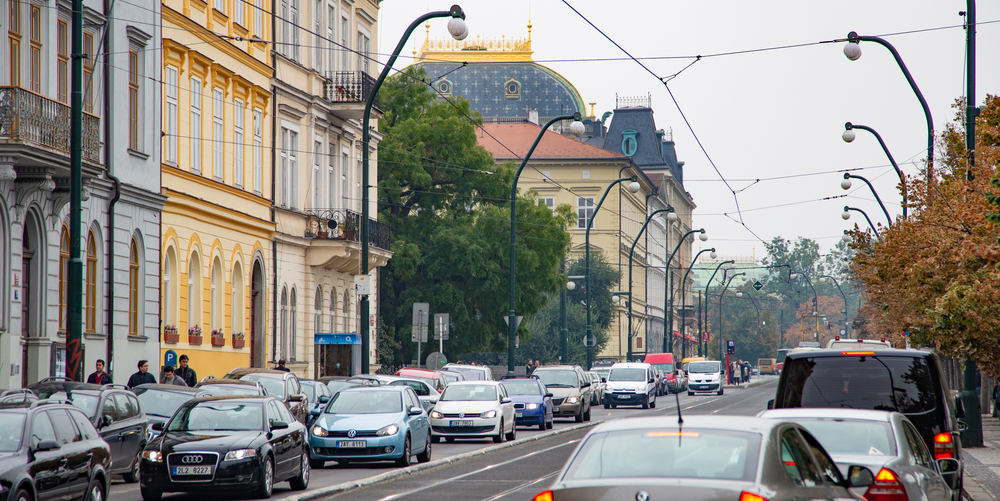
With a range of public transport options available at a reasonable price, many feel that owning a car in Prague is more hassle than it’s worth. While it may be useful to have a car for day and weekend trips out of the city, it’s quite unnecessary in the city itself. Nightmarish traffic during rush hours, a shortage of parking, and a city centre populated with one-way streets are just three of the reasons to ditch the car and use public transport to get around Prague.
Expats should watch out for pedestrians on the streets, as they always have the right of way, even if the traffic light is green. All car lights must be on while driving, and expats must keep an officially recognised first aid kit in their car at all times.
Driver’s licences
Those who do wish to drive in Prague should keep in mind that their foreign licence may not be valid in Prague for longer than three months, after which they’ll need an International Driving Permit or a Czech licence.
Transport and Driving in the Czech Republic
Useful links
Cycling in Prague
Although cycling is not a popular mode of transport among locals, expats will find that there are cycling lanes incorporated into many of the pavements in the city. It’s also possible to cycle in most of the pedestrian zones in the centre.
The city is fairly hilly, and since Prague’s public transport is efficient and affordable, cycling isn’t as popular here as in some other European capitals. Still, the number of cyclists in the city is rising.
Bikes can be taken on board on some types of public transport, although there are restrictions on when and where.
Useful links
Walking in Prague
Walking is one of the preferred ways to get around the city centre for locals and expats alike. Weather and time permitting, expats should invest in a pair of sturdy shoes, as the cobbles can cause feet to ache after a while. There is no better way to see the sights and take in some fresh air than on foot.