Print
  • Hold down Ctrl key and select the sections you want to print. If using a Mac, hold down the Cmd key.
  • Use Ctrl + A or on Mac, Cmd + A to select all sections (if you are using the Chrome browser).
  • Click "Apply" and the site will customise your print guide in the preview below.
  • Click the "Print" button and a print pop up should appear to print to your printer of choice.

Diversity and Inclusion in the Czech Republic

Known for its stunning architecture, beautiful natural countryside and rich history, the Czech Republic has proven itself a fantastic place for expats to call home. The relatively low cost of living and high quality of life have served to attract many an expat. Additionally, the country’s growing tech and startup industry makes it a perfect base for expats looking to work or start a business in the Czech Republic.

With over a million foreigners living in the country, the Czech society has become diverse and comprises people of many nationalities. Below is some useful information about diversity and inclusion in the Czech Republic.


Accessibility in the Czech Republic

The Czech Republic is largely considered to be accessible, especially in Prague, although older architecture can sometimes pose challenges for those with limited mobility. Legislation requires buildings to limit physical barriers affecting accessibility, although this applies mainly to newly built or renovated sites.

Like most nations, the Czech Republic’s urban centres and workplaces are easier to navigate in a wheelchair than historical or heritage sites, while off the beaten track and in rural locations, things can be more difficult. As a member of the European Union, the country has legal safeguards in place to protect and promote the rights of those with any form of impairment.

Prague’s public transport system, run by Prague Public Transit Company (DPP), offers a wide array of travel options, most of which are accessible.

Airports

Almost all international airlines land at Václav Havel Airport in Prague. The airport is modern and completely accessible, including large elevators, enhanced signage and tactile walkways. Assistance is also available at baggage reclaim and immigration via special passport control lanes, and can be called at any point in the two terminals using one of the dedicated contact points.

Taxis

Most street taxis can accommodate a folding wheelchair, but few are equipped to transport a fixed or electric mobility aid. Many fully accessible minivans are available, though, and should be booked ahead of time. Prices for city cabs are regulated, and meters are used.

Buses

All DPP buses have low floors, although accessibility can be limited by the design of individual bus stops.

Trams

More than half the tram fleet in the capital has low floors and is fully accessible. An online ‘connection finder’ indicates barrier-free routes, including photos of special features to pre-plan journeys.

Metro

The Prague Metro is accessible at most stations, but because of differences in the types of trains operating on the network, there can be platform gaps that complicate the use of electric mobility aids. A ramp on the leading car of each service and comb edge gap fillers make boarding easier. There is also extra guidance for passengers with visual or hearing impairments.

Transport and Driving in the Czech Republic

Useful links


LGBTQ+ in the Czech Republic
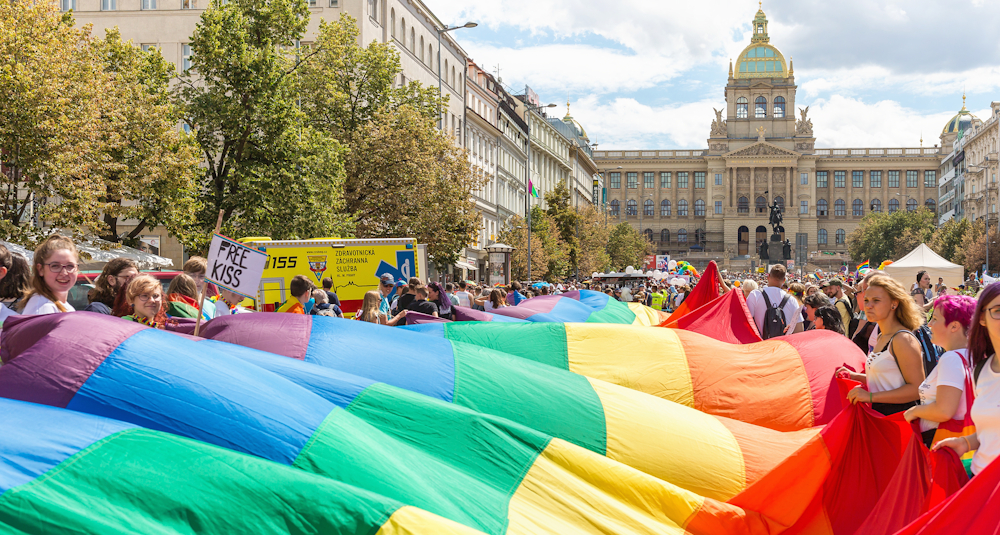
Prague Pride by lermont51 via Shutterstock

The Czech Republic is generally a safe place for those in the LGBTQ+ community. A number of basic rights and protections are in place, including the recognition of registered partnerships and bans on housing and workplace discrimination based on sexual orientation. As of early 2026, the law offers stronger protections against LGBTQ+-related hate crimes.

Still, the Czech Republic lags behind some other EU countries in certain areas. Conversion therapy remains legal. In addition, although a person’s legal gender can now be changed without surgery, the law still mandates medical approval in the form of a diagnosis.

Socially, the majority of Czechs are accepting of homosexuality, although public displays of affection may raise an eyebrow. LGBTQ+ individuals may find rural areas to be a bit less open than large cities.

Prague is the most LGBTQ+-friendly city in the country, with Prague Pride being a regular yearly fixture on the events calendar. It also has a thriving nightlife, largely concentrated in the Vinohrady district.

Useful links


Gender equality in the Czech Republic

While the Czech Republic is predominantly non-religious, the country has a history of Catholicism, and some conservative views surrounding gender persist. Care and domestic duties fall disproportionately on women in the home, but attitudes, most notably among younger people, are changing.

As of 2025, the full-time equivalent employment rate stands at 67 percent for men and 48 percent for women. This rate is higher among couples with children.

While some improvements have been made, there is room for further progress. The gender wage gap has been gradually narrowing year by year, but it is still wider than the EU average.

Useful links


Women in leadership in the Czech Republic

There is limited representation of women in leadership in the Czech Republic. Recent data shows that the country has one of the lowest rates of female ministerial representation in the EU, at just 8 percent as of 2025, compared to the EU average of 30 percent.

Data on female leadership in the corporate world is slightly more positive but still not reaching targets, with women occupying fewer than one in three managerial positions in Czech companies.

Useful links


Mental health in the Czech Republic

Due to the stress of relocating to a new country and making adjustments to daily life, expats are at a higher risk of issues such as depression and substance abuse. Loneliness and burnout are also commonly experienced by expats. In the Czech Republic, approximately one in five people experiences mental health-related problems.

The good news is that, with over a million internationals living in the Czech Republic, there is ample support available tailored specifically to expats. Despite English not being widely spoken among locals, expats should be able to find English-speaking psychological and psychiatric professionals fairly easily in private practice, especially in Prague. While this is pricier than going the public route, most employers provide expats with adequate health insurance that has good mental health provisions.

Useful links


Unconscious bias in the Czech Republic

Unconscious bias refers to the prejudices absorbed when living in unequal societies. Preconceptions around gender, age and ethnicity inhibit effective hiring, limit development and lower staff morale. Some international organisations in the Czech Republic use training to promote tolerance and understanding, but ingrained views on women being better in caring roles persist in traditional Czech society.


Diversification of the workforce in the Czech Republic

The Czech Republic is ethnically homogenous. While it is quite rare to encounter people of different racial backgrounds in rural areas, urban centres (especially Prague) are growing more diverse. Compared to large metropolitan areas of the United States and Western Europe, however, the workforce of Prague is still predominantly white. The main non-white minorities are Roma and Vietnamese.

Working in the Czech Republic


Safety in the Czech Republic

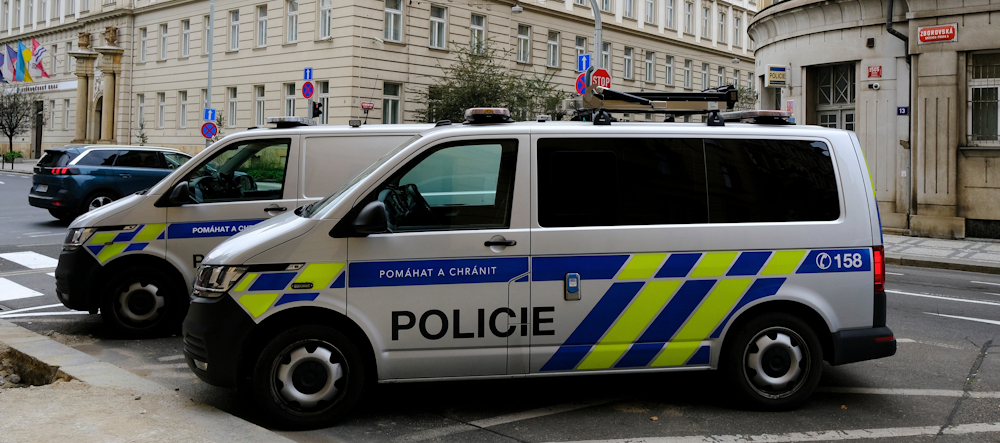
Police cars in Prague by Alexandros Michailidis via Shutterstock

Most people living and working in the Czech Republic experience no difficulties, but expats should be aware of street crime and petty theft, particularly in Prague. Violent crime and assaults are infrequent compared to many neighbouring countries.


Women’s safety in the Czech Republic

The Czech Republic is generally safe for solo female travellers. Women should take the same precautions as they would in any other country, such as avoiding walking alone at night and being aware of their surroundings. Additionally, the Czech Republic has a strong police presence and an excellent public transport system, making it easy to get around safely. Harassment and sexual violence are uncommon.


Festive dates in the Czech Republic

January 1 – Restoration Day of the Independent Czech State 
March 8 – International Women’s Day 
May – Mental Health Awareness Month 
Third Thursday of May – Global Accessibility Awareness Day 
May 1 – Labour Day 
May 8 – Liberation Day 
July 5 – St Cyril and Methodius Day 
July 6 – Jan Hus Day 
August – Gay Pride 
September 28 – St Wenceslas Day / Day of Czech Statehood 
September – World Suicide Prevention Day 
October 28 – Foundation of the Independent Czechoslovak State 
November 17 – Struggle for Freedom and Democracy Day 
November 25 – International Day for the Elimination of Violence against Women 
December 1 – World AIDS Day
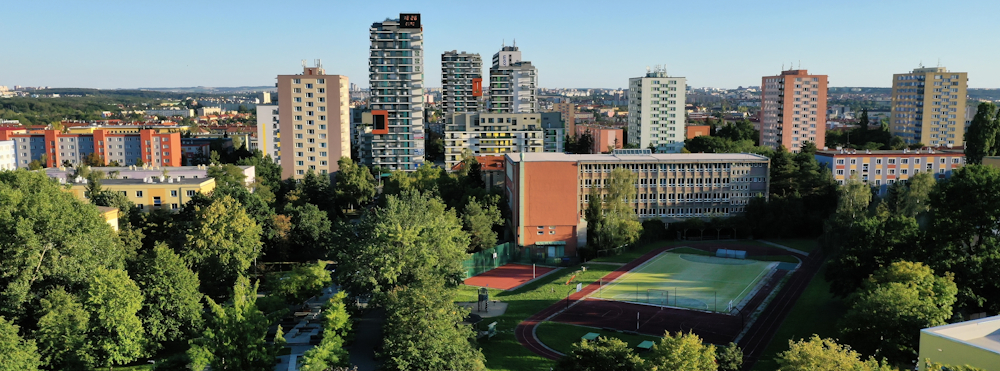
Moving to the Czech Republic

As one of the most developed and industrialised economies in Central Europe, the Czech Republic is not only a popular tourist destination, but also a growing expat destination. Expats moving to the Czech Republic are sure to fall in love with the country’s beautiful architecture and diverse communities.

Working in the Czech Republic

Most new arrivals live in Prague, which is home to the European headquarters of many international companies. Recently, the city’s economic structure has become less industrial and more service based. Strong sectors include manufacturing, tourism, IT and finance. All of these industries are ideal for expats seeking work in the Czech Republic.

Finding a Job in the Czech Republic 
Doing Business in the Czech Republic

Czech culture

The main language is Czech, which can present an element of culture shock for new arrivals. Although many younger Czechs can speak English, this is not necessarily true of older generations, especially outside the larger cities.

Expats should make at least some effort to learn Czech if they want to converse with locals. While locals may seem reserved at first, they usually open up with time. In most cases, they will be happy to converse with a foreigner to improve their Czech, even if an expat has a less-than-stellar command of the language.

Local Culture in the Czech Republic

Finding accommodation in the Czech Republic

There’s a high demand for accommodation in the Czech Republic, especially in Prague. There can be a lot of competition for good-quality properties, so it’s best to plan to view suitable available accommodation as soon as possible, in person. To facilitate this, we recommend renting short-term accommodation for a few weeks to get to know your surroundings before committing to something more permanent. Hiring a good real estate agent can also make the process much smoother.

Renting Accommodation in the Czech Republic

Cost of living in the Czech Republic

The Czech Republic generally offers expats a high standard of living. Despite an increase in accommodation costs, the general cost of living is affordable relative to Western European standards, and foreigners can largely maintain active and enriching lifestyles in the country.

Everyday costs, including transport and groceries, are not overly expensive, and expats tend to earn relatively well in the Czech Republic. They’ll find that their costs depend very much on lifestyle choices and where in the country they decide to live, with Prague being the priciest option.

Cost of Living in the Czech Republic

Living in the Czech Republic with children

As the social and cultural capital of the country, Prague is an incredibly popular tourist city and is filled to the brim with historical landmarks and natural beauty. Expat families living or travelling outside the capital will also discover castles, keeps and ruins in other parts of the country, many of which are UNESCO World Heritage sites.

There are also plenty of museums and parks in every major city for families to explore or enjoy a day out in the sunshine. Due to its central location in Europe, there are also many opportunities to travel outside the Czech Republic for a weekend break or extended holiday.

Healthcare in the Czech Republic is of a high standard, with most large medical facilities centred in Prague. Many doctors and dentists can speak English. Healthcare is free to all legal citizens and is provided through compulsory contributions to a state-approved insurance fund. Most expats working in the country will qualify for Czech public healthcare, depending on their residency status.

Best Attractions in Prague 
Lifestyle in Prague 
Healthcare in the Czech Republic

Finding a school in the Czech Republic

Those with children need not worry about their children’s education when relocating to the Czech Republic. Although public schools are free, the language of instruction is Czech. Luckily, there are several international schools in Prague as well as in other major Czech cities, all catering to different nationalities. The International Baccalaureate is a popular option, as are the curricula for countries such as the US and the UK.

Parents who cannot afford international school fees but want a bilingual education for their children should look into subsidised private schools, which have lower fees than traditional private schools.

Education and Schools in the Czech Republic

Getting around in the Czech Republic

The Czech Republic has a well-developed public transport system, with Prague having an established network of trains, buses, trams, and a metro. Expats living in Prague will find owning a car rather unnecessary, but those living outside the city may need a vehicle to get around.

Transport and Driving in the Czech Republic 
Getting Around in Prague

Climate in the Czech Republic

The Czech Republic has a temperate climate, with cold winters and warm summers. Rainfall is common throughout the country, with the wettest seasons being spring and summer. During the colder months, temperatures generally stay around freezing with cloudy skies and light snowfall. Although this is infrequent, occasional frosts are brought over from Russia, with temperatures dropping to -13°F (-25°C). Summers, on the other hand, are usually pleasant, with temperatures reaching highs of 75°F (24°C).

While moving to the Czech Republic may be daunting at first, expats have much to look forward to, thanks to the country’s stable economy, good job opportunities, rich culture, and well-developed public transport. Mastering the language can be a challenge, but it’s well worth it for both day-to-day convenience and the long-term potential to make friends.


Fast facts

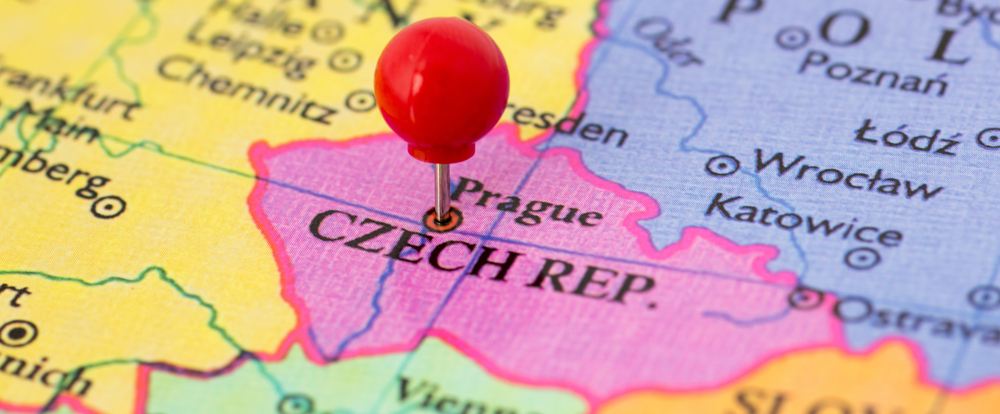
Map focused on the Czech Republic

Population: 10.5 million

Capital city: Prague (also the largest city)

Neighbouring countries: The Czech Republic is bordered by Germany to the west, Poland to the north, Slovakia to the southeast and Austria to the south.

Geography: The country is landlocked and can be divided into two main areas geographically: Bohemia to the west and Moravia to the east. Bohemia is ringed by low mountains and its geography is defined by hills, plains and plateaus. Moravia is defined by rolling hills and valleys.

Political system: Unitary parliamentary constitutional republic

Main languages: Czech is the official language, but German and English are also spoken.

Major religions: Predominantly non-religious with a Roman Catholic minority

Money: The currency is the Czech koruna (CZK), sometimes called the Czech crown in English. It’s easy to open a Czech bank account, and the process can be started online.

Tipping: Tipping is not mandatory, but foreigners may be expected to tip more than locals. In most cases, expats can tip by rounding up to the nearest 5 or 10 korunas or, if in a restaurant, adding 5 to 10 percent of the total to the bill.

Time: GMT+1 (GMT+2 from the last Sunday in March to the last Sunday in October)

Electricity: 230V, 50Hz. ‘Type C’ and ‘Type E’ European-style plugs with two round pins are used.

International dialling code: +420

Internet domain: .cz

Emergency contacts: 112 (general emergencies), 158 (police), 155 (ambulance), 150 (fire)

Transport: The country is well connected by public transport, especially in Prague. Driving is on the right-hand side of the road.

Healthcare in the Czech Republic

The standard of healthcare in the Czech Republic is generally high – in fact, the country’s healthcare scheme has been praised as one of the best in the EU. The affordability and standard of medical treatment have even seen the country emerge as a popular destination for medical tourism in Europe.

It’s compulsory to have health insurance in the Czech Republic, whether through a public or private health insurance provider. Czech citizens, residents, and anyone working for a Czech employer are automatically insured under the country’s public healthcare system and pay monthly contributions. Other long-term visitors will have to use a private insurance company, and short-term travellers are expected to have appropriate travel insurance.


Health insurance in the Czech Republic

The Czech Republic provides free medical treatment to Czech citizens, permanent residents and foreigners working for a local company through a universal healthcare system that uses an approved Czech health insurance company.

Czech citizens, registered foreign residents, and employees of companies based in the country must make regular and compulsory contributions to the universal healthcare fund. It is mandatory for employers to pay a portion of the monthly fee, with the employee contributing the remainder of the fee. A small co-payment is usually also required for treatment received.

Expats in the Czech Republic who do not have permanent residency and are not employed by a Czech company are not entitled to free medical care. That said, it’s still compulsory to have health insurance, and expats staying in the country for over 90 days will be required to show proof of coverage under a private healthcare scheme. In such a case, it’s imperative to arrange for private insurance in advance.

Foreigners staying in the country for less than 90 days must provide proof of travel health insurance. EU citizens can use their European Health Insurance Card (EHIC) to meet this requirement and access state healthcare during short visits. UK citizens can make use of their Global Health Insurance Card (GHIC), which replaced the EHIC for UK citizens post Brexit.


Public healthcare in the Czech Republic

Doctors in the Czech Republic

Czech public healthcare is excellent and heavily subsidised, and everyone enrolled in the system has equal access to care. Many doctors in public hospitals were trained in top foreign universities and can speak English, although this is not always the case.

Although the level of care in public hospitals is superb, patients may experience long waiting periods before receiving treatment. Some expats using the public sector have also complained of doctors being short tempered or unsympathetic, but this is largely due to the high turnover of patients and short consultation times, and shouldn’t be taken personally.


Private healthcare in the Czech Republic

Czech private medical care is exceptional, and the staff at private hospitals are highly trained. Although private healthcare is pricier than public healthcare in the Czech Republic, many private hospitals are better equipped to cater to expat patients. This is because private medical centres have a higher proportion of English-speaking staff and private clinics have a more service-oriented approach to providing medical care. A further advantage is that patients often do not have to wait as long to receive treatment as they might at public hospitals.


Pharmacies in the Czech Republic

Pharmacies, some of which can be found attached to hospitals, are widely available in the Czech Republic. Some pharmacies are open 24 hours a day, seven days a week.

If using any medications regularly, expats should ensure they know the generic name, as brand names can vary from country to country.


Vaccinations for the Czech Republic

Vaccine bottle and stethoscope

The Czech Republic is a largely safe country, with minimal health hazards and no required pre-travel vaccinations. Still, expats should ensure that their routine vaccinations are up to date, including those for mumps, measles, rubella, chickenpox, and polio.


Emergency services in the Czech Republic

Emergency services in the Czech Republic are generally good, as are ambulance response times. In the case of an emergency, dial 112 to be connected to the EU emergency line. This guarantees an English-speaking operator. Otherwise, Czech medical emergency services can be reached at 155.

Pros and Cons of Moving to the Czech Republic

When moving to a new country, mixed emotions such as excitement and nervousness are natural, and even seasoned expats may struggle with the decision of a particular move. In these situations, it can be helpful to learn about the specific quirks and characteristics of living in a particular place.

Every country has its positives and negatives, and the Czech Republic is no exception. Below is a list of some of the pros and cons of moving to the Czech Republic.


Accommodation in the Czech Republic

+ PRO: Good value for money

Accommodation in Prague is priced similarly to other major European cities. The rest of the Czech Republic is far cheaper than the capital, so expats can find accommodation at much lower rates elsewhere.

Living in Prague also means being at the centre of a rich and diverse culture with easily accessible attractions such as museums and historical sites. So no matter where in the Czech Republic an expat lives, they’ll find it’s excellent value for money.

- CON: Foreign-aimed accommodation tends to be pricier

Housing specifically advertised to foreigners is typically pricier than homes aimed at locals. Bargains can be found, but many of the websites that advertise them are usually in Czech.

Renting Accommodation in the Czech Republic


Lifestyle in the Czech Republic

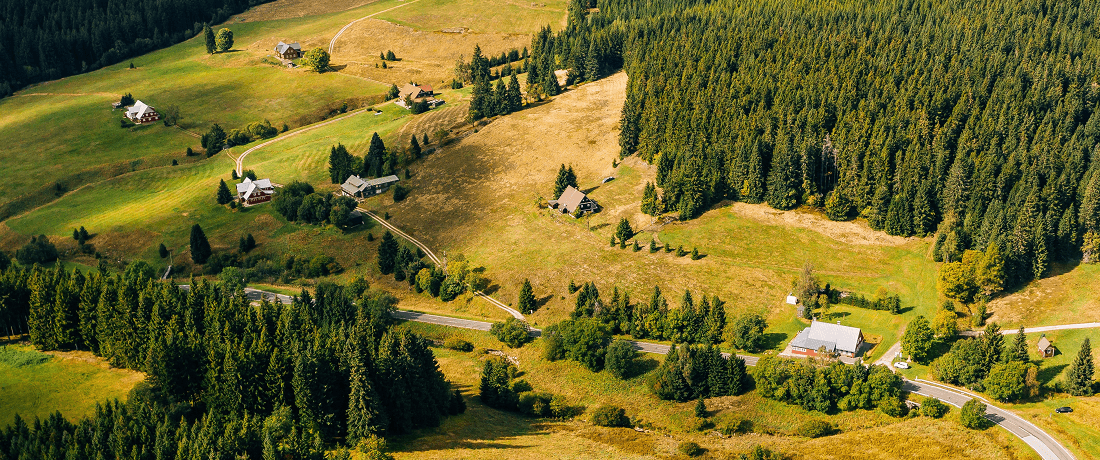
Ariel view of mountain in the Czech Republic by Marcin Jozwiak

+ PRO: Thriving social scene and lots of outdoor activities

Due to the influx of tourists and expats, the social scene in the Czech Republic is diverse. In Prague, expats will find a wide variety of restaurants, bars and clubs to choose from.

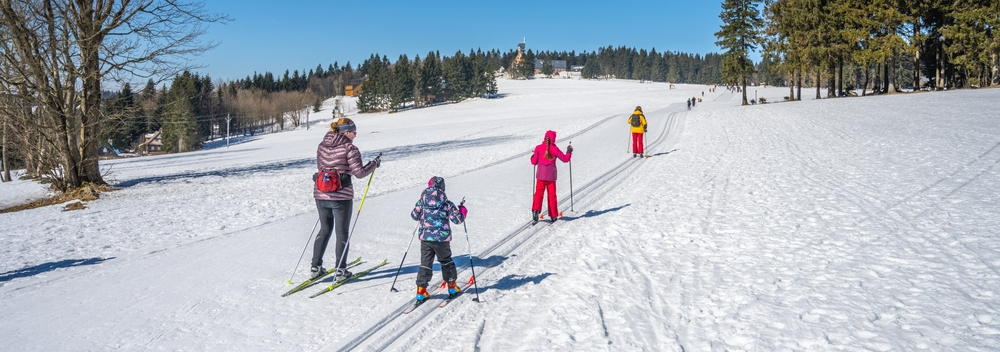
For the more nature-loving types, the country is bordered by mountains, and its forests are well preserved, which presents many opportunities for cycling around the countryside or hiking during the summer. In winter, there is cross-country running or skiing.

Shopping, Nightlife and Outdoor Activities in Prague


Safety in the Czech Republic

+ PRO: Low crime rate

The Czech Republic is a relatively safe country. Crime rates are low, and the European emergency telephone number, 112, is available for foreigners who don’t speak the local language.

- CON: Pickpockets in tourist areas

Opportunistic pickpockets are a problem in tourist areas of the Czech Republic. Expats should be mindful of their valuables when in crowded places.


Working in the Czech Republic

Coworkers at a table

+ PRO: Great salary and benefits packages for expats

Most expats who take up employment in the Czech Republic are in senior positions. Foreigners are generally paid well. Companies may even cover an expat’s accommodation and other expenses during their stay in the country.

- CON: Bureaucracy in government departments

A fair amount of paperwork is required to secure a work permit and set up a home in the Czech Republic. Documents are often in Czech, which can be a barrier for expats who don’t speak the language.

Working in the Czech Republic 
Work Permits for the Czech Republic


Culture shock in the Czech Republic

+ PRO: Plenty of expat organisations

A bit of culture shock when settling into life in a new country is normal, but newly arrived expats don’t have to go it alone. There are several expat organisations in the Czech Republic.

Most of these cater to a wide range of interests. They also have a strong online presence, which makes them easy to find. Expats find it easier to make friends in the Czech Republic once they attend one of the many events organised by expat groups.

- CON: Poor customer service

Perhaps a legacy of the Soviet era, customer service in the Czech Republic isn’t great and can be frustrating for expats used to good service. It is accepted as the norm, and it’s usually best to be patient rather than kicking up a fuss.


Transport in the Czech Republic

Red tram in Prague by Dave Kim

+ PRO: Public transport is cheap, efficient, easy to use, safe and clean

The Czech Republic’s public transport system is comprehensive and efficient. Schedules are strictly adhered to, so passengers can rest assured they will arrive at their appointments on time. Information on travel times and connections is easily accessible online, and regular schedules are posted at the stops.

- CON: Getting a local driver’s licence can be difficult

For expats from certain countries, meeting Czech driving requirements can be arduous. For the first three months of their residency, they may drive on an International Driver’s Permit. After this period, they will need a Czech licence to continue driving.

Some countries have an agreement with the Czech Republic allowing nationals to simply exchange their home-country licence for a Czech one. Anyone with a driver’s licence from an EU country can continue driving on their existing licence as long as it is valid. But those from non-EU countries without such an agreement will need to complete a set number of driving lessons before taking the theoretical and practical tests to assess their driving ability.

Transport and Driving in the Czech Republic 
Getting Around in Prague


Healthcare in the Czech Republic

+ PRO: The healthcare system is good and inexpensive

The healthcare system in the Czech Republic is generally good. There are doctors in each district, but new arrivals are free to choose their personal doctor. Healthcare is subsidised, and copayments are low. Many doctors also speak English, even in cities outside Prague.

- CON: Impersonal approach can be off-putting

During a visit to a doctor, medical staff may come off as grumpy and waiting times at hospitals are long. Although most doctors speak English, nurses and medical staff might not.

Doctors can be curt and may appear to be unsympathetic, but this is a normal element of Czech medical culture. Those from a country where doctors always take time to discuss matters and answer questions should note that this is generally not how things work in the Czech Republic.

Healthcare in the Czech Republic 
Hospitals in Prague


Cost of living in the Czech Republic

+ PRO: Affordable goods and services

Everything from household goods to food, utilities, and healthcare is reasonably priced in the Czech Republic. Staples such as bread, potatoes, and meat are of good quality and are inexpensive.

Appliances, furniture, and electronics from familiar Western brands are easily accessible in malls and speciality shops. Furniture is also reasonably priced because there are many highly skilled artisans in the country.

Cost of Living in the Czech Republic

Visas for the Czech Republic

Whether planning a short visit or a permanent stay, expats should understand their legal obligations with regard to visas for the Czech Republic. Some expats are allowed visa-free entry for short visits, while others must obtain a Schengen visa before entering the country. The applicant’s nationality will determine the processes to be followed and their eligibility for certain programmes.


Short-term visas for the Czech Republic

Passports with boarding pass

Visa-free entry

The Czech Republic is a Schengen country. This means that nationals of other Schengen countries, as well as a select few other nationalities, do not need to apply for a visitor visa for a stay of under 90 days. This includes citizens of the EU and the EEA as well as Switzerland, the USA, Canada, Australia, New Zealand and others.

In late 2026, visa-exempt foreign nationals entering EU countries will have to register for ETIAS (European Travel Information and Authorisation System) before travel. This is a simple online pre-screening process.

Schengen visas

Expats not eligible for visa-free entry will need to apply for a Schengen visa at their nearest Czech embassy or consulate before arrival to be granted entry to the Czech Republic. A range of documentation is required, including proof of return, accommodation, and financial means to support themselves during their stay in the country.

Schengen visas entitle their holders to 90 days of travel within a six-month period to any Schengen area country, including the Czech Republic.

If travelling to multiple destinations, expats should submit their Schengen visa application to the consulate of the country where they will spend the most time. While in the country, expats can apply to extend their Schengen visa by a further 90 days.

Useful links


Long-term residence permits for the Czech Republic

Map, passport and money

Non-EU nationals staying in the Czech Republic for three months or more must obtain a long-term visa or a long-term residence permit. This must be for a specific purpose, such as work, study, research, or family unification. Long-term visas are valid for up to a year, while long-term residence permits are granted for longer periods (up to two years).

Those intending to work will have to apply for an Employee Card or a Blue Card. These are primarily work permits, but also serve as long-term residence permits. A Blue Card is issued for positions requiring a high qualification, while an Employee Card is issued for positions that do not require a high qualification.

EU nationals are entitled to live and work in the Czech Republic without applying for work or residence permits.

Work Permits for the Czech Republic

Useful links


Registration certificates in the Czech Republic

EU citizens intending to stay in the Czech Republic for more than 90 days can report their intentions to the government in order to obtain a registration certificate. They are also entitled to apply for a certificate of permanent residence if they wish, but it is not a precondition for their stay.

In future, registration may become mandatory, but as of 2026, it remains optional.

Useful links


Permanent residence permit for the Czech Republic

Permanent residency can be applied for by both EU and non-EU nationals after five years of continuous residence in the Czech Republic. EU citizens who have an EU family member already holding permanent residence can apply after two years.

Once granted, a permanent residence permit is valid for 10 years and can be renewed continuously.

Useful links

Visa requirements can change at short notice, and expats should contact their respective embassy or consulate for the latest details.

Education and Schools in the Czech Republic

For expat parents, making the right decisions about education and schooling in the Czech Republic will be key to a smooth transition.

The quality of local public schools is good, and they can be attended at no cost. The language of instruction in public schools is Czech, though, and while very young children pick up a new language with ease, older children may struggle. Private and international schools in the Czech Republic are a popular alternative.


Public schools in the Czech Republic

Public school in the Czech Republic by Filip Albert via Shutterstock

Education in the Czech Republic is managed by the Ministry of Education, Youth and Sports. Public education is compulsory and free from ages five to 15 or 16 (or the completion of lower secondary school).

Language

Teaching in the Czech Republic’s public schools is conducted entirely in Czech. Some expat parents are discouraged by this, but there are advantages to expat children being taught in Czech, especially if the family plans a long-term stay in the country.

Expat children who learn Czech at school have an easier time assimilating into the country’s culture and meeting local friends, although picking up the language can be challenging for older children. Foreign children learning Czech are given extra support through language preparation classes and specialised textbooks. The level of support depends on the student’s Czech language ability.

School system

Schooling in the Czech Republic has three main phases.

The first is preschool (mateřská škola) from ages two to six. Note that only the final year of preschool is compulsory, which means it’s the only year of preschool that’s free of charge in the public system. Before this, fees apply.

Elementary school (základní škola) spans ages six to 15. It’s divided into two stages: primary from Grades 1 to 5 and lower secondary from Grades 6 to 9.

Secondary school, from ages 15 to 18 or 19, splits into three branches, each with a different aim and outcome.

A maturita school-leaving certificate is required for further study after secondary school, either at a university or higher professional school. The maturita can be obtained through four years of study at either a general secondary school (gymnázium) or a secondary technical school (střední odborná škola – SOŠ).

General secondary schools, also known as grammar schools, prepare students for university, while technical schools focus on training students for specialised professional studies or future occupations.

Students attending a secondary vocational school (střední odborné učiliště – SOU) do so for three years. Afterwards, they graduate with an apprenticeship certificate and begin working.

Useful links


Private schools in the Czech Republic

Private education in the Czech Republic has a fairly short history, as the country’s first private schools only opened in 1990. There’s a wide range of private schools to choose from, many of which use alternative teaching methods, such as Montessori, or teach through a particular religious lens. Some private schools are bilingual, teaching in Czech and English or Czech and German.

The state provides a subsidy to private schools, with the rest of their funding being drawn from tuition fees. Expat parents who can’t quite fit international school fees into their budget but are still concerned about their children having difficulty with the Czech language may find these schools an ideal solution.


International schools in the Czech Republic

Group of school children with teacher

Most international schools teach in English and are perhaps most useful for expats planning to reside in the country for a relatively short period of time, as the continuity in curriculum minimises disruption to the child’s education.

Common curricula offered by international schools include the International Baccalaureate (IB), the American curriculum, and the British curriculum (English National Curriculum, IGCSE and A Levels). Prague, in particular, has a high concentration of international schools.

International schools can be expensive, so if you’re moving to the Czech Republic as part of an international relocation package, it’s worth negotiating school fees into the relocation contract.

It’s worth noting that international schools can vary widely in ethos, curriculum, quality and size. Although there are plenty of schools to choose from, space may be limited, so parents are advised to start the application process as soon as possible.


Special educational needs in the Czech Republic

Diverse group of students

The Czech government is working towards fully integrating children with special needs into mainstream schools. Theoretically, all schools should have the necessary facilities, staff, and support provisions required to assist children with special needs. In practice, implementation can be patchy.

School counsellors are generally the first port of call in obtaining assistance for special needs, although language needs should also be communicated to the school’s principal directly.

If a more specialised education environment is preferred, special needs schools are another option. Some parents and children find that these schools can better meet their needs. The decision of whether to opt for a special or mainstream school is left up to the family, although specialists can provide recommendations and advice.

Useful links


Tutors in the Czech Republic

Tutors can be extremely helpful in assisting expat children to adjust to their new school and curriculum, as well as the language of instruction, if different from home. Both Czech and English tutors are available for a wide range of subjects.

To find a tutor, expats should ask teachers and fellow parents at their child’s school for recommendations. There are also numerous websites and tutor companies that advertise at-home or online private tutoring services.

Accommodation in the Czech Republic

Expats seeking accommodation in the Czech Republic will be pleased to know that the country has a variety of homes to suit all needs, tastes and budgets. In addition, there are a few restrictions on foreigners when it comes to buying and renting property.

Most expats moving to the Czech Republic opt to rent accommodation rather than buy, at least initially.


Types of accommodation in the Czech Republic

City landscape in Czech Republic

There is a wide variety of rental options for expats, and apartments and houses alike can be found in styles ranging from contemporary to baroque and beyond. There are also Soviet era apartment buildings available, but they are best avoided, as many are in poor condition due to poor construction and maintenance.

Furnished vs unfurnished

Furnished, semi-furnished and unfurnished accommodation is available in the Czech Republic, with a variety of properties available in Prague, especially. Furnished properties will usually include everything from appliances to linens, while semi-furnished rentals will likely come with only big-ticket appliances.

Expats should note that furnished rentals are likely to be pricer than their semi-furnished and unfurnished counterparts. Many single expats choose to rent rooms in shared flats or houses, while couples and families often prefer to rent bigger apartments or houses for themselves.

Short lets

With the proliferation of Airbnb, short lets have become increasingly popular over the last few years. Many expats initially opt for a short let when they first move to the Czech Republic. This is an affordable way to experience life like a local in a particular neighbourhood before committing to a long-term contract. It is also an ideal option for expats who will only be in the country for the short term and want to avoid costly hotels.

Useful links


Finding accommodation in the Czech Republic

Searching for accommodation in the Czech Republic

Accommodation can be found in newspapers, online, or through a local real estate agent, and should ideally be secured in person and in advance. If it’s not possible to travel to the country before moving there to secure accommodation, the next best option is to initially stay in short-term accommodation while looking for something suitable for the long term.

Websites aimed at the expat market generally list accommodation at a high markup compared to what locals pay. Expats with a good grasp of Czech who can understand and use local websites will be able to find accommodation at lower prices.

Useful links


Renting accommodation in the Czech Republic

Opening the door to a new home

Making an application

The process for renting accommodation in the Czech Republic is fairly straightforward. Expats will need to first find a property they like and then contact the landlord or real estate agent to request a viewing. Once they are satisfied with the apartment, they will need to make an application and submit the requested documents, including their passport as well as proof of employment and income.

Deposits and fees

When renting accommodation, a deposit equivalent to one or two months’ rent is usually required. Lessees who find an apartment through an agent will also have to pay a commission fee – usually one month’s rent – once they have found an apartment.

Leases

Once an application to rent is accepted, expats will need to negotiate and sign their lease agreement.

Leases can be for either an indefinite term or a fixed term, such as six months or one year. It’s essential for expats to differentiate between a lease (nájem) and a sublease (podnájem), as these leases have different legal meanings and requirements.

There are usually two versions of the lease: one in Czech and the other an English translation. In any legal matter, the lease in Czech will be prioritised. Expats should have a Czech-speaking friend or, preferably, a professional translator review both contracts to ensure the terms are the same.

Termination of the lease

Typically, both tenants and landlords must give each other at least three months’ notice before terminating the lease. This could differ depending on individual rental contracts, however.

By law, after a tenant vacates a property, the deposit must be returned to the tenant in full within one month. This is provided it’s left in good condition; if anything is damaged or broken, costs for repair or replacement may be deducted.

To avoid being accused of causing damage that was already there when moving in, expats should take date-stamped pictures of any areas of concern before the start of the lease.


Utilities in the Czech Republic

Utilities are usually not included in the rental price and are to be paid by the tenant. Expats should keep this extra expense in mind when drawing up their budget. The lease should specify the utilities to be paid to the landlord, in addition to the rent.

Electricity

The electricity market in the Czech Republic is deregulated, and CEZ is the country’s largest supplier. Only expats with permanent residency will be allowed to register an electricity or gas account in their names. Otherwise, they will need a guarantor who is an EU citizen. For this reason, most tenants keep the bills in their landlord’s name.

Advance payments based on estimated use are made. When the bill arrives, the difference between the estimated amount and the amount billed is settled.

Gas

The country’s gas market is also deregulated, so expats are free to choose a gas provider in their district. The Czech government sets gas prices, and customers pay a month in advance. Most suppliers issue an annual bill, and, as with electricity, the bill will be adjusted accordingly if users have overpaid or underpaid.

Expats who’d like to register an account or transfer an existing account to their name will need to complete a gas consumption registration application and supply their rental agreement and written permission from their owner for service connection.

Water

Unlike electricity and gas, water accounts cannot be transferred to a tenant’s name. Water bills are typically included in the monthly rental fee and are estimated based on the number of people living in the apartment.

The actual water bill is sent annually, and expats will receive a refund if they use less water than they were initially charged, while they will have to pay the balance if they use more.

Bins and recycling

Local municipalities are responsible for waste management in the Czech Republic. Statistics show that more than 70 percent of the Czech population sorts their waste, so expats moving to the country should be prepared to sort and recycle their waste. The most common way of recycling in the country is using the colour-coded recycling bins placed at sorting hubs.

Different colour bins are reserved for specific types of materials. These bins will typically have stickers dictating what goes into each one. This may vary across towns and villages, as different municipalities provide these bins.

Generally, the blue bins are for paper, the yellow bins are for plastic, and the grey bins are reserved for metal waste. Glass bottles or products are placed in the white bins, but if a white bin is unavailable, expats can place them in the green bins.

Internet

The Czech Republic is home to a sophisticated and highly developed internet infrastructure. Wireless connections are the most common in the country, and expats will have plenty of options for cell phone, internet, landline and television services.

Keeping in Touch in the Czech Republic

Useful links

Transport and Driving in the Czech Republic

The infrastructure for public transport and driving in the Czech Republic is excellent, making it easy for expats to get around. Public transport is robust and generally preferred, with a wide variety of options, including trains, subways, trams, buses, and taxis. Prague, in particular, has a well-integrated, easy-to-use public transport system and getting around is a breeze.


Public transport in the Czech Republic

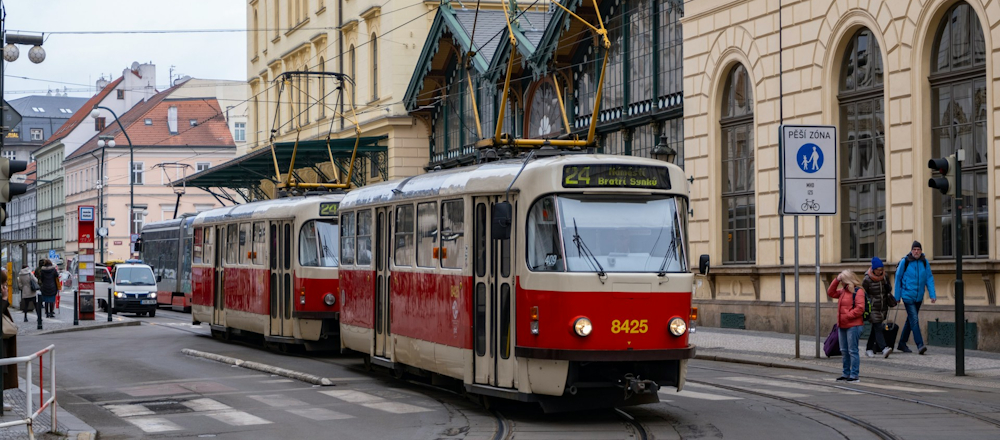
Prague tram by Till W via Unsplash

Trams

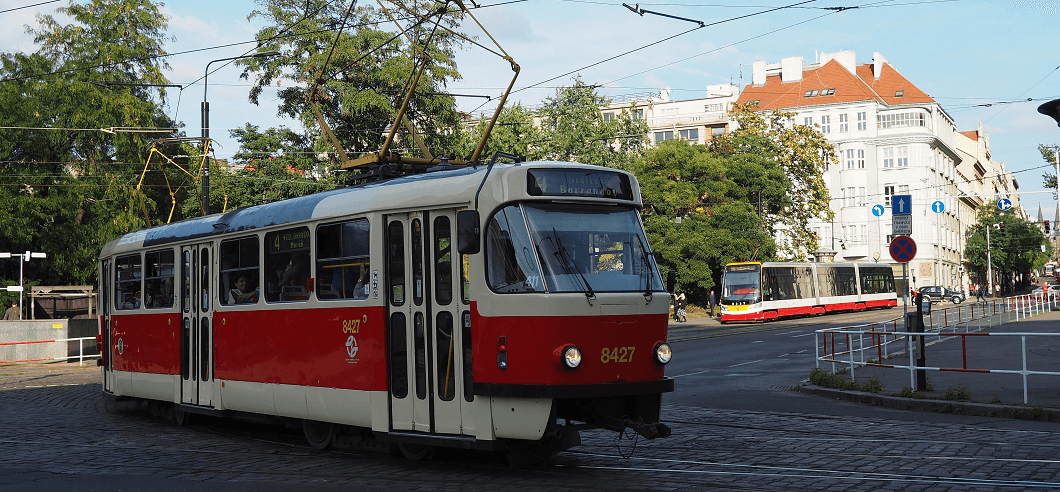
A number of Czech cities have tram systems, most notably Prague. In Prague, trams run 24 hours a day, seven days a week and are a quick way to get around, making them a popular mode of transport.

Trains

The national rail carrier is České Dráhy, and there are a few private rail companies in operation as well.

The largest and busiest railway station in the Czech Republic is Praha Hlavní Nádraží, in Prague. This station offers long-distance travel to several neighbouring countries (including Germany, Austria, Hungary, and Poland) and regional services to most large cities in the Czech Republic.

Metro

Prague is home to the country’s only metro system, which is popular among commuters and travellers alike. Continually expanding, the track is over 40 miles (65km) long, serving more than 60 stations.

Buses

If expats can’t find a train route to a city or village in the Czech Republic, then a bus will most likely get them there. In some cities, local buses are the preferred form of transport, running 24 hours a day.

Local and regional buses are usually run by the state, while services crossing over the border into other European countries are often run by private bus companies. There are currently over 60 bus companies operating in the Czech Republic, with more than 180 stations.

Useful links


Taxis in the Czech Republic

Taxis in the Czech Republic are infamous for taking advantage of foreigners. If expats cannot speak Czech, they should write down their destination to avoid a misunderstanding due to mispronunciation.

It’s best to arrange a taxi with a reputable company beforehand, but when hailing a taxi on the street, only use officially registered taxis and confirm the price before beginning the journey. These can be identified by their yellow roof lights. A taxi from a legitimate company will also have the company’s name, the taxi’s licence number and its rates printed on both doors.

Alternatively, ride-hailing apps such as Uber, Liftago and Bolt operate in the Czech Republic. Many expats prefer these apps because they offer greater control over routes and service prices while minimising language barriers.

Useful links


Driving in the Czech Republic

A car driving down a Czech forest road by Miroslav Škopek

Road signs are mostly in Czech, and driving is on the right-hand side of the road. Cars in the Czech Republic must have their lights on at all times, and winter tyres must be used from November to March. Roads in the big cities are in good condition, but the trams, narrow streets and lack of parking might make a journey less than pleasant.

Like other EU countries, the Czech Republic uses a points system. Expats who receive 12 points for road violations will have their driving licences suspended for up to a year. Expats must also pay an annual toll for driving on Czech roads, which is paid by purchasing an electronic vignette.

Driver’s licences

Many expats will need to go through a lengthy process to legally drive in the Czech Republic, although there are exceptions. Those already licensed to drive in the EU can continue to do so using their current valid licence. In addition, certain countries have agreements with the Czech Republic that allow nationals to simply exchange their foreign licence for a local one.

That said, expats from non-EU countries without agreements with the Czech Republic will need to obtain a Czech driver’s licence. This can be a long and arduous process.

For the first three months of their residency, expats can drive on an International Driving Permit. To continue driving, they will need a Czech licence. To obtain one, expats must attend a local driving school for a prescribed number of hours and pass written and practical exams.

Useful links

Work Permits for the Czech Republic

Citizens of the EU, EEA and Switzerland don’t require work permits for the Czech Republic, since they have the right to work in all EU member states. Expats from outside the EU will, however, have to apply for a working residence permit for the Czech Republic.

This will either take the form of a Blue Card (for skilled work) or an Employee Card (for all workers who will be living and working in the Czech Republic for over three months). Both of these cards grant the holder the right to both reside and work in the Czech Republic for a specified period.


Applying for a work permit for the Czech Republic

Those who need a work permit must first secure a job, as permits are only granted to foreigners who have already found employment in the Czech Republic. Before an application can be made, Czech employers must prove to the state that no locals are qualified for the advertised job and submit an application to hire a foreigner to the Czech Labour Authority. The Labour Authority will require business documents and an expat’s employment contract.

Once the company’s application has been approved, expats can move forward with their work permit application. As work permits are tied to a specific job and employer, they are invalidated once foreigners change employers or positions.

Work permits are valid for a maximum of two years but can be extended.

Useful links

Visa and work permit requirements are subject to change at short notice, and expats are advised to contact their relevant embassy or consulate for the latest official details.

Banking, Money and Taxes in the Czech Republic

Expats should find it fairly easy to manage banking, money and taxes in the Czech Republic. Banking systems are modern, and it is relatively straightforward to open a bank account and apply for a credit card.

Although the Czech Republic is part of the EU, the country still uses the Czech koruna as its currency. It is legally bound to adopt the euro as its currency at some point in the future, but no date has been set.


Money in the Czech Republic

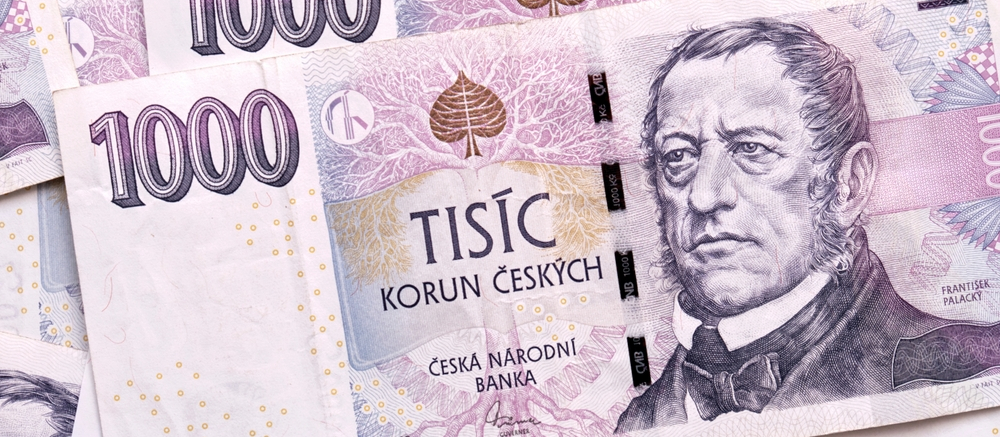
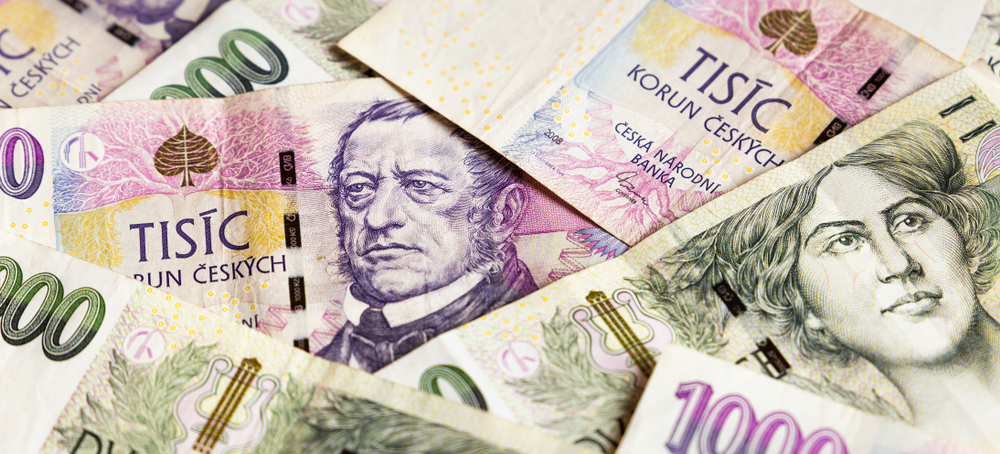
Czech notes

The Czech Republic's currency is the Czech koruna, and its international abbreviation is CZK.

The following denominations are available:

  • Coins: 1 CZK, 2 CZK, 5 CZK, 10 CZK, 20 CZK, and 50 CZK
  • Notes: 100 CZK, 200 CZK, 500 CZK, 1,000 CZK, 2,000 CZK, and 5,000 CZK

Banking in the Czech Republic

Expats who plan to stay in the Czech Republic for more than a couple of months will need to open a Czech bank account, especially if they will be receiving their salary in korunas.

There is no shortage of banks in the Czech Republic, and some offer services tailored to the needs of expats. The largest bank in the Czech Republic is Česká Spořitelna. Some international banks, including HSBC and Western Union, also operate in the country.

Opening a bank account

It is not difficult for expats to open a bank account in the Czech Republic. You'll generally need to present your passport plus a second form of ID (such as a driver's licence). You may also be asked for your visa and work permit, as well as proof of a Czech address and proof of employment.

You'll need to provide an initial deposit when opening a bank account in the Czech Republic. Different banks will have different minimum amounts. Transaction fees in the Czech Republic, such as those for international transfers, can be high and are usually charged in addition to a monthly bank account fee.

ATMs and credit cards

ATMs are easy to find in the Czech Republic, and many offer language options so expats can use them in their preferred language. If you use an international card or an ATM that isn't your bank's, you'll pay a fee.

Contactless cards and mobile wallets are popular forms of payment in the Czech Republic, although it's still best to carry some cash. Some smaller establishments still prefer cash payments.


Taxes in the Czech Republic

Calculating taxes

Expats who spend more than 183 days within a tax year in the Czech Republic are considered tax residents. Those who fall into this category will be taxed on their worldwide income, unless their home country has a double taxation treaty with the Czech Republic. Expats who are not tax residents of the Czech Republic are only taxed on their income earned in the Czech Republic.

As tax matters can be complex for expats, it is recommended that they consult a specialist tax adviser with experience in expat matters.

Cost of Living in the Czech Republic

The cost of living in the Czech Republic has levelled out following several years of high inflation. Compared to neighbouring countries such as Poland and Hungary, the Czech Republic generally has a higher cost of living but offers superior infrastructure and services.

Prague, the Czech capital, continues to grow in popularity with expats and locals alike, driving up accommodation costs. If you’re moving to Prague as an expat, be sure to budget for high housing costs, and expat parents must also contend with international school fees.

That said, it’s possible to enjoy a high quality of life in the Czech Republic, as most expats receive fairly generous relocation packages. As with anywhere in the world, a few things don’t come so cheap – entertainment and healthcare among them.


Cost of accommodation in the Czech Republic

Although housing costs are rising, the cost of accommodation and utilities in the Czech Republic is similar to that of the rest of Europe. Accommodation in Prague, in particular, is more in demand and therefore pricier than in smaller towns or cities. The most expensive areas include Prague 1 and Prague 8. Suburbs and districts further from the city centre may be more affordable, but have less access to the amenities and buzz of city living.

Potential tenants will also need to account for the initial costs of renting, including a security deposit of between one and two months’ rent. If you’ll be using a real estate agent, you will likely need to pay your agent at least one month’s rent as a commission. Be sure to take into account the cost of monthly utility fees when budgeting.

Renting Accommodation in the Czech Republic


Cost of transport in the Czech Republic

Expats won’t likely find transport in the Czech Republic a significant expense, as both public transport and petrol are relatively cheap. You can purchase a small car at a reasonable price, but thanks to a well-developed, reliable and inexpensive public transport system, you may find this isn’t necessary. This is especially true if you’ll be living in Prague, where most expats consider car ownership impractical due to parking difficulties and the comprehensive transport network.

There are various passes available for the public transport system in the Czech Republic, and you can get excellent value for money if you buy a long-term pass. Students and seniors are eligible for discounted passes.

Transport and Driving in the Czech Republic


Cost of groceries and clothing in the Czech Republic

Groceries and food shopping in the Czech Republic won’t break the bank, and you’ll likely spend much less on food than you are used to if you’re from Western Europe or the USA. Lidl ranks as the most affordable supermarket, followed by Penny Market and Kaufland. Other typical grocery shops include Albert, Billa and Tesco. Exploring local markets and shopping at discount stores can help you save on food expenses, particularly if you stick to in-season produce.

Clothing remains one of the few expensive items in the Czech Republic. Brand-name apparel generally costs the same as in Western Europe, with some items actually priced higher. While international chains like H&M and Zara dominate the market, you can find better deals at local Czech fashion brands, second-hand shops, and seasonal sales.


Cost of eating out and entertainment in the Czech Republic

Eating out at restaurants in the Czech Republic costs around the same as in the rest of Europe, with casual lunches at self-service eateries ranging widely in price and fine dining experiences starting much higher. Alcohol and tobacco, on the other hand, are less expensive, especially the locally brewed beer for which the country is renowned. In fact, Czech beer is often cheaper than soft drinks or hot beverages in many establishments.

If you enjoy dining out but are watching your wallet, local food stalls, markets, or cafés offer excellent value for traditional Czech cuisine. Street food vendors and neighbourhood cafés serve delicious meals at a fraction of the price of city-centre restaurants.

For entertainment, Prague’s cultural scene offers options for every budget, from free summer events at some venues to the Prague Fringe Festival. The Prague Visitor Pass provides good value for both tourists and residents wanting to explore the city’s cultural offerings.


Cost of education in the Czech Republic

Public education in the Czech Republic is free for Czech citizens and expats alike, but due to the language barrier, expat parents may choose to send their children to bilingual or international schools that teach in English. International schools with foreign curriculum options (American, British, and International Baccalaureate) have significantly higher fees than private bilingual alternatives, which typically cost 30 to 50 percent less while providing instruction in Czech and English.

If you’re moving for work purposes, it’s best to negotiate an education allowance with your employer as part of your employment package. Remember to budget for additional costs beyond tuition, such as uniforms, registration fees, lunch plans, transport, and extracurricular activities.

For non-Czech-speaking children attending public schools, organisations like META provide support for integration and language learning, although many expat families report that additional language tutoring is often necessary.

Education and Schools in the Czech Republic


Cost of healthcare in the Czech Republic

The cost of healthcare in the Czech Republic varies widely depending on the services you require and whether you choose public or private healthcare facilities. Most doctors in public hospitals speak English, particularly in Prague, and the emergency line 112 has guaranteed English-speaking operators.

The public healthcare system, funded through mandatory health insurance contributions, ensures all legal residents, including expats, can access essential medical services for a reasonable cost. To avoid lengthy waiting times for some procedures, you might opt for private healthcare facilities, which offer higher-quality services and shorter waiting times. Medical tourism is popular in Prague due to its high-quality care, with dental services especially sought after by visitors.

Remember to secure comprehensive private health insurance that covers private medical treatment and any necessary repatriation expenses.

Healthcare and Medical Insurance in the Czech Republic


Cost of living in the Czech Republic chart

Prices may vary depending on the product and service provider. The list below shows average prices in Czech korunas (CZK) for Prague in April 2026.

Accommodation (monthly rent)
Three-bedroom apartment in the city centreCZK 52,000
Three-bedroom apartment outside the city centreCZK 35,000
One-bedroom apartment in the city centreCZK 26,000
One-bedroom apartment outside the city centreCZK 22,000
Food and drink
Dozen eggsCZK 80
Milk (1 litre)CZK 28
Rice (1kg)CZK 55
Loaf of white breadCZK 35
Chicken breasts (1kg)CZK 200
Cheese (500g)CZK 130
Eating out
Three-course meal for two at a mid-range restaurantCZK 1,200
Big Mac MealCZK 220
Coca-Cola (330ml)CZK 40
CappuccinoCZK 85
Draft beer (local)CZK 60
Utilities/household
Mobile phone (monthly plan with calls and data)CZK 650
Internet (uncapped ADSL or cable – average per month)CZK 530
Basic utilities (average per month for a standard household)CZK 7,300
Transportation
Taxi rate/kmCZK 35
City-centre public transport fare (one way)CZK 39
Gasoline/petrol (per litre)CZK 37

Doing Business in the Czech Republic

Expats doing business in the Czech Republic will find themselves in one of Central Europe’s most developed and industrialised economies. The Czech Republic has made strides in developing its economy and moving toward a more Western-style business model. Its ascension to the European Union in 2004 and its central position in Europe have made it an attractive destination for international foreign investment, and several multinational corporations have their European headquarters in the country.

How individuals conduct themselves during business in the Czech Republic can significantly impact how fellow business associates perceive them. Expats should take some time to understand common business practices and etiquette in the Czech Republic to become familiar with their corporate culture.


Fast facts

Business hours

8am or 9am to 5pm or 6pm, Monday to Friday.

Business language

Czech and English.

Greetings

A firm handshake while maintaining direct eye contact.

Dress

Business attire is generally formal and conservative. Men should wear dark suits with ties. Women should wear business suits, modest dresses or formal skirts. Business casual and other less formal attire may be accepted in some industries.

Gifts

If invited to a local’s home, bring flowers, a bottle of good quality wine or spirits, or a small gift from your home country. Gifts are usually opened when received.

Gender equality

Although men still hold the majority of senior positions, women are considered equal, and there are no restrictions on women in the workplace.


Business culture in the Czech Republic

Doing business in the Czech Republic

Expats may initially perceive the reserved Czech manner to be cold and impersonal, but Czechs are actually warm and hospitable people. They tend to be private people until you get to know them on a more personal level, although it could take many meetings to reach this stage.

Communication

Initial greetings may be formal and reserved. Czechs may be somewhat indirect and non-confrontational in their communications during business meetings. It’s not uncommon for a Czech associate to answer with a vague ‘we will see’ or ‘it is difficult’ (neither of which is a favourable answer) rather than giving an outright ‘yes’ or ‘no’ response.

Hierarchy

Although the group’s opinion may be considered in some cases, business structures in the Czech Republic are traditionally hierarchical, and decisions are made from the top down. Multinational businesses may be less strictly structured.

Relationships

Networking is essential in the Czech Republic, and it is vital to build and maintain relationships. Business may be conducted slowly, with initial meetings scheduled to get to know each other and ascertain the trustworthiness of associates before a deal can be made. Patience is key to succeeding in business in the Czech Republic.

Values

Family is valued highly in Czech culture. Family ties are deeply rooted, and family time is important. As such, it is unlikely that work commitments will extend over weekends or public holidays. Work-life balance is highly valued.


Dos and don’ts of business in the Czech Republic

  • Do be on time. Punctuality is taken very seriously in Czech business.
  • Do arrange meetings well beforehand, as Czechs are not fond of impromptu meetings at the last minute
  • Don’t address somebody by their first name unless invited to do so
  • Don’t try to rush things. Business decisions can take time as associates get to know each other and decide whether they are trustworthy.
  • Do shake hands and maintain eye contact when greeting

Local culture in the Czech Republic

It may take some time to adjust to the local culture in the Czech Republic. Although the country has one of the most open and Westernised cultures in Central Europe, it also has practices and traditions that may seem strange to expats at first.

Studying some nuances of the culture can make the first few months in the Czech Republic not only more tolerable but also more enjoyable. Keeping an open mind can go a long way in helping expats to accept certain realities and ease the culture shock.

For the most part, expats are won over by the country’s arts and culture, as well as its relatively low cost of living. That said, genuine friendships (achieved with a little persistence and patience) and dependability in business are also qualities that endear foreigners to the Czech Republic.


Language barrier in the Czech Republic

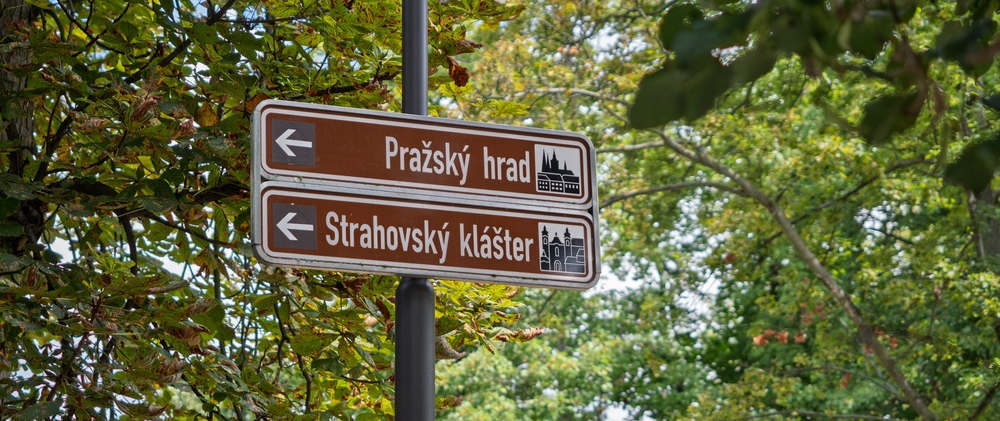
Signs in Czech

Most people here speak Czech, and although English proficiency is improving, most of the population isn’t able to speak English. When looking for employment in the Czech Republic, knowing the language is a great advantage and may even be essential in some cases. Most public offices only offer forms and instructions in Czech.

Expats moving to the Czech Republic without learning at least the basics of the local language may have difficulty adjusting. If you can get a good grasp of the language, it can greatly ease the process of settling in and making friends.


Meeting and greeting in the Czech Republic

On a personal level, it can be quite difficult to make friends with Czech locals. The usual greeting is a handshake with eye contact, and it may take some time before an expat gets on a first-name basis with a local. When meeting a local for the first time, they may seem cold and unwelcoming because Czechs don’t typically smile or make small talk. In time, they may open up, but they’re unlikely to express emotion as openly as some expats may be used to.


Communication in the Czech Republic

Czechs are usually straightforward in their communication. They often conduct business verbally and make deals with a handshake. While this is a pleasant way to do business, things can get complicated if a dispute arises later. For this reason, expats should ensure a contract is in place in matters of great importance or if a lot of money is involved.

Doing Business in the Czech Republic


Bureaucracy in the Czech Republic

Although most private firms now conduct their business online, the Czech Republic is still a country of paperwork. Whether opening a bank account, buying property or sorting out a legal matter, an overwhelming number of documents and signatures are still required.


Religion in the Czech Republic

Religion in the Czech Republic

There is no single predominant religion in the Czech Republic, and today, most of the population is not religious. That said, the influence of its predominantly Catholic culture during the early part of its history can be seen in its historical architecture, sculptures, and other artworks.

In general, Czechs are very tolerant of different religions and lifestyles. As a result, expats living in the Czech Republic should find it easy to practise and embrace their faith without fear of being criticised.


LGBTQ+ in the Czech Republic

The Czech Republic is broadly accepting of LGBTQ+ individuals. Homosexual couples can enter into legal partnerships that are afforded the same rights as marriage. There are laws against LGBTQ+ discrimination in housing and employment matters.

On the other hand, some aspects of life in the Czech Republic could be more LGBTQ+ friendly. Conversion therapy is still allowed, there’s no recognition of a nonbinary gender, and a medical diagnosis is required to change a person’s legal gender.

LGBTQ+, Diversity and Inclusion in the Czech Republic


Women in the Czech Republic

Some progress has been made toward gender equality in the Czech Republic, although there are still noticeable areas for improvement.

Gender gaps in employment and pay continue to fall short of targets. In addition, the vast majority of positions of power in government and on company boards continue to be held by men at rates far higher than in other EU states.

Women in Leadership and Gender Equality in the Czech Republic

Working in the Czech Republic

The Czech Republic’s favourable economic climate has attracted many expats in recent years. Working in the Czech Republic is easy for EU citizens, who don’t need a work permit to do so, while non-EU citizens will have to go through some extra red tape.


Job market in the Czech Republic

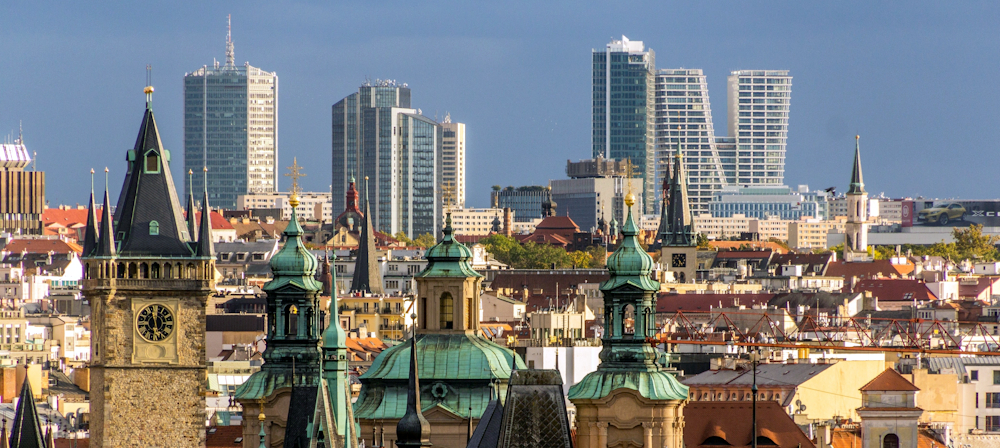
Prague city centre

The majority of expats working in the Czech Republic will find employment in Prague, but there are also opportunities in smaller towns and cities, particularly in the tourism sector.

The Czech Republic’s main industries include tourism, finance, IT, real estate, and manufacturing. Expats often find jobs in the financial services, education, information technology, trade, and hospitality sectors. The Czech Republic is also becoming more popular for foreign business investment, so expats may be able to find a job in one of the foreign companies based in the country.


Finding a job in the Czech Republic

With a highly educated and skilled workforce, competition for top jobs in the Czech Republic may be fierce. Nevertheless, expats with the right credentials and experience will find opportunities to explore in the country. We recommend that expats secure employment in advance of moving to the Czech Republic.

Job opportunities can be found through online job portals or by signing up with a local recruitment agency. Otherwise, employment opportunities may be found by looking for postings on the websites of specific multinational companies.

Work Permits for the Czech Republic

Useful links


Work culture in the Czech Republic

Working in the Czech Republic

The Czech Republic has a favourable business environment, and expats shouldn’t have trouble adjusting to working life in the country. That said, how people conduct themselves in business can have an impact on how fellow business associates perceive them, and expats should therefore take some time to become familiar with the corporate culture in the country. Professionalism and punctuality are key to making a good impression.

The business culture in the Czech Republic is mostly formal, and building personal relationships is important to doing business successfully. In local businesses, the structure tends to be hierarchical. Decisions are made from the top down, although the group’s opinion may be considered in some cases. International firms may have a more relaxed structure.

Business Culture in the Czech Republic

Keeping in Touch in the Czech Republic

Expats have a variety of options for keeping in touch in the Czech Republic thanks to the country’s well-developed telecommunications infrastructure.

Internet, mobile, landline and postal services are widely available and affordable, making it easy for expats to communicate with friends and family back home. While there is a distinct lack of local English language print publications, there are many online resources to keep expats in touch with both local and international news.


Internet in the Czech Republic

Woman using a laptop and smiling

The Czech Republic has fast, reliable internet, and connectivity shouldn’t be a problem for expats. Wireless connections are more common than fixed lines in residential households and businesses alike. In public places, expats will not struggle to find free Wi Fi connections, especially in big cities such as Prague.

While there are many reliable Czech internet service providers to choose from, some of the most popular are T-Mobile, Vodafone and O2. These are also the main mobile providers.

English support among all three of these providers can be spotty, with limited support available. O2 does not currently have a working English version of their website, although they do have dedicated branches with English support in Prague.

T-Mobile has been noted for having good signal and wide coverage, and has an English version of its website, as does Vodafone. Both providers claim to have good English support, while in practice, expats say it can be difficult to get hold of an English-speaking operator when contacting customer service.

Useful links


Mobile phones in the Czech Republic

Expats looking to set up a mobile phone in the Czech Republic will find a variety of affordable packages available that can be tailored to suit individual needs.

The most prominent mobile operators in the Czech Republic are T-Mobile, O2 and Vodafone. Both prepaid and contract options are available, and it’s easy to check the available packages on the English versions of the mobile provider’s websites.

To get a contract phone, expats will need to sign up for a 24-month contract. EU expats can get a phone contract with their passport, bank statement and a notarised letter from their landlord, while non-EU expats will only qualify if they have permanent residency. Generally, proof of address and identity documents are required as part of the application process.


Postal service in the Czech Republic

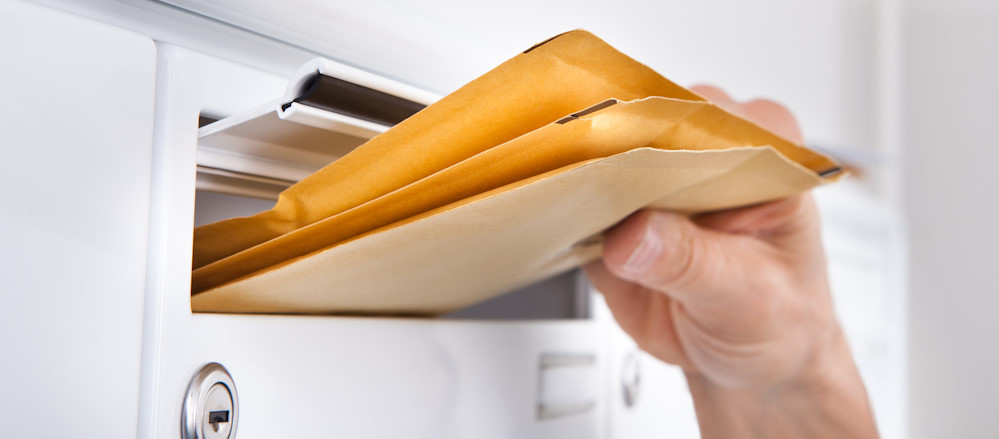
Padded envelopes going through a mail slot

While the Czech Postal System offers affordable prices, it has a poor reputation. Locals usually recommended sending important documents and packages via private couriers instead, despite the extra cost.

There are post offices all around the country, but expats should be aware that they still might encounter language difficulties. People working in post offices don’t always speak English, and most documents are in Czech. Ideally, bring someone to act as a translator, whether a professional or a Czech-speaking friend.


English media in the Czech Republic

Unfortunately, there are no printed English-language newspapers in the Czech Republic. While it’s possible to read local news in English, this will have to be done online.

The Prague Post, formerly a printed English-language newspaper, is one of the most popular online sources for Czech news in English, along with The Prague Monitor. Radio Prague broadcasts in several languages, including English, and publishes English-language news online.